Are Infrared Heaters Good for Allergy Sufferers?
Yes, infrared heaters can suit allergy sufferers in sealed rooms because they move less air, but they do not remove allergens and a dusty unit can make symptoms worse. If you assume the heat itself treats allergies, you may miss the real issue: dust, mold, or poor ventilation. This guide separates dust movement, allergen exposure, and indoor air quality so you can choose the right heater setup.
What infrared heat changes indoors
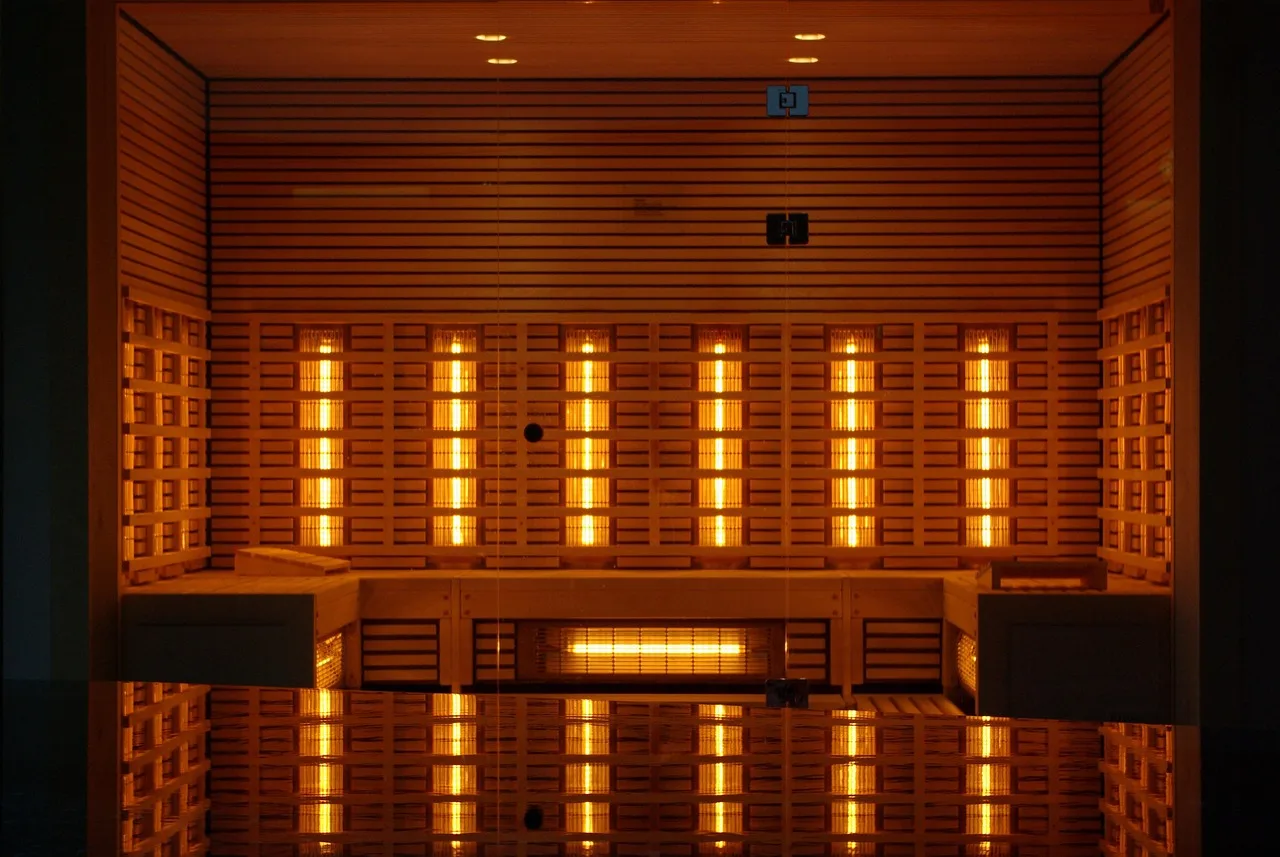


Infrared heat warms people and objects more than room air, so it can feel direct without relying on strong air circulation. Infrared radiation is invisible to human eyes, felt as heat, and it is part of the electromagnetic spectrum. Objects and the sun emit it naturally.
That matters for allergy sufferers because less air movement often means less dust turbulence. Dust turbulence is the allergy-relevant part of indoor airflow: the more air gets pushed around, the more settled particles can be lifted again. Lower turbulence can help, but it does not clean the air. The EPA and CDC both emphasize that allergen exposure is reduced by source control, cleaning, and filtration, not by heating alone.
Radiant heat versus heated air
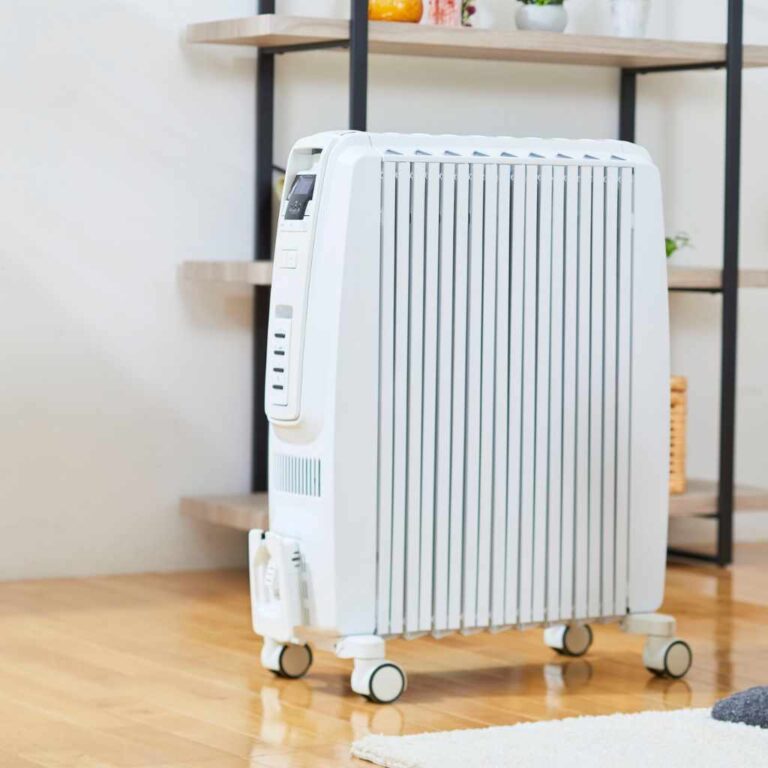
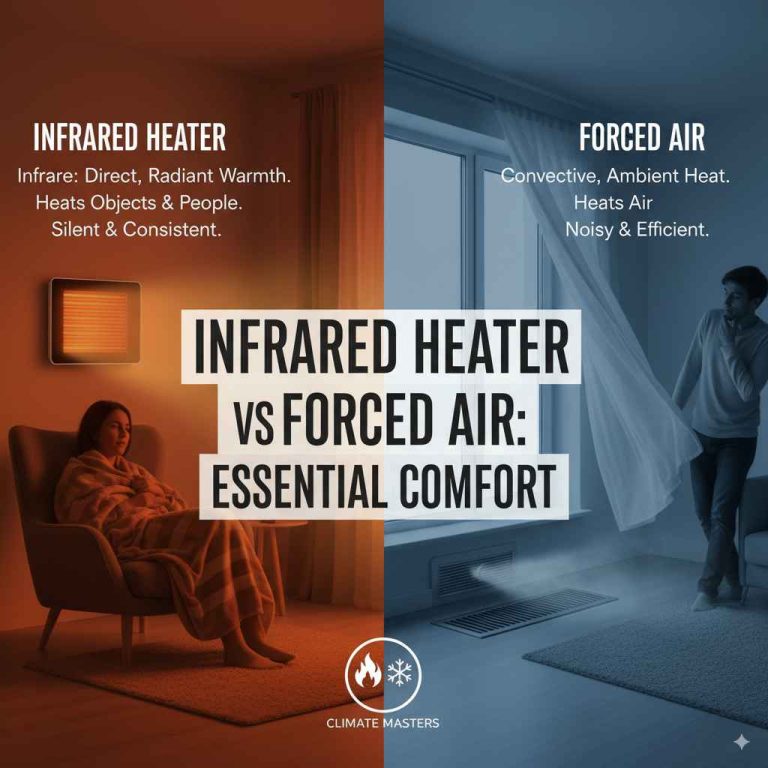
An infrared heater transfers energy to cooler people and objects. A convection heater heats room air first, so air currents do more of the work. Fan heaters push that air even harder, which can spread settled dust through the room faster. That is why guidance on indoor allergies and asthma often focuses on reducing stirred-up particles and improving filtration rather than simply changing temperature settings (CDC; EPA).
That difference is why infrared heating is often described as lower-dust. The heater changes comfort without stirring the room the way a fan-driven unit does.
Where infrared heat fits in a room
Infrared heat works best when you heat the occupied zone, not the entire volume, especially in a well-insulated room. Heat4All recommends only heating rooms when they are in use, and says infrared heaters are especially suitable for well-insulated buildings or as supplementary heating.
Mounting also changes the result. Wall mounted, ceiling mounted, and portable or free-standing units all exist, but placement affects how evenly the heat reaches the sitting or sleeping area. The same source says infrared heaters should be placed with a free radiant surface and centrally in the room.
Are infrared heaters good for allergy sufferers?
They can be a good fit for some allergy sufferers, especially people whose symptoms worsen when dust gets stirred up. They are less convincing for homes with moisture, mold, or poor ventilation problems, because lower air movement does not fix those issues. The best answer depends on the trigger and the room conditions, especially when asthma or allergy symptoms are part of the picture (CDC; EPA; NHS).
Dust-mite sensitivity
Dust-mite allergy often gets worse in bedrooms, bedding, and upholstered furniture. Infrared heat may help by reducing turbulence, so fewer settled particles get lifted into the breathing zone. It does not remove mites or their allergens from mattresses, pillows, or carpet. For asthma and allergy management, the CDC and NHS both stress that bedding care, cleaning, and limiting dust reservoirs matter more than heat alone.
For this trigger, the heater is only one part of the plan. Wash bedding regularly, vacuum with a HEPA filter, and keep the room from becoming overly damp. A heater alone cannot replace cleaning.
Pollen, pet dander, and mold concerns
Pollen and pet dander can still enter from shoes, clothes, pets, and open windows. Infrared heat does not stop those allergens from arriving, and it does not filter them out of the air. A HEPA air cleaner and a tighter cleaning routine matter more here, especially during high-pollen periods or in rooms used by pets (EPA; CDC).
Mold-related allergy problems are different again. If a room traps moisture or has condensation on cold surfaces, warmer wall or ceiling surfaces may help reduce dampness, but ventilation and source control come first. If the room is already humid or has visible mold, heat is not the main fix. The CDC advises that visible mold and moisture sources should be addressed directly rather than masked with room heating.
When infrared heat helps and when it does not
Infrared heat helps most when the main complaint is stirred-up dust in a closed, dry, well-kept room. It helps less when symptoms come from ongoing moisture, dirty soft furnishings, pet allergens, or outdoor pollen that keeps entering the room. It is a comfort tool, not an allergen treatment.
For a bedroom of about 12 m², a room with smooth floors, a clean radiator wall, and a HEPA purifier running at night is a reasonable example. Infrared heat may be a good match because it adds warmth without much extra air movement. Now change only one thing: heavy carpet plus a dusty ceiling fan. The heater still warms the room, but the allergy problem remains.
Infrared allergy decision matrix
Use this table to separate the trigger from the heater effect. The key question is not whether infrared feels gentler, but whether the main problem is dust movement, allergen load, or moisture.
| Allergy trigger | Likely infrared benefit | Likely limitation | Recommended add-on |
|---|---|---|---|
| Dust mites | Lower dust turbulence near the occupied zone | Does not remove mites or allergens from bedding and upholstery | HEPA vacuuming, hot bedding washes, regular room cleaning |
| Pollen | Less air movement than fan heat can mean less re-suspension | Pollen still enters from outdoors, clothes, and open windows | HEPA air cleaner, closed-window routine during high pollen periods |
| Pet dander | May avoid strong airflow that spreads flakes around the room | Does not capture dander already on textiles and surfaces | Frequent vacuuming, brushing pets outside the room, HEPA filtration |
| Mold-related symptoms | Can help warm cold surfaces that collect condensation | Does not solve leaks, damp materials, or hidden mold growth | Ventilation, source repair, humidity target around 40% to 50% |
| Asthma-triggered sensitivity | May feel calmer than a fan heater because it moves less air | Smoke, dust, and poor ventilation still affect symptoms | HEPA filtration, smoke avoidance, steady ventilation when practical |
How to read the matrix
If the main issue is airborne dust being pushed back into the room, infrared heat can help. If the main issue is allergen load on surfaces, you still need cleaning and filtration. If the main issue is dampness, ventilation and moisture control should lead the plan.
The same source says infrared heaters are suitable for allergy sufferers because they create low dust turbulence. It also says radiation efficiency should be at least 40% according to DIN EN IEC 60675-3. That is a performance claim, not an allergy cure.
Do infrared heaters kick up dust?
Usually less than convection or fan heaters, because they heat by radiation rather than moving air around. That lower air movement can mean less re-suspension, which is the part of heating that often bothers dust-sensitive people. It does not mean the room becomes clean. The key indoor-air point is that low airflow can reduce particle movement, but it does not eliminate allergens already in the room (EPA; CDC).
If dust is already settled on shelves, bedding, vents, or the heater itself, warm radiant heat will not make it disappear. A dirty heater housing can still collect and later release dust when the room is cleaned or the unit is handled.
Infrared versus convection and fan heaters
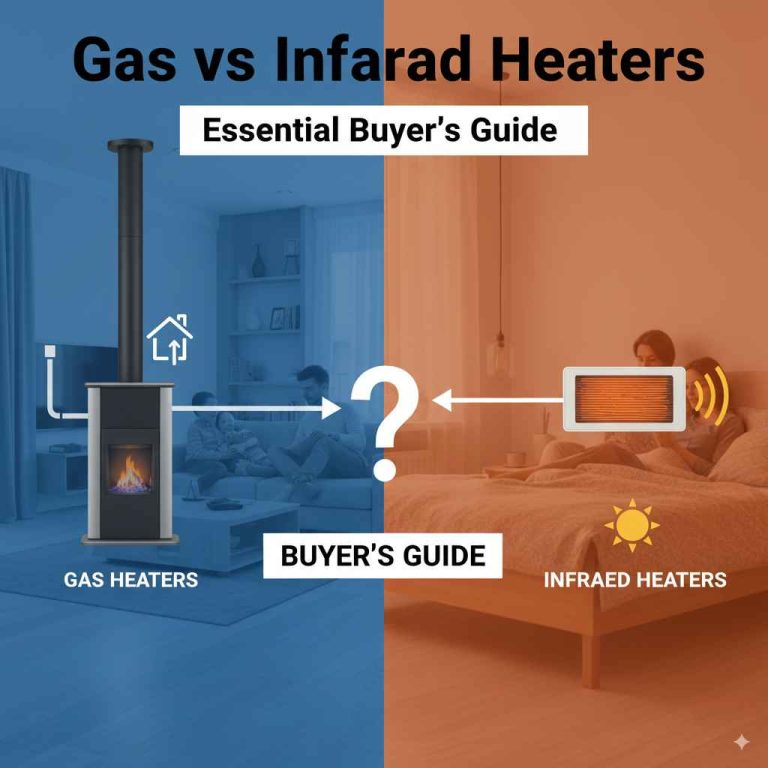
A convection heater warms air first. That heated air rises, circulates, and can carry light particles with it. A fan heater adds forced airflow, so it tends to move more dust through the breathing zone. In practical terms, stronger airflow usually means more opportunity for dust re-suspension in a bedroom or small room (EPA).
Infrared heaters direct heat to people and objects. They are often wall mounted, ceiling mounted, or used as free-standing units, and that placement can keep the air calmer than a fan-driven heater in the same room.
Dust turbulence versus allergen removal
Lower dust turbulence is helpful only if you keep the surfaces clean. It does not remove allergens from mattress fibers, curtains, or carpet pile. The heater changes movement, not the amount of allergen already present.
A common first-timer mistake is to choose a low-dust heater and then skip the cleaning routine. The room may feel warmer and calmer, but symptoms can stay the same if the allergen load is still high.
Surface dust, cleaning, and filtration
Use a simple maintenance routine: wipe accessible surfaces regularly, vacuum with HEPA filtration, and clean near the heater so dust does not build up on nearby walls or shelves. If you use a portable unit, check the intake and casing more often.
- Vacuum floors and soft furnishings on a set schedule.
- Wipe dust from flat surfaces before it builds up.
- Keep bedding and textiles on a washing cadence that fits the trigger.
- Use HEPA filtration if airborne allergens are a major issue.
- Check the heater for dust on the housing and surrounding wall area.
Which infrared heater setup is best for a bedroom or small room?
For bedrooms and small rooms, the best setup is usually one that heats the occupied area without adding much airflow. Wall or ceiling mounting often works well because it keeps the unit out of the way and can reduce direct contact with dust on the floor. Portable units fit temporary use but may be easier to place poorly.
Wall, ceiling, and portable placement
Wall mounted units suit a fixed sleeping space where the bed position stays the same. Ceiling mounted units can spread radiant heat over the room without taking floor space. Portable or floor-standing units are more flexible, but they need careful placement to preserve a clear radiant path.
The same source notes that infrared heaters can be installed on walls, ceilings, or as free-standing units. It also says they should be placed with a free radiant surface and centrally in the room.
Infrared heaters good table
This table compares common bedroom conditions and how they affect dust movement, dryness risk, and setup choices. It is most useful when you are deciding whether infrared heat fits the room, not just the label on the heater.
| Room condition | Dust movement | Dryness risk | Practical setup |
|---|---|---|---|
| Carpeted room | More settled dust can stay in the pile and be disturbed by walking or vacuuming | Moderate, especially if heating encourages lower indoor humidity | Use wall or ceiling mounting, vacuum with HEPA, and keep textiles clean |
| Smooth floor | Less dust reservoir than carpet, so airborne dust can be easier to control | Lower if humidity is maintained | Good match for zoned heating and easy floor cleaning |
| Damp room | Dust may cling to damp surfaces, but moisture is the bigger problem | Low dryness risk, but higher mold risk | Prioritize ventilation, source repair, and humidity control before heat |
| Poor insulation | More drafts and temperature swings can move dust around | Higher because the heater runs longer and surfaces may stay cold | Use the poorly insulated space guidance, then add a thermostat and seal obvious leaks |
| Pet bedroom | More dander sources on bedding, floors, and fabrics | Moderate; depends on ventilation and cleaning | Choose a fixed radiant setup, clean often, and keep pets off bedding if possible |
| Pollen season | Open windows and clothing can increase airborne pollen in the room | Usually unchanged by pollen, but heating can feel drier if the air is already low-humidity | Keep windows closed when practical, use HEPA filtration, and avoid adding fan airflow |
Dry air, condensation, and mold risk
Infrared heaters do not dry the air the way some people expect from hot-air systems, but any heating can make a room feel drier if the space is already cold and poorly sealed. In a bedroom with winter condensation, warmer surfaces may help reduce moisture on windows and walls.
That said, if the room has persistent dampness, an infrared heater is not a mold solution. Ventilation, repair of leaks, and humidity control matter more than the heat source alone. For many homes, keeping indoor relative humidity near 40% to 50% is a practical target, and common indoor-air guidance treats roughly 30% to 50% as a generally comfortable range while avoiding excess moisture (EPA; CDC).
Cleaning and ventilation basics
Bedrooms often feel safer with closed windows in winter, but closed rooms can trap stale air, moisture, and allergens. A small amount of regular ventilation can matter more than heater choice if the room is stuffy or damp. If pollen is the trigger, timed ventilation may be better than leaving windows open all day.
Keep bedding, curtains, and floor surfaces on a regular cleaning schedule. If the room has pets, put the bed away from their sleep area and use a HEPA purifier when possible.
How room insulation affects results
Insulation strongly affects whether infrared heating makes sense. In older buildings with heat loss through walls, windows, or draughty joints, any heater will run longer. The same source says infrared heaters are especially suitable for well-insulated buildings or as supplementary heating.
That matters for allergies too. A room that is too cold can encourage condensation, while a room that is too warm and dry can irritate the nose and throat. The right result comes from matching heater, insulation, and room use.
Older buildings and heat loss
Older buildings often leak warmth faster, so the heater must work harder to hold a stable temperature. In that setting, infrared heat may still feel pleasant, but running cost can rise if the room is poorly sealed or oversized for the unit.
The same source gives an average sizing range of 50-70 W per square meter. That is only a sizing guide; insulation, ceiling height, and usage pattern still matter. A small, tight room will behave very differently from a large, leaky one.
Why room size changes the answer
A compact bedroom is easier to heat with infrared because the radiant field can cover the occupied area efficiently. A bigger room needs more careful placement, and a poorly insulated space may lose heat faster than the heater can replace it.
The same source says a thermostat can save up to 20% electricity, and every degree less saves about 6% energy. Those figures depend on use pattern, but they show why control settings matter more than a constant full-power run. Treat those numbers as general efficiency guidance rather than a guarantee, since actual savings depend on insulation, room size, and runtime.
Thermostat control and runtime
Thermostat control and automation reduce wasted runtime by turning heat down when the room is already comfortable. The same source recommends only heating rooms when they are in use. That is especially sensible in bedrooms, nurseries, and guest rooms.
For allergy-sensitive rooms, shorter runtime can also mean less dry heat buildup and less chance of scorching dust on hot surfaces. The goal is steady comfort, not maximum output.
Infrared heaters and indoor air quality
Infrared heaters can change air movement, comfort, and surface temperatures, but they do not clean indoor air. They can reduce dust turbulence compared with fan heaters, yet they cannot remove pollen, pet dander, smoke, or mold spores from the room.
What they can change
They can lower the amount of air disturbance around the bed or seating area. They can also warm surfaces directly, which may help a cold room feel usable without raising the whole air mass quickly. For some allergy sufferers, that is enough to make the room feel calmer.
What they cannot change
They cannot replace filtration, cleaning, or moisture control. They cannot fix a damp wall, a mold source, or a room full of dust-covered textiles. They also do not solve pollen intrusion from outside air.
When to pair them with HEPA, humidity control, or ventilation
Use HEPA filtration when the main trigger is airborne dust, dander, or pollen. Use humidity control when condensation, damp air, or mold risk is part of the problem. Use ventilation when the room feels stale or moisture builds up overnight.
Frequently asked questions
Are infrared heaters better than fan heaters for allergies?
Often yes for dust-sensitive users, because fan heaters move more air and can spread particles through the room. But “better” depends on the trigger. If pollen, smoke, or mold is the issue, filtration and ventilation matter more than the heater type.
Can infrared heaters help with dust allergies?
They can help reduce how much dust gets stirred up while the room is heated. That may lower exposure in the occupied area. They do not remove dust mites, dust, or allergen particles already sitting on bedding, carpets, or furniture.
Do infrared heaters dry out the air?
They do not dry air in the same way as some people assume, but any heating can make a room feel drier if humidity is already low. In allergy-prone bedrooms, the better question is whether the room stays within a comfortable humidity range and avoids condensation.