Blue Flame vs Infrared Heaters: Which Is Right for You?
Hey there! If you’re trying to decide between blue flame heaters and infrared heaters for your home, you’re in the right place. I’ve spent a lot of time researching and using both types of heaters, and I’m excited to share what I’ve learned. Choosing the right heater can make your home cozy and save you money, but it can feel overwhelming with so many options. Don’t worry—I’ll break it down for you in a simple, friendly way. Let’s dive into the differences, benefits, and drawbacks of blue flame and infrared heaters to help you pick the perfect one for your needs.
Understanding Blue Flame Heaters
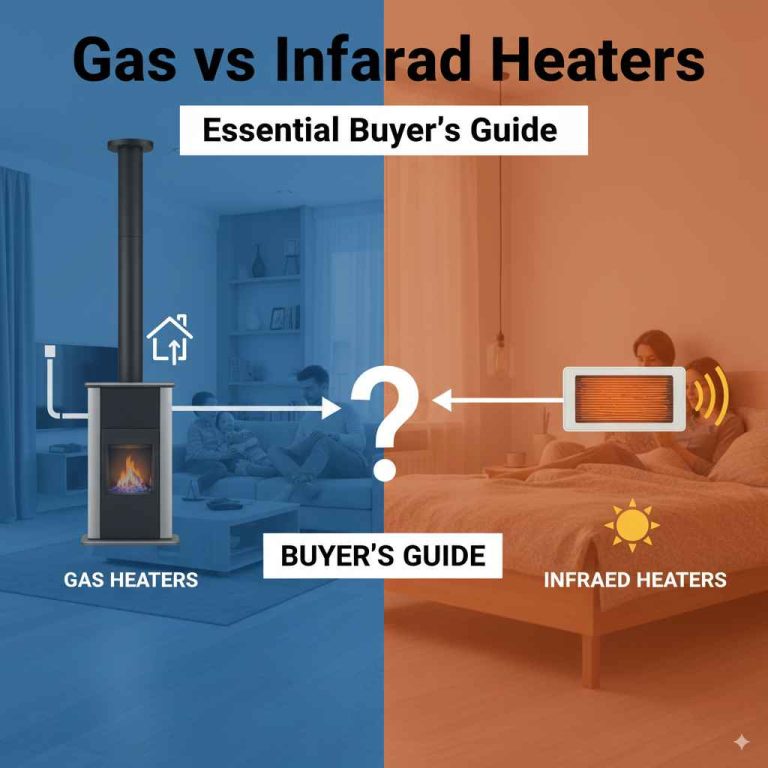
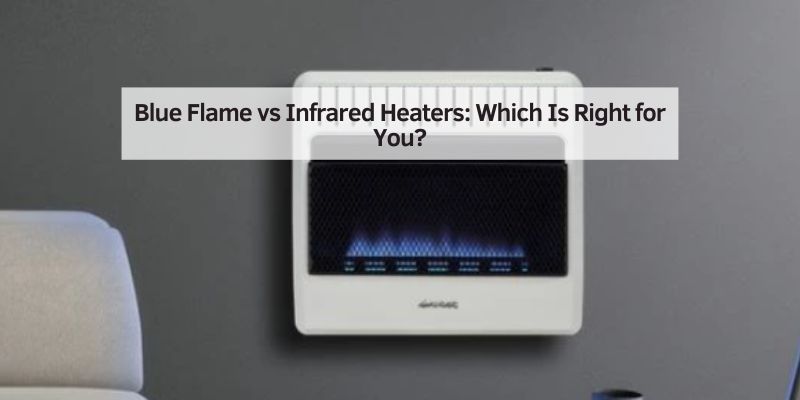
Let’s start with blue flame heaters. These heaters work by burning fuel, usually propane or natural gas, to produce a blue flame. The flame heats the air around it, and that warm air spreads throughout the room. This process is called convection heating. I love how these heaters can warm up a whole room quickly, making them great for larger spaces.
When I first used a blue flame heater in my living room, I noticed how evenly the heat spread. It’s like wrapping the room in a warm blanket. These heaters are often wall-mounted or freestanding, and they’re popular for homes without central heating. They’re also pretty efficient because they use the fuel directly to heat the air, with little energy wasted.
One thing to keep in mind is ventilation. Since blue flame heaters burn fuel, they need proper airflow to avoid carbon monoxide buildup. I always make sure to crack a window slightly when using mine. Most modern models come with safety features like oxygen depletion sensors, which I’ll talk about later.
Exploring Infrared Heaters
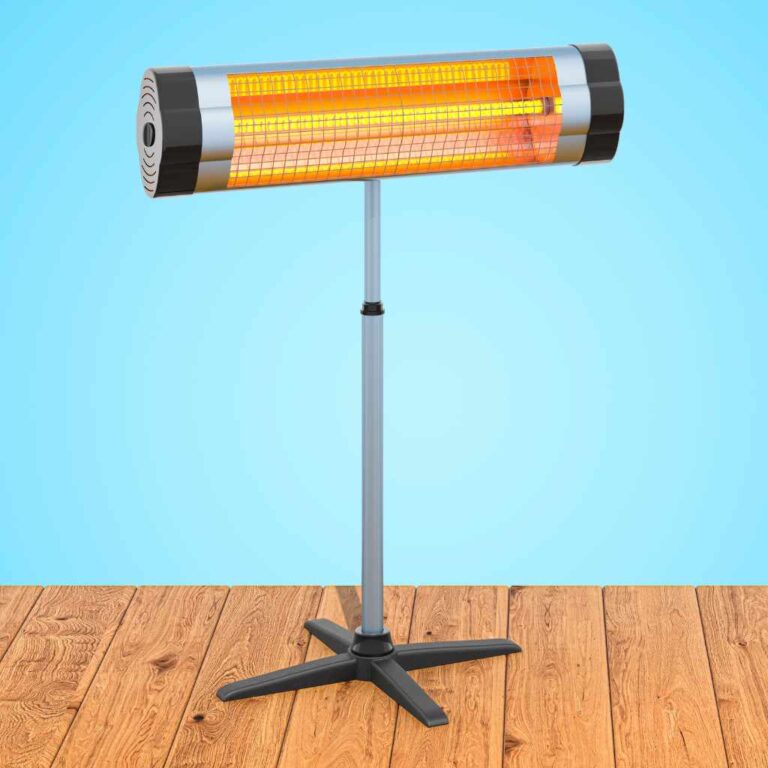
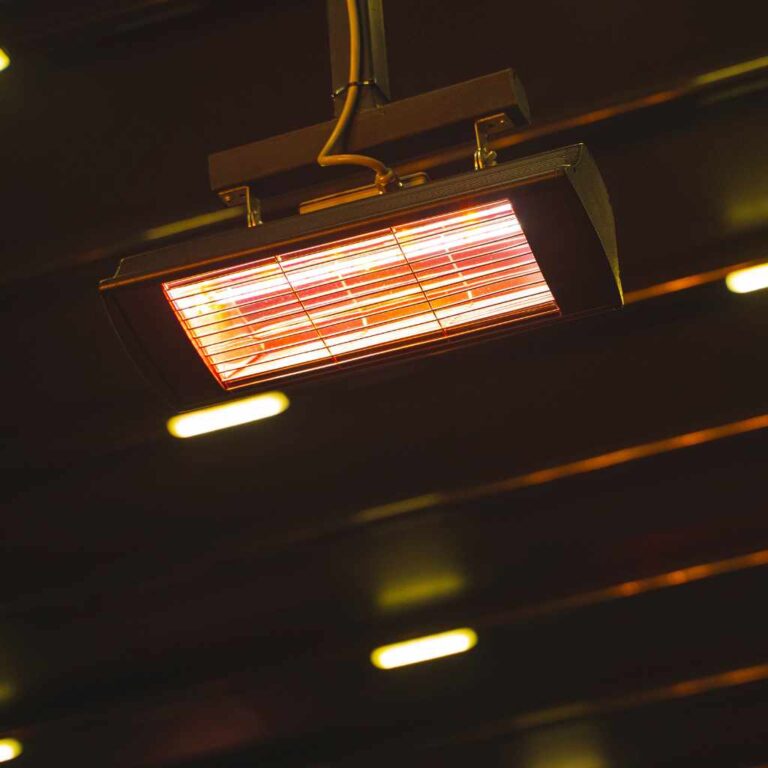
Now, let’s talk about infrared heaters. These work differently. Instead of heating the air, they use infrared rays to warm objects and people directly. It’s like standing in sunlight—you feel the warmth on your skin, even if the air around you is cool. This is called radiant heating, and it’s what makes infrared heaters unique.
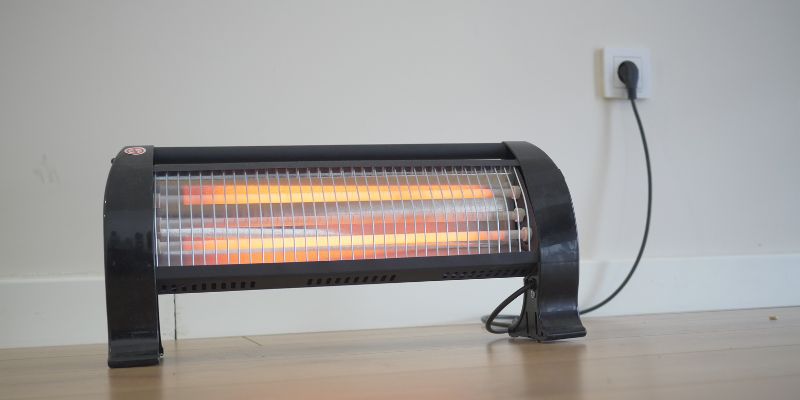
I’ve used an infrared heater in my small office, and it’s amazing how fast I feel warm. These heaters are great for spot heating, meaning they’re perfect if you’re sitting in one area, like a couch or desk. They come in electric models, which are super convenient since you just plug them in. Some also use propane, but electric ones are more common for home use.
One big plus is that infrared heaters don’t dry out the air like some other heaters. I noticed my skin and sinuses felt better when using one. They’re also quiet—no loud fans blowing hot air around. But they’re not the best for heating large spaces, as the heat doesn’t spread as far.
How They Work: Convection vs. Radiant Heat
To really understand blue flame vs infrared heaters, we need to look at how they heat. Blue flame heaters use convection heat. The flame warms the air, and that air circulates naturally or with a fan. It’s great for keeping an entire room at a steady temperature. I’ve found this works best in open spaces like living rooms or basements.
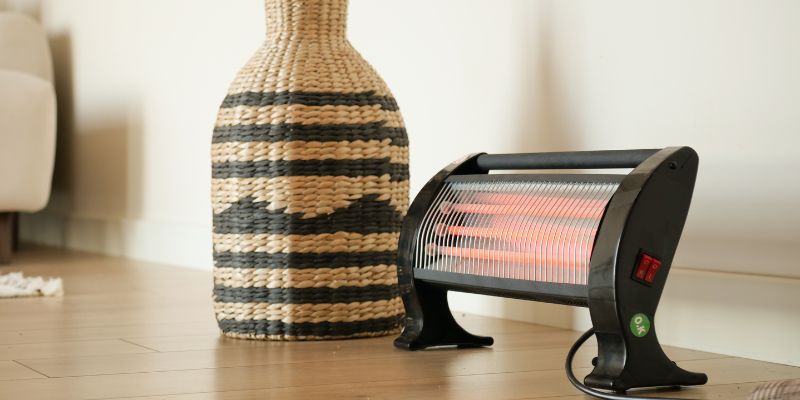
Infrared heaters, on the other hand, use radiant heat. They send out infrared waves that warm objects, like your furniture, walls, or even you. It feels instant, which I love when I’m chilly and want to warm up fast. But the heat doesn’t travel far, so it’s less effective in big rooms or if you’re moving around a lot.
Think of it like this: a blue flame heater is like a warm breeze filling the room, while an infrared heater is like a cozy spotlight on you. Both are awesome, but it depends on what you need.
Heating Efficiency and Energy Costs
Let’s talk about heating efficiency. This is a big deal because nobody wants sky-high energy bills. Blue flame heaters are super efficient for heating large spaces. Since they burn fuel like propane or natural gas, they don’t rely on electricity, which can save money in areas where gas is cheaper. I’ve used a blue flame heater in my garage during winter, and it kept the whole space warm without breaking the bank.
Infrared heaters are also efficient, but in a different way. Electric infrared heaters use less electricity than traditional electric heaters because they focus heat on objects, not the air. I’ve noticed my electric bill stays reasonable when I use one in a small room. However, if you’re heating a big space, you might need multiple units, which can add up.
Here’s a quick comparison of cost-effectiveness:
| Feature | Blue Flame Heaters | Infrared Heaters |
|---|---|---|
| Fuel Type | Propane or Natural Gas | Electric (some propane models) |
| Best For | Large rooms, whole-house heating | Small rooms, spot heating |
| Energy Cost | Lower if gas is cheap | Moderate, depends on electricity rates |
| Efficiency | High for large spaces | High for targeted heating |
It really comes down to your home and energy prices. If gas is affordable in your area, a blue flame heater might save you more. If you’re in a small space or prefer electric, an infrared heater could be the way to go.
Safety Features to Consider
Safety is huge when you’re dealing with heaters. I’ve learned this the hard way after a few close calls early on. Blue flame heaters burn fuel, so they produce carbon monoxide. That’s why modern ones come with safety features like oxygen depletion sensors (ODS). These shut off the heater if oxygen levels drop too low. I always double-check that my heater has this feature, and I keep a carbon monoxide detector nearby.
Infrared heaters are generally safer because most are electric and don’t produce combustion byproducts. They often have cool-to-touch exteriors, which is great if you have kids or pets. My infrared heater has a tip-over switch that turns it off if it gets knocked over, which gives me peace of mind.
Both types can be safe if used properly. For blue flame heaters, make sure you ventilate the room and follow the manufacturer’s guidelines. For infrared heaters, check that the cord and plug are in good shape to avoid electrical issues.
Installation and Portability
Let’s talk about setting these up. Blue flame heaters are often wall-mounted or freestanding. Wall-mounted ones need professional installation, especially if they’re connected to a gas line. I had a pro set up my wall-mounted blue flame heater, and it was worth it for safety. Freestanding models are more portable but still need a fuel source, like a propane tank.
Infrared heaters are usually plug-and-play. You just plug them into an outlet, and you’re good to go. I love how I can move my infrared heater from my bedroom to my office without any hassle. Some models have wheels, which makes them even easier to move.
If you rent or move often, an infrared heater might be simpler. If you’re staying put and want a permanent solution, a blue flame heater could work well.
Maintenance and Longevity
Keeping your heater in good shape is key to making it last. For blue flame heaters, you’ll need to check the burner and pilot light regularly. Dust can build up, so I clean mine with a soft cloth every few months. If you use propane, you’ll also need to replace or refill tanks, which is easy but adds to the upkeep.
Infrared heaters are low-maintenance. Since most are electric, there’s no burner to clean or fuel to refill. I just wipe down the exterior and make sure the cord isn’t frayed. Some models have filters you can clean, but it’s not a big deal.
In terms of longevity, both can last years if you take care of them. My blue flame heater has been going strong for five years, and my infrared heater is still kicking after three. Just follow the manual, and you’re golden.
Which Heater Fits Your Lifestyle?
Choosing between blue flame and infrared heaters depends on your needs. I’ve used both in different situations, and here’s how I break it down:
- Choose a Blue Flame Heater if: You need to heat a large room or your whole house. They’re great for open spaces and work well in rural areas where gas is cheap. Just make sure you have good ventilation and safety features in place.
- Choose an Infrared Heater if: You want instant heat in a small space, like a bedroom or office. They’re perfect for spot heating and super easy to move around. Plus, electric models are low-maintenance and safe for most homes.
Think about your space, budget, and how you’ll use the heater. If you’re like me and sometimes need to heat just one spot, an infrared heater is awesome. But if you’re cozying up a big family room, a blue flame heater might be your best bet.
My Personal Experience with Both
I’ve had the chance to test both types of heaters in my home. My blue flame heater is a lifesaver during power outages, which happen a lot in my area during winter storms. It keeps the whole house warm, and I don’t need to worry about electricity. But I always keep a window cracked and my carbon monoxide detector on.
My infrared heater is my go-to for working from home. I set it up next to my desk, and it keeps me toasty without heating the whole house. It’s also super quiet, which is great when I’m on calls. The only downside is it doesn’t do much for the rest of the room, so I switch to the blue flame heater when I’m entertaining guests.
Conclusion
So, blue flame vs infrared heaters—which one wins? Honestly, it depends on you. Both are fantastic in their own way. Blue flame heaters are powerful, efficient, and great for big spaces. They’re a solid choice if you have access to affordable gas and proper ventilation. Infrared heaters are perfect for quick, targeted heat in smaller areas, and they’re super easy to use and move around.
Think about your home, your budget, and how you want to feel warm. If you’re still unsure, try starting with an infrared heater for its simplicity, or go for a blue flame heater if you need to heat a larger space. Whichever you choose, make sure it has good safety features and fits your lifestyle. Stay warm, and enjoy your cozy home!
FAQs
Which heater is better for a large living room?
A blue flame heater is better for a large living room. It uses convection to spread warm air evenly, making it great for bigger spaces. Just ensure proper ventilation to stay safe.
Are infrared heaters safe for pets?
Yes, infrared heaters are generally safe for pets. Most electric models have cool-to-touch surfaces and tip-over switches. Keep cords out of reach to avoid chewing.
Do blue flame heaters need electricity?
Not always. Many blue flame heaters run on propane or natural gas and don’t need electricity, making them great for power outages. Some models have fans that require power, though.
Can I use an infrared heater in a bathroom?
It depends. Electric infrared heaters can be used in bathrooms if they’re rated for damp environments. Check the manufacturer’s guidelines and never use one near water.
How often should I maintain my heater?
For blue flame heaters, clean the burner every few months and check the pilot light. For infrared heaters, wipe down the exterior and check the cord regularly. Always follow the manual for specifics.