Infrared Heater Vs Forced Air: Essential Comfort
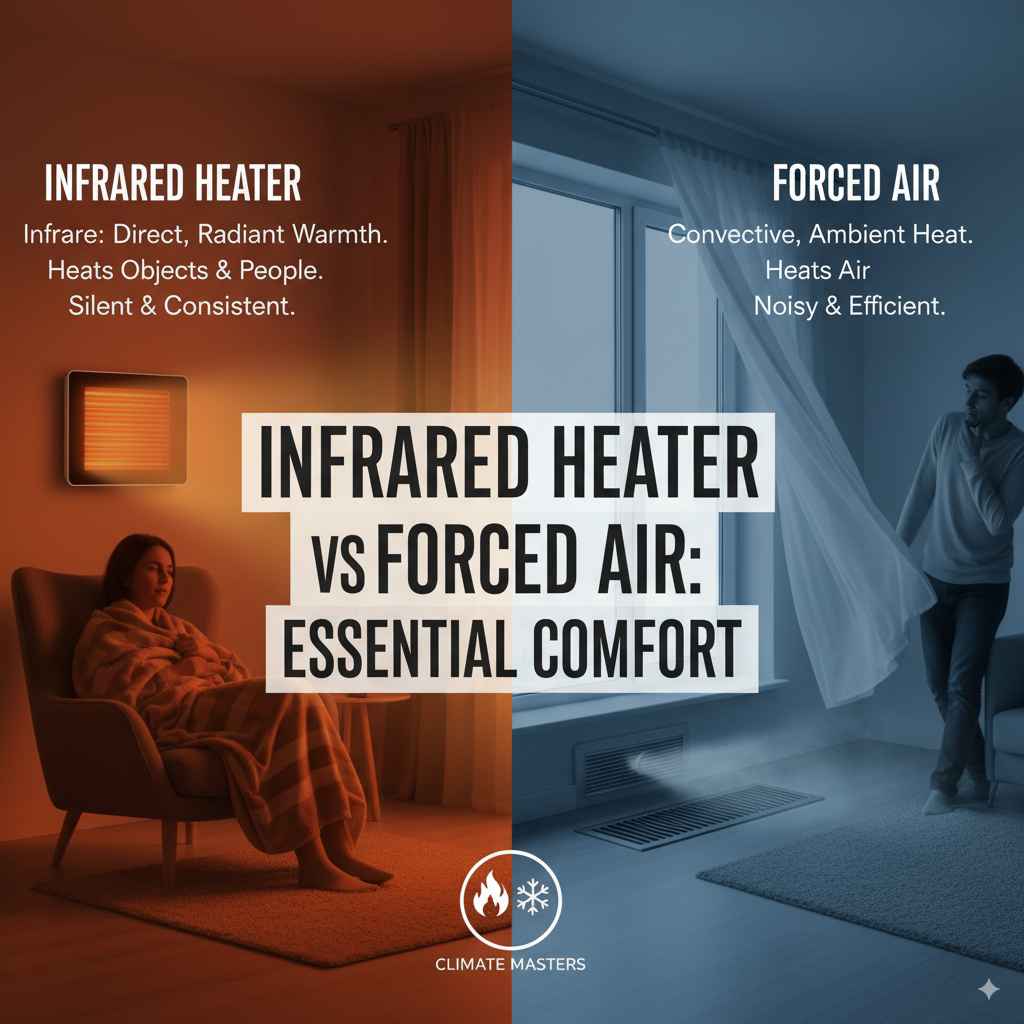
Infrared heaters warm objects directly for instant, zoned comfort, while forced-air systems heat the air itself for whole-room warmth. Choosing depends on your heating needs, energy efficiency goals, and desired comfort level.
For a closely related heater topic, Convection Heater vs Forced Air: Showdown gives readers a useful next step.
For portable or electric heater comparisons, Forced Air Electric Vs Baseboard Heaters: Heating Showdown gives readers another helpful angle before buying or using one.
For portable or electric heater comparisons, Forced Air vs Infrared Heaters gives readers another helpful angle before buying or using one.
Hello there! Feeling a bit chilly and wondering about the best way to warm up your home? It’s a common puzzle, especially when you’re faced with terms like “infrared heater” and “forced air.” These two systems heat our homes in surprisingly different ways, and understanding those differences can make a world of difference in your comfort and your energy bills. You’re not alone if you find it confusing; let’s break it all down together. We’ll explore how each works, their pros and cons, and help you figure out which might be the perfect fit for your cozy haven. Get ready to feel more confident about your home heating choices!
Infrared Heater vs Forced Air: Understanding Your Essential Comfort
When we talk about heating our homes, we’re aiming for one thing: comfort. But how we achieve that comfort can vary dramatically. Two popular methods are infrared heating and forced-air heating. While both aim to raise the temperature, they go about it in fundamentally different ways. This leads to distinct experiences of warmth, energy efficiency, and even how they affect the air quality in your home. Let’s dive into the core differences between an infrared heater and a forced-air system.
How Infrared Heaters Work: Warming You Directly
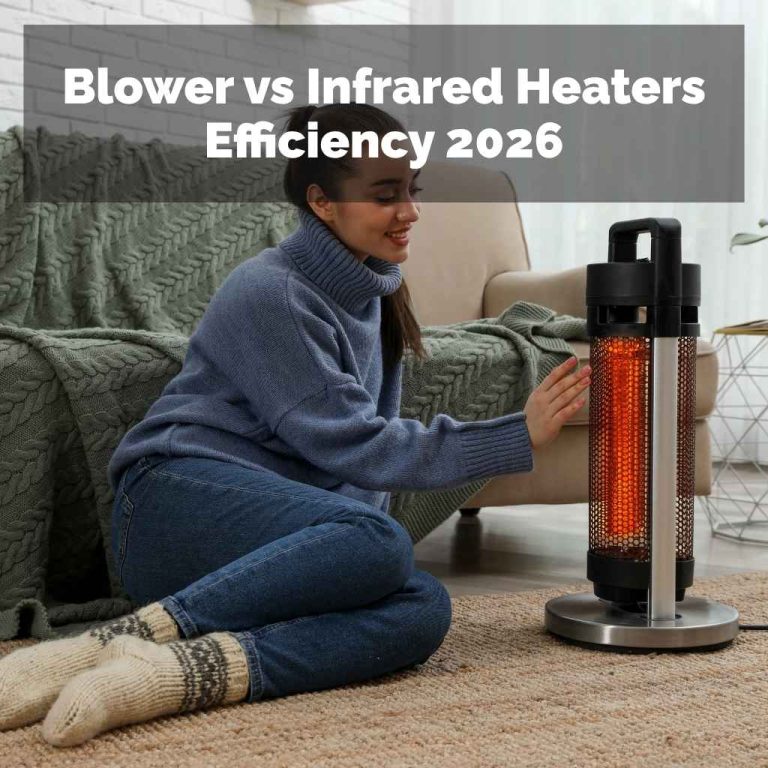
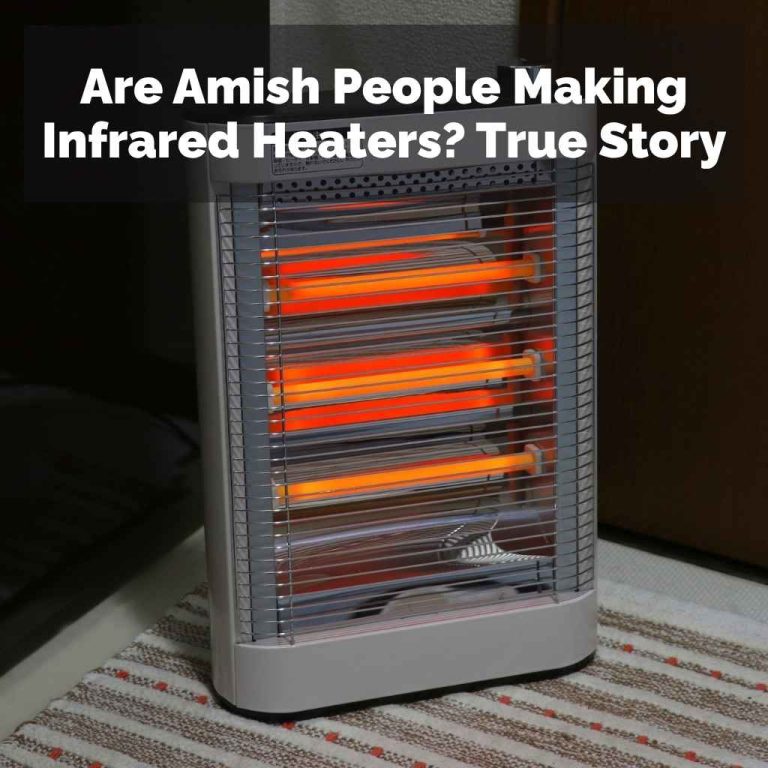
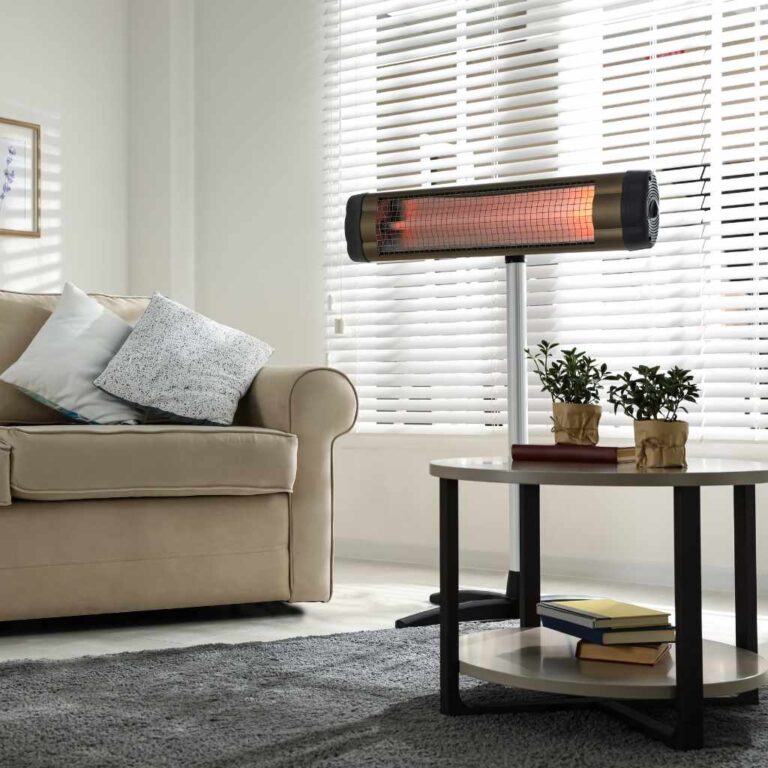
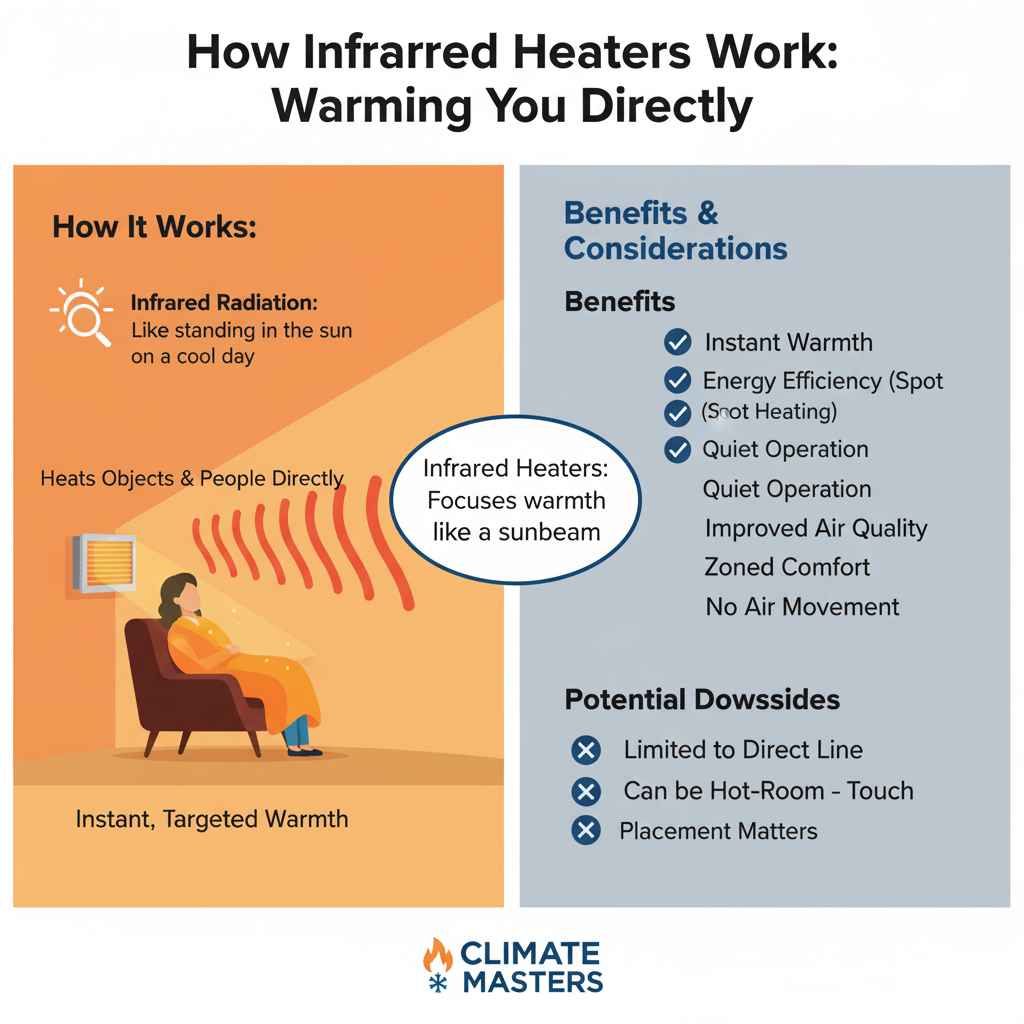
Imagine standing in the sun on a cool day. You feel warm, right? That’s because of infrared radiation. Infrared heaters work on a similar principle. Instead of heating the air, they emit radiant heat waves that travel through the air and are absorbed by objects and people they encounter. When these waves hit you, your skin absorbs the energy, and you feel warm instantly. It’s like a gentle, targeted warmth that doesn’t depend on circulating air.
Think of it this way: an infrared heater is like a focused beam of warmth. It heats what it’s pointed at, making it incredibly effective for warming specific areas or people quickly. This direct heating method means you feel the warmth almost immediately, without waiting for the entire room to heat up.
Benefits of Infrared Heaters
- Instant Warmth: You feel the heat almost immediately.
- Energy Efficiency: Can be more efficient for spot heating as it doesn’t waste energy heating empty spaces or air that can escape.
- Quiet Operation: Most infrared heaters operate silently, without fans.
- Improved Air Quality: They don’t dry out the air or circulate dust and allergens like some forced-air systems can.
- Zoned Comfort: Perfect for heating specific areas or rooms efficiently.
- No Air Movement: Good for those sensitive to drafts or dry air.
Potential Downsides of Infrared Heaters
- Limited to Direct Line: The heat is most intense in the direct path of the heater. Areas out of the direct line might remain cooler.
- Slower Whole-Room Heating: Not ideal if you need to quickly warm an entire large space evenly.
- Can be Hot to Touch: Some models have surfaces that can get very hot, requiring caution.
- Placement Matters: Proper placement is crucial for effective heating.
How Forced Air Heaters Work: Warming the Air Around You
Forced-air heating is what most people are familiar with in their homes. This system typically uses a furnace or a heat pump to generate heat. Once the heat is produced, a blower fan pushes that heated air through a network of ducts and vents into every room of your house. The warm air then mixes with the cooler air, raising the overall temperature of the space. When the air cools down, it’s drawn back into the system through return vents to be reheated.
Think of a forced-air system as a giant, invisible fan blowing warm air everywhere. It’s designed to distribute heat throughout your entire living space, aiming for a consistent temperature from room to room. It’s the workhorse of central heating systems for many homes.
Benefits of Forced Air Systems
- Whole-Room Heating: Effectively heats entire homes or large spaces.
- Consistent Temperature: Aims to maintain a uniform temperature throughout the house.
- Air Filtration: Many forced-air systems include air filters that can improve indoor air quality by trapping dust, pollen, and other particles.
- Integrated Systems: Often works in conjunction with air conditioning, making it a versatile year-round system.
- Quick Rise in Ambient Temperature: Can quickly increase the overall air temperature in a room.
Potential Downsides of Forced Air Systems
- Can Dry Out Air: The heating process can reduce humidity levels, leading to dry air and potential discomfort.
- Circulates Dust and Allergens: If not properly maintained, filters can become clogged, and air can circulate dust, dander, and allergens.
- Noise: Blower fans and air moving through ducts can create noise.
- Heating Lag: It takes time for the air to heat up and circulate, so you might not feel warm instantly.
- Energy Inefficiency for Zoned Heating: Can be inefficient if you only need to heat a small area or specific rooms, as it warms the entire house.
Infrared Heater vs Forced Air: A Direct Comparison
To make things even clearer, let’s put these two heating methods side-by-side. Understanding these key differences will help you decide which is best for your specific needs. It’s not about one being universally “better” than the other, but rather which one is better for you.
| Feature | Infrared Heater | Forced Air System |
|---|---|---|
| Heating Method | Radiant heat warms objects and people directly. | Heats air, then distributes it through ducts. |
| Speed of Warmth | Instantaneous for targeted areas. | Takes time to heat the air and circulate. |
| Area of Effect | Best for focused, direct heating (e.g., a person, a specific spot). | Designed for whole-room or whole-house heating. |
| Energy Efficiency | Highly efficient for zoned heating; less waste. | Can be less efficient for small areas or if ducts leak. |
| Air Quality Impact | Doesn’t dry out air or circulate dust/allergens. | Can dry air; may circulate dust if not filtered/maintained. |
| Noise Level | Generally silent. | Blower fan and duct noise can be noticeable. |
| Installation | Varies from plug-in portable to wall/ceiling mounted. | Requires central system, furnace, ducts, vents. |
| Cost (Initial) | Generally lower for portable, higher for installed units. | High for central systems and ductwork. |
| Cost (Running) | Can be lower for targeted use. | Can be higher if heating the whole house when not needed. |
When to Choose an Infrared Heater
Infrared heaters shine in situations where direct, instant warmth is desired without heating the entire space. They are fantastic for specific applications:
- Supplemental Heating: Use them to boost comfort in a particularly cold room or as an addition to your central heating.
- Spot Heating: If you have a home office, a garage workshop, or a seating area where you spend a lot of time, an infrared heater can provide targeted warmth precisely where you need it.
- Drafty Rooms: For rooms that tend to be cooler or have drafts, an infrared heater can make them feel comfortable more quickly than waiting for central air to compensate.
- Allergy Sufferers: Since they don’t move air, infrared heaters don’t stir up dust mites, pollen, or pet dander, making them a gentler option for those with respiratory sensitivities.
- Energy Savings: If you want to reduce your overall heating bill, using infrared heaters for targeted comfort means you can often turn down your central thermostat, saving energy.
- Quick Comfort: Need to warm up fast? Infrared is your go-to.
For example, imagine you’re working at your desk and feel a draft. Instead of cranking up the thermostat and heating the whole house, you can simply turn on a small infrared heater directed at your workspace. You’ll feel warm almost instantly, and your energy bill will thank you. This is a cornerstone of smart home energy management, aligning with principles promoted by organizations like the U.S. Department of Energy regarding efficient heating strategies.
When to Choose a Forced Air System
Forced-air systems are the standard for a reason – they are designed to provide comprehensive comfort throughout an entire home. They are the best choice when:
- Whole-House Comfort is Key: If you want to maintain a consistent, comfortable temperature in every room of your house, a forced-air system is the most effective solution.
- You Have Ductwork Already: Many homes are already equipped with ductwork for forced-air heating and cooling. This makes installation or replacement straightforward and often more cost-effective than adding new systems.
- Air Filtration is Important: Forced-air systems with good filters can significantly improve indoor air quality by removing airborne particles. This is a big plus for families or individuals concerned about allergens and pollutants. You can learn more about air filtration and its benefits through resources from the Environmental Protection Agency (EPA).
- Integrated Climate Control is Desired: If you want a single system that handles both heating and cooling efficiently, a forced-air furnace and air conditioner combination is the most common and effective choice.
- Quickly Raising Ambient Temperature: When you come home on a very cold day and want the general air temperature of your house to rise quickly, a forced-air system is designed for this.
Think about a busy family home. Everyone is moving from room to room, and the goal is a generally pleasant temperature everywhere. A forced-air system excels at this, ensuring that no one is left in a significantly colder spot. It’s the reliable, all-encompassing solution for consistent home comfort.
Installation and Cost Considerations
When looking at infrared heater vs forced air, installation and cost are significant factors. They differ greatly.
Infrared Heater Installation & Cost
The beauty of many infrared heaters is their simplicity. Portable infrared heaters require no installation at all – you just plug them into a standard outlet and turn them on. They are often very affordable, with prices ranging from under $100 for small units to a few hundred dollars for larger or more advanced models.
For more permanent solutions, like wall-mounted or ceiling-mounted infrared heaters, installation is a bit more involved and will require hiring an electrician or a handyman. This could range from a couple of hundred to a thousand dollars or more, depending on the complexity and number of units. The purchase price of these units can also be higher, potentially $300-$1000+ per unit.
Forced Air System Installation & Cost
A forced-air system, typically involving a furnace or heat pump, is a major home appliance. The initial cost is substantial, often several thousand dollars for the unit itself if you’re installing a new furnace or heat pump. If your home doesn’t have ductwork, installing ducts adds significantly to the cost, potentially another few thousand dollars or more. This is an investment in a central system that provides heat, and often also cooling, throughout your entire home.
For example, a new high-efficiency gas furnace might cost $3,000 to $7,000 or more, not including ductwork. Heat pumps can have a similar or even higher price range. However, if you’re replacing an existing furnace in a home with ducts, the cost will be in line with the furnace price.
Running Costs
Running costs depend heavily on energy prices, efficiency of the unit, square footage, and how you use the heating system.
- Infrared: Excellent for targeted heating. If you only heat a small area for a few hours a day, the electricity cost for an infrared heater can be quite low. For instance, a 1500-watt infrared heater running for 4 hours might cost around $0.50-$0.80 depending on local electricity rates (like $0.10-$0.17 per kWh).
- Forced Air: This system heats a larger volume. If you run your central heat constantly to keep the entire house warm, the costs can add up quickly. However, modern, high-efficiency furnaces (ENERGY STAR certified furnaces use less energy) can be very efficient, especially when properly sized and maintained. The cost varies widely but is generally higher for whole-house heating compared to spot heating with infrared.
Maintenance and Longevity
Both types of systems require maintenance to operate efficiently and last longer.
Infrared Heater Maintenance
Maintenance for portable infrared heaters is minimal. Typically, it involves dusting the exterior and ensuring the vents are clear. For mounted units, ensure the installation is secure and the unit is free from debris.
Longevity varies, but good quality infrared heaters can last anywhere from 5 to 15 years or more with proper care. They have fewer moving parts, leading to less wear and tear.
Forced Air System Maintenance
Forced-air systems require more regular maintenance. This includes:
- Changing Air Filters: This is crucial for air quality and system efficiency. Filters should be checked monthly and replaced every 1-3 months, depending on the type of filter and home environment.
- Annual Professional Servicing: Having a qualified technician inspect and tune up your furnace or heat pump annually ensures it’s running safely and efficiently. This can prevent costly breakdowns.
- Duct Cleaning: Periodic duct cleaning can help remove accumulated dust and debris, improving air quality and system performance.
A well-maintained forced-air system can last 15 to 25 years or even longer, especially high-quality furnaces or heat pumps.
Infrared Heater vs Forced Air: Which is Right for You?
Deciding between an infrared heater and a forced-air system isn’t about finding a winner; it’s about finding your perfect match. Consider these questions:
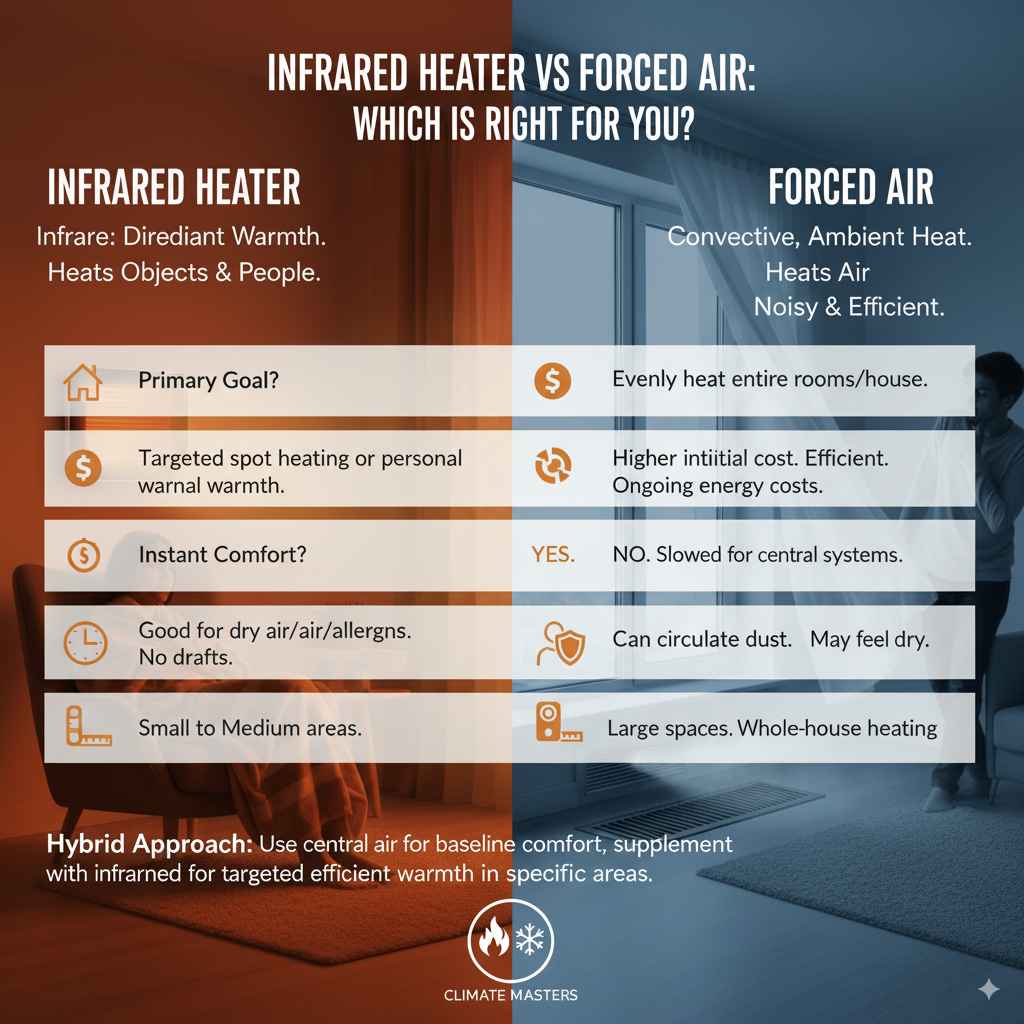
- What is your primary heating goal? Do you need to heat a whole house evenly, or just a specific area or person?
- What’s your budget? Consider both the initial purchase/installation cost and ongoing running costs.
- How important is instant comfort? Do you want to feel warm immediately, or are you okay with a slower, ambient warming process?
- Do you have existing ductwork? If so, a forced-air system might be easier to integrate.
- Are you sensitive to dry air or circulating dust? Infrared may be preferable.
- What’s the size of the space? Whole-house systems are for large areas; spot heaters are for targeted zones.
For many homes, especially larger ones, a central forced-air system provides the baseline comfort. However, supplementing this with infrared heaters for specific needs—like a chilly basement room, a drafty home office, or during transitional seasons when you don’t want to run the central heat—can offer a highly efficient and comfortable heating solution. This hybrid approach often provides the best of both worlds: the convenience of whole-house heating and the efficiency of targeted warmth.
Frequently Asked Questions (FAQ)
Q1: Can I use an infrared heater as my only heat source?
A: It depends on your climate and home insulation. For very cold climates or poorly insulated homes, an infrared heater alone might not be sufficient to heat an entire house comfortably. However, in milder climates or for well-insulated spaces, or if you only need to heat a small area, it can be an effective primary heat source.
Q2: Is infrared heat dangerous for pets?
A: No, infrared heat is generally safe for pets. They can enjoy basking in the warmth just like people. However, always ensure pets cannot touch the heating element directly, as some units can get very hot to the touch. Keep a safe distance between the heater and your pet’s fur.