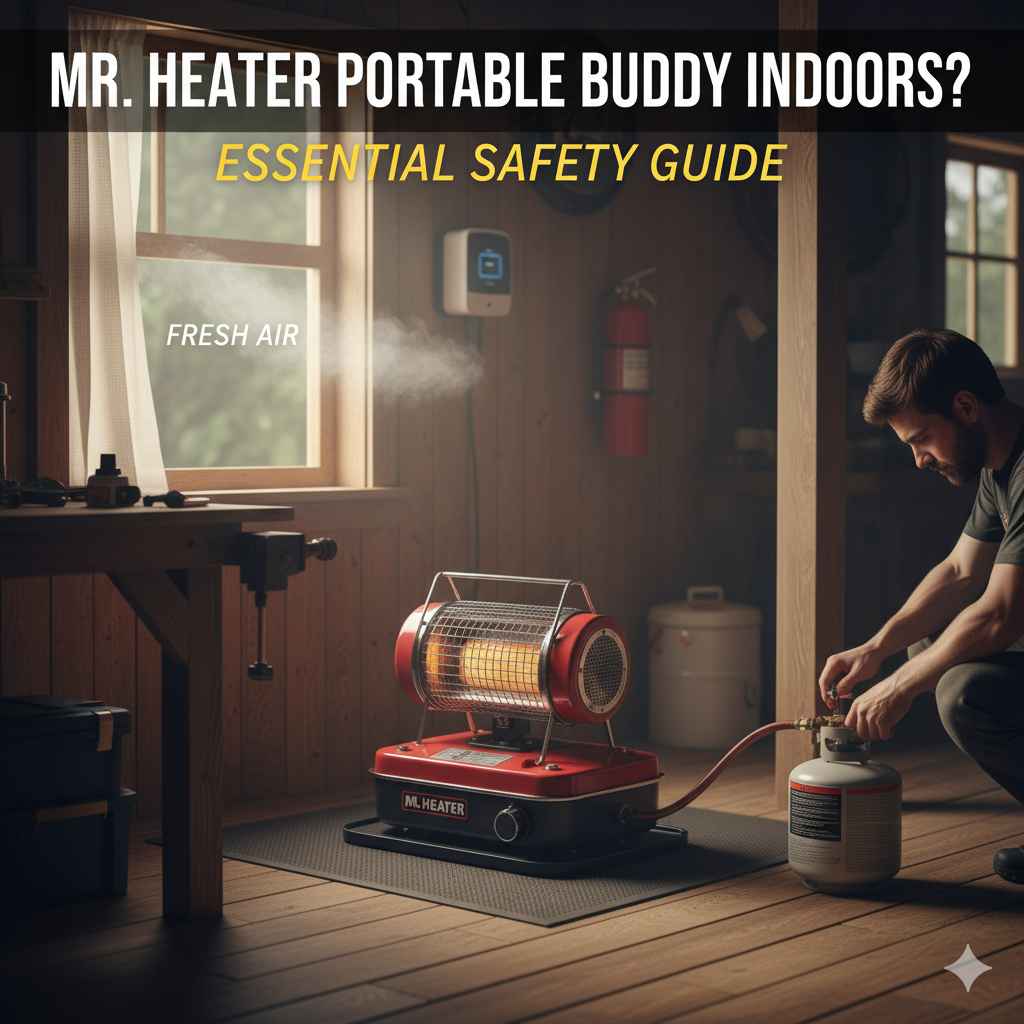
Can You Use Mr Heater Portable Buddy Indoors? Essential Safety
While the Mr. Heater Portable Buddy is designed for safe indoor use under specific conditions, it’s crucial to follow all safety guidelines. Always ensure proper ventilation, stay within its intended occupancy limits, and never leave it unattended. Understand its limitations to stay warm and safe.
Feeling that chill creep into your home? You’ve probably heard about portable propane heaters, and the Mr. Heater Portable Buddy is a popular choice for staying cozy. Many people wonder, “Can you use Mr Heater Portable Buddy indoors?” It’s a great question, and understanding the answer is key to staying warm and, most importantly, safe. The good news is that, yes, you can use it indoors, but there are very specific rules and safety measures you absolutely must follow. We’ll walk through everything you need to know, step-by-step, so you can feel confident and secure. Let’s get your space warm and safe!
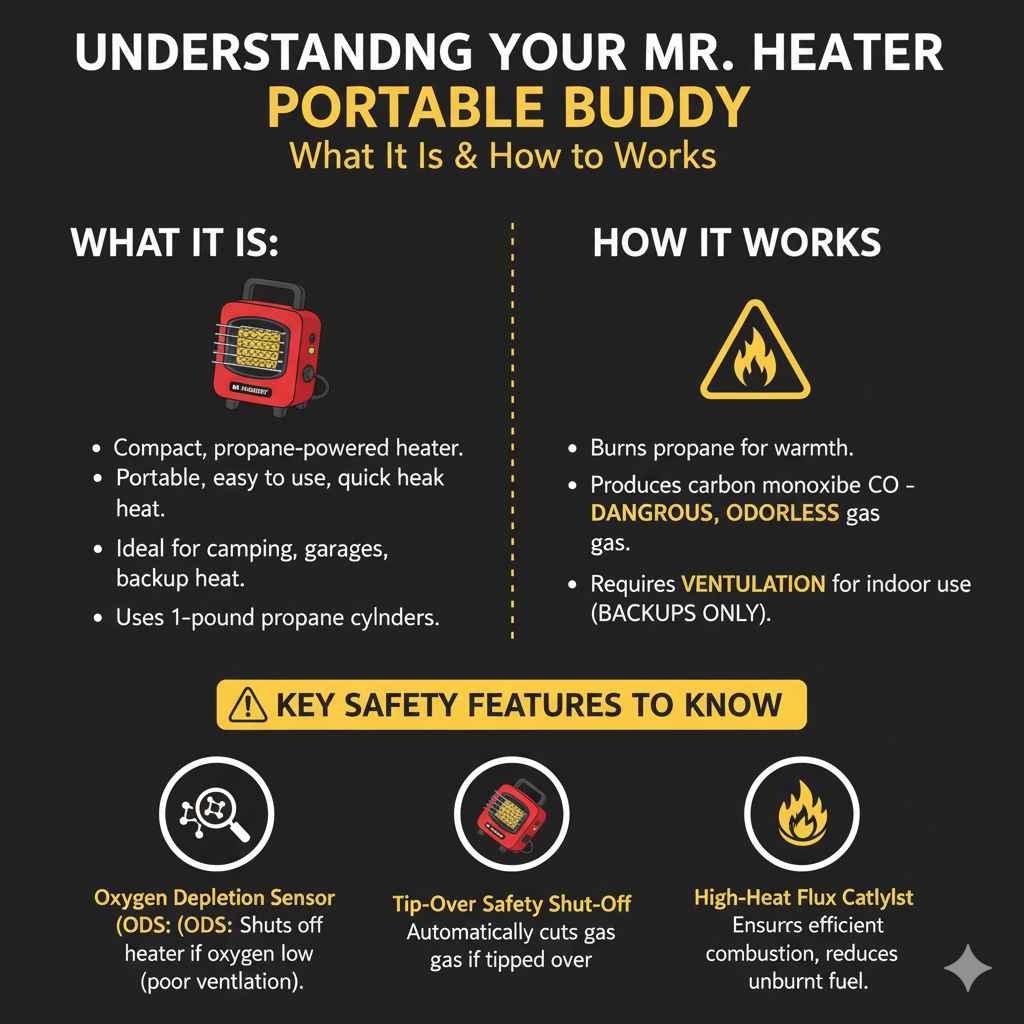
Understanding Your Mr. Heater Portable Buddy: What It Is and How It Works
The Mr. Heater Portable Buddy is a compact, propane-powered heater designed to bring warmth to enclosed spaces. It’s incredibly popular for camping, tailgating, garages, and even for backup heat during power outages. Its popularity stems from its portability, ease of use, and the quick heat it provides. Unlike large, permanent heating systems, it runs on a small, 1-pound propane cylinder, making it a self-contained unit.
This heater works by burning propane to generate heat. As it burns propane, it also produces byproducts, including carbon monoxide (CO), which is a dangerous, odorless, and colorless gas. This is why ventilation is the absolute most critical factor for indoor use. The heater has built-in safety features, like an oxygen depletion sensor (ODS) and a tip-over safety shut-off, but these are there as backup measures, not substitutes for proper usage.
Key Safety Features to Know
Before we talk about how to use it, let’s highlight its built-in safety features. These are designed to protect you, but they work best when you also do your part:
- Oxygen Depletion Sensor (ODS): This sensor monitors the oxygen levels in the air around the heater. If the oxygen level drops too low (indicating poor ventilation or dangerous CO buildup), the ODS will shut off the heater.
- Tip-Over Safety Shut-Off: If the heater is accidentally knocked over, this mechanism will automatically shut off the gas supply, preventing a potential fire hazard.
- High-Heat Flux Catalyst: This technology helps ensure efficient combustion, reducing the amount of unburnt fuel released into the air when the heater is operating correctly.
The Golden Rule: Ventilation is Non-Negotiable
This cannot be stressed enough: proper ventilation is essential every single time you use your Mr. Heater Portable Buddy indoors. Without adequate airflow, dangerous levels of carbon monoxide (CO) can build up quickly, posing a serious health risk, even a fatal one.
Think of it this way: combustion uses oxygen and produces exhaust. If you’re in an enclosed space with no fresh air coming in and no stale air going out, you’re essentially creating a closed system where harmful gases can accumulate. The Portable Buddy needs a constant supply of fresh air to operate safely and efficiently.
What Does “Adequate Ventilation” Mean in Practice?
For indoor use, “adequate ventilation” typically means opening a window or a door, even just a crack, to allow for fresh air exchange. The exact amount of ventilation needed can depend on several factors, including the size of the space, the heater’s output setting, and how long it’s running.
A good rule of thumb is to have at least one square inch of unobstructed opening for fresh air per 1,000 BTU/hr of heat input. For the Portable Buddy, which typically outputs between 4,000 and 9,000 BTU/hr, this means ensuring there’s a decent opening. Even a slightly open window or door can make a significant difference. For more detailed guidelines on ventilation specific to your model, always refer to the Mr. Heater product manual.
When is Indoor Use of the Mr. Heater Portable Buddy Recommended (and When is it Not)?
The Mr. Heater Portable Buddy is designed for supplemental heating in minimally occupied spaces and for limited durations. It is NOT a substitute for your home’s central heating system. Here’s a breakdown:
Recommended Indoor Scenarios:
- Garages and Workshops: Keeping your workspace comfortable during colder months.
- Damp Basements and Crawl Spaces: When properly ventilated, it can help dry out damp areas and provide temporary warmth.
- Enclosed Patios or Sunrooms: For short periods, to make these spaces more comfortable.
- Emergency Backup Heat: During short-term power outages, provided you can ensure continuous, adequate ventilation.
- Tents and Shelters (Designed for Propane Heaters): Many modern camping tents and shelters are designed with ventilation options suitable for small propane heaters. Always check the manufacturer’s recommendations for your tent.
When NOT to Use it Indoors:
- Never in Bedrooms or Sleeping Areas: The risk of CO buildup and oxygen depletion is too high when people are sleeping and less aware.
- Not as a Primary Heating Source: It’s not designed to heat an entire house or large living spaces continuously.
- Never in Unventilated Spaces: This includes small, sealed rooms, RVs without proper venting systems, or anywhere you cannot guarantee fresh air intake.
- Not for Extended Periods Without Monitoring: Long-term, unsupervised operation indoors is dangerous.
Step-by-Step Guide to Using Your Mr. Heater Portable Buddy Safely Indoors
Following these steps will help you stay warm and safe when using your Portable Buddy indoors:
Step 1: Choose a Safe Location
Place the heater on a stable, level surface away from flammable materials. Ensure it’s not in a high-traffic area where it could be easily knocked over. Keep it at least 1 foot away from walls, ceilings, and furniture.
Step 2: Ensure Adequate Ventilation
This is critical! Open a window or door nearby. Even a crack (a few inches) is better than nothing. If you are in a garage or workshop, ensure any automatic door openers are disabled to prevent them from opening unexpectedly, and that other vents are either open or checked for airflow.
Step 3: Connect the Propane Cylinder
Make sure the heater is turned OFF. Screw a 1-lb propane cylinder onto the regulator assembly until it is snug. Do not overtighten. Ensure the cylinder is upright.
Step 4: Ignite the Heater
Turn the gas control knob to the “Pilot” position. Push and hold down the pilot lighter button for up to 60 seconds, then quickly release it. You should hear and see the pilot light stay lit. If it doesn’t, wait a few minutes for any stray gas to dissipate and try again. Once the pilot is lit, turn the knob slowly to the “On” position. The main burner should ignite.
Step 5: Adjust Heat to Your Needs
The Portable Buddy typically has adjustable settings (e.g., low, medium, high, or a specific BTU output). Start with a lower setting and adjust as needed. Remember, even on lower settings, continuous ventilation is required.
Step 6: Monitor and Maintain Ventilation
Periodically check that your ventilation opening remains clear and that fresh air is flowing. You should not smell any gas or experience symptoms like headaches, dizziness, or nausea. If you do, turn off the heater immediately and ventilate the area thoroughly.
Step 7: Turn Off and Store Properly
When you are finished using the heater, turn the gas control knob to the “Off” position. Allow the heater to cool completely before handling. Unscrew the propane cylinder and store it in a cool, well-ventilated area, away from heat sources and open flames. Never store propane cylinders indoors, in living spaces, or near ignition sources.
Carbon Monoxide and the Importance of CO Detectors
Carbon monoxide (CO) is the silent killer that comes with burning fuel. Because you can’t see, smell, or taste it, it’s incredibly dangerous. Even at low levels, it can cause flu-like symptoms, confusion, and drowsiness. At higher levels, it can be fatal.
This is why installing and maintaining working carbon monoxide detectors is crucial for any home, especially when using fuel-burning appliances indoors. They are loud alarms that will alert you if CO levels become dangerous.
Choosing and Placing CO Detectors
- Power Source: Opt for battery-operated or plug-in models with battery backup.
- Location: Install them on every level of your home, outside sleeping areas, and near any fuel-burning appliances.
- Testing: Test your CO detectors monthly by pressing the test button.
- Lifespan: CO detectors have a lifespan (usually 5-10 years). Check the manufacture date and replace them before they expire.
According to the U.S. Consumer Product Safety Commission (CPSC), portable indoor-safe propane heaters should always be used with a working CO detector nearby. You can find more information on CO safety from reputable sources like the Centers for Disease Control and Prevention (CDC).
Other Essential Safety Considerations
Beyond ventilation and CO detectors, there are other important safety measures to keep in mind:
Don’t Use Indoors Unattended
Never leave a Mr. Heater Portable Buddy running unattended indoors. You need to be present to monitor ventilation, ensure the heater is stable, and respond if any safety features activate or if you suspect an issue.
Keep Away from Flammables
Propane is flammable. Ensure the heater is well away from curtains, paper, cleaning supplies, furniture, and any other combustible materials. This advice applies even when the heater is off but still warm.
Fueling Safety
Always use only the recommended 1-lb propane cylinders designed for the heater. Never attempt to refill these small cylinders yourself, as this is extremely dangerous. Ensure you are screwing the cylinder on correctly – not too loose, not too tight.
Never Use in a Leaking or Unsafe Environment
Do not operate the heater in an area where you suspect gas leaks from other sources, or in poorly maintained structures that could pose a fire risk themselves.
Children and Pets
Keep children and pets away from the heater. The surface can get very hot. Educate older children about the dangers and the importance of not touching the heater.
Mr. Heater Portable Buddy Indoor Use: BTU Output and Space Size
Understanding the heater’s British Thermal Units (BTU) output is key to determining if it’s suitable for your space and to correctly estimate ventilation needs. The Mr. Heater Portable Buddy typically offers two heat settings:
- Low Setting: Approximately 4,000 BTU/hr
- High Setting: Approximately 9,000 BTU/hr
The effectiveness of these BTU ratings depends on several factors:
- Space Size: A general guideline for portable heaters is 20 BTUs per square foot. So, for a 200 sq ft space, you’d need about 4,000 BTUs to heat it reasonably on a mild day. For colder days or less insulated spaces, you might need more.
- Insulation: A well-insulated room will retain heat better than a poorly insulated one.
- Outdoor Temperature: A heater will struggle more in very cold weather.
- Ceiling Height: Higher ceilings mean a larger volume of air to heat.
Here’s a table to give you a rough idea of what BTU output might be suitable for different indoor space sizes:
| Approximate Space Size (sq ft) | Recommended BTU Output (per hour) | Mr. Heater Portable Buddy Setting |
|---|---|---|
| 50 – 100 | 2,000 – 4,000 | Low Setting (4,000 BTU) |
| 100 – 225 | 4,000 – 9,000 | High Setting (9,000 BTU) or Low Setting for extended periods |
| 225 – 400 | 9,000 – 18,000 | Multiple heaters or a larger, stationary heater recommended. Portable Buddy may struggle or be insufficient. |
Remember, even when using the low setting, ventilation is still required for safety.
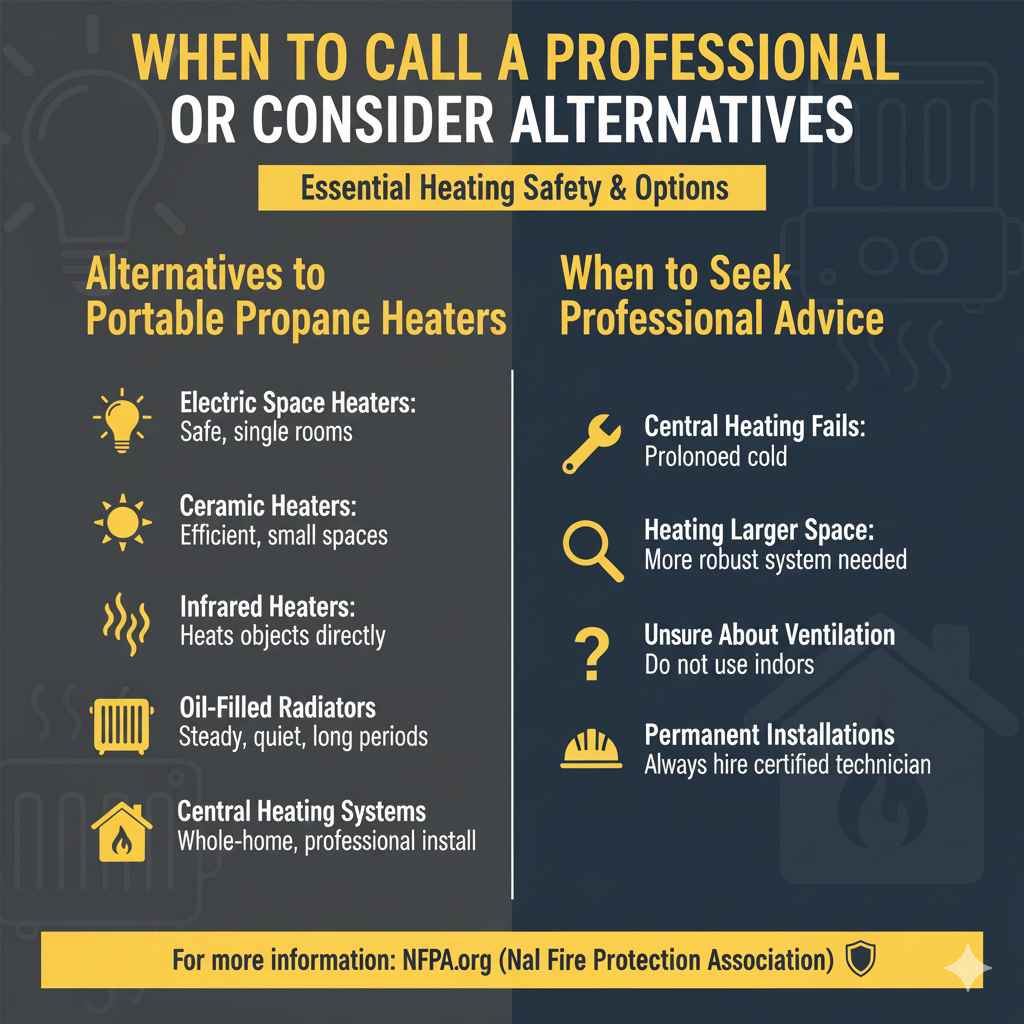
When to Call a Professional or Consider Alternatives
While the Mr. Heater Portable Buddy is a handy tool, it’s important to know its limitations and when it’s time to consider other options or professional help.
Alternatives to Portable Propane Heaters for Indoor Use
- Electric Space Heaters: These are generally safer for indoor use as they don’t produce carbon monoxide. They are good for heating single rooms or small areas, though they can increase your electricity bill depending on usage.
- Ceramic Heaters: Efficient for heating small spaces quickly.
- Infrared Heaters: They heat objects directly, rather than the air, providing targeted warmth.
- Oil-Filled Radiators: Provide steady, quiet heat and are good for longer heating periods.
- Central Heating Systems: Your home’s main furnace or boiler is designed for safe, continuous indoor heating. If yours isn’t working, call an HVAC professional.
- Propane or Natural Gas Wall Heaters (Permanent Installation): These units are designed for safe indoor use with proper ventilation systems (like direct vent models) and should be installed by a qualified technician.
When to Seek Professional Advice
- If Your Central Heating Fails: For prolonged periods without heat, especially in very cold weather, it’s best to address the root cause of your primary heating system’s failure with an HVAC professional.
- When You Need to Heat a Larger Space: Portable propane heaters are for supplemental or temporary use. For consistent heating of larger areas, a more robust system is necessary.
- If You Are Unsure About Ventilation: If you cannot guarantee adequate ventilation or are unsure about safely operating the heater, do not use it indoors. Consult safety resources or consider alternatives.
- For Permanent Installations: Never attempt to install a permanent propane or gas heater yourself. Always hire a certified technician.
For more information on safe heating practices and carbon monoxide prevention, the National Fire Protection Association (NFPA) is an excellent resource with comprehensive safety guidelines.
Frequently Asked Questions (FAQ)
Q1: Is the Mr. Heater Portable Buddy truly safe for indoor use?
Yes, the Mr. Heater Portable Buddy is designed for safe indoor use, but only when used according to all manufacturer instructions and safety guidelines. This includes ensuring adequate ventilation, never leaving it unattended, keeping it away from flammable materials, and using it in appropriate spaces. The built-in safety features are crucial but do not replace proper usage habits.
Q2: What is the most important safety rule when using this heater indoors?
The single most important safety rule is ensuring adequate ventilation. This means keeping a window or door at least partially open to allow for fresh air exchange. Without proper ventilation, dangerous levels of carbon monoxide can build up.
Q3: How much of a window or door should I open for ventilation?
A good rule of thumb is to open a window or door a few inches. For more precise guidance, consult your heater’s manual, but generally, you need enough airflow to prevent the buildup of combustion byproducts. For every 1,000 BTU/hr of heat output, you should aim for at least one square inch of unobstructed opening for fresh air.
Q4: Can I use the Mr. Heater Portable Buddy in a small, unventilated room like a bathroom?
No, absolutely not. Using the Mr. Heater Portable Buddy in a small, unventilated room is extremely dangerous due to the high risk of carbon monoxide poisoning and oxygen depletion. It should never be used in spaces without guaranteed fresh air intake.
Q5: How long can I safely run the Mr. Heater Portable Buddy indoors?
The Portable Buddy is intended for supplemental or temporary heating. While it can run for several hours on a 1-lb propane cylinder (depending on the setting), it should always be used under supervision. If you need heat for extended periods without constant monitoring, consider safer alternatives like electric heaters.