Electric Baseboard Heater Vs Space Heater: Essential Showdown
Electric baseboard heaters offer consistent, whole-room warmth and are permanently installed, whereas portable space heaters provide immediate, localized heat but require more monitoring. Choosing between an electric baseboard heater vs space heater depends on whether you need foundational, long-term comfort or quick, temporary spot heating.
Feeling that familiar chill creep into your home when the weather turns cold is never fun. Trying to figure out the best way to warm up different rooms can feel like a guessing game, especially when you see two common options: the sleek electric baseboard heater and the trusty portable space heater. It’s easy to feel confused about which one saves you more money, keeps you safer, or heats better. Don’t worry! I’m Tanim, and I’m here to break down the head-to-head battle between these two popular heaters. We’ll look at how they work, how much they cost, and which one is the perfect fit for your cozy home. Let’s get you warm and confident about your heating choice!
When shopping for added heating, homeowners often land on two strong contenders: the fixed-in-place electric baseboard heater and the versatile, easy-to-move space heater. While both use electricity to generate heat, their design, installation, longevity, and typical fuel costs are worlds apart. Understanding these core differences is the secret to choosing the right tool for the job.
Understanding the Contenders: What Are They?
Before we dive into the comparison, let’s clarify exactly what we are dealing with. Think of this as understanding your new heating buddies!
Electric Baseboard Heaters: The Silent Workhorse
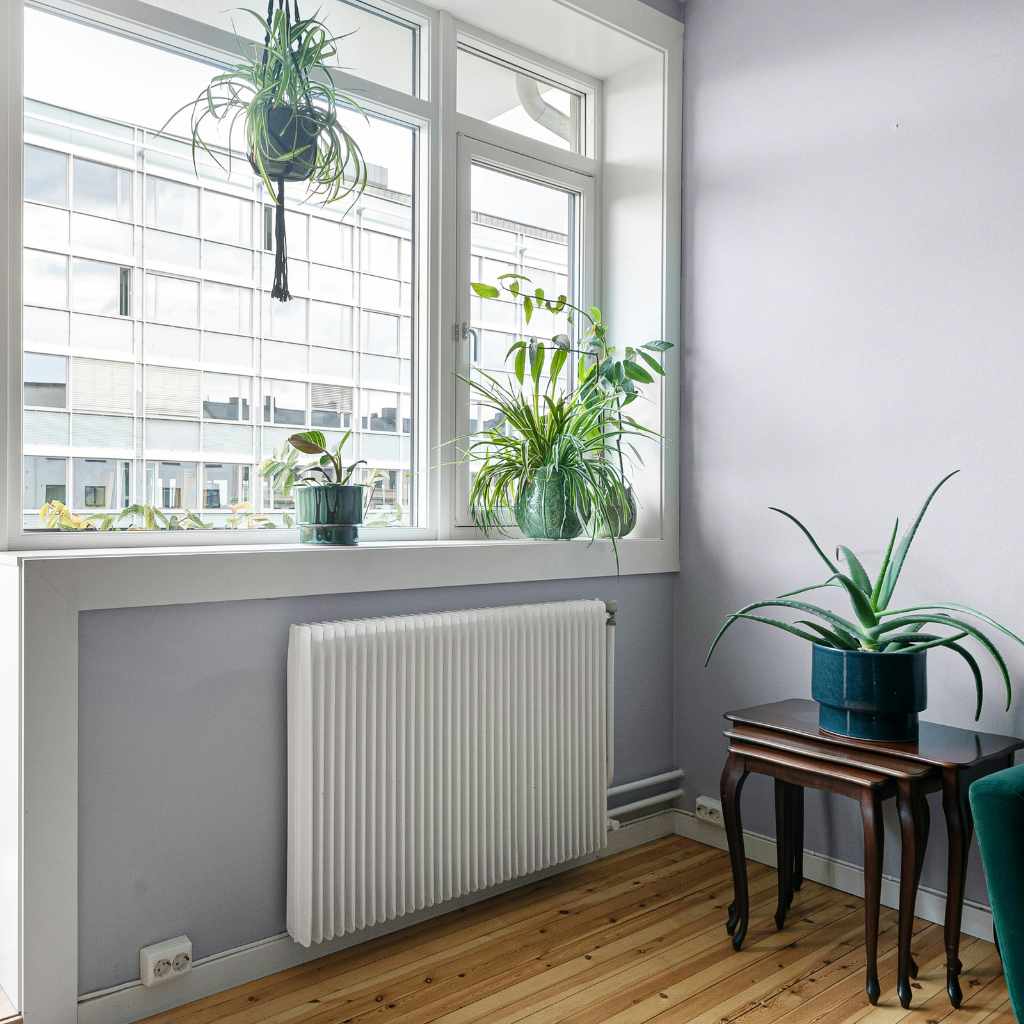
Electric baseboard heaters look just like the trim along the bottom of your wall, sitting right where a traditional radiator might be. They are almost always permanently wired into your home’s electrical system during construction or renovation.
How They Work: Convection Power
Baseboard heaters use convection heating. Cold air sinks and enters the unit near the floor. Inside, electric heating elements warm this air. As the air warms up, it becomes lighter and gently rises around the room. This process constantly circulates and warms the air in the space evenly. They heat the air, not objects directly.
Key Features:
- Permanent installation, usually wired directly into a wall thermostat.
- Provide consistent, quiet, background heat for an entire room.
- Often covered by safety grills to prevent accidental contact.
Portable Space Heaters: The Quick Fix
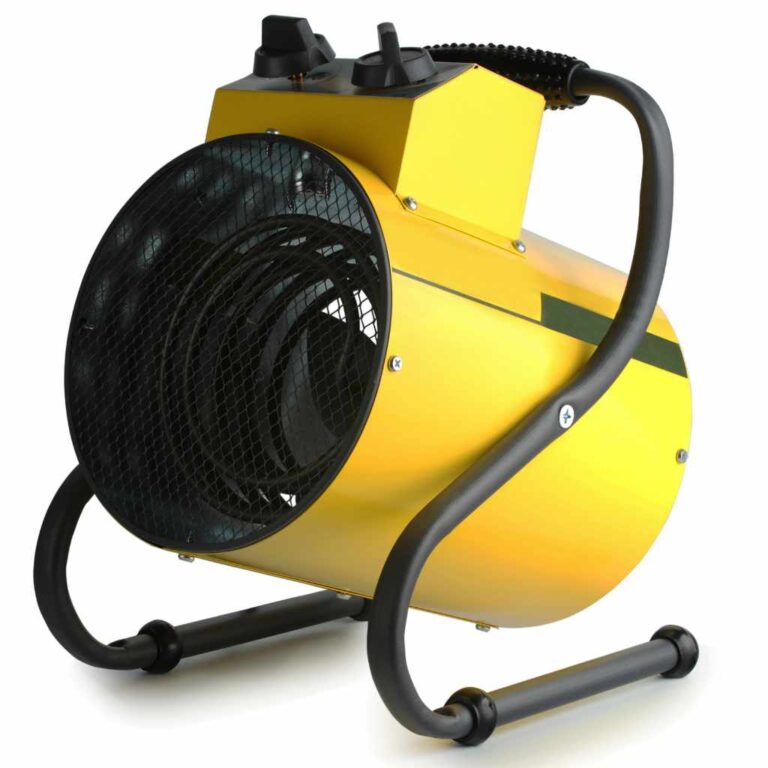
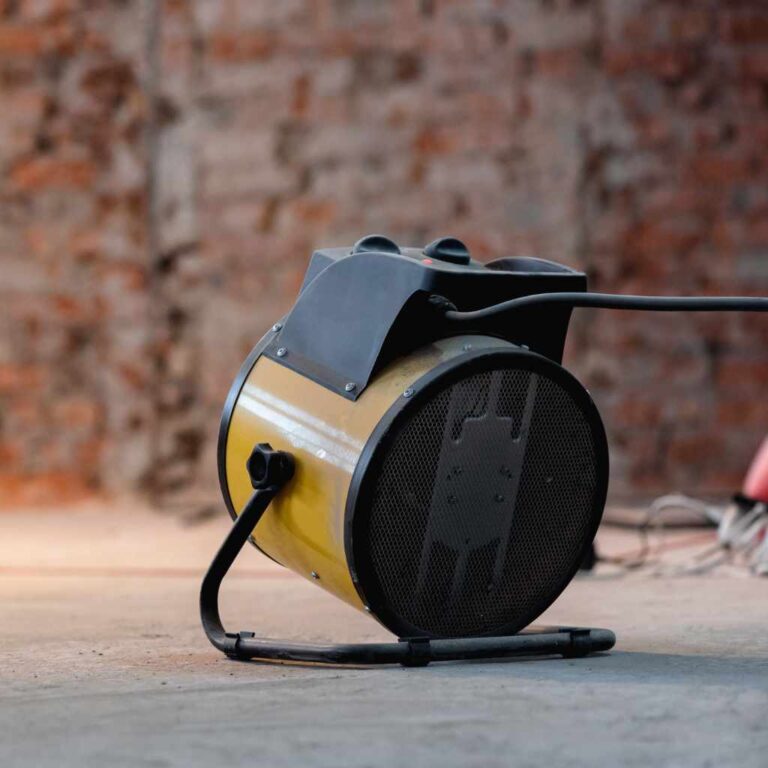
Space heaters are those compact, easy-to-carry units most often seen sitting on the floor next to a desk or couch. Variety is key here, as they come in oil-filled, ceramic, fan-forced, or radiant types.
How They Work: Direct Heat Delivery
Space heaters generally rely on immediate heat transfer. While some utilize a small fan (fan-forced ceramic heaters deliver instant heat into a small area), others, like radiant heaters, heat objects and people directly in their line of sight.
Key Features:
- Plug into a standard wall outlet—no electrician needed!
- Can be easily moved from room to room.
- Good for quick, intense heat boosts in small zones.
Electric Baseboard Heater Vs Space Heater: Head-to-Head Comparison
Now for the main event! We will compare these two systems on the factors that matter most to your comfort and wallet.
1. Installation and Portability
This is perhaps the clearest deciding factor between the two.
| Feature | Electric Baseboard Heater | Portable Space Heater |
|---|---|---|
| Setup Required | Permanent electrical wiring and mounting to the wall. Needs a professional for setup. | Plug-and-play. Can be set up in seconds. |
| Mobility | Zero mobility; fixed in one location. | Highly mobile; designed to be carried room to room. |
| Thermostat Control | Usually connected to a central wall thermostat for the entire unit/room. | Features a built-in, local control dial or digital setting. |
2. Heating Style and Effectiveness
How effectively they actually warm your space really depends on what you need the heat for.
Baseboard Heaters: Whole-House Comfort
Baseboard heaters excel at providing ambient heat. Because they heat the air slowly and evenly using convection, they create a background warmth that lasts long after the element shuts off (especially oil-filled models). This is ideal for primary heating in an office, bedroom, or basement area.
Space Heaters: Spot Heating King
Space heaters are masters of zone heating. If you only use your garage workshop for two hours on a Saturday morning or need temporary warmth while remote working in the living room, a space heater is faster. It focuses its power directly where you need it now.
Pro Tip: It’s important to remember that running multiple space heaters constantly across a house is usually less efficient than using a properly sized primary heating system supported by supplemental baseboard units. Always check the Energy Star guidelines for efficiency ratings before buying any portable unit.
3. Safety and Design
Safety is paramount. While both technologies are safe when used correctly, their fixed nature gives baseboards a slight edge in overall day-to-day accident prevention.
Baseboard Safety
Since they are mounted high enough and often have integrated covers, the chance of accidentally touching the hot elements is drastically reduced. Furthermore, because they are hardwired, you eliminate the tripping/fire hazard of extension cords.
Space Heater Safety Concerns
Space heaters carry inherent risks if misused or placed too close to flammable materials. Modern units include essential tip-over shutoffs and overheat protection, but constant vigilance is necessary.
Ensure any portable heater you buy meets current safety standards. According to the U.S. Consumer Product Safety Commission (CPSC), portable heaters are a leading cause of home heating fires, stressing the need for the “three-foot rule”—keep them at least three feet away from anything that burns.
4. Cost Analysis: Installation vs. Operation
The financial picture looks very different for these two appliances.
Installation Costs
Baseboard Heaters: These require an upfront investment in the unit itself PLUS professional electrician costs to install the wiring and thermostat connection. This can cost several hundred dollars per unit installed.
Space Heaters: Installation cost is essentially zero. You pay for the appliance and take it home.
Operating Costs and Energy Use
This is tricky because the cost relies heavily on how you use them and your local electricity rates.
When comparing wattage (the power draw), most common high-output units operate around or near 1500 watts. Therefore, running a 1500W baseboard heater for an hour costs the same as running a 1500W space heater for an hour.
However, effectiveness changes the running cost:
- If you are heating a small bedroom for eight hours straight, the baseboard heater might be more efficient because its slow, steady heat minimizes temperature swings, letting the thermostat cycle less aggressively.
- If you only need two hours of intense heat in a large, open living room, the space heater wins because you are not heating the whole room or house inefficiently.
As a general rule, consistently using baseboard heaters as primary supplemental heat can sometimes offer better control over long periods, but for short bursts, space heaters save energy by only warming the occupied area.
Pros and Cons Breakdown
To make the decision crystal clear, let’s organize the advantages and disadvantages of each heater type.
Electric Baseboard Heaters: The Good and The Drawbacks
Pros:
- Quiet Operation: Nearly silent, perfect for bedrooms or offices.
- Even Heat Distribution: Convection warms the entire air volume effectively.
- Set and Forget: Wall thermostat maintains a precise temperature automatically.
- Safety (Fixed): Out of reach of small children or pets; no cords to trip over.
Cons:
- High Initial Cost: Requires professional installation fees.
- Not Portable: Stuck in one spot forever.
- Slower Response Time: Takes longer to adjust temperature once the thermostat clicks off.
- Heating Potential: Cannot provide instant “blast” heat like a fan-forced model.
Portable Space Heaters: The Good and The Drawbacks
Pros:
- Immediate Heat: Many types deliver warmth instantly upon turning on.
- Zero Installation: Completely portable and plug-and-play.
- Affordable Initial Purchase: Very low entry price point.
- Targeted Warmth: Excellent for supplemental heat exactly where you are sitting.
Cons:
- Safety Risk: Must be constantly monitored near combustibles; tip-over risk.
Noise: Fan-forced models can be loud.
- Safety Hazard (Cords): Electrical cords present tripping hazards or wear-and-tear issues.
- Uneven Heating: Can create hot spots near the unit and cold spots farther away.
Which Heater Wins for Specific Scenarios?
The “best” heater isn’t universal; it depends entirely on your heating mission. Here is a quick guide based on common homeowner needs.
Scenario 1: Heating a Drafty Basement Apartment
If you need to maintain a consistent, pleasant temperature in a semi-permanent space like a basement rec room that doesn’t have adequate central heat, the Electric Baseboard Heater is the clear winner. Its ability to provide steady, silent, predictable heat, tied into a dedicated thermostat, makes it feel like part of the home’s infrastructure.
Scenario 2: Warming Up a Home Office During the Day
If your main furnace vents are far away from your desk, you only need warmth for 8 hours, and you want to keep the main thermostat lower to save money, grab a Portable Space Heater (preferably a quiet, oil-filled radiant or ceramic type). You heat your immediate zone easily and then unplug it when you leave.
Scenario 3: Temporary Cold Spots (e.g., during furnace repair)
If your entire house is unexpectedly cold due to a broken central furnace, a few high-powered Portable Space Heaters can keep essential rooms livable while maintenance is performed. They offer emergency, rapid deployment warmth.
Scenario 4: Safety Around Toddlers or Pets
For maximum protection, the Electric Baseboard Heater is superior because it is completely out of reach once installed securely low on the wall.
How to Install and Use Each Heater Safely (Beginner Focus)
Since safety and proper usage define long-term satisfaction, here are the simplified steps, focusing heavily on safe practices specific to each unit.
Installing an Electric Baseboard Heater (When You Decide to Go Permanent)
As Tanim, I strongly advise that this is an electrician’s job. However, understanding the process builds confidence:
- Safety First: Turn off the power to the circuit at the main breaker box. Double-check that the wires are dead using a voltage tester.
- Mount the Bracket: Secure the mounting bracket to the wall studs, usually following the path of the existing baseboard.
- Wire the Unit: Connect the unit’s terminal block wires (usually black, white, and ground) to the corresponding supply wires coming from the wall.
- Install the Thermostat: Mount the separate high-voltage thermostat nearby, usually requiring careful low-voltage wiring connection to the heater line.
- Test: Turn the power back on and test the flow of heat, ensuring the temperature setting works correctly.
Reminder: Improper wiring is a serious fire hazard. Hiring a professional ensures compliance with local building codes, like those referenced by organizations such as the National Renewable Energy Laboratory (NREL) regarding safe electrical loads.
Using a Portable Space Heater (The Quick Setup Guide)
Setting up a space heater takes minutes, but maximizing safety requires a few rigid rules:
- Find a Hard Surface: Never place a space heater on carpet, rugs, bedding, or furniture. Use a hard, level floor.
- Clear the Burn Zone: Observe the mandatory 3-foot (one-meter) perimeter. Remove all curtains, paper, blankets, and furniture from this radius.
- Avoid DIY Extensions: Plug the heater directly into a wall outlet. Never use an extension cord or power strip; they cannot safely handle the continuous high amperage draw of a 1500W heater.
- Check the Features: Before buying, confirm it has an automatic tip-over switch and overheat protection.
- Monitor While Running: Never leave a space heater running when you leave the room or go to sleep.

Making the Final Decision: Balance and Budget
The choice between an electric baseboard heater vs space heater boils down to Permanence vs. Flexibility. If you own your home and know a specific room will always be cold and needs reliable, quiet comfort—invest in the baseboard. If you rent, move frequently, or only need heat occasionally for a very small zone—the space heater is your champion.
Frequently Asked Questions (FAQ)
Q1: Which electric heater type costs more to run per hour?
Neither inherently costs more, as most high-output models draw similar wattage (around 1500W). The cost difference lies in efficiency: Baseboards provide even, ambient heat, while space heaters provide immediate, localized heat, meaning you might use the space heater for fewer hours overall.
Q2: Can I use an electric baseboard heater in a bathroom?
Yes, but you must use a model specifically rated for damp or wet locations (usually mounted high on the wall or rated for floor heat) and connected through a GFCI-protected circuit for safety, as required by electrical codes.
Q3: Are there any heaters that are better than both a baseboard and a space heater?
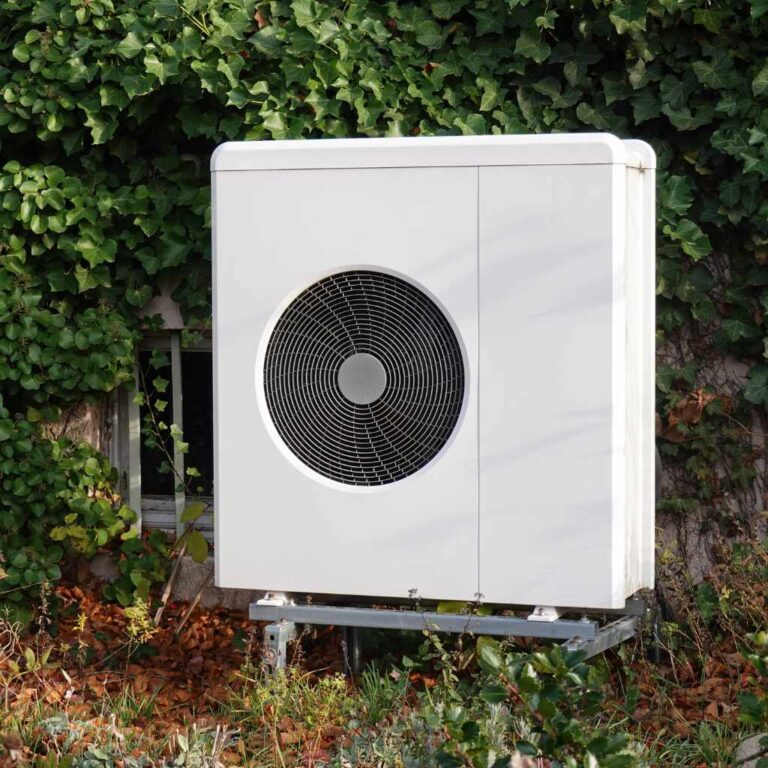
Yes. Ductless mini-splits are significantly more energy-efficient than resistive electric heating (both baseboards and space heaters) because they move heat rather than create it. However, mini-splits have a much higher installation cost than either option.
Q4: How do I stop my baseboard heater from drying out the air?
Baseboard heaters don’t dry the air significantly more than other electric heaters. For added comfort, you can place a small, shallow pan of water on top of the unit (ensure it won’t tip) or use a separate, small room humidifier nearby.
Q5: Which type of space heater is the quietest?
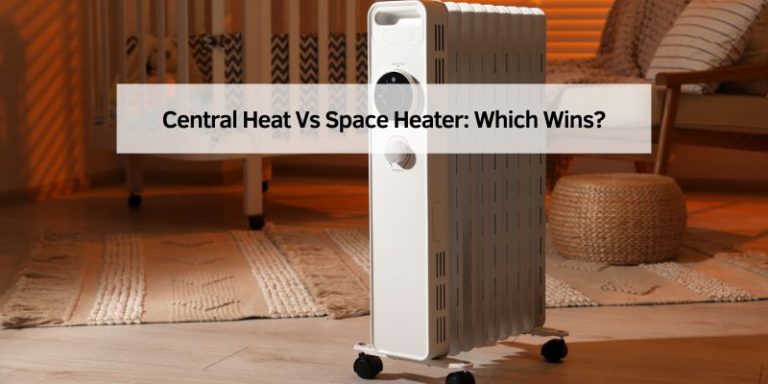
Oil-filled radiator space heaters are generally the quietest because they rely on thermal radiation and slow convection without a fan. Ceramic fan heaters are usually the loudest due to the built-in fan mechanism.
Q6: Can a portable space heater safely replace a central heating system?
No. Most standard portable heaters are rated at 1500 watts, which is perfect for a 150 to 200 square foot room. Attempting to heat an entire small home continuously with many space heaters puts a massive, unsafe strain on standard residential outlets and wiring.
Enjoying Your Warmth: Conclusion
Deciding between an electric baseboard heater vs space heater moves you from being overwhelmed to being empowered. You now know that the permanent, silent, and steady warmth of the baseboard is ideal for rooms needing regular ambient heat, while the plug-and-play, instant boost of the space heater is perfect for temporary spot warming. Regardless of your final choice, remember my emphasis on safety—check those cords, maintain the 3-foot rule, and if you are wiring anything new, call in an expert. With this knowledge, you can select the right tool to transform those chilly rooms into perfectly cozy havens all season long. Happy heating!