

When it comes to keeping your swimming pool at the perfect temperature, choosing the right heater can make all the difference. You’re probably wondering whether an electric or gas swimming pool heater suits your needs best.
This decision not only impacts your comfort but also affects your energy bills and environmental footprint. In this guide, we’ll dive into the world of pool heaters, breaking down the pros and cons of both electric and gas options. By the end, you’ll have a clear picture of which heater aligns with your lifestyle and budget.
Get ready to transform your swimming experience, ensuring it’s as enjoyable as possible, all year round.
Energy Efficiency
Electric heatersuse less energy. They often have a higher efficiency. This means they can heat the pool using less power. Gas heaterscan heat pools quickly. But they use more energy. This is because they burn fuel to create heat. Electric heaterscan save energy but may heat slower. Choosing the right heater depends on your needs. If you use the pool often, consider energy use. This can save money in the long run.
Electric heatersusually mean lower bills. They use less power over time. Gas heatersmight lead to higher bills. They use more fuel when heating. The type of fuel affects costs too. Natural gas might be cheaper than propane. Check local prices to decide. Think about how often you heat the pool. This will impact your utility bills.

Credit: www.poolheatpumps.com
Cost Analysis
Electric heaters often have a lower purchase price. They are easier to install. Gas heaters may require more money upfront. Installation can be complex. Electric heaters usually cost less than $1000. Gas heaters can reach $2500 or more. Check your budget before deciding.
Electric heaters need less upkeep. They have fewer moving parts. Gas heaters may need regular checks. This can increase costs over time. Electric heaters last longer without repairs. Gas heaters might need more frequent attention. Consider these ongoing expenses.
Environmental Impact
Electric pool heaters have a smaller carbon footprintthan gas heaters. They use electricity, which can be from clean sources. Gas heaters burn fuel, releasing harmful gasesinto the air. This makes them less friendly to the environment. Choosing electric heaters helps keep the air cleaner. It is a better choice for the planet.
Electric heaters last longer than gas ones. They need less maintenance, making them more sustainable. Gas heaters may need repairs often. This can lead to more waste. Electric heaters often use renewable energy. This makes them a better choice for the future. Choosing electric is better for people and nature.

Credit: willshapools.com
Performance And Reliability
Electric heaterswarm the pool slowly. They use electricity to heat. Good for small pools and spas. Gas heatersare much faster. They burn fuel, like propane or natural gas. Ideal for larger pools needing quick warmth. Fast heating is key for sudden weather changes. Choose based on pool size and time needed to heat.
Electric heaters work best in warm climates. They rely on air temperature. Work all year in warm places. Gas heatersare better in cold areas. They perform well even when it’s chilly. They don’t rely on the sun or air. Important for pools in cooler regions. Select based on your local climate needs.
Installation And Space Requirements
Electric pool heaters are compact. They fit in small spaces. A small corner is enough. Gas heaters need more space. They have large gas tanks. Keep them in a well-ventilated area. This keeps them safe. Measure your space before buying. Choose a heater that fits well.
Electric heaters are easy to install. Plug them into a power source. They start working quickly. Gas heaters are more complex. Connect them to gas lines. This needs professional help. They require more time and effort. Plan your installation carefully. Know what each type needs.
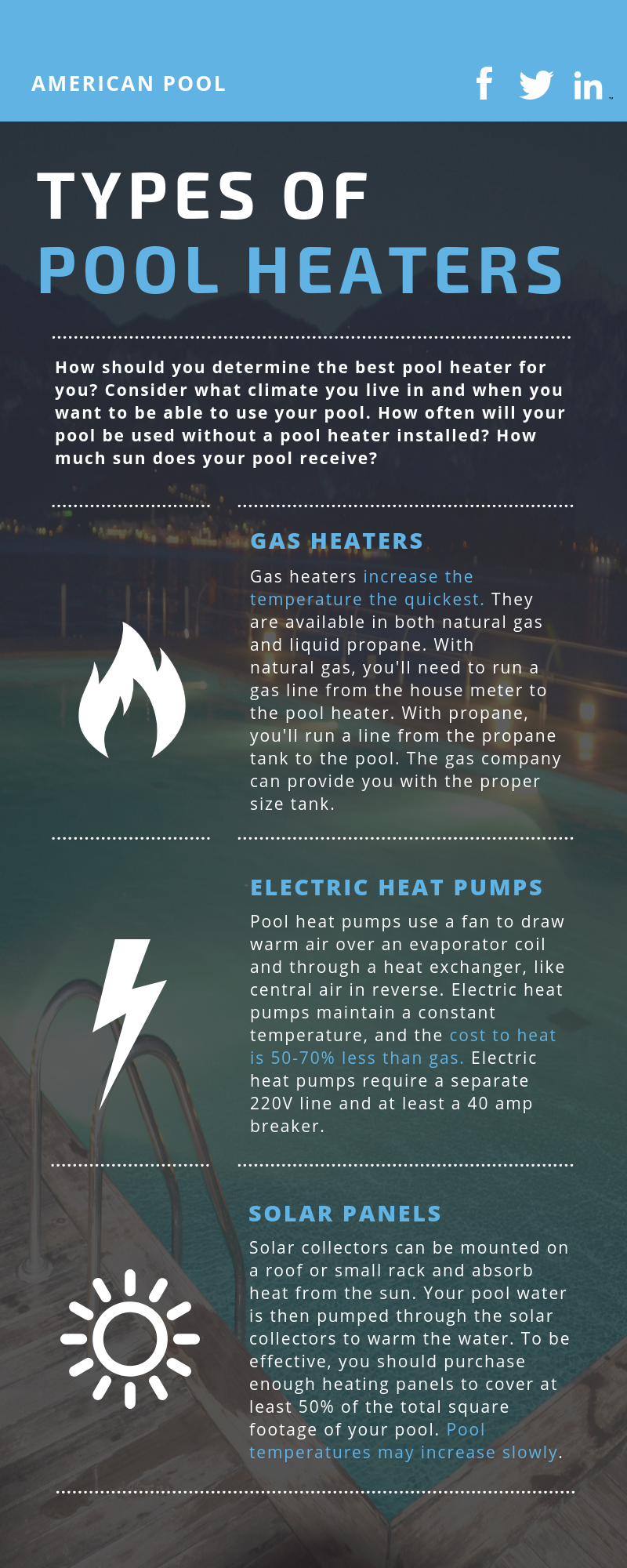
Credit: americanpool.com
User Experience
Electric pool heaters are very easy to use. You just plug them in and set the temperature. They have simple controls. People find them very convenient. Gas heaters need more steps. You must check the gas supply and ignite the heater. This can be tricky for some users. But many still like them for their quick heating.
Electric heaters are quieter than gas heaters. Users appreciate the peace and quiet. Many are happy with the electric option. Gas heaters heat pools fast. Customers love quick results. Some users prefer this speed over quiet operation. Both options have fans. Each has its own set of satisfied users.
Safety Concerns
Electric pool heaters might cause electric shocks if not installed right. Water and electricity do not mix well. Gas heaters can leak toxic gases like carbon monoxide. This gas is very dangerous. Always check for leaks. Both heaters can get very hot. Touching them can burn skin. Keep children away from them.
Electric heaters have automatic shut-off features. This helps prevent overheating. Gas heaters have safety valves. These valves stop gas leaks. Many heaters have safety covers. These covers keep people from touching hot parts. Thermostat controls help keep water at safe temperatures. Regular maintenance is key. It keeps the heater working safely. Always follow the safety instructions in the manual.
Market Trends
Electric pool heaters are gaining popularity. People like them for their energy efficiency. They work well in warm climates. Gas heaters are also popular. They heat water fast. This is good for large pools. Both types have their fans. But the choice depends on climate and pool size. Some people prefer gas for its speed. Others choose electric for its eco-friendliness.
New technologies are making heaters better. Electric heaters are now more energy-efficient. They use less power and save money. Gas heaters have become more environmentally friendly. They produce less emissions. Companies are working on smart features. These features allow remote control via apps. Both electric and gas heaters are improving. This is good news for pool owners.
Frequently Asked Questions
Which Is More Energy Efficient, Electric Or Gas Heaters?
Electric heaters are generally more energy efficient for pools. They use less energy to maintain temperature. However, they may take longer to heat the pool compared to gas heaters. Gas heaters can heat pools quickly, but they consume more energy.
The choice depends on your specific needs and budget.
Are Electric Pool Heaters Cheaper To Maintain?
Electric pool heaters typically require less maintenance than gas heaters. They have fewer moving parts, reducing the risk of breakdowns. This means lower maintenance costs over time. However, initial purchase costs can be higher. Evaluate long-term savings and maintenance ease when considering electric heaters for your pool.
How Do Gas Heaters Perform In Cold Weather?
Gas heaters perform exceptionally well in cold weather conditions. They can quickly raise the pool temperature, regardless of external temperatures. Electric heaters might struggle in colder climates, taking longer to heat the pool. For quick heating in cold weather, gas heaters are often the preferred choice.
Do Gas Heaters Heat Pools Faster?
Yes, gas heaters heat pools faster than electric heaters. They rapidly increase water temperature, ideal for quick use. Electric heaters take longer to reach desired temperatures. Speed of heating can be crucial for urgent pool use. Consider gas heaters for fast heating needs and instant pool enjoyment.
Conclusion
Choosing the right pool heater matters. Electric heaters offer clean energy. They are easy to maintain. Good for small pools too. Gas heaters heat quickly. Ideal for large pools. They work in cold weather. Consider your budget and pool size.
Think about energy efficiency. Consider long-term costs. Your choice impacts your swim season. Make a decision that suits your needs. Enjoy warm swims all year round. Happy swimming!
Last Updated on August 6, 2025 by Tanim