Why Ceramic vs Convection Space Heaters Matter
Last winter, I shivered in my chilly home office until I grabbed a space heater. What a game-changer! Choosing between ceramic vs convection space heaters can feel tricky, but it’s a piece of cake once you know the basics. This guide explains what these heaters are, compares them, and shares easy tips to pick the right one. Whether you’re warming a tiny bedroom or a big living room, I’ve got you covered with simple advice and fun examples from my own cozy experiments.
What Are Ceramic and Convection Space Heaters?
Space heaters are small devices that warm up a room. They’re perfect when your home’s heat isn’t enough. Let’s break down ceramic vs convection space heaters so you can choose wisely.
Ceramic Heaters: Quick and Cozy
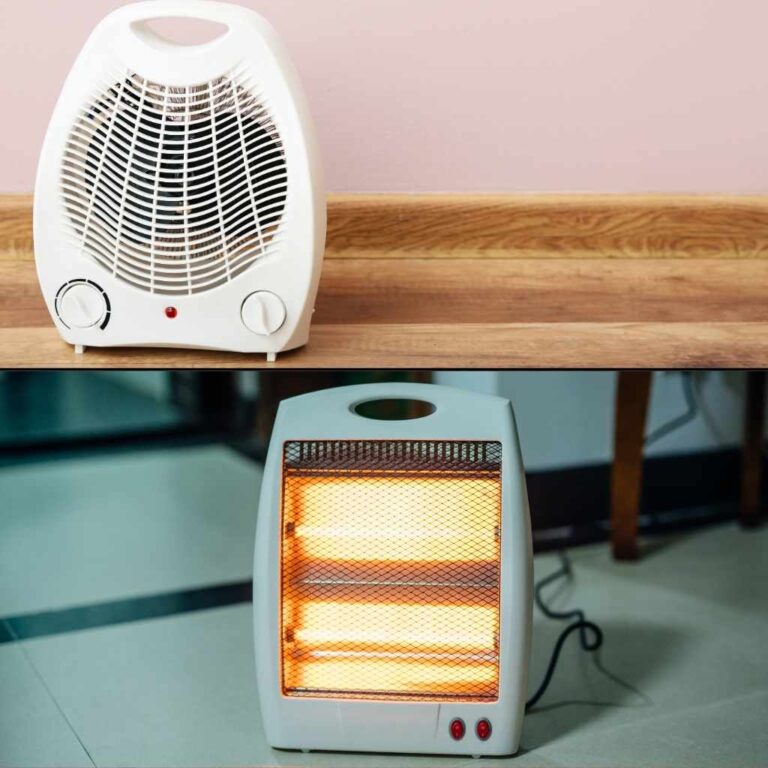
Ceramic heaters use electricity to heat ceramic plates. These plates get hot fast and send warmth into the room. Some have fans to spread heat quicker, while others rely on natural air flow. I used a ceramic heater in my small office, and it warmed my desk in minutes!
Convection Heaters: Even and Steady
Convection heaters warm the air itself. They pull in cool air, heat it, and let it rise to fill the room. Many use fans, but some work quietly without them. My friend uses a convection heater in her big living room, and it keeps everyone toasty.
How Do They Work?
Both heaters turn electricity into heat, but they do it differently. Here’s the scoop.
Ceramic Heaters in Action
Electricity flows through metal coils wrapped around ceramic plates. The plates heat up and release warmth. Fans, if included, push this heat out fast. It’s like a warm hug for small spaces! They’re great for quick heating but may not warm big rooms evenly.
Convection Heaters in Action
Convection heaters heat air over a hot element, like metal coils or oil-filled fins. The warm air rises, and cool air moves in to replace it. This creates a steady flow of warmth. It’s perfect for big rooms but takes longer to feel cozy.

Comparing Ceramic vs Convection Space Heaters
Let’s look at how these heaters stack up. I’ve made a table to keep it simple.
| Feature | Ceramic Heaters | Convection Heaters |
|---|---|---|
| Speed | Heats small areas fast | Heats large areas slowly |
| Room Size | Best for small rooms (e.g., 150 sq ft) | Great for big rooms (e.g., 300 sq ft) |
| Noise | Fan models can be noisy | Often quieter, especially without fans |
| Cost | $20-$60 | $30-$100 |
| Safety | Cool casings, tip-over protection | Hot surfaces, but many have safety features |
Table 1: Comparing Ceramic vs Convection Space Heaters for Home Use
This table shows key differences. Ceramic heaters are quick for small spaces, while convection heaters shine in larger areas.
Benefits and Drawbacks
Each heater has pros and cons. Here’s what I’ve learned from using both.
Ceramic Heaters: Pros and Cons
- Pros: Fast heating, energy-efficient for small spaces, often portable, and safe with cool casings.
- Cons: Noisy with fans, less effective in big rooms, and heat stops quickly when turned off.
I love my ceramic heater for my bedroom, but it struggles in my open-plan kitchen.
Convection Heaters: Pros and Cons
- Pros: Even heat for large rooms, quieter without fans, and long-lasting warmth.
- Cons: Slower to heat up, bulkier, and may use more energy over time.
My convection heater is a champ in my living room, but it’s not as portable as I’d like.
Choosing the Right Heater: A Simple Guide
Picking a heater depends on your needs. Here’s a step-by-step guide to make it easy.
- Check Room Size: Measure your room’s square footage. Small rooms (under 200 sq ft) suit ceramic heaters. Bigger spaces (over 200 sq ft) need convection heaters.
- Think About Noise: If you want quiet, choose a fan-less convection heater. For quick heat, a ceramic fan heater is fine.
- Set a Budget: Ceramic heaters are often cheaper ($20-$60). Convection heaters cost $30-$100 but last longer.
- Prioritize Safety: Look for tip-over protection and overheat shutoff. Both types often have these features.
- Test It Out: Start with a low setting to see how it performs. My first ceramic heater was a noisy flop until I found one with a quiet fan!
Practical Examples: Heating Your Space
Let’s see how these heaters work in real life. Here are two scenarios.
Warming a Small Bedroom
I used a ceramic heater in my 150 sq ft bedroom. I picked a Lasko model with a fan ($35 at Walmart). It warmed my bed area in 10 minutes. I set it on low (700 watts) to save energy. It’s perfect for cozy nights but gets loud on high.
Heating a Big Living Room
My friend’s 300 sq ft living room needed a convection heater. She chose a DeLonghi oil-filled model ($80 at Home Depot). It took 20 minutes to warm the whole room but kept it cozy for hours. It’s quiet and great for movie nights.
Cost-Saving Tips and Common Mistakes
Here are some tips to save money and avoid oops moments.
- Use a Thermostat: Pick a heater with a thermostat to avoid wasting energy. It turns off when the room’s warm enough.
- Place It Smartly: Put ceramic heaters near you for quick warmth. Place convection heaters centrally for even heat.
- Avoid Overloading Outlets: Don’t plug your heater into a power strip. It can overheat. Use a wall outlet instead.
- Common Mistake: Buying a ceramic heater for a big room. It won’t heat evenly, and you’ll waste energy.
- Cost-Saver: Run heaters on low settings (700-1000 watts) for small spaces to cut electricity bills.
Safety First: My Top Tips
Space heaters can be safe if used right. Here’s what I do to stay worry-free.
- Keep It Clear: Leave 3 feet of space around the heater. No blankets or curtains nearby!
- Check the Cord: Make sure the cord isn’t frayed. I check mine monthly.
- Use Safety Features: Pick models with tip-over and overheat protection. My ceramic heater shuts off if it tips—phew!
- Never Leave It On: Turn off heaters when you leave the room. I learned this after forgetting once—scary!
Energy Efficiency Comparison
Both heaters are 100% efficient at turning electricity into heat, but how they spread heat matters. Ceramic heaters save energy in small spaces by heating quickly. Convection heaters use more energy for big rooms but maintain steady warmth. Here’s a cost table based on my experience.
| Heater Type | Watts Used | Cost per Hour (12¢/kWh) | Best for |
|---|---|---|---|
| Ceramic (Low) | 700W | 8.4¢ | Small rooms |
| Ceramic (High) | 1500W | 18¢ | Quick heating |
| Convection (Low) | 750W | 9¢ | Medium rooms |
| Convection (High) | 1500W | 18¢ | Large rooms |
Table 2: Energy Costs for Ceramic vs Convection Space Heaters
This table shows costs based on average U.S. electricity rates from Energy.gov. Ceramic heaters are cheaper for quick bursts; convection heaters suit longer use.
Visual Ideas for Better Understanding
I’d love to include these visuals, but you’ll have to imagine them!
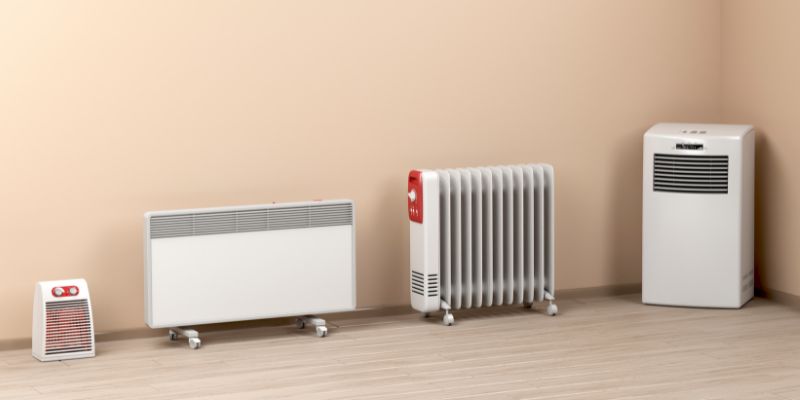
- Room Size Chart: A simple diagram showing which heater works best for different room sizes (e.g., 150 sq ft vs 300 sq ft).
- Heater Placement Guide: A sketch of a room with arrows showing where to place ceramic vs convection heaters.
- Safety Zone Map: A drawing of a heater with a 3-foot clear zone to show safe placement.
Alternative Heating Options
If neither heater fits, try these:
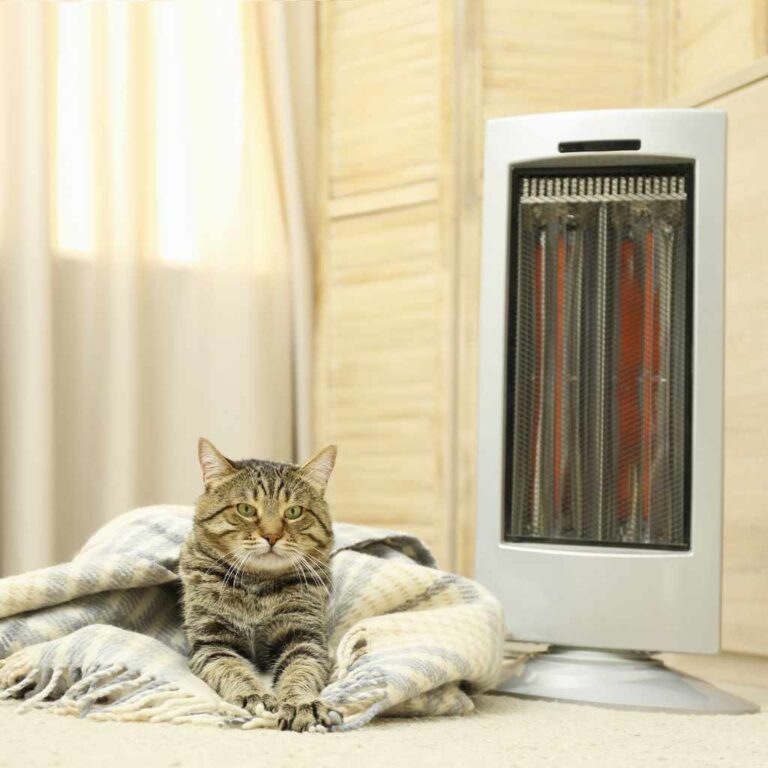
- Infrared Heaters: Great for direct warmth, like sitting by a campfire. They’re pricier ($50-$150) but efficient for spot heating.
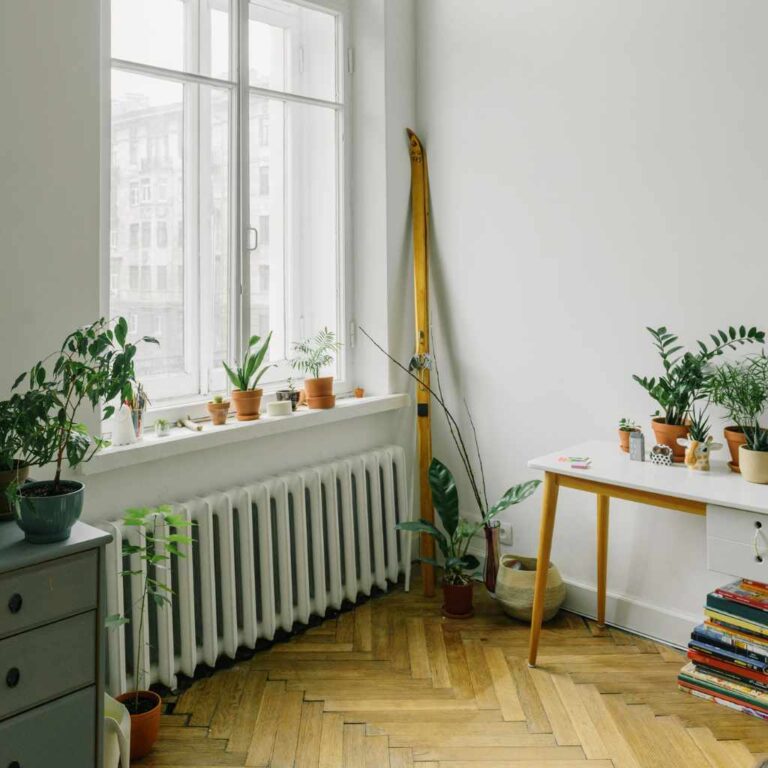
- Oil-Filled Radiators: A type of convection heater, they’re quiet and hold heat well but are slow to warm up.
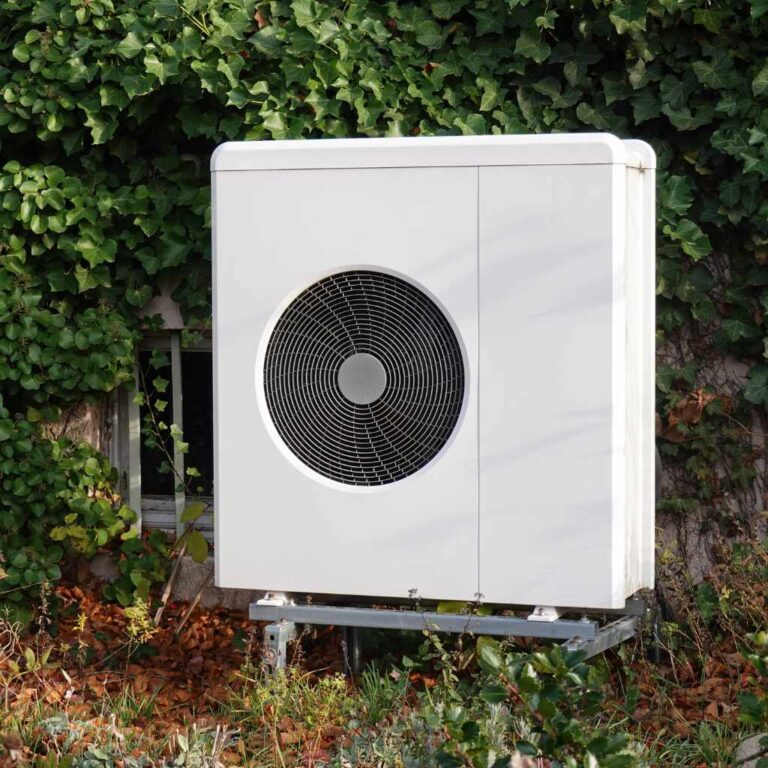
- Heat Pumps: Super efficient (300%+), but they need professional installation. Check Consumer Reports for reviews.
My Personal Insights
After testing both heaters, I lean toward ceramic for my small apartment. They’re quick, cheap, and portable. But when I visit my parents’ big house, their convection heater is the star—it keeps the whole living room warm. My biggest lesson? Always match the heater to the room size. I once bought a ceramic heater for a big space, and it was like trying to warm an igloo with a candle!
Frequently Asked Questions
What’s the Main Difference Between Ceramic and Convection Heaters?
Ceramic heaters heat ceramic plates to warm small areas fast. Convection heaters warm air to heat larger rooms evenly over time.
Which Heater Is Best for a Small Bedroom?
Ceramic heaters are ideal for small bedrooms. They heat up quickly and are energy-efficient for spaces under 200 square feet.
Are Convection Heaters Good for Big Rooms?
Yes, convection heaters are great for big rooms. They spread warm air evenly, perfect for living rooms over 200 square feet.
Which Heater Is Quieter?
Convection heaters without fans are quieter. Ceramic heaters with fans can be noisy, so check for low-noise models.
Are Ceramic Heaters Safer Than Convection?
Both can be safe with features like tip-over protection. Ceramic heaters often have cooler casings, reducing burn risks.
How Much Do These Heaters Cost to Run?
Ceramic heaters cost 8-18¢ per hour; convection heaters cost 9-18¢ per hour, depending on wattage and settings.
Can I Leave a Space Heater On All Night?
No, it’s not safe to leave any heater on unattended. Use models with timers or auto-shutoff for overnight use.
Conclusion
Choosing between ceramic vs convection space heaters is easy once you know your needs. Ceramic heaters are quick and great for small spaces like bedrooms. Convection heaters shine in big rooms, spreading steady warmth. Try one in your home, and see how cozy it feels! Share your heater tips or ask questions in the comments—I’d love to hear your story! For more heating advice, check The Spruce or Wirecutter. Stay warm and toasty!