Infrared vs Ceramic Heaters Which Is Safer?
Choosing a heater can feel tricky, especially when you’re thinking about safety. The question of Infrared vs Ceramic Heaters: Which Is Safer? pops up a lot. Many people find this topic a bit confusing because there’s a lot of tech talk. But don’t worry! We’ll break down the differences in simple terms. We’ll explore how each type of heater works and what makes them safe (or not safe). Get ready for a straightforward guide to help you pick the best and safest heater for your needs, starting right now.
How Infrared Heaters Work
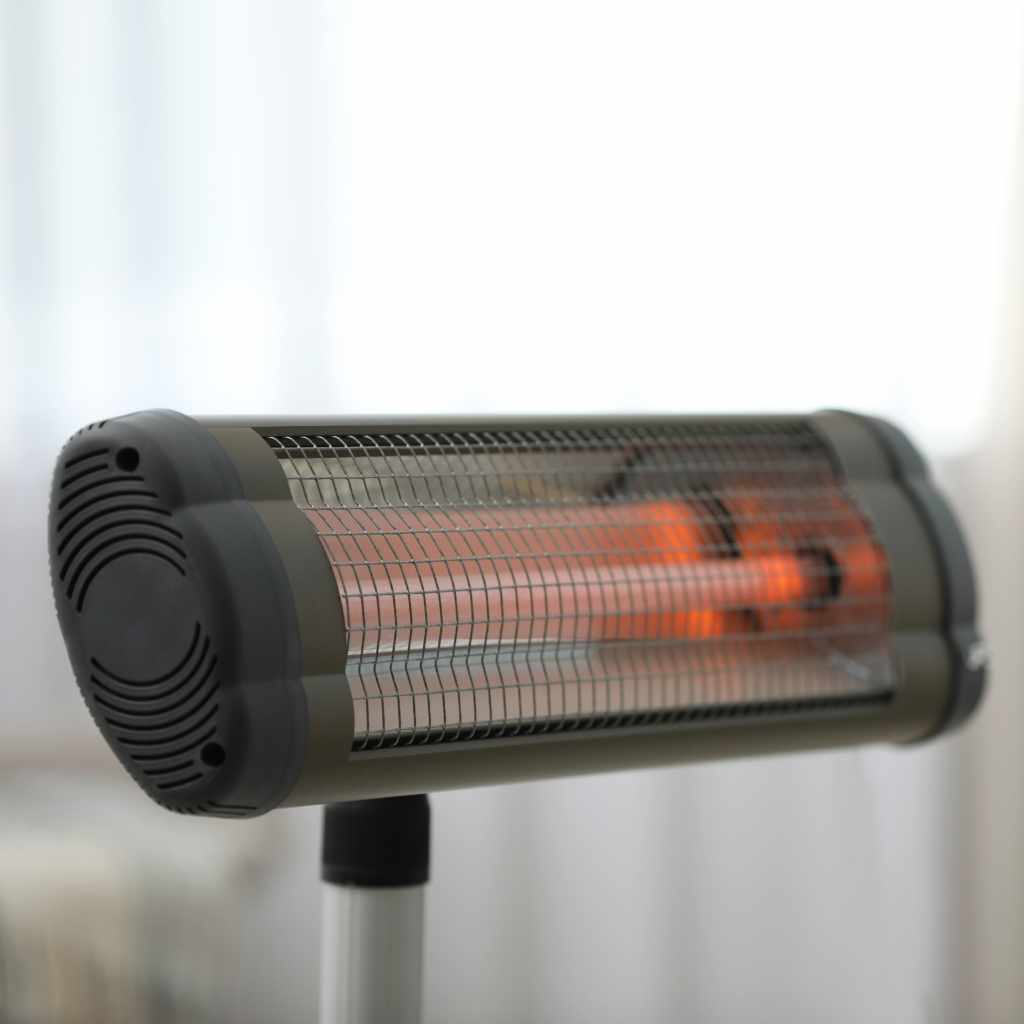
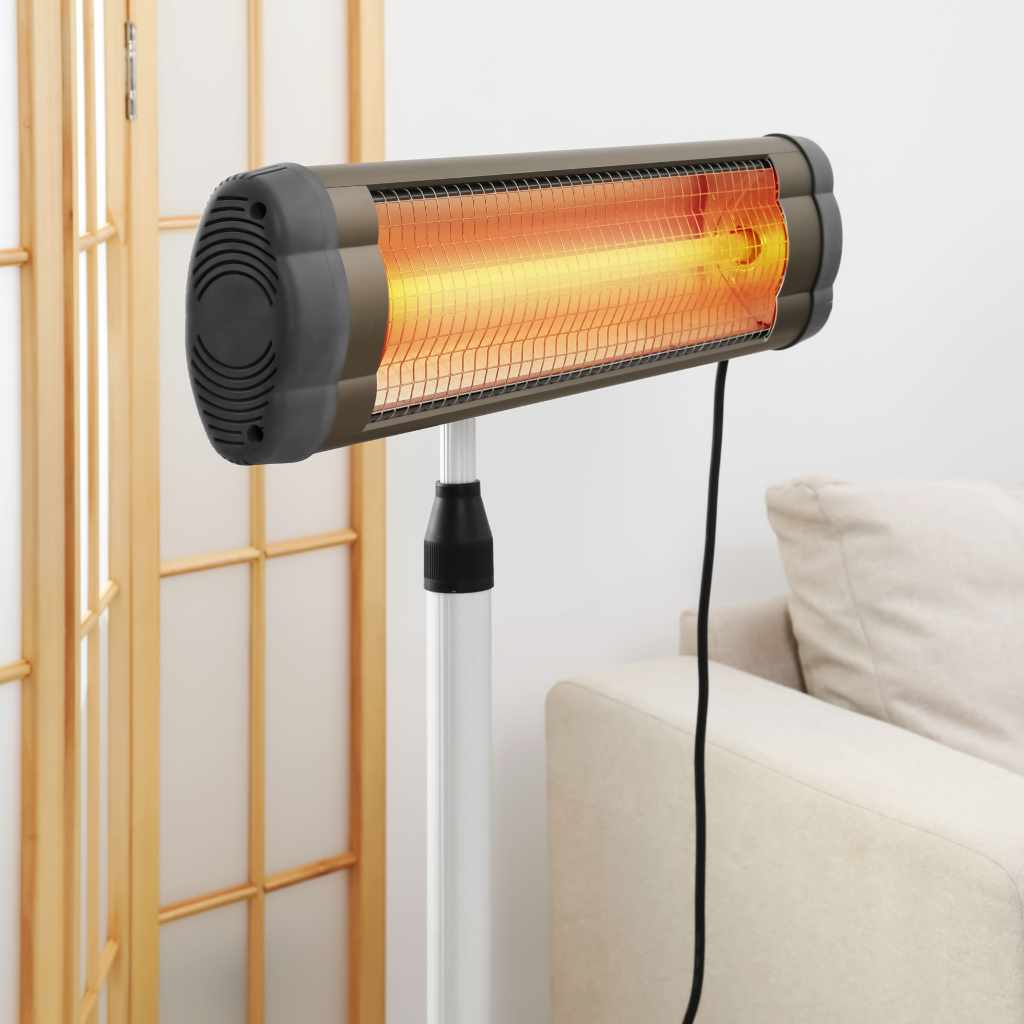
Infrared heaters use infrared radiation to warm objects directly, similar to how the sun heats the earth. They don’t heat the air around them. Instead, they emit infrared light that’s absorbed by objects in the room, like furniture and people. These objects then release heat back into the room. This makes infrared heaters very efficient at heating spaces, especially if the air is drafty because the heat isn’t lost easily. They often have a quick heat-up time and provide instant warmth.
Heat Transfer Basics
Infrared heaters don’t use convection like many other heaters. Convection heaters heat the air, which then circulates around the room. Infrared heaters, however, work via radiation. Radiation is a method of heat transfer where energy travels in waves and is absorbed by objects. This process is very efficient because it doesn’t rely on heating the entire volume of air. This targeted heating can be particularly useful in larger rooms or areas where you only need to heat a specific zone.
- Radiant Heat: This is the core principle. Infrared heaters emit electromagnetic radiation, which directly warms objects.
- Targeted Heating: Since the heat is focused on objects, these heaters are useful in areas where immediate warmth is needed.
- Efficiency: Because the heat is directly absorbed, there’s less heat loss, making these heaters energy-efficient.
- Minimal Air Circulation: They don’t typically circulate air, which can be useful for those with allergies.
Infrared technology has been widely used in various applications beyond home heating. For example, it is used in industrial processes for drying and curing materials, and in medical applications for therapeutic treatments like pain relief and muscle relaxation. The efficiency and precision of infrared heat make it a versatile tool.
Types of Infrared Heaters
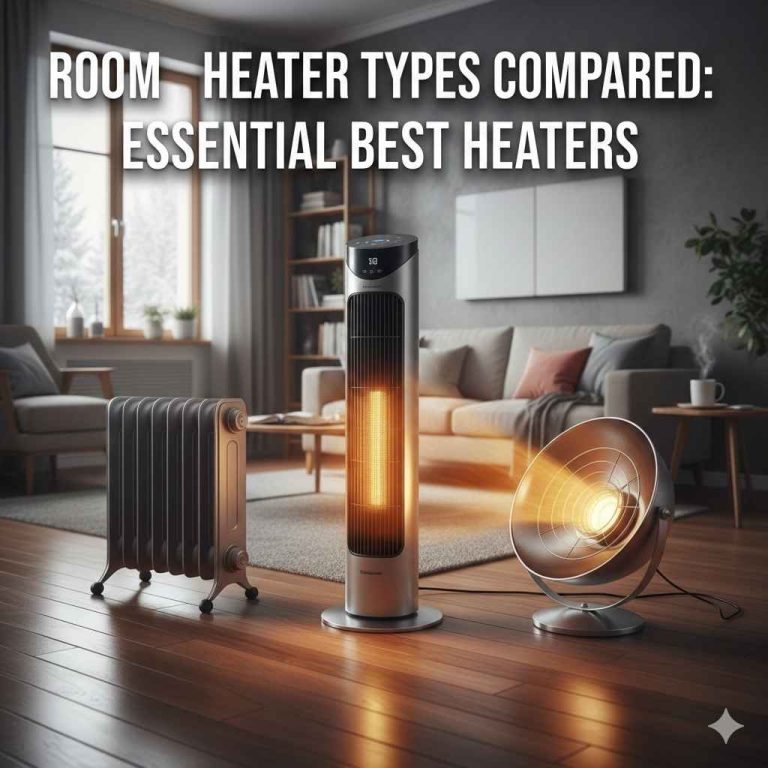
There are several kinds of infrared heaters, each utilizing the same basic principles but differing in design and how they distribute heat. Some examples include panel heaters, which are flat and can be mounted on walls, and portable heaters that can be moved around. The most common types include quartz tube heaters and ceramic heaters. Each option caters to different needs and space sizes, but they all share the fundamental property of heating objects directly.
- Quartz Tube Heaters: These use quartz tubes that house heating elements, and they provide quick heat.
- Panel Heaters: These are typically mounted on walls and offer a sleek and space-saving design.
- Ceramic Infrared Heaters: These use ceramic elements to produce infrared heat; some will be compared to standard ceramic heaters below.
- Outdoor Heaters: Built to withstand weather conditions, these heaters provide warmth in outdoor settings like patios and decks.
Understanding the different types of infrared heaters helps in choosing the best one for your situation. Factors such as room size, heating needs, and aesthetic preferences will influence your decision. For example, a small bedroom might benefit from a compact panel heater, while a larger living space could be more effectively heated by a portable infrared unit.
How Ceramic Heaters Work
Ceramic heaters work through a process called convection, although some also radiate heat. They use a ceramic heating element that gets very hot. Air is then passed over this hot element, and it warms up. A fan usually helps to blow the heated air into the room. Unlike infrared heaters, ceramic heaters heat the air first, which then warms the room. These heaters are often more affordable and portable.
Convection and Radiation Combined
The heating method of ceramic heaters involves a mix of convection and radiation. The ceramic element itself produces radiant heat, which directly warms objects nearby. However, the primary mode of heat transfer is convection, as the heater’s fan blows heated air into the room. This combination allows ceramic heaters to quickly heat up smaller spaces, making them suitable for personal use. They typically include safety features to prevent overheating.
- Convection Heating: The primary method is to heat the air, which then circulates and warms the room.
- Radiant Heating: Some models also radiate heat directly from the ceramic element.
- Fan-Assisted: Most ceramic heaters have a fan to help distribute the heated air.
- Portability: These heaters are often lightweight and easy to move around.
Ceramic heaters are a popular choice due to their affordability and effectiveness in providing quick warmth, particularly in smaller spaces. They are found in many homes and offices. The efficiency can vary based on the model, but they are generally less energy-efficient than infrared options. Safety features, such as automatic shut-off, add to their appeal.
Ceramic Heater Safety Features
Safety is a significant consideration when choosing a ceramic heater. These heaters are designed with various safety features to prevent accidents. Overheat protection is a standard feature that automatically shuts off the heater if it gets too hot. Tip-over switches are also common, designed to turn off the unit if it is knocked over. Furthermore, the exterior of the heaters is often designed to stay cool to the touch, minimizing the risk of burns. They also require proper placement for safety.
- Overheat Protection: This feature shuts off the heater automatically if it gets too hot.
- Tip-Over Switch: This turns off the heater if it’s accidentally knocked over.
- Cool-Touch Housing: The exterior of the heater stays cool, reducing the risk of burns.
- Oscillation Feature: Some models include an oscillating function to spread heat more evenly.
These safety features are designed to mitigate risks and make ceramic heaters safer to use, especially in homes with children or pets. Regular inspection of the heater and following manufacturer guidelines is important for safe operation. For example, keeping the heater away from flammable materials is an important safety measure.
Comparing Infrared vs Ceramic Heaters: Which Is Safer?
When comparing Infrared vs Ceramic Heaters: Which Is Safer?, we need to consider several factors, including heating method, efficiency, and safety features. Infrared heaters are known for their direct heating of objects, which can be very efficient and deliver warmth quickly. Ceramic heaters, on the other hand, usually rely on convection, heating the air, which then warms the room. Both types have specific safety features, but their inherent designs and how they transfer heat can impact their overall safety profile.
Safety Considerations and Comparisons
In terms of safety, both infrared and ceramic heaters come with a variety of features to reduce risks. However, there are differences in their operational designs that affect potential hazards. For example, infrared heaters generally have less risk of causing burns because they do not heat the air to the same degree as convection heaters. Ceramic heaters, on the other hand, may be more likely to pose a burn risk if their heating elements are not properly shielded or if they are placed too close to flammable materials.
- Burn Risk: Infrared heaters often have a lower burn risk as they heat objects rather than the air.
- Tip-Over Protection: Both types usually include this safety feature.
- Overheat Protection: Overheat protection is included in both heater types.
- Air Quality: Infrared heaters generally do not dry out the air as much as convection heaters, which can affect the respiratory system.
Regular maintenance, following manufacturer’s guidelines, and being careful with placement can greatly affect the overall safety of both types of heaters. Both types of heaters require careful placement in a room to prevent them from becoming a fire hazard. Both types have safety features built in. Understanding how each heater works, along with the precautions to be taken, is key to safe use.
Efficiency and Cost
Efficiency is a crucial factor, especially with rising energy costs. Infrared heaters can be more efficient, especially in certain situations, because they heat objects directly without warming the entire room. This can lead to less energy wasted, particularly in poorly insulated spaces or drafty areas. Ceramic heaters may be more affordable upfront, but their energy usage could lead to higher running costs over time. The size of the space, the level of insulation, and the frequency of use will influence the cost and efficiency.
| Feature | Infrared Heaters | Ceramic Heaters |
|---|---|---|
| Heating Method | Radiant (heats objects directly) | Convection (heats air) |
| Energy Efficiency | Generally more efficient in certain situations | Can be less efficient, especially in large spaces |
| Purchase Cost | Can be more expensive upfront | Typically more affordable |
| Maintenance | Requires less maintenance | Requires minimal maintenance |
Considering all factors, including your specific needs and situation will help you make a decision. The best choice depends on what you value most. For some, the initial cost is important, while for others, long-term efficiency is key. For some, they need instant warmth. For others, the health of the air is an issue.
Addressing Potential Hazards
While both infrared and ceramic heaters are designed with safety features, it is important to understand the potential hazards and how to mitigate them. Proper use, placement, and regular maintenance can prevent many accidents. Hazards can arise from various sources, including improper use, physical damage to the units, and misuse of extension cords, among others. Awareness and informed decision-making are necessary for safe operation.
Fire Hazards
Fire is the most serious risk associated with any heater. It is important to keep both types of heaters at a safe distance from flammable materials, such as curtains, paper, and furniture. Overloading electrical circuits with multiple appliances can also be a fire hazard. Regular inspection of the power cord and ensuring the heater is used on a dedicated circuit can prevent electrical fires. Proper installation and usage, along with vigilance, are key to preventing fire hazards.
- Keep a Safe Distance: Maintain a safe distance from flammable materials.
- Avoid Overloading Circuits: Do not use multiple high-wattage appliances on the same circuit.
- Inspect Cords: Regularly check the power cord for damage.
- Use on a Flat Surface: Place the heater on a stable, level surface.
Fire-related injuries from heaters can be serious. By following these precautions, you reduce the risk of a fire and protect yourself and your family. In addition to these points, installing smoke detectors and testing them regularly will help with fire safety.
Electrical Hazards
Electrical hazards are another concern, especially with older or damaged heaters. Damaged cords, loose connections, and the use of extension cords can cause electrical shocks or fires. Ensure that the heater is properly plugged into a grounded outlet. Avoid using damaged heaters and
- Use Grounded Outlets: Always plug the heater into a grounded outlet.
- Avoid Damaged Cords: Do not use heaters with damaged cords or plugs.
- No Extension Cords: Avoid using extension cords, which can overheat.
- Keep Dry: Prevent water from coming into contact with the heater.
By understanding and addressing electrical risks, you can make sure your heater is used safely. Making sure all cords are in good shape, that outlets are grounded, and that the unit itself is not damaged are all necessary for safe operation.
Choosing the Right Heater for You
Selecting the right heater depends on various personal needs and preferences. Considerations include your budget, the size and type of space you want to heat, and any health concerns. Consider both the initial cost of the heater and the operating costs. The best choice is the one that provides both warmth and safety. Here’s how to make the right selection based on different needs.
Factors to Consider
Before purchasing a heater, consider your particular needs and the environment in which the heater will be used. Consider the size of the room and the level of insulation, which will impact heating efficiency. Consider also any health issues, such as allergies or respiratory issues, as some heaters may affect air quality. Finally, factor in any lifestyle considerations, like the ease of portability and whether you need quick, immediate warmth or more consistent heating.
- Room Size: Choose a heater that matches the room’s dimensions.
- Insulation: Better insulated rooms retain heat more effectively.
- Health Concerns: Consider air quality needs.
- Energy Efficiency: Look for models with high efficiency ratings.
Carefully evaluating your requirements ensures that you pick a heater that performs well and enhances your comfort and safety. Taking these elements into account will lead you to a heater that is safe and effective.
Making Your Decision
When deciding between infrared and ceramic heaters, the best approach is to weigh the pros and cons of each type. If your main concern is direct, efficient heating in a small space, an infrared heater might be best. If you require a more affordable option for larger spaces, a ceramic heater might be adequate. Review the safety features and consider the long-term energy costs. A careful evaluation of your personal needs, budget, and safety concerns should lead you to the ideal choice. Be aware that models can vary, so consider specific features for added safety.
- Assess Your Needs: Determine the size of the space and heating requirements.
- Evaluate Safety Features: Check for tip-over protection, overheat shut-off, and other features.
- Compare Efficiency: Consider energy-saving features.
- Read Reviews: Read reviews from other users.
By assessing your particular needs and comparing features, you can make an informed choice. No matter the choice, prioritize safety and follow manufacturer instructions. That way, you ensure your comfort.
Frequently Asked Questions
Question: Are infrared heaters safe for pets?
Answer: Yes, infrared heaters are generally safe for pets. They do not heat the air, so the air will not become stuffy or overly dry. However, like any heater, it’s important to keep the heater out of reach of pets to prevent accidental contact and injury.
Question: Do ceramic heaters dry out the air?
Answer: Yes, ceramic heaters can dry out the air to some degree, as they heat the air around them. This effect is often less pronounced than with some other types of heaters. You might want to consider adding a humidifier if you are sensitive to dry air.
Question: Which type of heater is better for allergies?
Answer: Infrared heaters may be better for allergies because they don’t circulate air as much as convection heaters, potentially reducing the spread of dust and allergens. They are often useful for those with respiratory issues.
Question: Can I use an extension cord with my heater?
Answer: No, it is not recommended to use extension cords with any heater. Extension cords can overheat and pose a fire hazard. Always plug your heater directly into a wall outlet.
Question: How often should I clean my heater?
Answer: The frequency of cleaning depends on the type of heater and its use. In general, you should clean your heater at least once a year. Always unplug and allow the heater to cool down before cleaning. Regularly cleaning the vents helps maintain the heater’s efficiency and prevent the accumulation of dust and debris.
Final Thoughts
When you’re trying to figure out Infrared vs Ceramic Heaters: Which Is Safer?, it’s about looking at how each one works. Infrared heaters warm objects directly, and they tend to be energy-efficient. Ceramic heaters heat the air, often using a fan. Both have safety features like tip-over protection and overheat shut-off. Remember to think about your specific needs, like the room size, if you or someone has allergies, and your budget. No matter what heater you choose, always put safety first. Place your heater in a safe spot, keep it away from flammable stuff, and check the cord regularly. By doing these things, you can stay warm and cozy safely this season!