Forced Air Heating for Fast, Even Comfort
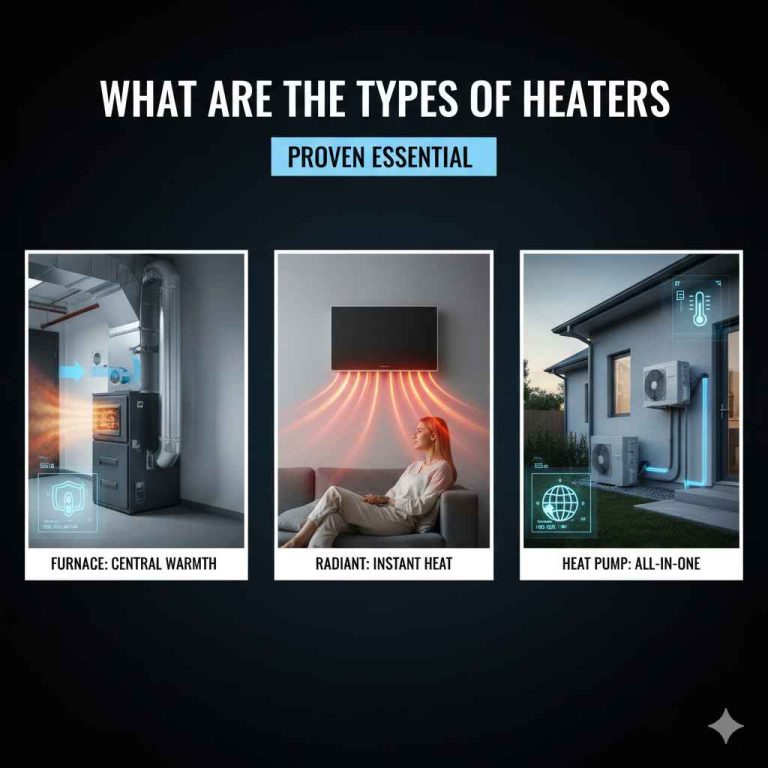
Forced air heating is a central heating system that uses a furnace to heat air, which is then distributed throughout your home via a network of ducts and a blower fan. It is one of the most common and proven essential heating types in modern homes, valued for its quick heating capabilities and ability to integrate air conditioning.
For a closely related heater topic, Convection Heater vs Forced Air: Showdown gives readers a useful next step.
For portable or electric heater comparisons, Forced Air Electric Vs Baseboard Heaters: Heating Showdown gives readers another helpful angle before buying or using one.
For a closely related heater topic, What Does Heating Type “Forced Air” Mean? A Simple gives readers a useful next step.
Are you feeling confused by all the different ways to heat your house? Terms like “furnace,” “heat pump,” and “forced air” get thrown around, making it tough to know what keeps your home warm. You just want a reliable, comfortable heat that doesn’t break the bank, right? That is completely understandable! Forced air heating is the champion for many homeowners because it is fast, effective, and simple to maintain once you understand the basics.
Don’t worry about complicated technical language. As your trusted home heating guide, Tanim, I will walk you through exactly what forced air is, how it works, and why it remains an essential choice for comfort and safety. We will break down the essential components so you can feel confident managing your home’s warmth this winter.
Understanding the Basics: What Exactly Is Forced Air Heating?
When people talk about forced air heating, they are talking about a system that shares air movement throughout the entire house using ducts. Think of it like a giant, dedicated lung for your home, pushing warm air everywhere it needs to go.
This system relies on one central unit, usually called a furnace or an air handler. This unit heats the air, and then a powerful fan (the blower) forces that newly heated air through metal or flexible ducts installed in your walls, floors, or ceiling. The warm air then comes out of vents, known as registers, keeping your rooms cozy very quickly.
The Core Difference: Forced Air vs. Other Systems
It’s helpful to see how forced air stacks up against other popular heating methods:
- Radiant Heat (Boilers): These systems heat water or steam and send it through pipes to radiators or baseboard heaters. They offer a very gentle, even heat, but they take longer to warm up a space and usually cannot be used for central air conditioning.
- Ductless Mini-Splits: These use an outdoor compressor connected to indoor units mounted on walls. They are excellent for single rooms or additions but usually require multiple units for whole-house heating, unlike one central forced-air system.
- Forced Air: It excels because the same ductwork used to blow warm air in the winter can often be used to blow cool air (via an air conditioner) in the summer. This dual functionality makes it incredibly practical.

The Engine Room: Essential Components of a Forced Air System
To truly understand what heating type forced air is, you need to meet the key players under the hood. A forced-air system has four main parts working together seamlessly.
1. The Furnace (The Heat Creator)
The furnace is the heart of the system. It takes fuel (natural gas, propane, oil, or electricity) and converts it into usable heat. You’ll often hear this called the “heating source.”
The type of fuel your furnace uses determines the energy efficiency and running costs. Gas furnaces are common because gas is often cost-effective, but electric furnaces offer cleaner operation where natural gas isn’t available. For the best efficiency, look for high Annual Fuel Utilization Efficiency (AFUE) ratings, which measure how effectively the furnace converts fuel into heat. The U.S. Department of Energy (DOE) recommends looking for models with AFUE ratings of 90% or higher for the best savings.
2. The Blower Fan (The Mover)
Once the air is heated inside the furnace, the blower motor kicks on. This powerful fan is responsible for forcing the air out of the furnace, through the plenum (the main distribution box), and into the ductwork. Without this blower, the heat would just sit inside the furnace cabinet!
3. The Ductwork (The Roadways)
Ducts are the network of insulated tunnels that carry the conditioned air throughout your home. They start at the furnace and branch out to every room. You see the result where the air comes out—the supply registers.
Properly sized and sealed ducts are crucial. Leaky ducts can waste a huge amount of energy, letting conditioned air escape into crawlspaces or attics. This is why regular maintenance checks are so important for efficiency.
4. The Thermostat (The Brain)
This is what you interact with! The thermostat senses the temperature in the main living area and tells the furnace when to turn on and off. Modern programmable and smart thermostats give you excellent control over your comfort and energy use.
How Forced Air Heating Works: A Simple Step-by-Step Process
It might seem complicated, but the actual process of creating and distributing heat is very logical. Here is the sequence of events when your home needs warmth:
- The Call for Heat: The room thermostat detects that the temperature has dropped below your set point and sends an electrical signal to the furnace to start heating.
- Air Intake (Return): The blower fan activates, pulling cool air from your house back into the furnace through the return air grilles. This is why you often see large return vents on walls or ceilings.
- Filtration: Before the air gets heated, it passes through an air filter. This crucial step removes dust, pollen, and pet dander, protecting both your home’s air quality and the delicate components inside the furnace itself.
- Heating: The air passes over the heat exchanger (the furnace’s hot core). If you have a gas furnace, the burner ignites, heating the metal of the heat exchanger, which in turn heats the air passing around it. (Electric furnaces use hot coils, similar to a toaster).
- Distribution: The powerful blower forces the newly warmed air out of the furnace and into the ductwork.
- Delivery: The heated air travels through the ducts and exits into your rooms via the supply registers.
- Cycling Off: Once the thermostat senses the desired temperature is reached, it shuts off the heating cycle, and the blower fan stops running until the next call for heat.
Why Forced Air is an Essential System for Modern Living
Forced air heating isn’t just popular because it’s traditional; it brings genuine, practical benefits to homeowners. Here are the proven reasons why it remains an essential choice.
Speed and Responsiveness
This is one of its biggest selling points. Because air transfers heat very quickly, forced-air systems can raise the temperature in a large home significantly faster than radiant or hydronic (water-based) systems. If you walk in the door on a cold evening and want warmth immediately, forced air delivers.
Year-Round Versatility (The AC Connection)
As mentioned, the same ductwork that delivers warm air in winter is used to deliver cooled air in summer when an air conditioning unit is attached. This means one central system handles both your heating and cooling needs, saving space and simplifying maintenance.
Excellent Air Quality Control
Since all the air in your house is constantly being pulled through a central filter, forced air systems offer superior air filtration compared to systems that don’t rely on whole-house airflow. You can easily upgrade to high-efficiency filters (like MERV 11 or higher) to capture smaller particles, which is great for allergy sufferers. You can also integrate humidifiers or dehumidifiers directly into the system for total climate control.
Consistent Comfort
When properly designed and balanced, forced air delivers consistent warmth to every room, eliminating the cold spots common in homes relying on space heaters. Every room with a vent receives the conditioned air simultaneously.
Weighing the Pros and Cons: Is Forced Air Right for You?
To help you make a confident decision, here is a clear breakdown of the benefits and drawbacks of relying on a forced-air system.
The Advantages of Forced Air Heating
- Quick Heating: Heats spaces rapidly, providing immediate comfort.
- Dual Functionality: Handles both heating and cooling using the same infrastructure.
- Air Quality Benefits: Easy integration of whole-house air filters, humidifiers, and UV lights.
- Widespread Availability: Parts and qualified technicians are easy to find nearly everywhere.
- Zoning Capability: Advanced systems allow you to set different temperatures in different areas of the house for customized comfort.
The Disadvantages to Consider
- Noise Level: The blower fan can sometimes create noticeable noise when starting up or running.
- Duct Maintenance: Ducts can collect dust and require periodic cleaning, especially in older homes.
- Air Distribution Issues: If ducts are poorly balanced or leaky, some rooms might feel too hot or too cold.
- Dry Air: The constant blowing of heated air can sometimes dry out indoor air, necessitating a separate humidifier.
To help visualize the comparison, here is a quick summary table:
| Feature | Forced Air System | Radiant (Boiler) System |
|---|---|---|
| Speed of Heat Delivery | Fast | Slow/Gradual |
| Summer Cooling Capability | Yes (Uses same ducts) | No (Requires separate system) |
| Air Quality Control | Excellent filtration possible | Minimal filtration |
| Noise Level | Moderate (Blower noise) | Very Quiet |
Installation and Maintenance: Keeping Your Forced Air System Healthy
If you are building a new home or replacing an old system, understanding the installation process and ongoing care will save you headaches later. Maintenance ensures your system remains energy-efficient and safe.
The Installation Process (A High-Level View)
Installing a new forced-air furnace and ductwork is a significant job best left to certified HVAC professionals. However, knowing the steps builds confidence:
- Sizing the Equipment: A professional performs a “Manual J” calculation to determine the exact heating and cooling load your house needs. Oversizing leads to inefficiency; undersizing leads to poor comfort.
- Furnace Placement: The furnace is installed in a utility closet, basement, or attic. Proper venting for combustion gases is critical here.
- Duct Installation: New ducts are routed through the attic, crawlspace, or utility chases. The return ducts must be adequate to carry enough air back to the unit without straining the blower motor.
- Electrical and Fuel Hookup: The system is safely connected to the home’s electrical panel and the appropriate fuel source (gas line or oil tank).
- Thermostat Wiring: The new thermostat is mounted and wired to control the furnace and AC unit.
- Testing and Balancing: The technician runs the system, checks for leaks in the ductwork, and balances the airflow so that each vent is delivering the correct amount of heat relative to the room size.
Essential Maintenance Tasks You Can Handle
As a homeowner, you have a few simple, yet critical, tasks that keep the system running smoothly and efficiently. These tasks directly impact your energy bills!
1. Changing the Air Filter Regularly
This is the most important thing you will ever do for your furnace. A clogged filter restricts airflow, making the blower work harder, wasting electricity, and potentially causing the heat exchanger to overheat and fail prematurely. Aim to check your filter monthly and replace it every 1 to 3 months, depending on your filter type and how often you use your system (more often if you have pets).
2. Keeping the Area Clear
Ensure that the area immediately surrounding your furnace (in the utility closet or basement) is free of clutter, boxes, and flammable materials. Furnaces need plenty of space around them to draw in fresh air for combustion and to operate safely.
3. Checking Vents and Registers
Make sure that supply registers (where warm air comes out) and return grilles (where air goes back in) are never blocked by furniture, rugs, or curtains. Blocked registers directly reduce the amount of heat reaching your living space.
When to Call the Professional
While filter changes are DIY-friendly, most homes benefit from an annual professional inspection before the heating season begins. Professionals will check critical safety aspects:
- Checking the heat exchanger for cracks (which can leak dangerous carbon monoxide).
- Testing the burner assembly and ignition system.
- Lubricating the blower motor bearings.
- Inspecting the flue pipe for corrosion or blockages.
Safety is paramount. If you ever smell gas, hear loud banging noises, or detect a strange, musty odor from your vents, turn off the furnace immediately and call a professional HVAC technician.
Advanced Control: Understanding Forced Air Zoning
One of the best features of a forced-air system is its potential for advanced control, specifically through zoning. Zoning lets you heat different parts of your house to different temperatures, which is a game-changer for comfort and saving money.
What is HVAC Zoning?
Traditional forced air sends the same temperature air everywhere. Zoning adds motorized dampers inside your ductwork, controlled by zone thermostats placed in different areas (e.g., the main floor and the upstairs). If the upstairs is already warm, the dampers leading to the upstairs ducts close partially or fully, diverting all the heated air downstairs where it’s needed.
| Zoning Component | Function | Benefit |
|---|---|---|
| Zone Dampers | Motorized flaps inside ducts | Directs airflow where needed |
| Zone Thermostats | Separate temperature sensors for each area | Customized comfort settings |
| Zone Control Panel | The system’s central brain for zoning | Coordinates damper and thermostat actions |
This ability to customize heating makes forced air incredibly versatile for multi-story homes or houses where some rooms (like guest rooms) are used less frequently.
Addressing Common Worries: Safety and Energy Use
As a homeowner, your primary concerns are usually safety and keeping utility bills reasonable. Forced air systems, when maintained properly, are very safe and can be energy efficient.
Safety Check: Carbon Monoxide and Fuel Furnaces
If your forced-air furnace runs on gas, propane, or oil, it produces combustion byproducts. The most dangerous of these is carbon monoxide (CO), an odorless, colorless gas. This is why safe operation is non-negotiable.
Ensure your furnace vents exhaust these gases completely outside through the flue pipe. Always install CO detectors on every level of your home, especially near sleeping areas. A professional service check once a year ensures the heat exchanger is intact and the venting is sound, protecting your family.
Energy Efficiency Explained
The efficiency of a forced-air system is largely determined by the furnace itself (its AFUE rating) and the condition of the ducts.
Consider these efficiency boosters:
- Upgrade to a High-Efficiency Furnace: Older furnaces might operate at 60% AFUE, meaning 40% of your fuel money goes straight out the chimney. New modulating or variable-speed furnaces often reach 95%+ AFUE, saving you substantial money over time.
- Seal Your Ducts: Leaky ducts can lose 20% to 30% of the heated air before it ever reaches a vent! Professional duct sealing (often done with mastic or specialized tape) is a great investment. You can find more guidance on common home energy improvements through local utility company resources, many of which offer rebates for efficiency upgrades.
- Use a Smart Thermostat: Programming setbacks (lowering the heat when you are asleep or away) can save significant energy because you are not conditioning empty rooms.

Frequently Asked Questions About Forced Air Heating
Q1: How long should a forced air furnace last?
A well-maintained, modern forced-air furnace typically lasts between 15 to 20 years. Regular filter changes and annual professional tune-ups are the key to reaching this lifespan.
Q2: Can I feel the cold air coming out of the vents in winter?
If you feel cold air coming from the vents when the furnace is running, it usually means one of two things: either the blower is running but the heat exchanger hasn’t fully warmed up yet, or the furnace’s cooling system (AC) is accidentally running. Check your thermostat settings immediately.
Q3: Is forced air heating noisy?
Forced air systems make noise, primarily when the blower fan kicks on or shuts off. If the noise is very loud, rattling, or vibrating excessively, it usually indicates a problem—perhaps a loose belt, a worn blower motor, or debris stuck in the fan housing. This requires a technician check.
Q4: What is the difference between a furnace and forced air?
A furnace is the heating unit that burns fuel to create heat. Forced air is the delivery method—it describes the entire system (furnace + blower + ducts) that forces that heat through the house.
Q5: Do I need special ventilation for a gas forced air furnace?
Yes. Gas, oil, and propane furnaces must have a clear, properly sized flue pipe or chimney to safely vent combustion gases, including carbon monoxide, outside your home. Never tamper with this venting system.
Q6: Can I use forced air heating if I don’t have ducts?
No, not in the traditional sense. If you do not have ductwork, you cannot use a central forced-air furnace. You would need to look into ductless options, like high-efficiency ductless mini-splits, which use localized indoor units instead of a central air network.
Q7: How often should the air filter be changed?
For standard fiberglass filters, check them monthly and replace them every 30 to 60 days. If you use high-efficiency pleated filters (MERV 8 or higher), they can often last 3 to 6 months, but always check them sooner if you notice reduced airflow.
A Final Word on Your Comfort
Now you have a solid understanding of what heating type forced air is: a fast, versatile, and proven essential system that uses a central furnace and blower fan to deliver warmth and cooling through your home’s ductwork. It’s popular for a reason—it offers speed, efficiency potential, and excellent control over your indoor air quality.
Remember that the key to enjoying your forced-air system for years to come isn’t expensive upgrades, but rather simple, consistent care. By changing those filters religiously and scheduling that yearly professional check-up, you empower the system to work its best. Feel confident knowing that you have the right foundation for a warm, safe, and comfortable home, all managed by this hardworking, essential heating method.