Portable Heater Safety Starts with Clear Space
Are you worried about using a portable heater in your home? You’re not alone.
Portable heaters can be a great way to keep warm, but you might wonder if they are truly safe for you and your family. What if a simple mistake could lead to a fire or carbon monoxide danger? You’ll discover the key facts about portable heater safety, how to avoid risks, and tips to keep your space cozy without worry.
Keep reading—your safety and comfort depend on it.
Types Of Portable Heaters
Portable heaters come in different types. Each type uses a different way to warm your space. Understanding these types helps you choose the safest and best heater for your needs.
Electric Heaters
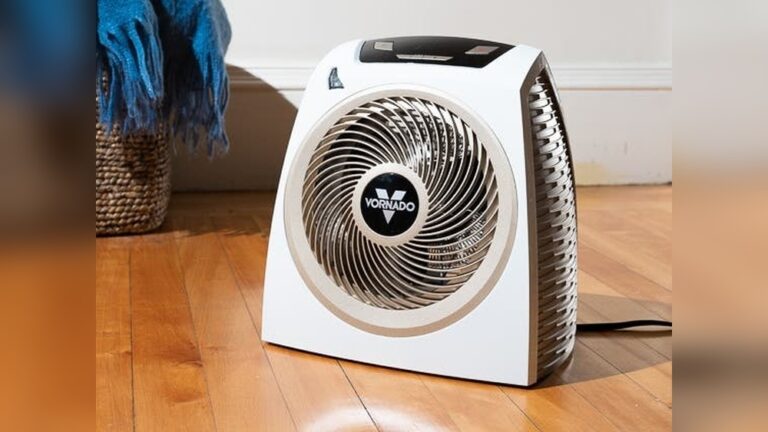
Electric heaters run on electricity and are very common. They heat up fast and are easy to use. Most electric heaters have safety features like automatic shut-off. These heaters do not produce fumes, making them safer indoors.
Gas Heaters
Gas heaters use propane or natural gas for heat. They are powerful and good for large areas. These heaters need good ventilation to avoid harmful gases. Always follow safety rules when using gas heaters.
Oil-filled Radiators
Oil-filled radiators use hot oil to warm the air. They take longer to heat but keep warmth longer. These heaters stay warm even after turning off. They are quiet and safe for bedrooms and offices.
Ceramic Heaters
Ceramic heaters use ceramic plates to create heat. They heat the air quickly and cool down fast. These heaters often have tip-over protection for safety. Ceramic heaters are good for small rooms or personal use.
Credit: www.spec-elec.com
Common Safety Risks
Portable heaters help keep rooms warm during cold days. They are useful but have some safety risks. Knowing these risks can help you use heaters safely. This section explains common dangers linked to portable heaters.
Fire Hazards
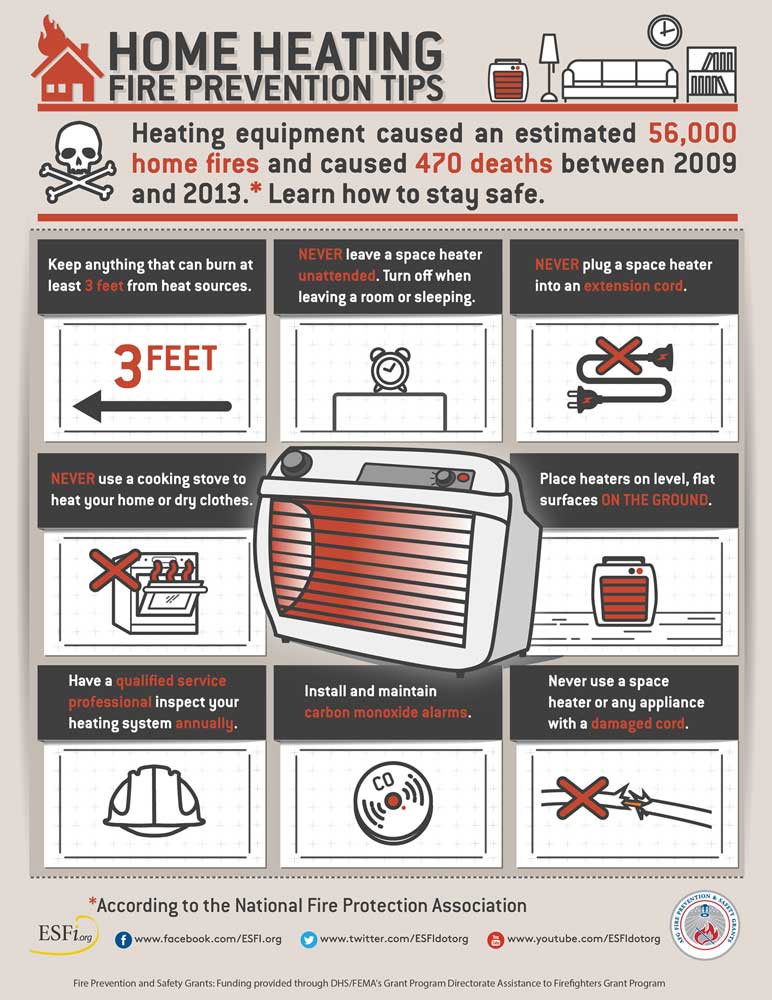
Portable heaters can cause fires if placed near flammable items. Curtains, furniture, and papers can catch fire easily. Avoid putting heaters close to anything that can burn. Always keep a safe distance around the heater. Turn off the heater when not in use to prevent accidents.
Electrical Issues
Many portable heaters run on electricity. Faulty wires or plugs can cause electrical shocks or fires. Do not use damaged cords or outlets. Avoid using extension cords with heaters. Make sure the heater has a safety certification from trusted agencies.
Carbon Monoxide Poisoning
Some portable heaters use fuel like gas or kerosene. These can release carbon monoxide, a dangerous gas. Carbon monoxide is invisible and has no smell. Poor ventilation increases the risk of poisoning. Always use fuel heaters in well-ventilated rooms. Install carbon monoxide detectors for safety.
Burns And Injuries
Heaters get very hot during use. Touching the surface can cause burns. Keep children and pets away from heaters. Use models with safety features like cool-touch exteriors. Place heaters on stable surfaces to avoid tipping over. Safety is key to prevent injuries.
Safe Usage Practices
Using a portable heater safely is very important. This helps stop accidents and keeps your home safe. Follow some simple rules to use your heater the right way.
These steps also help your heater work well and last longer.
Proper Placement
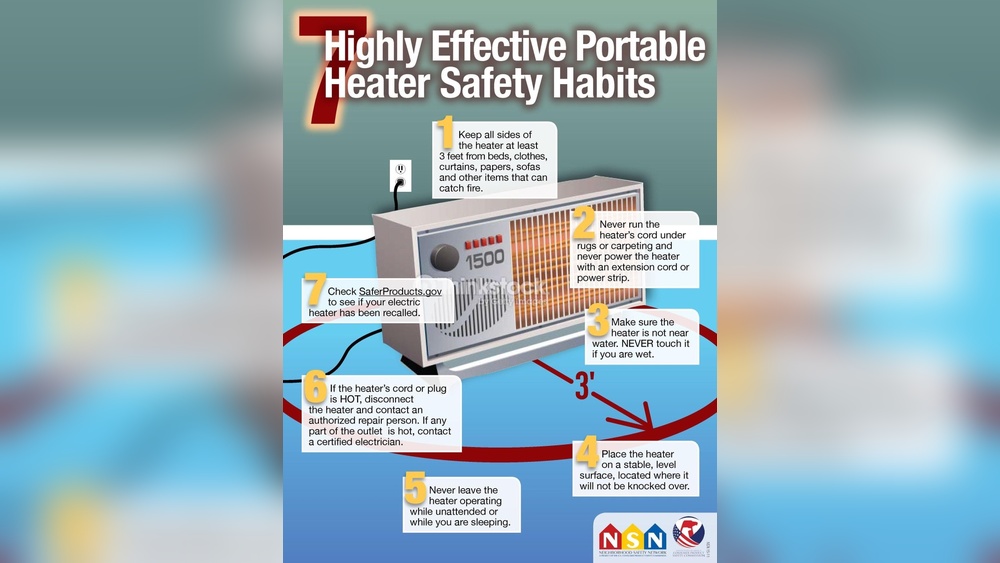
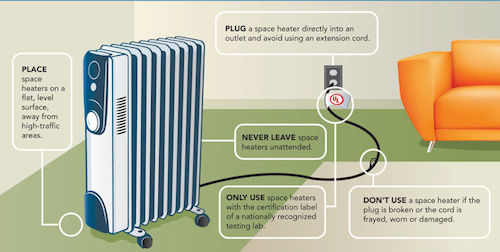
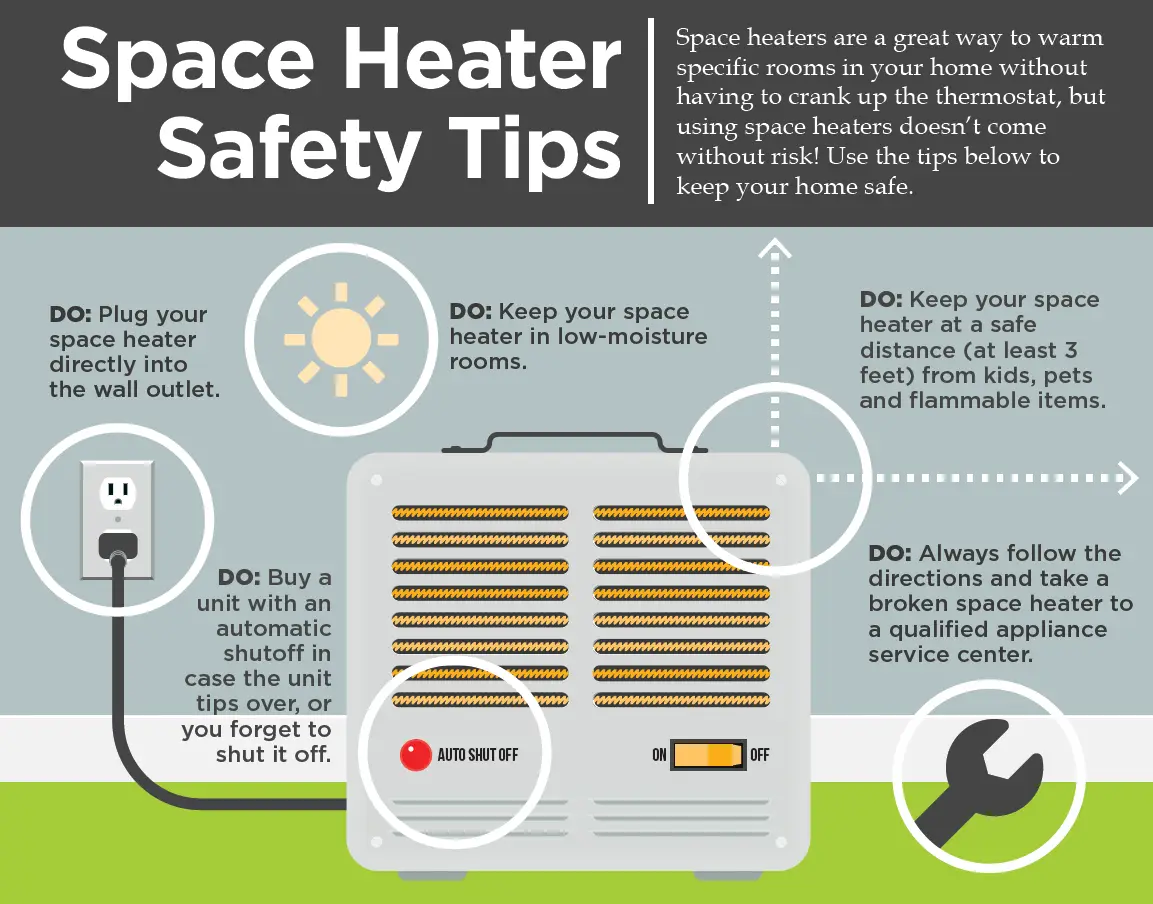
Place the heater on a flat, stable surface. Avoid soft surfaces like beds or carpets. Keep it away from anything that can catch fire. Do not put it near curtains or furniture. Make sure children and pets cannot easily reach it.
Clearance And Ventilation
Keep at least three feet of space around the heater. This space stops heat from touching other objects. Good air flow helps the heater work safely. Avoid blocking vents or air openings on the heater. Use the heater in a room with fresh air.
Avoiding Overloads
Plug the heater directly into a wall outlet. Do not use extension cords or power strips. These can overheat and cause fires. Check the heater’s power rating before use. Make sure your electrical system can handle the heater’s load.
Supervising Operation
Never leave the heater on when you leave the room. Turn it off before going to sleep. Watch children and pets around the heater at all times. Regularly check the heater for damage or dust. Clean it as the manual says to keep it safe.
Credit: www.northescambia.com
Maintenance And Inspection
Maintenance and inspection play a big role in keeping portable heaters safe. Regular checks help find problems early. This stops accidents and keeps your heater working well. Simple care steps can make a big difference in safety and performance.
Regular Cleaning
Dust and dirt can block heater vents. This makes the heater work harder and can cause overheating. Clean the heater’s surface and vents with a soft cloth often. Avoid using water or sprays near electrical parts. Keep the heater dry and free from dust.
Checking Cords And Plugs
Inspect the power cord for cracks or frays. Damaged cords can cause sparks or fires. Make sure the plug fits securely in the socket. Loose plugs may cause overheating. Replace cords or plugs that show any damage right away.
Testing Safety Features
Portable heaters often have safety switches or tip-over protection. Test these features regularly to ensure they work. Follow the manufacturer’s guide on how to check safety functions. Safety features help stop accidents before they happen.
When To Replace A Heater
Old or malfunctioning heaters are risky to use. Replace the heater if it makes strange noises or smells burning. Also, change it if safety features fail or parts break. Using a new heater reduces the risk of fire or injury.
Choosing The Right Heater
Choosing the right portable heater is important for safety and comfort. The right heater fits your room size and heating needs. It uses power smartly and keeps your home safe. This guide helps you pick a heater that works well and protects you.
Size And Power Needs
Pick a heater that matches your room size. Small rooms need less power, big rooms need more. Too small means it won’t warm the space well. Too big wastes energy and can be unsafe. Check the heater’s power rating before buying.
Energy Efficiency
Choose a heater that uses less electricity. Efficient heaters save money on bills. Look for models with energy-saving modes. These heaters adjust power to keep steady warmth. Lower energy use means less strain on your home’s system.
Built-in Safety Features
Safety features protect against accidents and fires. Overheat protection turns the heater off if it gets too hot. Tip-over switches stop the heater if it falls. Cool-touch surfaces prevent burns. These features reduce risks while heating your space.
Certifications To Look For
Check for safety certifications on the heater. Certifications show the heater passed safety tests. Look for marks like UL, ETL, or CSA. Certified heaters meet strict safety rules. This gives you peace of mind during use.
Emergency Preparedness
Emergency preparedness is vital when using a portable heater. These devices can warm your space but also bring risks. Being ready helps you stay safe and calm during any heater-related problem.
Prepare your home with safety tools and clear steps. Know how to act fast if something goes wrong. This lowers the chance of injury or damage.
Smoke And Carbon Monoxide Detectors
Install smoke and carbon monoxide detectors near your heater. These alarms warn you of fire or dangerous gases. Test them monthly to ensure they work well. Replace batteries regularly to avoid failure. Detectors save lives by alerting you early.
Fire Extinguisher Access
Keep a fire extinguisher close to your heater. Choose one rated for electrical or grease fires. Know how to use it before an emergency happens. Quick access helps stop small fires from spreading. Store it in a visible, easy-to-reach spot.
Emergency Shutoff Tips
Learn how to turn off your heater fast. Know the location of its power switch or plug. Unplug the heater if it smells strange or overheats. Teach family members the shutoff method. Acting quickly prevents fire and injury risks.
First Aid For Heater-related Injuries
Burns and shocks are common heater injuries. Cool minor burns with cold water for 10 minutes. Cover the burn with a clean cloth. Seek medical help for severe burns or shocks. Keep a first aid kit near your heater for quick care.
Credit: craigheadelectric.coop
Frequently Asked Questions
Are Portable Heaters Safe For Indoor Use?
Yes, portable heaters are safe indoors if used properly. Follow the manufacturer’s instructions, keep them away from flammable materials, and never leave them unattended.
What Safety Features Should A Portable Heater Have?
Look for heaters with tip-over protection, overheat shutoff, and cool-touch exteriors. These features reduce fire risks and enhance user safety during operation.
Can Portable Heaters Cause Carbon Monoxide Poisoning?
No, electric portable heaters do not emit carbon monoxide. However, fuel-based heaters require ventilation to prevent dangerous gas buildup.
How Far Should A Portable Heater Be From Objects?
Maintain at least a 3-foot distance between the heater and any furniture, curtains, or flammable items. This prevents fire hazards.
Conclusion
Portable heaters can be safe when used correctly. Always follow the safety instructions on the label. Keep heaters away from flammable items like curtains and papers. Never leave a portable heater running while you sleep or leave the house. Regularly check the heater for damage or wear.
Choose models with safety features like tip-over protection and overheat shutoff. Using a portable heater wisely helps keep your home warm and safe. Stay careful, stay warm.