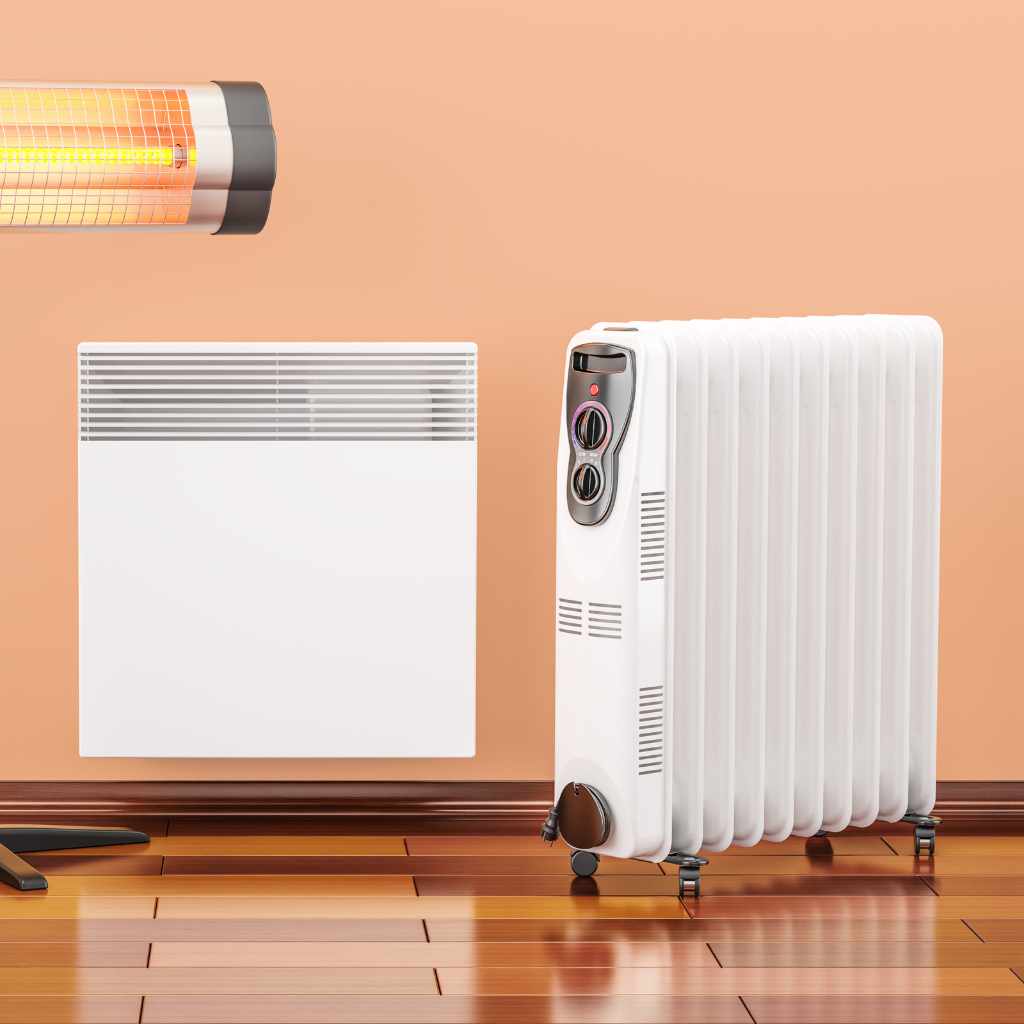
Micathermic vs Infrared Heaters: Essential Key Differences for Cozy Homes
Micathermic heaters combine convection and radiant heat for fast, even room warming, while infrared heaters directly heat objects and people for instant comfort—choose micathermic for whole rooms and infrared for spot heating.
Winter chills can make your home feel uncomfortable, especially if your main heating isn’t keeping up. Many homeowners struggle to pick the right space heater, worrying about high bills, uneven warmth, or safety. Don’t worry—micathermic and infrared heaters are two popular options that can help. This guide will walk you through their key differences in a simple way. You’ll feel confident choosing the best one for your cozy, safe home. We’ll cover how they work, pros and cons, and tips to use them right.
What Are Micathermic Heaters?
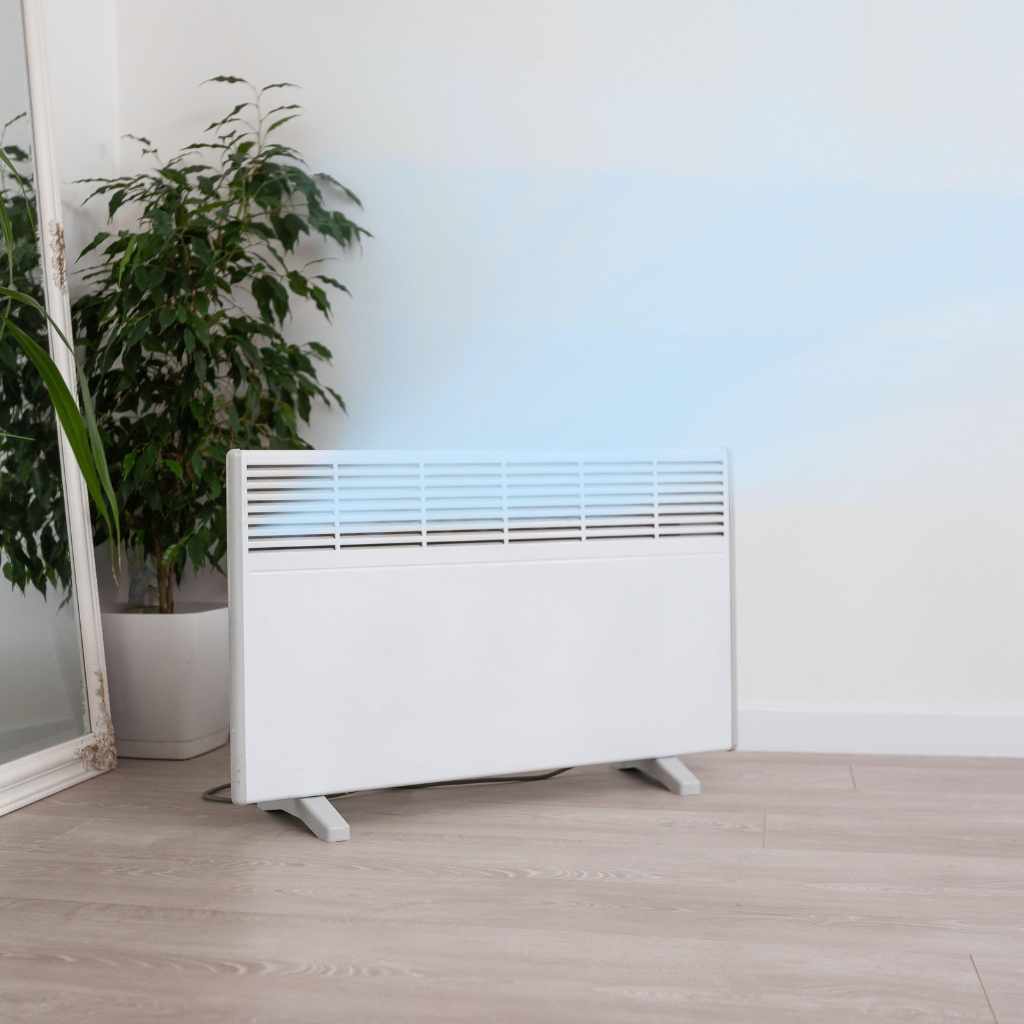
Micathermic heaters are flat panel heaters that use thin sheets of mica around heating elements. Mica is a natural mineral that heats up fast and spreads warmth well.
They work by blending two types of heat:
- Convection: Warms the air, which circulates around the room.
- Radiant: Sends out infrared waves to warm objects and people directly.
Most models give about 80% convection and 20% radiant heat. This mix makes them great for heating a whole room quickly and evenly.
What Are Infrared Heaters?
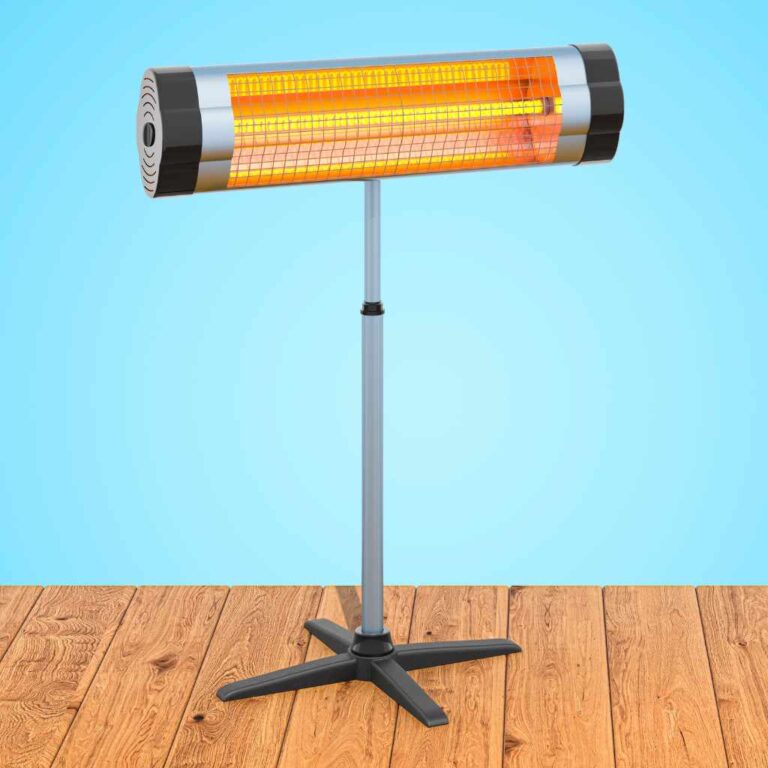
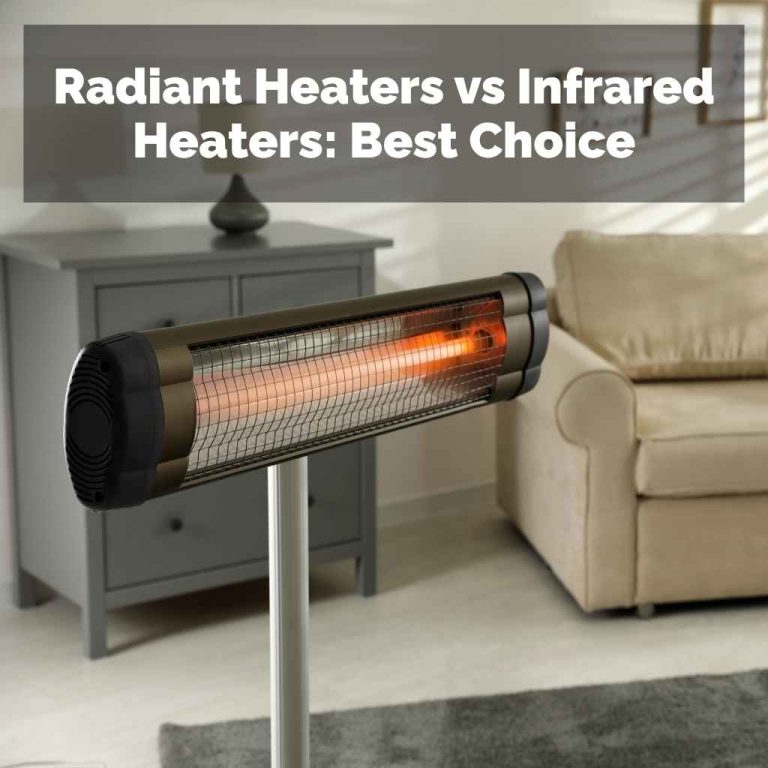
Infrared heaters send out invisible infrared rays, just like the sun’s warmth (without the UV rays). These rays heat objects, furniture, walls, and people directly, not the air first.
The warmed objects then release heat into the room. This creates a natural, cozy feeling right away.
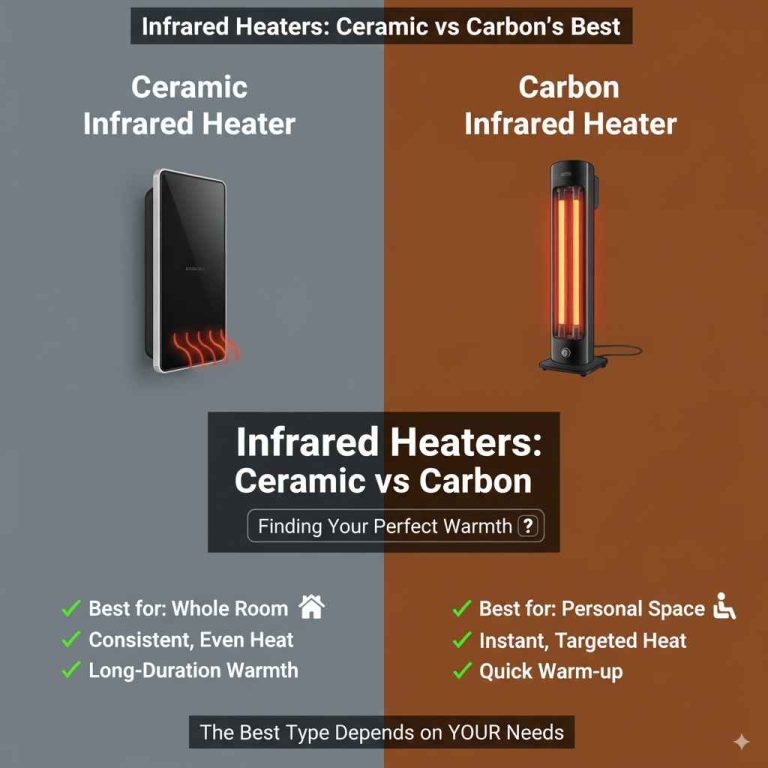
They come in types like quartz tubes or ceramic elements, and some work outdoors too.
How Do They Work Differently?
The big difference is in heat delivery:
| Feature | Micathermic Heaters | Infrared Heaters |
|---|---|---|
| Heat Type | Mostly convection (heats air) + some radiant | 100% radiant (heats objects/people) |
| Room Warming | Even and fast for the whole space | Quick feel in the line of sight; slower for full room |
| Heat-Up Time | Reaches full heat in 1-2 minutes | Instant warmth where aimed |
| Best For | Closed indoor rooms | Spot heating, garages, or outdoors |
Micathermic heaters feel like a mix of traditional heaters and infrared. Infrared feels more like sunny warmth on your skin.
Energy Efficiency Comparison
All electric heaters turn nearly 100% of power into heat. But how they spread it affects your bills.
- Micathermic: Heats rooms faster and more evenly, so the thermostat turns off sooner. Great for saving energy in daily use.
- Infrared: Efficient for spot heating—you feel warm without heating unused space. But in drafty rooms, heat can escape faster.
According to the U.S. Department of Energy, radiant heaters like infrared are best when you’re in the room a short time and stay in their direct path (energy.gov).
Both can lower costs if used to heat just one room instead of the whole house.
Safety Features and Tips
Both types are safe when used right, but always follow guidelines.
| Aspect | Micathermic Heaters | Infrared Heaters |
|---|---|---|
| Surface Temperature | Often cool-to-touch or guarded | Can get hot; some glow red |
| Common Features | Tip-over switch, overheat protection | Tip-over switch, overheat protection |
| Drying Air | Less drying than fan heaters | Doesn’t dry air much |
Key safety tips from experts:
- Keep 3 feet away from curtains, furniture, or anything flammable.
- Plug directly into a wall outlet—no extension cords.
- Place on a flat, hard surface.
- Turn off when leaving the room or sleeping.
- Never use in bathrooms if not rated for it.
For more tips, check the Consumer Product Safety Commission or your local fire department resources.
Pros and Cons
Micathermic Heaters
- Pros:
- Quiet (no fan)
- Lightweight and slim
- Even room heat
- Fast warm-up
- Safe for kids/pets (cool exterior)
- Cons:
- Mostly indoor use
- Higher upfront cost
Infrared Heaters
- Pros:
- Instant warmth
- Works outdoors
- Doesn’t stir dust
- Feels natural
- Cons:
- Directional only
- Some get very hot
- Less even in large rooms
When to Choose Each
- Pick Micathermic if: You want to warm a bedroom, living room, or office evenly. Great for families needing steady comfort.
- Pick Infrared if: You need quick heat for one spot, like a workbench, garage, patio, or chilly corner.
Many homes use both—one for rooms, one for spots!
Conclusion
Micathermic and infrared heaters both bring reliable warmth without big installs. Micathermic shines for quick, even indoor heating, while infrared gives that instant sunny feel for targeted spots. Think about your room size, how you use the space, and safety needs. With the right choice, you’ll stay cozy and safe all winter, saving energy too. Pick a model with good features, follow safety rules, and enjoy your warm home!
Frequently Asked Questions
Are micathermic heaters better than infrared?
It depends on your needs. Micathermic are better for even room heating, while infrared excel at quick, direct warmth.
Do infrared heaters use a lot of electricity?
No more than other electric heaters of the same wattage. They’re efficient for spot use since you can lower your main thermostat.
Are micathermic heaters safe for bedrooms?
Yes! They’re quiet, often cool-to-touch, and have safety shut-offs—perfect for overnight use.
Can infrared heaters heat a whole room?
They can over time as objects release heat, but they’re best for direct areas.
Which is more energy-efficient?
Both are similar, but infrared saves more for short sessions, micathermic for longer room use.
Do these heaters dry out the air?
Less than fan-forced ones. Infrared especially keeps moisture better.
What’s the best way to use them safely?
Keep clear space around them, plug directly into walls, and choose models with tip-over and overheat protection.