Convection Vs Infrared Space Heaters: Essential Showdown
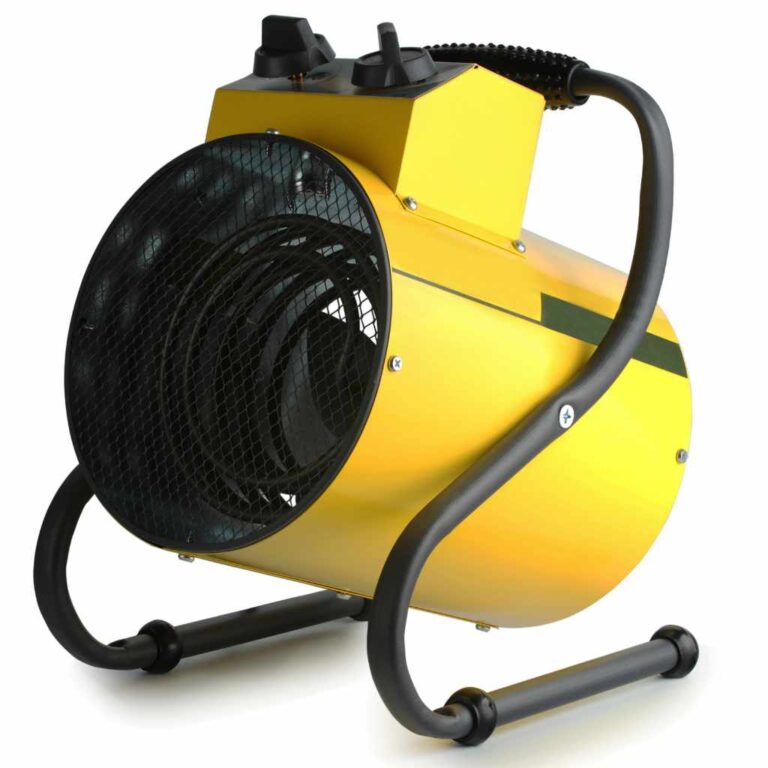
Convection vs infrared space heaters: For quick, targeted warmth, infrared heaters are generally better for heating people and objects directly, while convection heaters excel at evenly warming an entire room using circulating air. Choosing between them comes down to whether you need immediate, focused heat or gentle, whole-room temperature control.
Feeling that chill creeping in? Choosing the right portable spot heater can feel overwhelming. You see terms like “convection” and “infrared” thrown around, and it’s hard to know which one will actually keep your feet warm without skyrocketing your energy bill. Don’t worry! We’re going to break down exactly how these two popular heater types work, so you can pick the perfect match for your space.
This guide cuts through the confusion. We will explain the science simply, show real-life examples, and give you the confidence to select the best heater today. Let’s get your home feeling comfortable and cozy!
Understanding the Heat: The Core Difference
The biggest difference between convection and infrared heaters is how they transfer heat. Think of it like how we warm up outdoors. Do you stand in the sun, or do you feel the air blowing on you?
Convection heaters warm the air, and that warmth spreads out. Infrared heaters warm objects and people directly, similar to the sun’s rays.
1. Convection Heaters: Warming the Air Around You
Convection heating is all about air movement. These heaters warm the air immediately surrounding them. That warm air naturally becomes lighter, rises, circulates around the room, cools down, falls, and is pulled back into the heater to be warmed again.
This circulation creates a gentle, steady, and even warmth throughout the entire room. They are fantastic for making a whole space feel comfortable, not just the spot right next to the unit.
How Convection Heaters Work (The Cycle of Comfort)
- Intake: Cool air is drawn into the heater (often near the bottom).
- Heating Element: The air passes over a heating element (like glowing wires or oil filled compartments).
- Distribution: The now-warm air flows out of the top vents.
- Circulation: This warm air rises, mixes with the existing room air, and slowly heats the entire volume of the space until the thermostat is satisfied.
Pros and Cons of Convection Heaters
Thinking about investing in a convection unit? Here’s a quick look at the upsides and downsides:
- Pros: Heats entire rooms evenly, quiet operation (often silent), safe surface temperatures on some models.
- Cons: Slower to feel warmth initially, less effective in very large or leaky (“drafty”) rooms, needs time to circulate.
2. Infrared Heaters: Direct, Instant Warmth
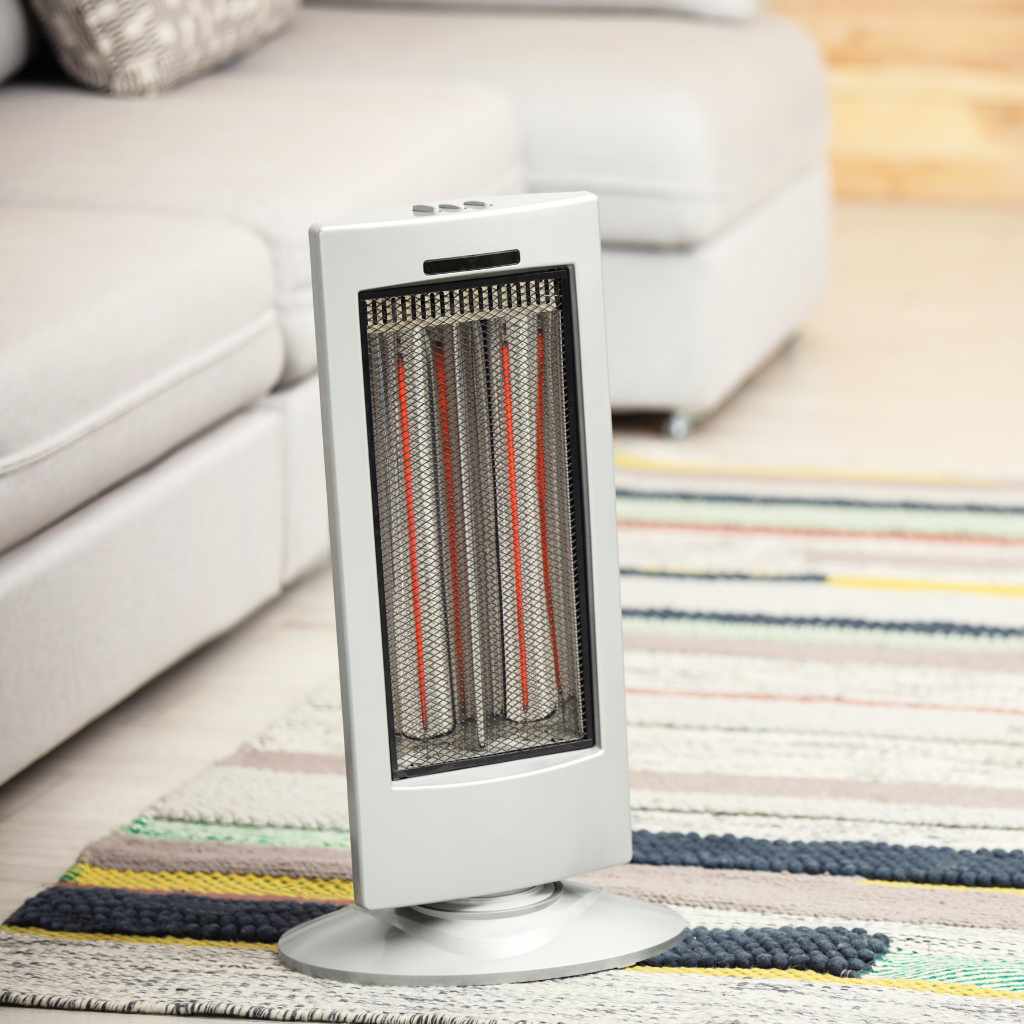
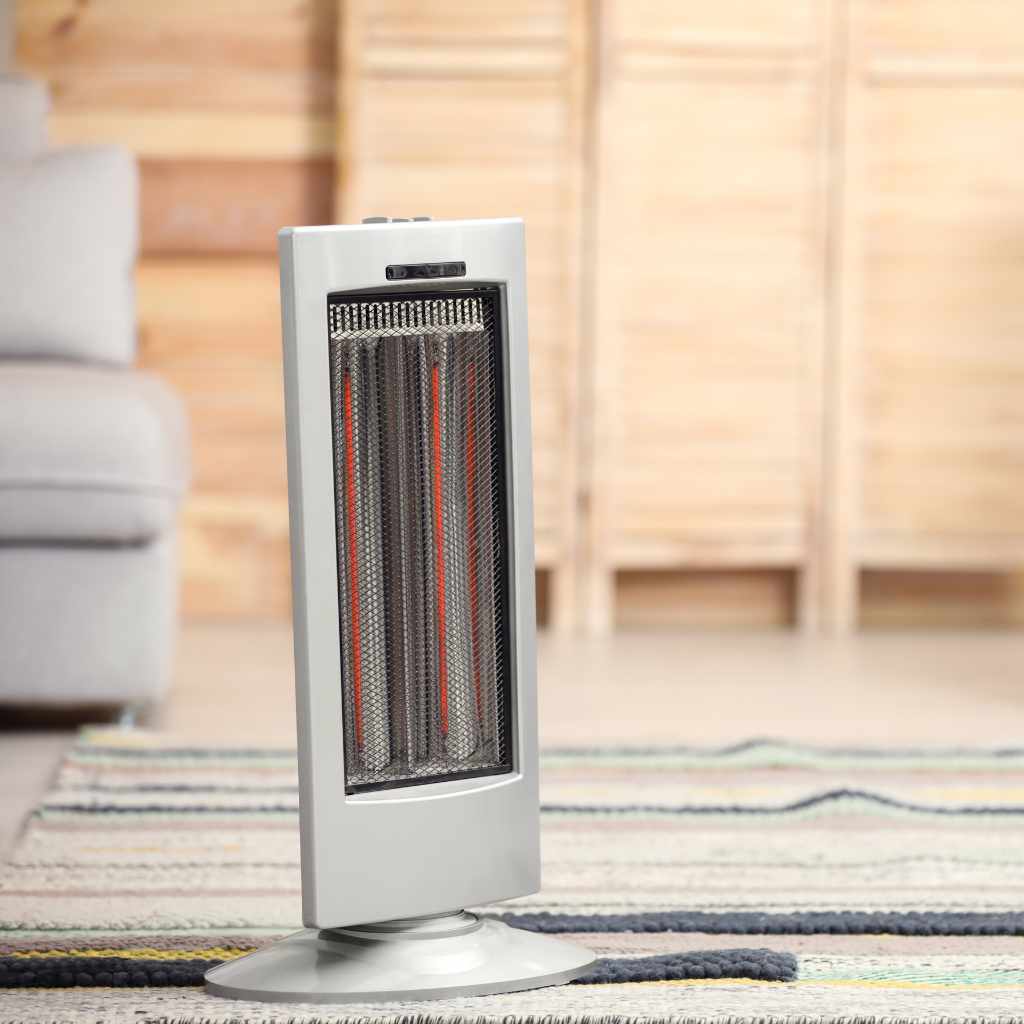
Infrared (or radiant) heaters work without needing to heat the air first. They emit electromagnetic waves—infrared energy—which travel directly to the objects and people in their path. When those waves hit you, they transfer their energy as heat!
This is why you can stand in front of an electric fireplace or a museum display; you feel the warmth instantly, even if the air around you is still cold.
How Infrared Heaters Work (The Beam of Heat)
Infrared heat is almost like light, but you feel it. Think about stepping into a patch of sun on a cold winter day. The sun’s rays travel through the air and warm your skin directly.
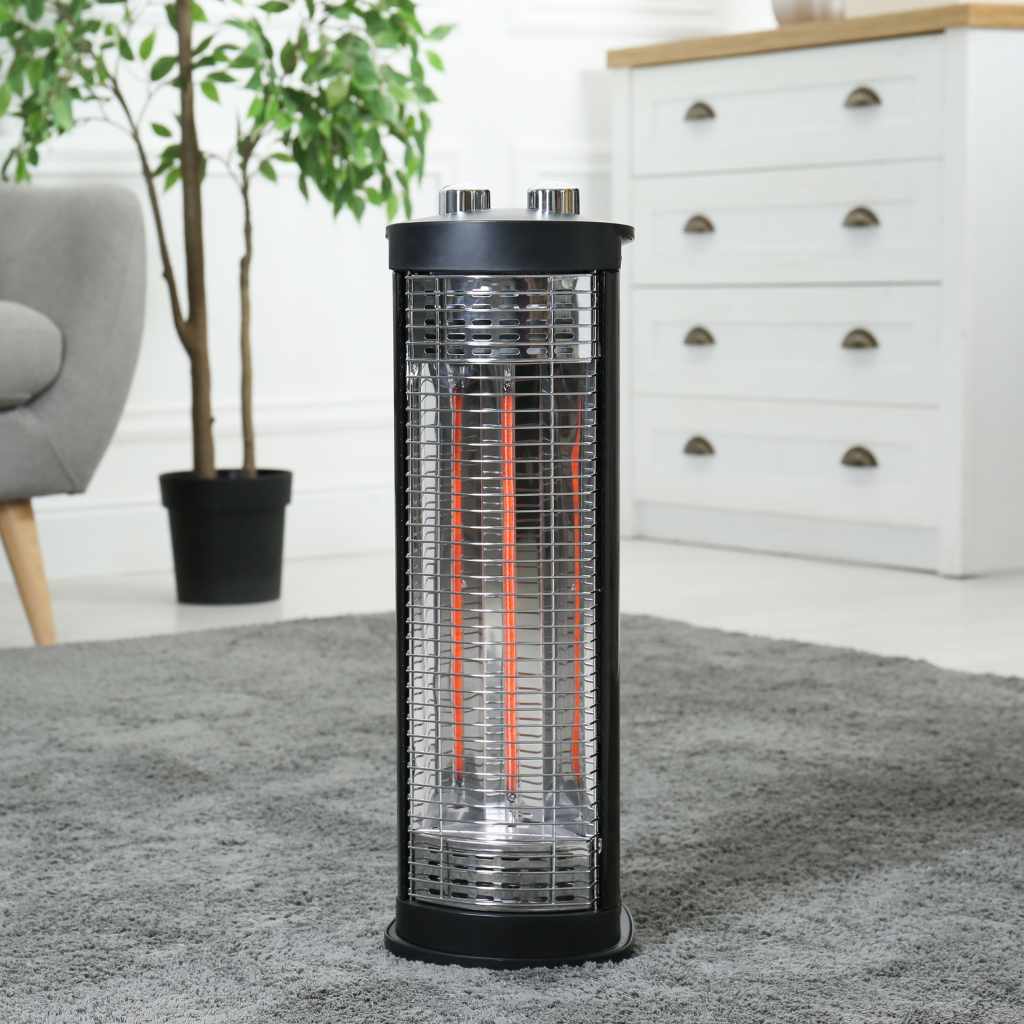
- Emission: Electricity heats up a quartz tube, ceramic element, or metal coil within the unit.
- Radiation: This hot element emits invisible infrared waves.
- Contact: These waves stream out until they hit a solid surface (a chair, a wall, or you!).
- Absorption: The surface absorbs the energy and converts it to feelable heat immediately.
Pros and Cons of Infrared Heaters
Infrared heaters shine when you need targeted comfort quickly. But they have specific limitations:
- Pros: Extremely fast results, very energy efficient for spot heating, does not use air movement (good for allergy sufferers).
- Cons: Heat doesn’t travel around corners or through furniture, heat dissipates quickly when turned off, focused beam means you might feel cold if you move out of range.
Convection Vs Infrared Space Heaters: The Head-to-Head Comparison
To make the decision clear, let’s stack them up side-by-side based on the factors that matter most to homeowners: speed, efficiency, sound, and usage location.
Key Performance Metrics Table
| Feature | Convection Heater | Infrared Heater |
|---|---|---|
| Heating Method | Heats air, which then circulates (widespread). | Heats objects and people directly (targeted). |
| Speed of Heat | Slow (needs time to cycle the room air). | Instant (feel warmth immediately). |
| Best For | Small to medium, well-insulated rooms; overall ambient warmth. | Desk areas, workshops, or heating only one specific spot. |
| Noise Level | Very quiet or silent (unless oil-filled). Fans create low noise. | Usually silent, unless it has a fan assist. |
| Energy Use (Perceived) | Lower energy use if used to maintain a steady temperature. | More energy-efficient for short-term, highly focused use. |
| Safety Concern | Surface can still be hot; fan blowing dust around. | The direct beam is intense; surfaces near the element get hotter. |
Choosing the Right Heater for Your Space (The Practical Guide)
Deciding between convection and infrared isn’t about which one is “better”—it’s about which one is better suited for your specific problem. Here are practical scenarios to guide your choice.
When to Choose a Convection Heater
Convection shines when ambient temperature matters most. Use this option if your goal is to make the entire area comfortable, perhaps for overnight heating or in a space where comfort must be consistent.
- Bedrooms: You want the entire room to slowly reach a cozy temperature before you fall asleep.
- Drafty Living Rooms (if well-insulated): If you have high ceilings or need the air itself to warm up, convection is your friend.
- Quiet Spaces: If you are sensitive to noise, look for oil-filled cabinet convection heaters which operate almost silently.
- Infant Nurseries: The steady, gentle heat prevents sudden temperature spikes or cold spots, which is safer for babies.
Pro Tip: If you look at an Energy Star certified space heater, it often utilizes efficient convection principles paired with good insulation to maximize room coverage safely.
When to Choose an Infrared Heater
Infrared is the superhero of instant, localized warmth. If you can point the heat exactly where you need it for a short time, infrared saves energy by not trying to warm the air you aren’t using.
- Home Offices or Desks: Heat your core body temperature while working, allowing you to keep the thermostat lower for the rest of the house.
- Garages or Workshops: You only need warmth while you are actively working on a specific task near the tool bench.
- Damp Areas (e.g., small sunrooms): Radiant heat can gently warm surfaces, helping to dry out cold, damp spots without constantly circulating potentially damp air.
- Immediate Relief Outdoors: Patio infrared heaters are common because they heat people sitting outside, even if the surrounding air is cold.
Important Note on Safety: Because infrared heaters project such intense, direct heat, always consult manufacturer guidelines regarding the minimum safe distance from furniture, curtains, and people. For best regulatory practices, you can always review general guidelines like those provided by the U.S. Department of Energy on space heater safety.
Beyond Heat Type: Important Features to Check
Once you decide between the air-warming convection style and the beam-shooting infrared type, you still need to look for safety and efficiency features that apply to both categories.
Safety is Non-Negotiable
Portable heaters are a common source of household accidents if used improperly. Always look for these features, regardless of the heating technology inside:
- Tip-Over Protection: The heater must automatically shut off if knocked over. This is essential!
- Overheat Protection: Sensors that shut the unit down if internal temperatures get too high.
- Cool-Touch Exterior (or Low Surface Temperature): Especially important in homes with pets or small children. Convection models often excel here by encapsulating heating elements.
- Adjustable Thermostat: Allows you to set a specific comfortable temperature rather than just running on “High.”
Energy Efficiency: Reading the Labels
While both types can be 100% efficient at converting electricity into heat, their operational efficiency differs based on use. A heater labeled as 1500 watts will use the same amount of electricity per hour whether it’s convection or infrared. The difference is how fast you feel warm and if you keep it running.
To maximize efficiency in either type:
- Use a Timer: Set the heater to turn off an hour after you leave the room or go to bed.
- Zone Heating: Don’t heat an entire empty house. Focus the heat where you are. This is where infrared shines brightest!
- Insulation Check: Remember, no heater can defeat leaky windows or poor insulation. Before buying a powerful heater, check for simple fixes like weatherstripping—it’s often the coziest and cheapest fix available.
Deep Dive: Common Types Under Each Category
To further help your selection, let’s look at the physical forms these two technologies often take.
Popular Convection Heater Models
These heaters rely heavily on moving air or utilizing a medium to hold and slowly release heat—ensuring even distribution.
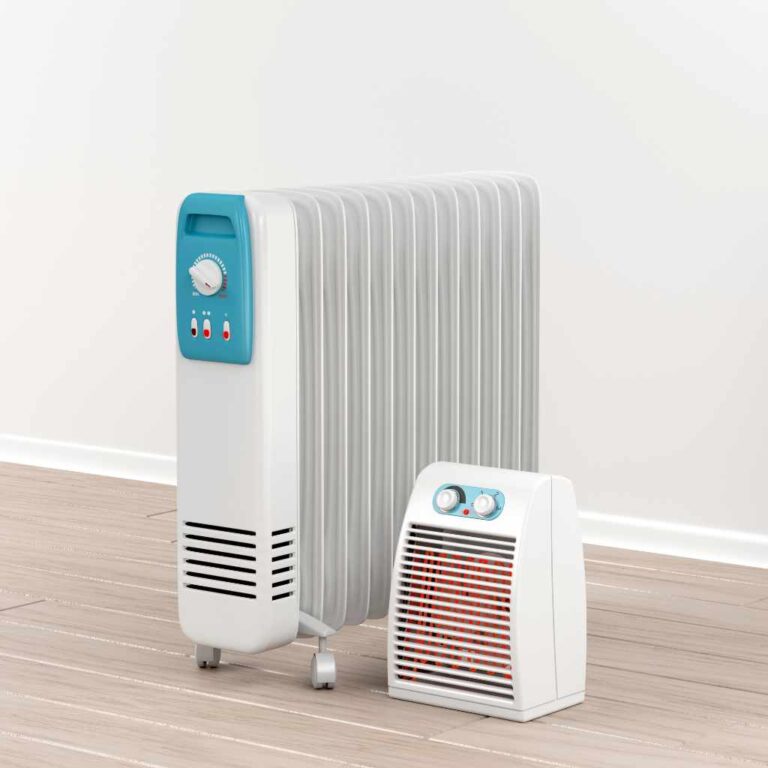
- Oil-Filled Radiators: These are sealed units filled with diathermic oil. The oil is heated electrically, and it retains that warmth exceptionally well, releasing gentle, silent heat long after the power shuts off. They are slow to start but provide excellent, steady ambient heat.
- Cabinet Fan Heaters: These units use an internal fan to quickly blow air over a heating element (usually ceramic or metal coils). They are faster than oil-filled units but rely on the fan motor, which creates slight operational noise.
Popular Infrared Heater Models
Infrared heaters are often distinguished by the material used to generate the radiant waves.
- Quartz Heaters: Famous for deep, penetrating warmth. They use quartz tubes around the heating wire, which are highly effective at channeling infrared energy forward. They warm up very fast.
- Ceramic Heaters (with Fan Assist): While many modern ceramic heaters use a small fan to push the warm air out (making them hybrid convectors), many compact desktop ceramic models focus primarily on radiating heat directly in front of the unit.
- Panel Heaters: These often use thin metal or carbon film elements that gently glow when heated. They are great for mounting on a wall, providing a wide, gentle column of radiant heat without taking up floor space.
Putting It All Together: Your Purchase Decision Tree
Use these simple questions to navigate the final choice:
- Do I need comfort now? If Yes — Lean heavily toward Infrared.
- Do I need the whole room to feel warm? If Yes — Lean heavily toward Convection.
- Is the room very large or poorly insulated? If Yes — Neither will be perfectly efficient, but Convection will provide better overall coverage, though slowly.
- Do I need quiet operation for sleeping? If Yes — Look for an Oil-Filled Convection unit.
- Am I only heating myself while sitting still? If Yes — Infrared saves energy by ignoring the rest of the room.
Remember, pairing a main HVAC system with a booster heater is common practice. If your main furnace struggles to keep up in one cold corner, a targeted infrared booster might solve the problem cheaply. If your main heat dips too low overnight, a quiet convection unit can gently lift the overall ambient temperature.
Frequently Asked Questions (FAQ) for Beginner Heater Buyers
Got lingering questions about watts, safety, or placement? We’ve got quick answers for you here.
Q1: How many watts do I need for a 10×10 room?
For most well-insulated rooms around 100 square feet (10×10), a standard portable heater rated at 1500 watts is generally sufficient to provide auxiliary heat. Always check the wattage rating against your intended area size.
Q2: Are infrared heaters safe if they point at me all day?
Infrared heaters are very safe when used correctly and meet modern safety standards (like tip-over shutoff). However, the direct rays can feel intensely hot; prolonged, fixed exposure should be avoided, similar to sitting too close to a campfire. Follow the recommended safe distance listed by the manufacturer.
Q3: Which type uses less energy overall?
Neither uses less electricity when running at the same wattage level. However, infrared heaters become operationally more energy-efficient because they heat you faster, allowing you to turn them off sooner, or you can set your main thermostat lower while using the infrared heater just for spot comfort.
Q4: Can I use a convection heater in a small bathroom?
Yes, but only if the unit is specifically rated for damp or wet locations (look for a high IP rating). Standard space heaters, both convection and infrared, should never be used where they can fall into standing water or be splashed heavily.
Q5: Do convection heaters dry out the air?
Generally, convection heaters do not significantly dry out the air because they rely on moving existing air. Fan-assisted convection heaters might cause a slight feeling of dryness due to air circulation, but less so than evaporative cooling methods.
Q6: What is the advantage of an oil-filled convection heater over a fan-forced one?
The main advantage of oil-filled convection heaters is noise and sustained heat. They are silent and the oil acts as a thermal battery, keeping the room warm gently even after the heating element cycles off, leading to very consistent room temperatures.
Final Thoughts on Finding Your Perfect Warmth
We’ve covered the core differences between convection units that warm the air and infrared units that warm you directly. You now have the knowledge to stop guessing and start choosing with confidence.
Remember this simple takeaway: If you need your entire bubble of space to feel pleasantly warm—like a cozy blanket over the room—reach for convection. If you are sitting at a desk and just need your hands and body warmed up immediately, infrared is your fast-acting solution.
No matter which path you choose, prioritize safety features like tip-over and overheat protection. By matching the technology to your heating need, you will enjoy a warmer, safer, and more cost-effective winter season. Go ahead, select the perfect heater, plug it in safely, and settle into the cozy home comfort you deserve!