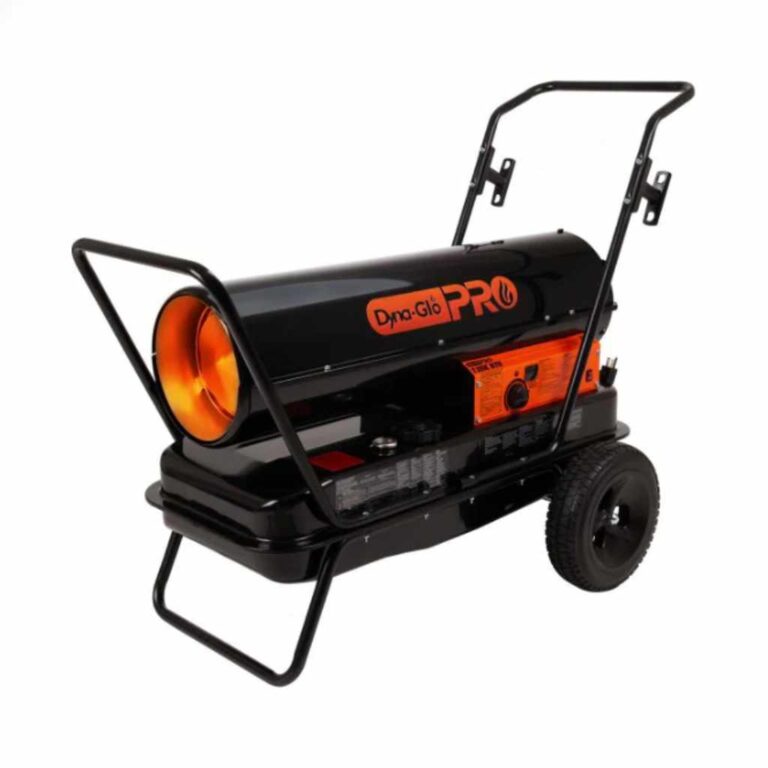
Propane Vs Kerosene Garage Heater: Proven Essential Choice
For a warm garage without hassle, propane heaters are often the top choice over kerosene. Propane generally offers cleaner burning, easier fuel storage, and simpler setup for most homeowners doing DIY weekend projects. Kerosene excels in extreme sustained cold but requires more maintenance and has a stronger odor.
For the safety side of this topic, Are Propane Torpedo Heaters Safe Indoors: Safety gives readers a practical next check before using a heater.
For a closely related heater topic, Torpedo Heater Propane Vs Kerosene gives readers a useful next step.
For space-specific heating decisions, Garage Heater Kerosene Vs Propane gives readers another practical setup to compare.
Are you tired of shivering while trying to work in your garage during the cooler months? Choosing the right heater can feel overwhelming. You stack up the choices: the immediate heat of propane or the deep warmth of kerosene. It’s easy to get stuck trying to figure out which fuel source is best for your space, efficiency, and safety.
Don’t worry! I’m Tanim, and I’m here to make this simple. We will walk through propane and kerosene side-by-side, focusing only on what truly matters to keep you cozy and safe. By the end of this guide, you will confidently know which fuel type is your “proven essential choice.” Let’s get your workshop warm enough for year-round projects!
Understanding the Two Titans: Propane vs. Kerosene Garage Heaters
When we talk about heating a space like a garage cheaply and effectively, two fuel sources dominate the conversation: propane (LP gas) and kerosene. They both provide fantastic, portable heat, which is why they beat out electric heaters for large, uninsulated spaces. However, their mechanics, cost, safety profiles, and ease of use differ significantly.
Think of propane as the quick, clean starter for short jobs, and kerosene as the heavy-duty fuel for marathon warming sessions. Understanding this core difference is the first step in choosing wisely.
The Propane Advantage: Clean Heat for Quick Jobs
Propane heaters are incredibly popular because the fuel burns very cleanly compared to other fossil fuels. They are easy to set up—often just attaching a standard BBQ-style tank. This makes them ideal for homeowners who only need heat intermittently.
Pros of Using Propane Heaters:
- Clean Burn: Produces less soot and odor than kerosene.
- Easy Fuel Source: Utilizes readily available, easily refillable or exchangeable tanks (like the ones for your grill).
- Fast Heat-Up: Often reaches target temperature quickly.
- Portability Ease: Simple to move around as needed for different tasks.
Cons of Using Propane Heaters:
- Fuel Supply Limitations: Tanks need frequent swapping or refilling.
- Cost Volatility: Propane prices fluctuate.
- Oxygen Depletion: Can quickly use up available oxygen in smaller, unventilated spaces. Ventilation is crucial.
The Kerosene Powerhouse: Deep, Sustained Warmth
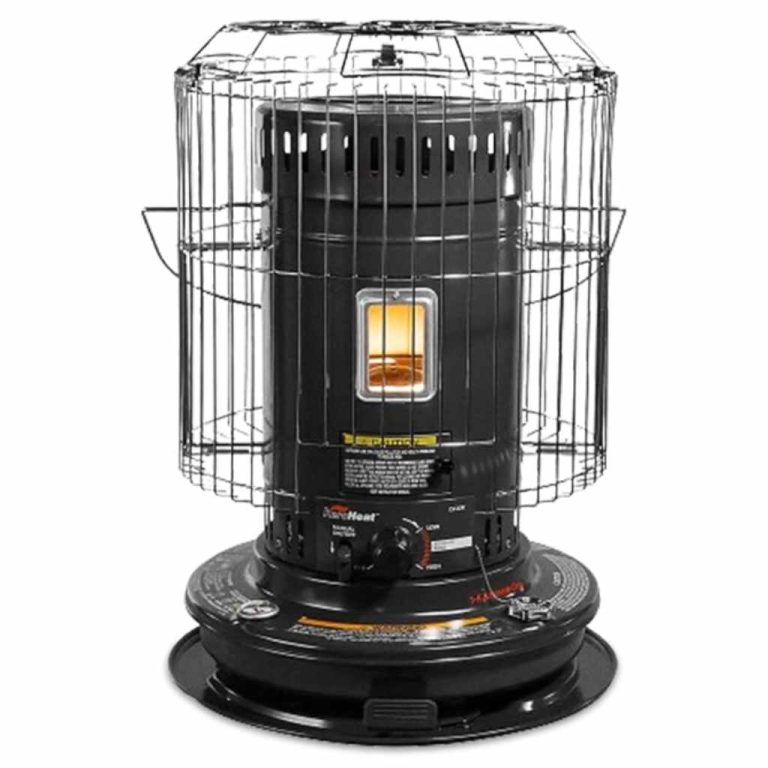
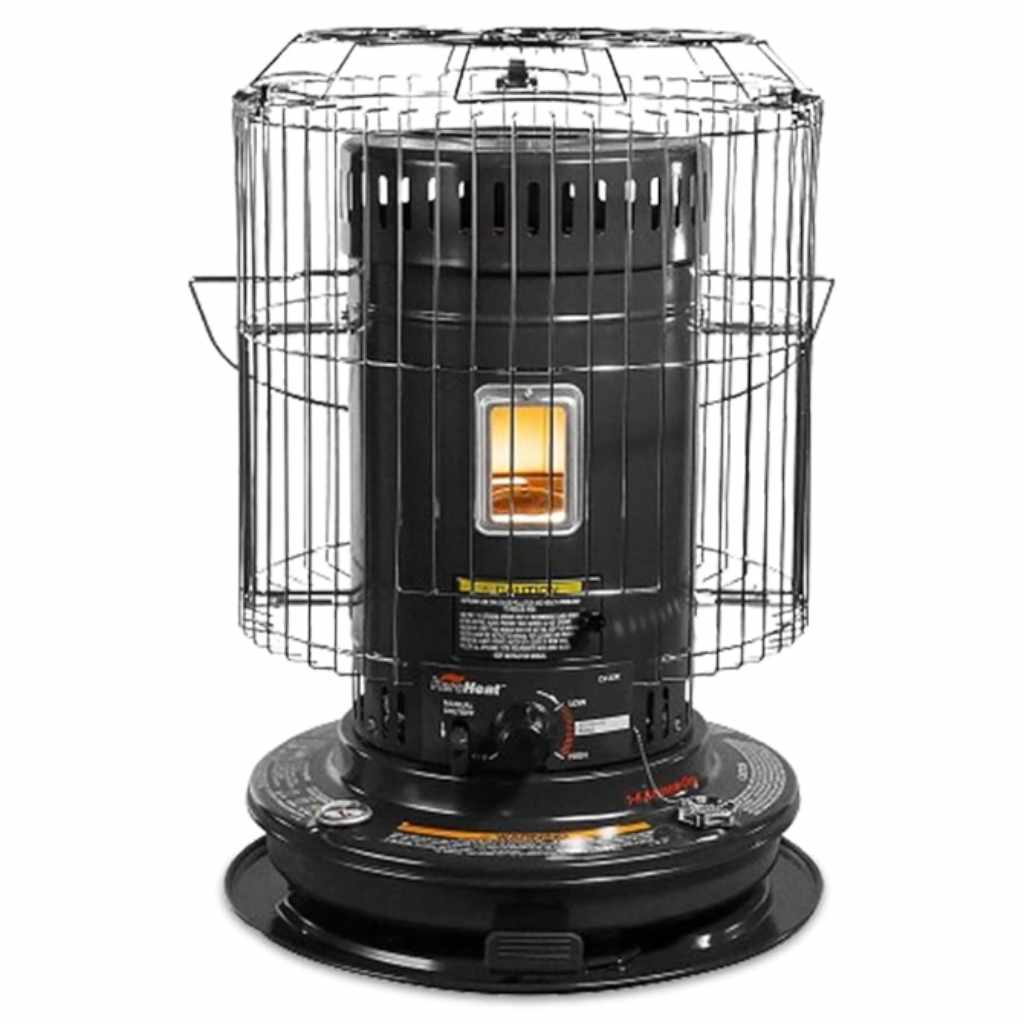
Kerosene heaters are the workhorses. They hold a lot of energy in their fuel, meaning they can run for much longer periods before needing a refill. They are often favored in very cold climates or workshops where heat needs to be maintained consistently over many hours.
Pros of Using Kerosene Heaters:
- Fuel Longevity: Kerosene burns slower, offering extended run times from a single tank fill.
- Intense Heat Output: Excels at maintaining high temperatures in very cold environments.
- Fuel Storage Stability: Kerosene often stores longer than propane without significant quality loss.
Cons of Using Kerosene Heaters:
- Odor and Soot: Kerosene produces a noticeable smell, especially when starting up or shutting down, and leaves more soot residue.
- Refueling Mess: Refueling an active tank can be messy and requires handling the liquid fuel.
- Maintenance Needs: Requires more frequent wick cleaning or monitoring than propane units to ensure efficiency.
Head-to-Head Comparison: Propane vs. Kerosene Garage Heater
To help you visualize the differences quickly, let’s look at the key factors side-by-side. This comparison focuses purely on the decision-making criteria for the average homeowner.
| Feature | Propane Heaters | Kerosene Heaters |
|---|---|---|
| Fuel Availability | Very easy; standard BBQ tanks. | Requires purchasing specific K-1 grade kerosene. |
| Odor/Smell | Minimal, very clean burn. | Noticeable, especially during startup/shutdown. |
| Required Ventilation | Essential (uses oxygen rapidly). | Essential (requires fresh air intake). |
| Run Time on Tank | Shorter (depends heavily on tank size). | Longer, often 8–20 hours per tank fill. |
| Startup Heat | Very fast heat delivery. | Slightly slower initial heat-up. |
| Installation Effort | Easiest – attach tank and turn on. | Requires filling a built-in reservoir; possibly some initial wick priming. |
Determining Your Essential Heat Choice: 3 Key Questions
The “best” choice depends entirely on how you use your garage. Ask yourself these three simple questions to narrow down your path to victory.
1. How Often Will You Use the Heater?
If you only heat the garage for 1–2 hours on a Saturday morning to fix something or do brief work, propane’s quick startup and clean burn are perfect. You hate fiddling with things; you just want warmth now.
If you run a side business or need the garage maintained at a comfortable temperature for 6–8 hours straight, kerosene’s long fuel life might save you the hassle of refueling mid-project.
2. What is Your Primary Concern: Smells or Fuel Capacity?
For hobbyists who care deeply about air quality (like woodworkers or painters where fumes matter), propane is the clear winner for its low odor output. The cleaner the air, the happier you’ll be.
If you are working in extreme cold (think Northern winters) and need continuous high heat output over a very long day, the energy density and runtime of kerosene win out.
3. How Are You Set Up for Fuel Storage?
Do you already have a propane tank for your grill? If so, you are instantly set up for propane heaters. This reuse factor is a massive convenience bonus.
If you don’t mind buying and safely storing liquid kerosene (which requires specific, non-porous metal cans and following local fire codes), then kerosene is an option. Remember, always store fuel outside the immediate heating area.
Safety First: Understanding Proper Ventilation
This is the most critical part of using any fuel-burning appliance indoors. Whether you choose propane or kerosene, they both consume oxygen and produce carbon monoxide (CO). CO is called the silent killer because you cannot see or smell it.
When you burn propane or kerosene, you are essentially burning air. If you don’t replace that air, you choke the flame and risk dangerous CO buildup, or, in milder cases, the heater simply sputters out.
Ventilation Requirements: The Non-Negotiables
- Open a Door Slightly: Even cracking a garage door a couple of inches provides crucial fresh air exchange.
- Use a Crack in a Window: If you have windows, ensure at least one is slightly open, ideally opposite the working heater if possible.
- Invest in Carbon Monoxide Detectors: This isn’t optional; it’s essential. Place at least one battery-operated CO detector near the working area and check the batteries regularly. The Consumer Product Safety Commission (CPSC) emphasizes the necessity of CO alarms near all fuel-burning appliances.
For non-direct-vent heaters (which most portable garage heaters are), remember this mantra: Outdoor air must always replace the air being burned in the heating unit.
Step-by-Step Guide: Setting Up Your New Heater Like a Pro
Once you decide between propane or kerosene, the setup process is generally straightforward. Follow these steps to ensure safe and effective heating.
Setting Up a Portable Propane Heater (The Quick Start Method)
This usually applies to “salamander” style forced-air propane heaters or small cabinet or “mr. heater” style heaters.
- Inspect the Heater: Ensure all shipping materials, plastics, and ties are removed. Check the hose and regulator connection for any visible cracks or damage.
- Position Safely: Place the heater on a non-flammable surface (concrete floor is great). Ensure at least three feet of clear space exists between the heater and any flammable materials (sawdust, stored cardboard, rags).
- Attach the Tank: Securely attach the regulator hose to the propane tank outlet. Open the main tank valve slowly.
- Purge the Line (If needed): For the very first use, you might need to briefly turn the heater pilot or ignition on and off until the gas line is fully pressurized.
- Ignite: Follow the manufacturer’s specific ignition steps (usually pressing an ignition button or using a long wand lighter). Set your desired thermostat level.
- Ventilate: Immediately crack the garage door or window as discussed above.
Setting Up a Kerosene Heater (The Reliable Warmth Method)
Kerosene units often cycle heat differently, relying on an internal wick system or pressure-fed combustion.
- Fuel Purchase: Only use clear K-1 kerosene (never gasoline or improper fuel).
- Fill the Reservoir: Carry the heater outside, or place it on protective plastic sheeting. Carefully pour the kerosene into the tank reservoir, leaving room for expansion. Do not overfill past the indicator mark.
- Wick Priming (If Applicable): If this is a brand-new wick heater, you must let the wick soak for 15–30 minutes before attempting the first light so it doesn’t burn dry.
- Establish Burn: Light the heater per instructions. Often, you must let it run on high for the first 15 minutes to “burn off” initial residue, then adjust the knob down once steady heat is achieved.
- Ventilate: Crack open a door or window. Kerosene requires constant fresh air.
For practical maintenance, checking fuel levels and cleaning the area around the air intake/exhaust port monthly is critical for both types to maintain efficiency. Think of it like changing the oil in your car—regular quick checks prevent big problems!
Cost Analysis: Which Fuel Saves You Money?
This is where things get tricky because local fuel prices change constantly. However, we can look at the general energy content of the fuels.
Kerosene generally holds more accessible heat energy per gallon than propane does per pound. This means, gram-for-gram, kerosene is slightly more efficient at producing raw, sustained BTUs.
Understanding BTUs
BTUs (British Thermal Units) measure heat output. A homeowner often needs about 100 BTUs per square foot for a standard garage space. If you have a large, poorly insulated garage, you might need 50,000 BTUs or more.
Example Cost Check (Hypothetical Pricing):
This comparison shows generalized costs based on relative fuel prices and efficiency:
| Metric | Running Kerosene for 8 Hours | Running Propane for 8 Hours |
|---|---|---|
| Approx. Fuel Consumption | 0.5 – 0.8 Gallons | Equivalent of one standard 20lb BBQ Tank |
| Estimated Running Cost | Lower (Due to higher energy density per unit cost) | Slightly Higher (May require 1.5 tanks’ worth of energy equivalent) |
| Refuel Hassle | Medium (requires handling liquid fuel) | Low (swap tank) |
Note: A standard 20lb propane tank holds about 4.7 gallons of liquid propane, but the energy output varies based on heater BTU rating.
The takeaway here is that Kerosene might be cheaper to run per hour if you are heating constantly. Propane is often cheaper to start using because many people already have the tanks needed.
Deeper Dive: Specialized Use Cases
Let’s look at when one type of heater clearly trumps the other based on specific situations. These scenarios can make the decision easy.
When Propane is the Overwhelming Winner:
- Light Commercial Use: If you are a contractor or need heat on various job sites rapidly, propane tanks are fast to swap and universally available at hardware stores across the country.
- Working with Finishes: If you are applying spray paint, lacquer, or epoxy coatings, odor management is crucial. Propane fumes are far less intrusive than kerosene diesel-like exhaust.
- Infrequent Use: If the heater sits unused for months, propane fuel (being stored as a pressurized gas) is less prone to degrading than liquid kerosene might be over long storage periods.
When Kerosene is the Proven Champion:
- Extreme Cold Snaps: When temperatures drop to sub-zero levels and you need continuous, reliable output to prevent pipes from freezing or materials from cracking, kerosene’s sustained power often proves superior.
- Construction Sites (Remote): On large, open construction sites far from an easily accessible propane exchange, large drums of stored kerosene can provide logistical advantages for continuous operation.
- Longer Continuous Run Time Required: If your 8-hour workday means no time for refueling, a large kerosene unit provides peace of mind that the heat won’t stop mid-task.
Maintenance Checklists for Longevity
To ensure your investment lasts and runs safely, routine maintenance is key. Here is a simple rundown based on fuel type.
Propane Heater Maintenance (Focus on Airflow and Connections)
- Check Regulator Hose: Inspect hoses annually for cracking or brittleness.
- Clean the Blower Fan: Dust buildup on the blower fan reduces heat distribution. Use a vacuum attachment monthly.
- Monitor Gas Flow: If the flame appears weak, check the tank level and ensure the regulator is working correctly.
Kerosene Heater Maintenance (Focus on the Burner/Wick)
- Wick Management: Carbon buildup on the wick lowers efficiency. Follow the manual for burning off deposits (usually by running it high for 15 minutes periodically) or replacing the wick entirely as recommended.
- Clean the Burner Assembly: Periodically check the combustion chamber for soot buildup and gently clean it according to documentation.
- Use Only K-1 Fuel: Dirt or using the wrong grade of kerosene clogs the system quickly. Always buy from reputable sources. For official guidelines on fuel safety, consult resources like the National Fire Protection Association (NFPA) references on fuel storage safety.
FAQ: Beginner Questions About Garage Heating
1. Can I use a propane heater inside my attached garage?
Yes, but only models specifically rated for indoor/garage use, and you MUST adhere to the ventilation guidelines. They require fresh air to operate safely and prevent carbon monoxide danger.
2. Is kerosene fuel safe to store in my garage during the summer?
Kerosene (K-1 grade) is combustible, not flammable, which gives it a slightly higher flashpoint than gasoline, making it marginally safer for storage when kept in approved, sealed, metal containers away from ignition sources.
3. Which heater will warm my 2-car garage faster?
Generally, forced-air propane heaters are designed to cycle air and blast warm air quickly, so they often bring a space up to temperature faster than the radiant heat from many common kerosene models.
4. Do these heaters cause moisture problems?
Any combustion process (propane or kerosene) releases water vapor as a byproduct. In a well-insulated, tightly sealed garage, this can increase humidity. Cracking a window helps vent this moist air out.
5. What is the difference between radiant and forced air?
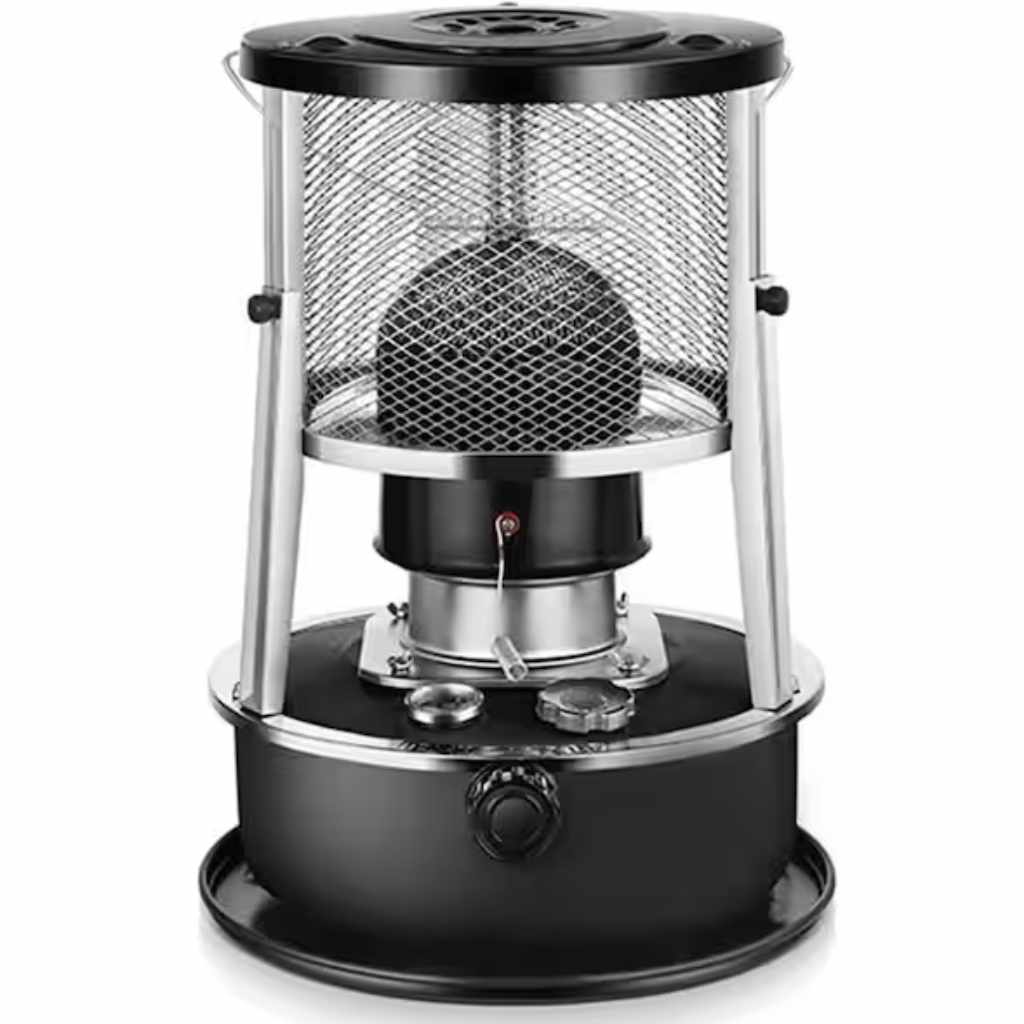
Radiant heaters—like some smaller kerosene models—heat objects and people directly in front of them. Forced air heaters—common in larger propane units—use a fan to blow the heated air around the whole room. Forced air offers more even