

Are you tired of chilly rooms and high heating bills? Choosing the right heater can make a big difference in your comfort and energy costs.
But with so many options out there, how do you know which one suits your needs best? Small ceramic heaters and conventional heaters both promise warmth, but they work very differently. Understanding these differences can help you make a smarter choice for your space and your wallet.
Keep reading to discover which heater is the perfect fit for you.
Ceramic Heaters Basics
Ceramic heaters offer a modern way to warm small spaces efficiently. They use special ceramic plates as the main heat source. This design helps them heat up quickly and stay safe during use.
Understanding how ceramic heaters work and their key features helps you choose the right heater. These basics also show why many prefer ceramic heaters over traditional models.
How Ceramic Heaters Work
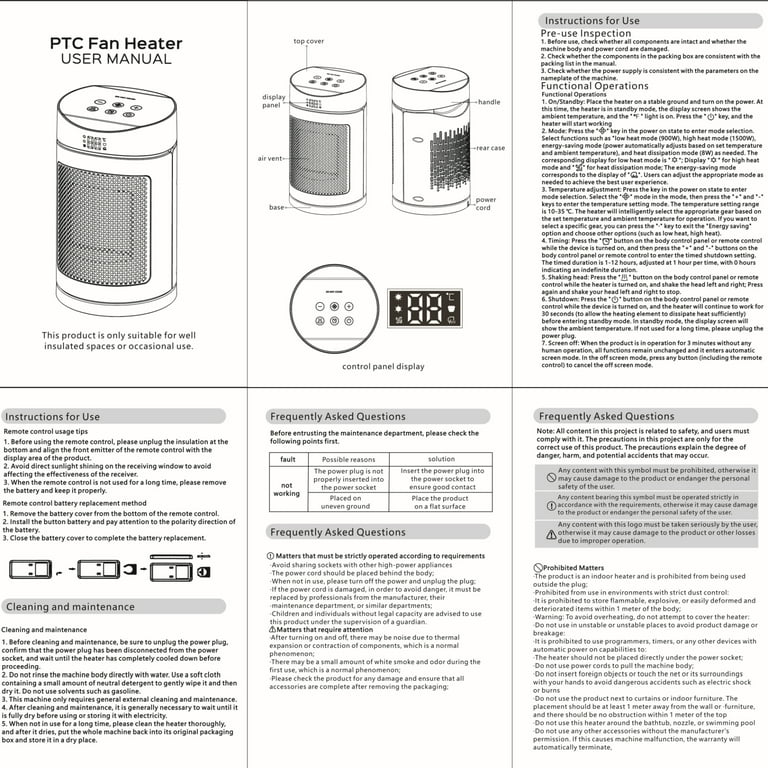
Ceramic heaters use ceramic plates that heat up when electricity passes through. A fan blows air over these hot plates. The air gets warm and spreads evenly across the room. This method heats the space fast and keeps energy use low.
Unlike conventional heaters, ceramic heaters do not use exposed heating coils. This makes them safer and less likely to cause burns or fires.
Key Features Of Ceramic Heaters
Ceramic heaters heat up quickly and cool down fast after use. They often have adjustable thermostats to control room temperature easily. Most models include built-in safety features like automatic shutoff if they tip over or overheat.
These heaters are usually lightweight and compact, making them easy to move. They work quietly, so they do not disturb daily activities or sleep. Ceramic heaters also consume less electricity compared to many conventional heaters.
Conventional Heaters Explained
Conventional heaters have been a popular choice for warming homes for many years. They use tried and true methods to create heat. These heaters come in different types and work in distinct ways. Understanding how they operate helps you compare them with newer heating options.
Many homes still rely on conventional heaters for their heating needs. These devices often run on electricity, gas, or oil. Their design focuses on spreading warmth evenly in a room. They can be simple but effective for daily use.
Types Of Conventional Heaters
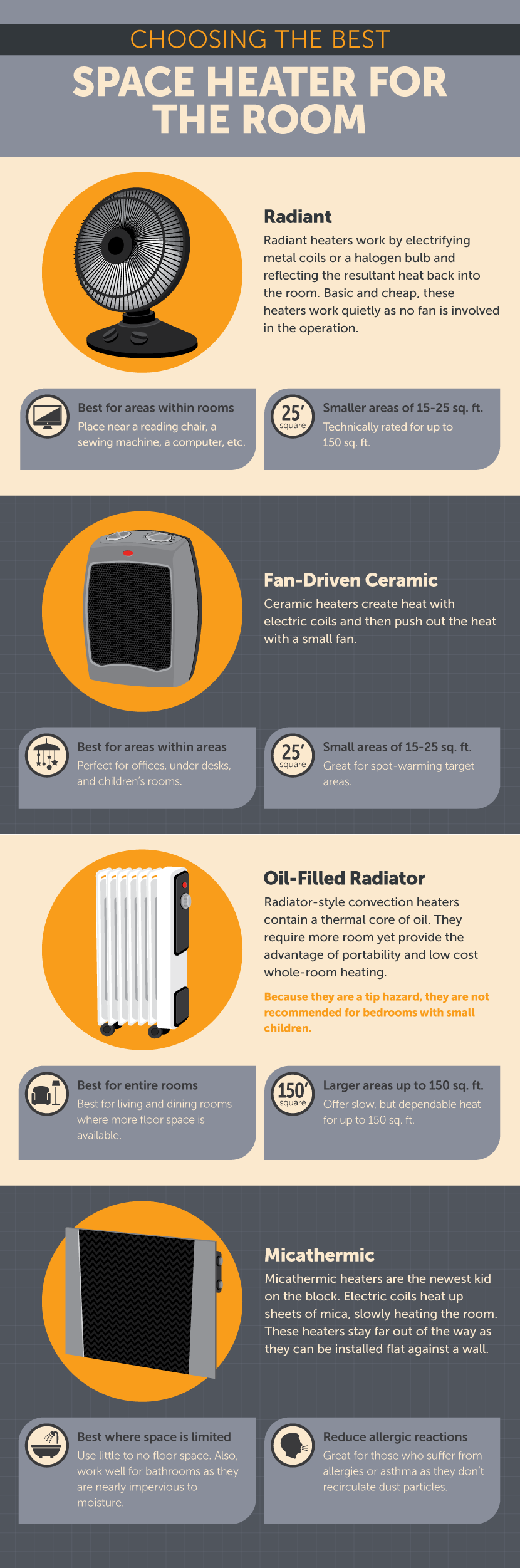
There are several types of conventional heaters available. The most common are baseboard heaters, radiant heaters, and convection heaters. Baseboard heaters use electric coils to warm the air near the floor. Radiant heaters produce heat that warms objects directly. Convection heaters warm the air and let it circulate in the room. Each type suits different heating needs and room sizes.
How Conventional Heaters Operate
Conventional heaters work by converting fuel or electricity into heat. Electric heaters use resistance wires that get hot when powered. Gas heaters burn fuel to produce heat, which is then spread by fans or natural airflow. Oil heaters heat oil inside the unit, which then warms the surrounding air. Most conventional heaters warm the air first, which then heats the room. This process can take a few minutes to feel the full effect.
Heating Efficiency Comparison
Heating efficiency is a key factor in choosing a heater. It affects comfort and energy bills. Comparing small ceramic heaters and conventional heaters shows clear differences. Understanding these helps pick the right heater for your needs.
This section breaks down energy use and heat spread. Both impact how well a heater performs.
Energy Consumption
Small ceramic heaters use less electricity than many conventional models. They warm up quickly and adjust heat fast. This reduces wasted energy.
Conventional heaters may run longer to reach the same temperature. Their motors and fans often use more power. This can increase energy bills over time.
Choosing a heater with low energy consumption saves money. It also helps the environment by reducing power use.
Heat Distribution
Ceramic heaters spread heat evenly and gently. Their ceramic plates hold heat well and release it slowly. This creates a steady, warm feeling.
Conventional heaters use coils or fans to blow hot air. The heat can be uneven and cause hot spots. Some areas may feel too warm while others stay cold.
Even heat distribution improves comfort. It avoids chilly drafts or overly hot zones in the room.
Safety And Durability
Safety and durability are key factors when choosing a heater. Both small ceramic heaters and conventional heaters offer different benefits. Understanding their safety features and durability helps you pick the best option.
Safety Features In Ceramic Heaters
Ceramic heaters often include automatic shut-off systems. These turn the heater off if it tips over or overheats. The ceramic elements heat up quickly but stay cool to touch. This lowers the risk of burns. Many models have cool-touch exteriors and overheat protection. These features make ceramic heaters safer for homes with children or pets.
Durability Of Conventional Heaters
Conventional heaters use metal coils or oil-filled radiators. These parts are sturdy and last for many years. They can handle frequent use without breaking down. Some models require regular maintenance to keep working well. Conventional heaters are less likely to crack or get damaged easily. Their solid build often means a longer lifespan compared to ceramic heaters.
Cost And Maintenance
Cost and maintenance play a key role when choosing between small ceramic heaters and conventional heaters. These factors affect your budget and the time you spend caring for the heater. Understanding both can help you make a smart choice for your home or office.
Initial Investment
Small ceramic heaters usually cost less upfront than many conventional heaters. They are compact and use newer technology, which lowers the price. Conventional heaters vary widely in price, depending on size and type. Some models can be expensive due to complex parts.
Buying a ceramic heater can save money at the start. For basic heating needs, they offer good value. Conventional heaters might require a bigger initial spend but offer different heating styles and power levels.
Long-term Maintenance
Ceramic heaters need less maintenance over time. Their parts last longer and are easier to clean. They do not have fans or water tanks that can break or get dirty. This means fewer repairs and less worry.
Conventional heaters often need regular checks and cleaning. Some models use oil or water, which require refills and care. Fans and moving parts can wear out and need fixing. This can add to the long-term cost.

Portability And Design
Portability and design play a big role in choosing the right heater. Small ceramic heaters and conventional heaters differ greatly in these areas. Understanding these differences helps pick a heater that fits your space and lifestyle.
Size And Weight
Small ceramic heaters are compact and light. You can move them easily from room to room. Conventional heaters are often larger and heavier. They need more space and can be hard to carry. This makes ceramic heaters a better choice for small rooms or apartments.
Aesthetic Appeal
Ceramic heaters come in sleek and modern designs. They blend well with most home decor styles. Conventional heaters tend to look bulky and old-fashioned. They focus more on function than style. If you want a heater that looks good and fits in, ceramic models usually win.
Best Use Cases
Choosing the right heater depends on your needs and space. Both small ceramic heaters and conventional heaters serve different purposes. Understanding their best use cases helps you pick the perfect one. It saves energy and keeps you comfortable.
Each type has strengths for certain settings. Knowing these can improve your heating experience and reduce costs.
Ideal Settings For Ceramic Heaters
Ceramic heaters work well in small rooms or offices. They heat up quickly and focus warmth in a specific area. Their compact size makes them easy to move from room to room.
These heaters are great for personal use. They are safe because the ceramic element cools fast. Bedrooms, study rooms, and small living spaces benefit from ceramic heaters.
They also use less electricity, which helps lower bills. If you want quick heat in a limited space, ceramic heaters are a good choice.
When To Choose Conventional Heaters
Conventional heaters suit larger rooms or open spaces. They warm the whole area evenly but take longer to heat up. These heaters work well in living rooms or large offices.
They often use oil or other fluids to keep heat longer. This means the room stays warm even after turning off the heater. Conventional heaters are quieter and provide steady warmth.
Choose conventional heaters for longer use and bigger spaces. They are ideal when you need to heat multiple people or larger areas.
Frequently Asked Questions
What Are The Benefits Of Small Ceramic Heaters?
Small ceramic heaters heat up quickly and efficiently. They consume less energy and provide consistent warmth. Their compact size makes them portable and ideal for small spaces. They are safer due to cool-to-touch surfaces and often include automatic shut-off features.
How Do Ceramic Heaters Differ From Conventional Heaters?
Ceramic heaters use ceramic plates and fans for faster heating. Conventional heaters rely on metal coils or oil for warmth. Ceramic models are more energy-efficient and heat rooms evenly. Conventional heaters often take longer and may consume more power.
Are Small Ceramic Heaters Safer Than Conventional Ones?
Yes, small ceramic heaters are generally safer. Their surfaces stay cooler, reducing burn risks. They usually have built-in safety features like tip-over switches. Conventional heaters can get very hot and pose higher fire hazards if unattended.
Which Heater Type Is More Energy-efficient?
Small ceramic heaters are typically more energy-efficient. They heat spaces quickly and use less electricity. Conventional heaters often waste energy by warming air unevenly. Choosing ceramic heaters can lower your energy bills over time.
Conclusion
Small ceramic heaters use less energy and heat up quickly. Conventional heaters often take more time and use more power. Ceramic heaters are usually lighter and easier to move. Conventional models can be bulkier and harder to carry. Both types have benefits depending on your needs.
Choose a heater that fits your space and budget. Think about safety and energy costs too. This way, you get warmth without extra hassle. Small ceramic heaters offer a simple, efficient way to stay cozy.
Last Updated on December 19, 2025 by Tanim