Water heater safety tips every homeowner should know
If you smell gas, find water around the tank, or see the temperature-and-pressure valve leaking, shut off power or gas and call a pro; drain the tank once a year and test the valve two times a year. Miss those warnings and you can get scalds, carbon monoxide exposure, fire, or a flooded floor. This guide gives quick checks, shutoff steps, warning signs, and clear stop-DIY points.
What every homeowner should check first
Start with fuel, water, heat, and airflow. A storage tank water heater is still the most common type, usually holding 30 to 80 gallons, and it stores heated water all day, so a small fault can turn into a big mess fast. Treat every inspection like a safety check, not a tune-up. (consumerreports.org)
Before touching the unit, shut off the right source. Gas units need the gas supply closed; electric units need the breaker off; tankless units still need power and fuel isolated before covers come off or flushing starts. If a homeowner smells gas, sees scorch marks, hears hissing, or finds moisture around wiring, the job stops there.
The signs that mean stop and call for help
- Gas odor near the heater or vent
- Water at the base, even a slow puddle
- Rust-colored water from hot taps
- Breaker trips after the heater runs
- Steam, popping, or banging noises
- Water from the pressure relief valve
Those are failure signals, not maintenance reminders. A leak at the base can point to a tank breach. A relief valve that drips or dumps water can mean excess pressure, overheating, or a failed valve. Repeated breaker trips or a gas ignition problem should be treated as a shutdown event, not something to keep resetting.
According to Water Heater Buying Guide – Consumer Reports — Storage tank heaters typically hold 30 to 80 gallons. (source)
How hot should my water heater be set for safety?
For many homes, a commonly recommended target is around 120°F. That setting cuts scald risk while still giving enough hot water for normal use. Higher temperatures can help with demand, but they also raise the chance of burns, wasted energy, and stress on parts that already run hot every day.
Water heater temperature setting is a safety decision first. Many people turn the thermostat up because showers feel weak or a dishwasher seems slow, then forget that hotter water can burn skin in seconds. If children, older adults, or guests use the home, a lower setting is usually the better default.
The scald risk behind higher settings
Scalds happen fast. Water that feels “comfortably hot” in a sink can still injure skin at the tap, especially at the first burst of water after standby heating. Mixing valves at faucets can help, but they do not replace a sane tank setting.
If hot water feels inadequate at 120°F, the fix should start with demand management and plumbing checks, not a big thermostat jump. A water heater that is too cold can be a comfort issue. A water heater that is too hot can be an injury issue.
A practical thermostat target for most homes
Set the tank to the lowest temperature that still serves the household well, then check again after a day of normal use. If the unit is shared by children, frail adults, or frequent guests, keep the setting conservative and use faucet mixing where needed. That balance usually beats chasing hotter water.
What to do if your water heater is leaking
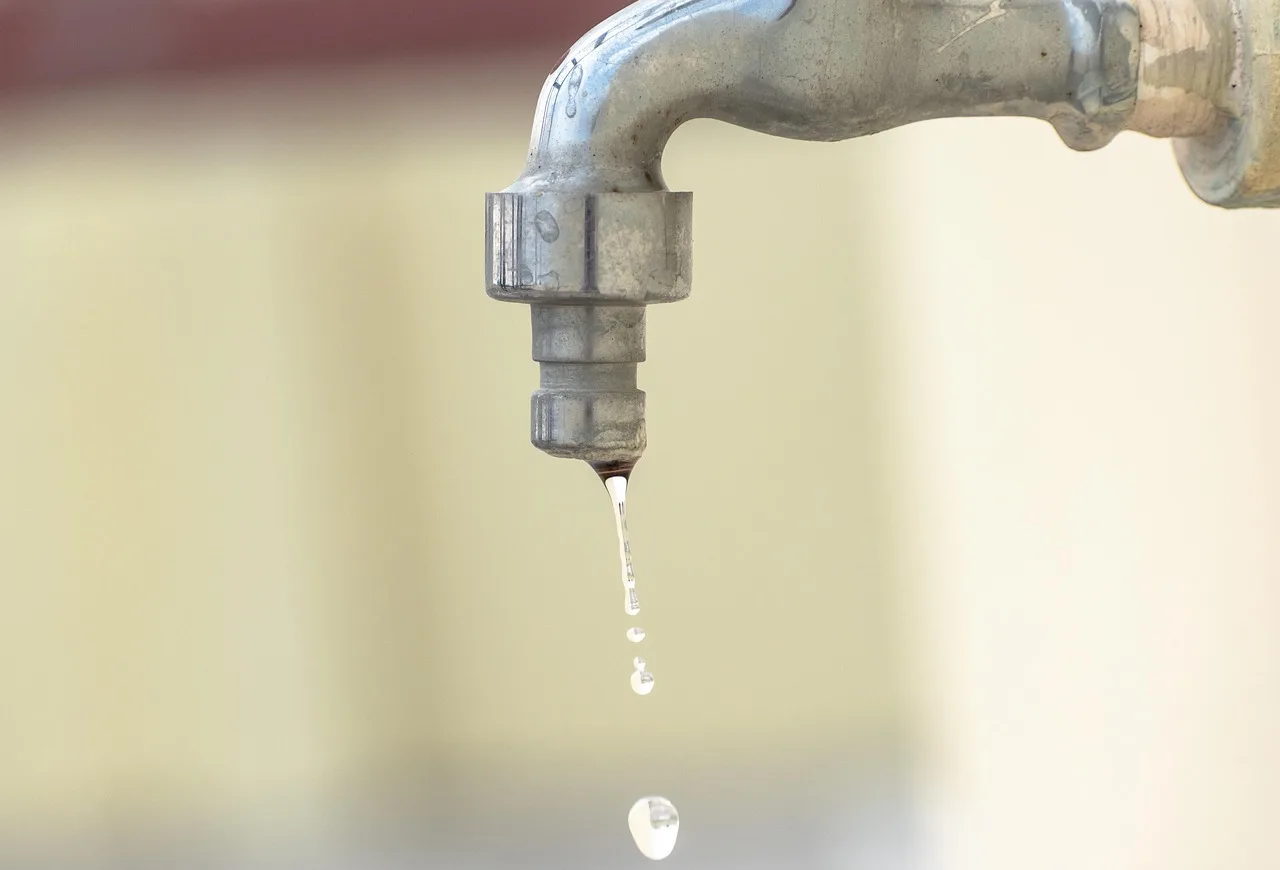
A leak is urgent because the source may be harmless condensation, a loose fitting, or a tank failure already in progress. First, identify whether the water is coming from a connection, the drain valve, the pressure relief valve, or the tank body. If the tank itself is wet or rusted through, stop DIY and prepare for replacement.
If water is pooling, shut off the water supply to the heater and then cut power or gas. Catching the leak early can prevent floor damage, but once water reaches electrical parts, insulation, or the burner compartment, the safety risk goes up fast. A dry towel and a second look are not enough.
How to tell a small issue from a serious failure
A loose fitting or tired drain valve can sometimes be corrected after shutdown. A pressure relief valve that drips during heating may be reacting to overpressure, overheating, or mineral buildup. A leak at the tank bottom, especially with rust stains, can suggest the tank has failed internally.
Consumer Reports warns not to wait for a leak or flood before shopping for a replacement. That warning matters because a tank can go from minor seepage to sudden failure with little notice, especially once corrosion starts inside the shell.
Which shutoff to use first
- Close the cold-water supply valve to stop incoming water.
- Turn off gas at the valve, or switch off the breaker for electric units.
- Do not relight, reset, or reopen panels until the leak source is known.
- If water reached wiring, burners, or insulation, call for service.
That sequence limits damage and reduces shock, fire, and burn risks. If the unit is in a finished space, protect nearby flooring and move stored items away from the leak path. A slow drip can still ruin drywall or subflooring.
How to inspect the pressure relief valve, drain valve, and sediment
The pressure relief valve is a key safety part for overpressure protection. It should stay dry under normal conditions, then open only when pressure or temperature rises too high. A little discharge tube moisture after testing can happen, but ongoing dripping, staining, or corrosion means the valve needs attention.
The drain valve is used when draining or flushing the tank. It should not weep constantly. Sediment, which is common in storage tank heaters, can make the unit noisy, cut efficiency, and interfere with safe draining if the valve clogs or sticks.
What normal operation looks and sounds like
A healthy tank usually runs quietly, with only mild expansion noises. The relief valve should remain closed except during a test or a true overtemperature event. The drain valve should close fully without a slow drip. If any of these parts are wet, crusted, or hard to operate, treat that as a warning.
Flushing clears loose sediment and helps a homeowner see whether the drain valve still works. If flushing brings out rust flakes, cloudy water, or heavy grit, the tank may be nearing the end of useful service. That is especially important on older storage tank units that have been holding heated water for years.
Leak signs, discharge signs, and rust clues
Water under the relief valve, rusty marks at the valve outlet, or mineral buildup on the discharge pipe can point to repeated opening. Rust-colored water from hot taps can come from tank corrosion, not just old pipes. When rust appears with a leak, the safest call is usually professional service.
Gas, electric, and tankless: the safety steps that change by type
Safety steps are not the same across fuel types. Gas water heaters, propane units, electric heaters, and tankless models fail in different ways, so the first move should match the appliance. Storage tank heaters may run on natural gas, propane, electricity, or oil, and the fuel source can affect the shutdown sequence.
Gas water heaters: pilot light, ignition, and gas odor warning signs
Gas water heater safety starts with odor and ignition awareness. If gas is smelled, stop work, close the gas supply if it is safe to reach, and leave the area for help if the odor is strong. Do not relight a pilot light if there is any doubt about gas buildup, burner damage, or venting problems.
When the pilot light or ignition system will not stay lit, repeated relighting can turn a small fault into a gas hazard. If a burner struggles to ignite, the vent looks blocked, or the unit has soot, shut it down and call a pro. Gas heaters generally cost about half as much to run as electric ones, but that cost advantage never offsets a safety issue.
Electric water heaters: breaker trips and safe shutdown
Electric water heaters should be isolated at the breaker before panels are opened or thermostat work begins. A tripping breaker can point to a bad element, wiring fault, moisture intrusion, or control failure. Resetting the breaker over and over is a bad trade; it can hide the problem while heat and damage build.
If the breaker trips again after reset, keep it off and inspect for water near the access panels or electrical connections. Any scorch smell, melted insulation, or visible corrosion means the work has moved beyond basic homeowner maintenance. Older electric water heaters can use even more household energy, which makes failing parts more noticeable over time.
Tankless units: flushing, descaling, and hot-water demand limits
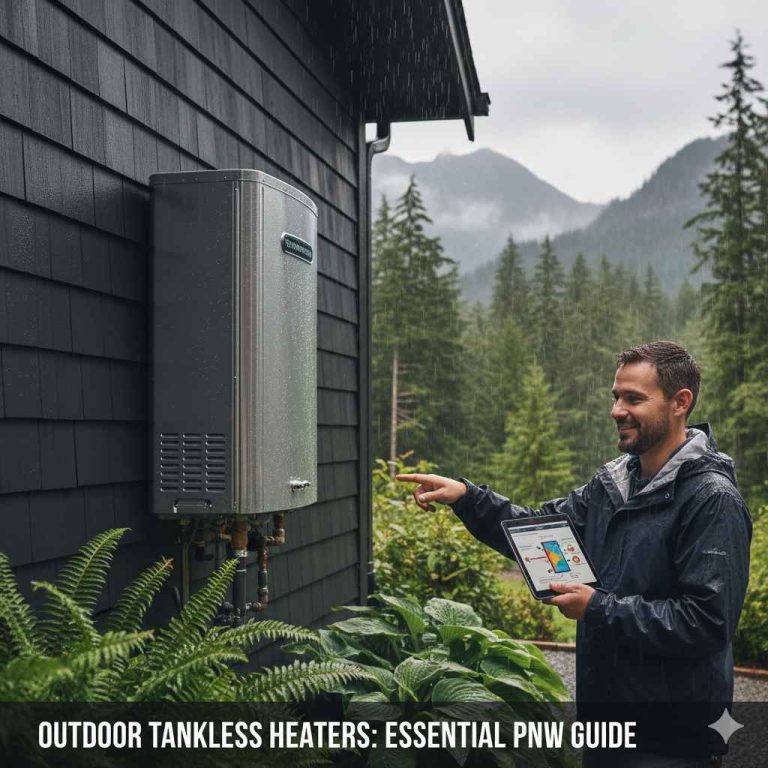
Tankless water heaters heat water as needed instead of storing it, and they use a heat exchanger. That design changes the safety checks: mineral buildup can narrow flow passages, so descaling and flushing every one to two years is common maintenance. Tankless models may not support simultaneous uses like a shower and dishwasher at the same time.
When hot water drops off during multiple uses, that may be a capacity limit rather than a failure. Still, sudden temperature swings, error codes, or repeat shutdowns should not be ignored. Those symptoms can point to venting, scale, or combustion issues that need service.
How often should I inspect a water heater for leaks?
Check the heater regularly and do a deeper seasonal review from time to time, especially after heavy use or a weather change. Look at the base, fittings, relief valve, drain valve, and nearby floor. Moisture, rust, or white mineral crust means the problem is active, not theoretical.
Monthly checks are quick. A flashlight, dry paper towel, and a few minutes are enough to catch many failures before they spread. Seasonal checks should include the space around the heater, because leaks often show up first on the floor or on nearby framing, not on the tank shell itself.
A simple inspection cadence homeowners can follow
- Monthly: look for moisture, rust, soot, or error lights
- Every 6 months: test the pressure relief valve carefully
- Yearly: flush storage tank sediment and review the temperature setting
- Every 1 to 2 years: service tankless descaling and flushing
Any moisture that returns after drying deserves attention. If a spot keeps reappearing, the source is still active. At that point, the job is no longer simple monitoring.
What to look at around the base, fittings, and nearby floor
Inspect the cold inlet, hot outlet, drain valve, relief valve outlet, and the floor line under the tank. Rust streaks, damp insulation, and warped flooring are all clues. If the surrounding area is wet, the heater may already be affecting nearby electrical or structural parts.
Why heat pump water heaters need different checks
Heat pump water heaters combine a storage tank with a heat pump, so they bring water, refrigeration, and airflow concerns into one appliance. They generally require a larger space or proper venting, and they produce condensation that must be managed. Some setups need a drain or a condensate pump.
That means a homeowner should watch more than just leaks. Poor airflow, blocked vents, or a clogged condensate path can make the unit work outside normal conditions. If the room feels damp, the floor is wet near the condensate line, or the unit sounds strained, service is overdue.
Space, airflow, and condensation
Do not cram a heat pump unit into a tight closet without checking the installation requirements. These heaters need room to move air properly. If airflow is restricted, performance falls and moisture can build where it should not.
Condensation is normal, but only when it is directed to a proper drain path. A missing, blocked, or disconnected condensate line can cause water damage that looks like a tank leak. The difference matters.
What are the warning signs of a failing water heater?
Warning signs include rust-colored water, popping or banging, new leaks, relief valve discharge, repeated breaker trips, burner problems, and hot water that runs out too quickly. Any one of these can be a small fault. Several together usually mean the heater is nearing failure.
Think in clusters. A noisy tank with sediment, a tired drain valve, and rusty hot water point to internal wear. A gas heater with a weak pilot light and vent problems raises a different safety concern. The sign matters less than the pattern.
What can cause a water heater to fail suddenly?
A sudden failure can come from corrosion, tank rupture, a stuck relief valve, a gas ignition fault, an electrical short, or a frozen or blocked drain path that hides a bigger issue. Age, sediment buildup, and past overheating also raise the odds of abrupt trouble.
One reason to act early is that some failures are not gradual. A tank can look fine one day and dump water the next if corrosion has eaten through the liner. That is why waiting for a flood is the wrong plan.
What safety precautions should I take before draining a water heater?
Shut off power or gas before draining, then let the tank cool if there is any chance the water is very hot. Open a hot-water faucet to relieve pressure, and use the drain valve only with a safe path for water disposal. The drain water can carry sediment and be hot enough to burn.
Draining is useful for sediment removal, but only if the tank and its valves are sound. If the drain valve is stiff, clogged, or dripping already, forcing it can create a larger leak. A hose should route water to a safe location before the valve is opened.
How do I safely shut off a water heater in an emergency?
In an emergency, the order is simple: stop the water, then stop the heat source, then assess the damage. Close the cold-water supply valve to the tank, switch off the breaker for electric units, or close the gas supply for gas units. If gas is present, leave the area and call for help.
Do not reopen panels, relight pilots, or reset breakers while water is present or the cause is unclear. If the unit is hissing, smoking, sparking, or leaking onto wiring, treat it like an electrical and fire risk, not a plumbing nuisance.
A quick stop-DIY rule
If the heater has gas odor, active electrical tripping, repeated relief-valve discharge, a tank-bottom leak, or water near wiring, stop DIY immediately. Those conditions need a trained technician because the next step can change from a simple fix to a dangerous one very quickly.
Water heater safety inspection checklist
Use this one-page checklist as a quick pass before and after any maintenance. Green means normal. Yellow means monitor and schedule service soon. Red means shut the unit down and call for help.
| Check | What to look for | Action |
|---|---|---|
| Gas odor or soot | Smell of gas, scorch marks, or black residue near a gas unit | Red |
| Breaker / electrical circuit | Breaker trips again after reset, buzzing, or melted insulation | Red |
| Power off before work | Breaker off for electric units before opening panels or troubleshooting | Green |
| Gas off before work | Gas supply closed before maintenance on gas or propane units | Green |
| Tank base | Puddling, damp floor, or rust streaks under the tank | Red |
| Fittings | Loose connections or slow drips at inlet, outlet, or drain valve | Yellow |
| Pressure relief valve | Dripping, discharge, mineral crust, or corrosion at the outlet | Red |
| Drain valve | Valve closes fully, no constant seepage, safe hose connection | Green |
| Water temperature | Thermostat set for scald prevention and household comfort balance | Green |
| Scald risk | Water feels unsafe at the tap, especially for children or older adults | Yellow |
| Ventilation and drainage | Heat pump airflow clear, condensate draining, no standing water | Green |
| Tankless service interval | Last descaling or flushing was more than one to two years ago | Yellow |
Frequently asked questions
What water heater safety tips should every homeowner know?
Shut off power or gas before maintenance, watch for leaks and rust, keep the temperature setting conservative, and test the pressure relief valve on a regular schedule. If you smell gas, see water at the base, or get repeated breaker trips, stop DIY and call for service.
How hot should my water heater be set for safety?
About 120°F is a practical safety target for most homes. It lowers scald risk while still meeting everyday hot-water needs. If someone in the house is vulnerable to burns, keep the setting on the cautious side and use faucet mixing where needed.
How often should I inspect a water heater for leaks?
Check it monthly and do a closer review every season. Look at the base, fittings, drain valve, and pressure relief valve. Any moisture, rust streaks, or recurring dampness means the issue is active and should not be ignored.
What should I do if my water heater is leaking?
Turn off the water supply to the tank, then shut off gas or electricity. If the leak is at the tank bottom, the pressure relief valve, or near wiring, stop there and call a pro. A repeated drip usually means the problem is bigger than a loose fitting.
How do I safely shut off a water heater in an emergency?
Close the cold-water supply first, then shut off the heat source. Use the breaker for electric units and the gas valve for gas units. If gas odor is present, leave the area and avoid relighting anything until a technician checks the system.
What are the warning signs of a failing water heater?
Rust-colored water, popping noises, relief valve discharge, breaker trips, weak hot-water output, and leaks at the base are all warning signs. One symptom may be manageable. Several together usually mean the heater is moving toward failure and needs prompt attention.