Do Infrared Heaters Heat Faster Than Fan Heaters?
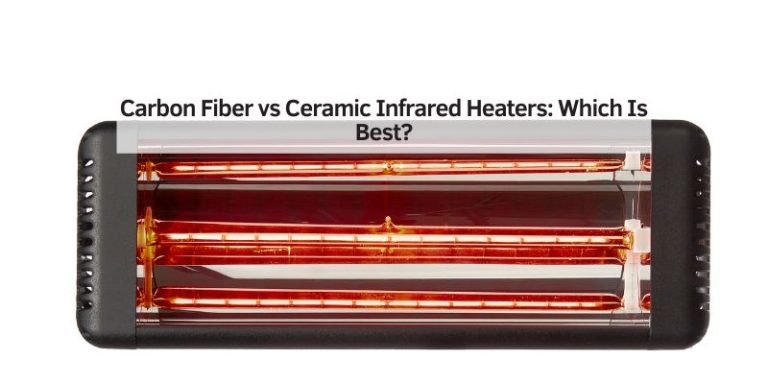
Infrared heaters feel faster on people because they warm skin and nearby objects directly. Fan heaters usually raise room air faster in a small sealed room. Pick the wrong type and you waste time and electricity waiting for heat in the wrong place. This guide explains which heater feels quicker for you, which one heats a room faster, and when each choice makes sense. (Wikipedia)
Body heat vs room warm-up


Yes, if you mean warmth you feel on your body or on nearby surfaces. Infrared heaters can feel warm almost instantly because they send radiant heat straight to people and objects. If you mean whole-room air temperature, a fan heater can win in a small, closed room.
The key is to separate three different speed questions. First is skin-level comfort. Second is surface warming. Third is room-air warm-up. Infrared is strong at the first two, while a fan heater is often stronger at the third because it moves warm air through the room.
Infrared heater vs fan heater
| Criterion | Infrared heater | Fan heater |
|---|---|---|
| Heat path | Radiant heat warms people and objects directly | Convection heat warms air first, then the room |
| First feeling of warmth | Usually near-instant at the point of use | Usually fast, but depends on air mixing |
| Room-air warm-up | Slower in open or drafty spaces | Often faster in a small sealed room |
| Typical wattage | About 300-700W, with some 1500W models | Typically 1500-2000W |
| Noise | Nearly silent | Usually noisier because of the fan |
| Best fit | Spot heating, drafty rooms, open areas | Small enclosed rooms that need quick air warm-up |
That table is the simplest way to read the comparison. Infrared gives direct comfort. Fan heat gives air movement. Which feels faster depends on whether you are trying to warm your body, the air around you, or the whole room.
📊 The reviewed Dr. Infrared heater is listed at 5,200 BTUs. Source: Best Infrared Heaters (2026).
Why infrared feels faster

Infrared heaters feel faster because they transfer energy directly to the surfaces they hit. That includes skin, clothing, furniture, and nearby walls. The air does not need to warm first, so you can feel the change almost immediately even when the room itself is still cool.
This is why infrared is often a better match for drafty spaces and open areas. If air keeps moving through the room, a heater that depends on air warming loses some of its effect. Radiant heat still reaches the person or object in front of the unit.
Think of a garage with the door cracked open or a sunroom with weak insulation. An infrared unit can make the occupied spot feel usable quickly. It does not need to heat every cubic foot of air before it helps.
A common first-timer mistake is judging speed by room temperature only. Say your desk area is cold and the rest of the room is empty. A 700W infrared panel aimed at your sitting area can feel effective fast, even if the thermostat hardly changes.
Where the quick feel wins
Infrared is strongest when the goal is local comfort. That includes a chair, a workbench, a bathroom entry zone, or a spot near a patio door. The closer you are to the beam and the less air movement there is between you and the heater, the faster it feels.
Some infrared heater models are listed around 300-700W, with some models listed at about 1500W. Lower wattage does not mean slower in every situation. It means the unit sends less total power, so it often works best when that power can stay focused on a person or a small zone.
Why fan heaters can warm air faster
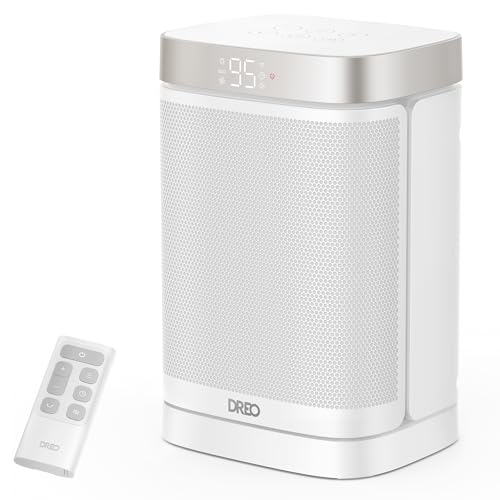
Fan heaters can warm a small room faster because they use convection and forced air to move heat through the room. The heating element warms the air, and the fan pushes that air through the space. In a sealed room, that circulation can raise air temperature more quickly than radiant heat alone.
That advantage matters most in small enclosed rooms with doors shut and limited drafts. A fan heater does not need to wait for room surfaces to absorb heat one by one. It starts moving warm air right away, which can make the whole space feel less cold in less time.
Fan and convection heaters are typically listed at 1500-2000W. That higher wattage is part of why they can warm the air faster. The tradeoff is electricity use, plus the fact that warm air still takes time to spread evenly through the room.
Convection heating is affected by room size, insulation, ceiling height, and door opening. A small bedroom with the door closed is a good match. An open-plan living area with high ceilings is not. The air mass is larger, and the warm air escapes into more space.
Suppose a closed bedroom of about 10 by 12 feet feels chilly after being unused. A 1500W fan heater can often make the room feel warmer sooner than an infrared unit aimed at one corner, because the goal is air temperature, not just one warm seat.
When whole-room comfort catches up
Fan heaters are usually slower than infrared for instant feel, but they can catch up on whole-room comfort in a closed space. Once the air warms, the room can feel more even. That matters if you plan to occupy the entire room rather than one fixed spot.
The catch is noise. Fan heaters often sound more noticeable than infrared units, which can matter in bedrooms and offices. If the room is quiet and you only need warmth at a desk or beside a chair, the fan’s extra air movement may be a drawback, not a benefit.
Which feels faster in your situation?
The faster heater depends on room size, insulation, and drafts. It also depends on where you stand and whether you want spot warmth or whole-room comfort. Use infrared for direct feel in drafty or open spaces. Use a fan heater when the room is small, enclosed, and you want the air warmer fast.
| Situation | Wins in first 5 minutes | Wins over 30 minutes | Why |
|---|---|---|---|
| Drafty garage | Infrared | Infrared | Direct radiant heat reaches you even when air moves through the space. |
| Small bedroom | Fan heater | Fan heater | Closed doors and limited volume let warm air build quickly. |
| Sunroom | Infrared | Infrared | Open glazing and cooler surfaces make direct warmth more useful than air warming. |
| Office desk | Infrared | Infrared | Spot heating gives fast comfort without needing to warm the whole room. |
| Open-plan living area | Infrared | Depends, often neither fully wins | Large air volume and movement make whole-room warming slow for both. |
| Bathroom | Fan heater | Fan heater | Small enclosed space lets air temperature rise quickly. |
| Basement | Depends on size and drafts | Depends on size and drafts | Closed, low-ceiling rooms favor fan heat; drafty or partly open basements favor infrared. |
| Patio door area | Infrared | Infrared | Frequent air leakage makes direct heat more useful than heating the air. |
The table above turns the question into a use-case answer. If the room is small and sealed, the fan heater can win early and hold that lead. If the room leaks air or you only care about the occupied zone, infrared usually feels faster.
Which is cheaper to run: infrared heater or fan heater?
The answer depends on how long you run it and what you are trying to heat. Infrared heaters often use lower wattage, around 300-700W, so they can cost less for focused spot heating. Fan heaters usually draw 1500-2000W, so they can use more electricity while warming a small room.
That does not make one type cheaper in every case. If you only need warmth at a desk for a short period, lower wattage helps. If you run a fan heater for a long stretch in a small room, the higher wattage can be worth it because the whole room warms faster.
The practical rule is simple. For one person in one zone, infrared often wins on running cost because it sends heat where it matters. For a small sealed room with several people or a longer stay, a fan heater can justify the higher draw by heating the air more quickly.
This is why wattage matters, but only after room conditions are known. A 1500W heater is not automatically faster in a useful way. If the room is open, the extra power may disappear into drafts. If the room is sealed, that same power can matter a lot.
How loud are infrared heaters compared with fan heaters?
Infrared heaters are usually nearly silent because they typically do not need a fan to move air. Fan heaters are usually louder because the fan can produce noticeable noise. In a bedroom, nursery, or office, that difference can change which heater feels faster, since sound affects comfort almost as soon as heat does.
Noise is part of speed in practice. A heater that warms the room but adds steady fan noise may feel less comfortable than a quieter unit that creates instant local warmth. That is especially true for focused tasks, sleeping spaces, and places where dust movement is a concern.
Fan heaters also move more air, which can feel dry and can stir dust. Infrared does less of that because it relies on radiant heat rather than airflow. If you are sensitive to noise or airborne dust, the quieter choice may feel quicker to live with even if it is not warming the entire room.
Are infrared heaters better for drafty rooms than fan heaters?
Yes, usually. Drafty rooms, open areas, and spaces with frequent door opening favor infrared because radiant heat reaches people and objects without waiting for the air to stay still. A fan heater can lose ground when warm air escapes as fast as it is created.
That said, a very small drafty room can still warm faster with a fan heater if the goal is a quick rise in room air temperature and the door stays shut. The deciding factor is whether drafts are mild or constant, and whether you care more about feeling warm or reading a warmer thermostat.
Another detail matters: ceiling height. High ceilings give fan heaters more air to warm, which slows room-air comfort. Infrared avoids much of that penalty because it does not need to warm the whole air column before helping the person in the room.
Choose infrared or fan heater
Choose infrared if you want fast spot warmth, if the room is drafty or open, or if you care most about silent comfort near a desk, chair, or doorway. Choose a fan heater if you want quicker room-air warm-up in a small sealed room and can accept more noise.
In other words, use infrared when the target is you or one zone. Use a fan heater when the target is the room itself. The same room can lead to different answers depending on whether the door stays closed, how large the space is, and how long you plan to stay.
- Pick infrared for spot heating, drafty garages, sunrooms, patio-door areas, and any place where direct warmth matters more than air temperature.
- Pick infrared if you want nearly silent heat and lower wattage for short, local use.
- Pick a fan heater for small bedrooms, bathrooms, or other sealed rooms where warming the air quickly matters most.
- Pick a fan heater if you want the whole room to feel warmer sooner and noise is not a major issue.
Frequently asked questions
Do infrared heaters heat up faster than fan heaters?
They feel faster on people because they send radiant heat straight to skin and nearby surfaces. Fan heaters usually warm room air faster in a small sealed room. So the answer changes with the metric: instant-feel warmth favors infrared, while air temperature rise can favor a fan heater.
Which heater warms a room faster, infrared or fan?
In a small closed room, a fan heater often warms the room faster because it heats the air and circulates it. In a drafty or open area, infrared may feel faster at the occupied spot, but it is not always the faster choice for whole-room air warmth.
Can an infrared heater warm me instantly?
Yes, it can feel warm almost instantly when you are in its line of heat. That is because it warms your skin and clothing directly instead of waiting for the room air to heat first. The effect is strongest when you are close to the heater and drafts are limited.
Are infrared heaters good for bedrooms or small rooms?
They can be, especially for spot heating near a bed, reading chair, or desk. For a very small sealed bedroom, a fan heater may warm the air faster. For a bedroom where quiet matters more than air temperature, infrared often fits better because it is nearly silent.