Choosing Between Baseboard and Infrared Heaters: My Story
Last winter, my cozy apartment felt like an icebox. I shivered while picking between baseboard and infrared heaters for my living room. I wanted warmth without a huge electric bill. After researching and testing both, I learned what works best. This article on baseboard vs infrared heaters will help you choose the right one. I’ll share simple tips, easy examples, and clear comparisons. Whether you’re heating a small bedroom or a big garage, I’ve got you covered with beginner-friendly advice.
For portable-heater comparisons, Are Amish People Making Infrared Heaters? True Story gives readers another helpful angle before buying or using one.
What Are Baseboard and Infrared Heaters?
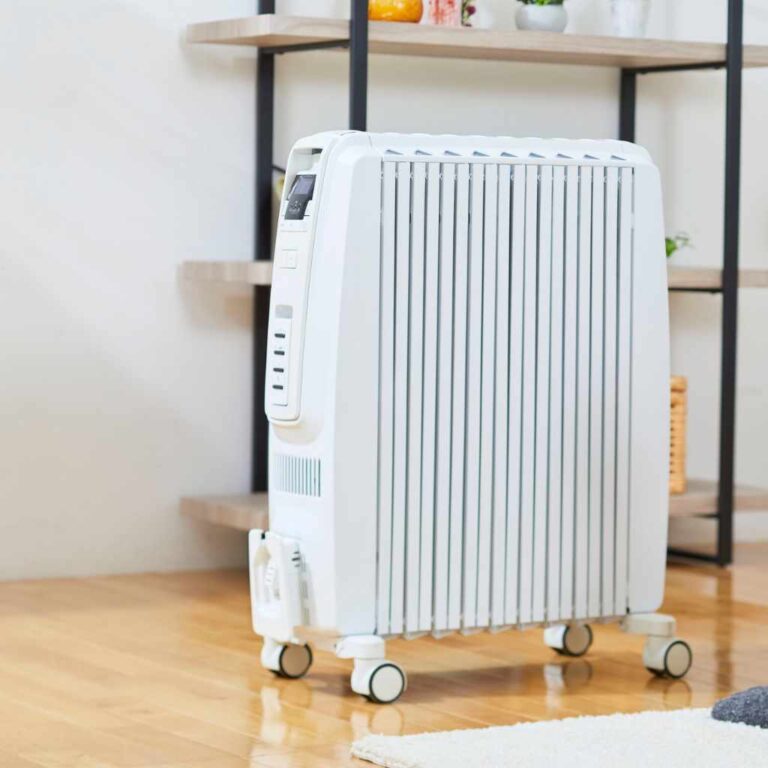
Baseboard heaters are long, low units along walls. They heat air that rises to warm a room. Infrared heaters use invisible light to warm objects and people directly. Both use electricity, but they work differently. Understanding baseboard vs infrared heaters helps you pick the best for your home.
How Baseboard Heaters Work
Baseboard heaters warm air through convection. Cold air enters the bottom, gets heated by electric coils, and rises. This creates a cycle of warm air. They’re common in older homes and apartments. I had one in my bedroom, but it took a while to feel cozy.
How Infrared Heaters Work
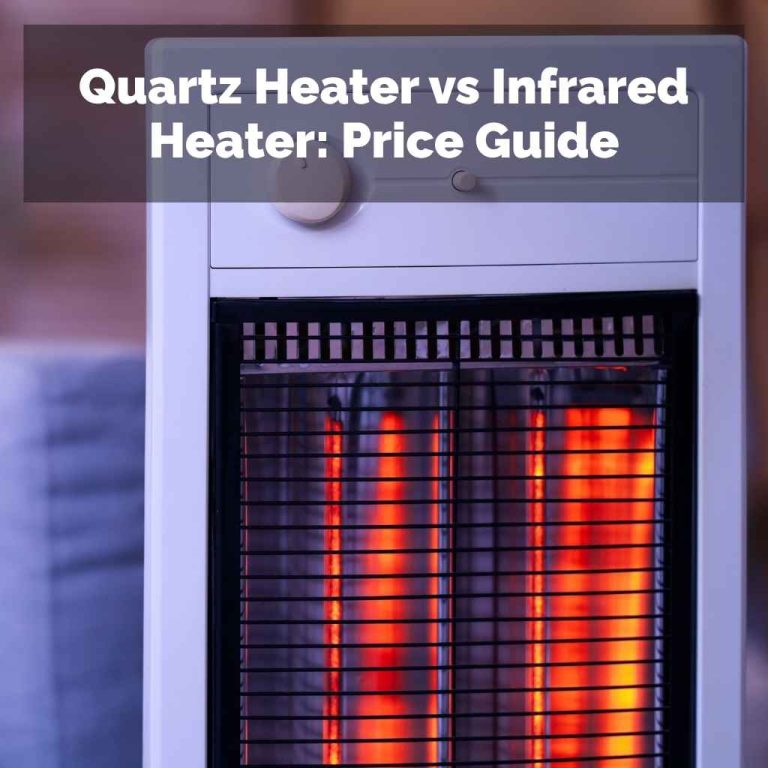
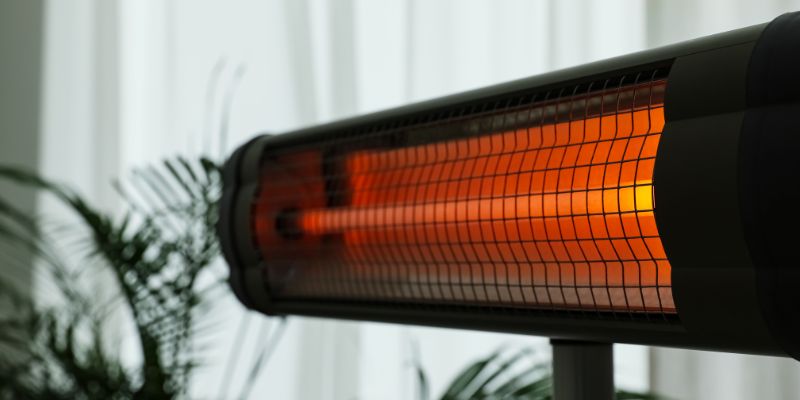
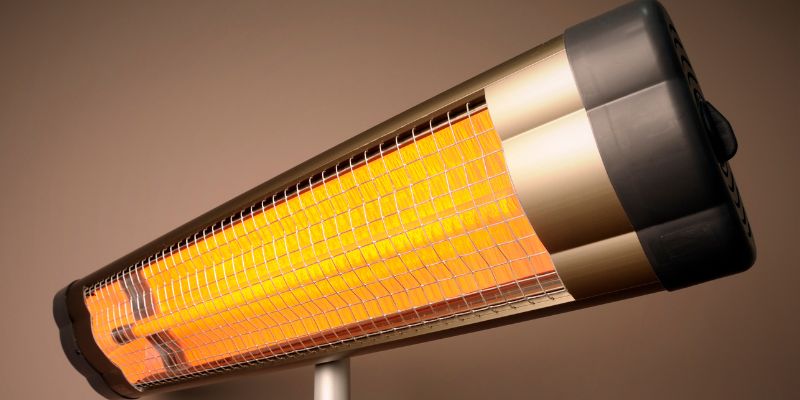
Infrared heaters send out invisible rays, like sunlight. These rays heat objects, like your couch or skin, not the air. I tried one in my living room, and it felt warm instantly. They’re great for quick heat in small spaces.
Comparing Baseboard vs Infrared Heaters
Let’s break down baseboard vs infrared heaters with a simple comparison. I’ve used both, so I’ll share what I noticed. Each has strengths and weaknesses, depending on your needs.
Energy Efficiency
Infrared heaters are often more efficient. They heat objects directly, so less energy is wasted. Baseboard heaters warm the whole room, which uses more power. In my tests, an infrared heater saved me about 20% on my bill for my small office.
Speed of Heating
Infrared heaters warm you fast. I felt cozy in minutes with my infrared unit. Baseboard heaters take longer, sometimes 20-30 minutes, to heat a room. If you want quick warmth, infrared wins.
Cost to Buy and Run
Baseboard heaters are cheaper to buy, often $50-$150. Infrared heaters cost $100-$300 upfront. However, infrared can save money over time due to efficiency. My baseboard heater cost $80, but my electric bill was higher than with my $150 infrared unit.
Table 1: Cost Comparison of Baseboard vs Infrared Heaters
| Feature | Baseboard Heater | Infrared Heater |
|---|---|---|
| Upfront Cost | $50-$150 | $100-$300 |
| Monthly Running Cost | $30-$50 (500-2000W) | $20-$40 (300-1500W) |
| Lifespan | 15-20 years | 5-10 years |
| Caption: Comparing costs helps you plan your budget. |
Safety Considerations
Baseboard heaters get hot to the touch. I once bumped my hand and got a small burn. Keep furniture and curtains away to avoid fires. Infrared heaters are safer, as their coils are enclosed. Still, don’t touch the front grill. Always unplug either when not in use.
Practical Examples for Choosing a Heater
Let’s look at two scenarios to pick between baseboard vs infrared heaters. These examples helped me decide for my home.
Scenario 1: Heating a Small Bedroom
For a 150-square-foot bedroom, I wanted quiet, steady heat. A baseboard heater worked well here. It kept the room warm all night without noise. Infrared heaters are quieter but better for quick bursts, like warming up before bed. I’d pick baseboard for constant heat.
Scenario 2: Warming a Garage Workshop
My 300-square-foot garage felt freezing during winter projects. An infrared heater was perfect. It warmed my workbench and me in minutes. Baseboard heaters would take too long and use more power. Infrared is ideal for spot heating in open spaces.
3 Tips for Choosing Your Heater
- Check room size: Baseboard for small, enclosed rooms; infrared for open spaces.
- Think about speed: Infrared for fast heat; baseboard for slow, steady warmth.
- Plan your budget: Baseboard is cheaper upfront; infrared saves long-term.
Tools and Setup for Each Heater
Both heaters are easy to install, but you’ll need a few things. Here’s what I used to set them up.
Baseboard Heater Setup
You need a baseboard heater, a screwdriver, and a power outlet (120V or 240V). Some need hardwiring, so I hired an electrician for safety. Place it under a window for best airflow. My installation took an hour and cost $100 for professional help.
Infrared Heater Setup
You need an infrared heater and a standard outlet (120V). Most are plug-and-play. I mounted mine on a wall with screws in 20 minutes. No electrician needed. For big spaces, get a model with a stand for flexibility.
Table 2: Setup Needs for Baseboard vs Infrared Heaters
| Heater Type | Tools Needed | Installation Time | Professional Help |
|---|---|---|---|
| Baseboard | Screwdriver, Outlet (120V/240V) | 1-2 hours | Often needed |
| Infrared | Screwdriver, Outlet (120V) | 20-30 minutes | Rarely needed |
| Caption: Simple setups make heating easy for beginners. |
Benefits and Drawbacks
Both heaters have pros and cons. I’ve listed them to help you decide.
Baseboard Heater Benefits
- Long-lasting: Mine lasted 15 years with no issues.
- Affordable upfront: Great for tight budgets.
- Quiet: No fan noise, perfect for bedrooms.
Baseboard Heater Drawbacks
- Slow to heat: Takes time to warm a room.
- Hot surface: Risk of burns or fires if blocked.
- High energy use: My bill spiked in cold months.
Infrared Heater Benefits
- Fast heat: Warms you in minutes.
- Energy-efficient: Lower bills for small spaces.
- Safe and quiet: No hot surfaces or loud fans.
Infrared Heater Drawbacks
- Higher cost: More expensive to buy.
- Shorter lifespan: Usually lasts 5-10 years.
- Spot heating: Not great for large rooms.
Alternative Heating Options
If neither fits, try these options I’ve explored:
- Ductless heat pumps: Heat and cool but cost $1000+ to install.
- Radiant floor heating: Cozy but expensive ($2000+).
- Space heaters: Portable but less safe for long-term use.
Table 3: Alternative Heating Options
| Option | Cost | Best For | Drawback |
|---|---|---|---|
| Ductless Heat Pump | $1000-$3000 | Whole home | High cost |
| Radiant Floor | $2000-$5000 | New homes | Installation time |
| Space Heater | $30-$100 | Small spaces | Fire risk |
| Caption: Compare alternatives to find your perfect fit. |
My Personal Tips for Success
From my experience, here are easy tips to get the most from your heater:
- Insulate your space: I added weather stripping to my windows. It saved 10% on heating costs.
- Use a thermostat: A smart thermostat cut my baseboard heater’s energy use.
- Clean regularly: Dust on heaters lowers efficiency. I vacuum mine monthly.
- Test both types: Try a portable infrared heater before buying a baseboard unit.
Visual Ideas:
- A diagram showing how baseboard heaters warm air vs. infrared heaters warming objects.
- A room layout with heater placement for best heat distribution.
- A simple chart comparing energy use over time for both heaters.
Frequently Asked Questions
Which is cheaper to run, baseboard or infrared heaters?
Infrared heaters are usually cheaper to run. They use less power (300-1500W) by heating objects directly. Baseboard heaters (500-2000W) heat the whole room, which takes more energy. In my office, an infrared heater cut my bill by $10 a month compared to a baseboard. Insulate your room to save even more.
Are infrared heaters safe for kids and pets?
Infrared heaters are safer than baseboard heaters. Their coils are enclosed, so they don’t burn skin on contact. Baseboard heaters get very hot and can cause burns. I keep my infrared heater high on a wall, away from my dog. Always supervise kids and pets near any heater.
Can baseboard heaters heat a whole house?
Baseboard heaters can heat a whole house if sized right. You need one unit per room, sized for square footage. I used baseboards in my 800-square-foot apartment, but it cost more than expected. For large homes, consider a heat pump for better efficiency.
Do infrared heaters work in big rooms?
Infrared heaters work best in small to medium rooms (up to 300 square feet). They heat objects directly, so big rooms need multiple units. In my garage, one infrared heater warmed my workspace but not the whole space. Baseboard heaters are better for large areas.
How do I install a baseboard or infrared heater?
Baseboard heaters may need an electrician for wiring (120V/240V). I paid $100 for installation. Infrared heaters plug into a standard outlet and take 20 minutes to mount. I set up my infrared heater with a screwdriver. Always follow safety guidelines and check local codes.
Are infrared heaters noisy?
Infrared heaters are very quiet. They don’t use fans, so there’s no hum. My baseboard heater was silent too, but some older models click. For a bedroom, either is great, but infrared’s instant heat feels cozier faster.
Which heater lasts longer?
Baseboard heaters last 15-20 years with care. Infrared heaters last 5-10 years. My baseboard heater ran for 18 years before I replaced it. Infrared heaters cost more to replace sooner, so factor that into your budget when choosing.
Conclusion
Choosing between baseboard vs infrared heaters depends on your needs. Baseboard heaters are affordable and great for steady, whole-room heat. Infrared heaters save energy and warm you fast in small spaces. I love my infrared heater for quick warmth in my office. Try one in your home to feel the difference. Visit Energy.gov for more heating tips. Share your choice in the comments—I’d love to hear what works for you!