Ceramic Space Heater vs. Electric Heater: Which One Warms Your Home Best?
Hey there! If you’re like me, winter’s chill has probably sent you on a quest to find the perfect heater to keep your home cozy. I’ve spent countless hours researching, testing, and comparing heaters to figure out what works best for different spaces and needs. Today, I’m diving deep into the debate of ceramic space heaters versus electric heaters. It’s a topic that pops up a lot when you’re trying to decide how to warm up your home without breaking the bank or sacrificing comfort. Let’s break it down together, exploring how these heaters work, their pros and cons, and which one might be the right fit for you. Grab a cup of coffee, and let’s get started!
For portable-heater comparisons, Ceramic Vs Non Ceramic Space Heaters gives readers another helpful angle before buying or using one.
What Are Ceramic Space Heaters?
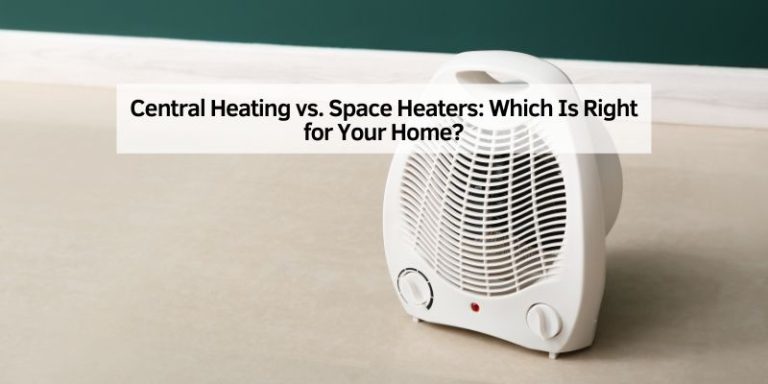
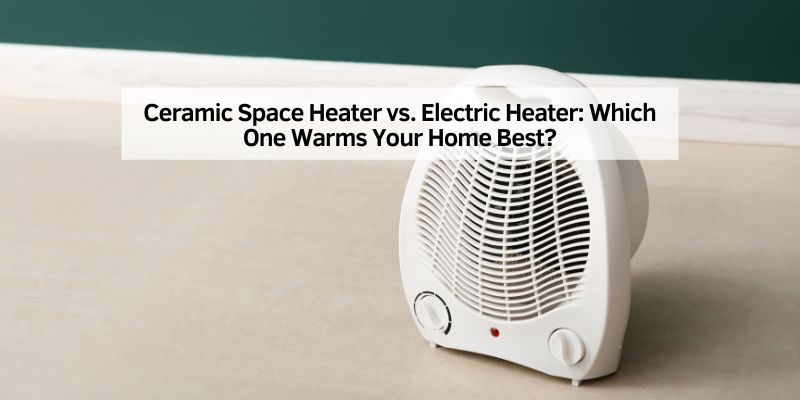
I remember the first time I came across a ceramic space heater. It was small, lightweight, and promised to heat my chilly bedroom in minutes. But what makes these heaters special? Ceramic space heaters use a ceramic heating element—usually plates or coils—that gets hot when electricity runs through it. The ceramic material is great at absorbing and retaining heat, which it then radiates into the room. Many models also have a fan to push that warm air out, spreading the heat faster.
What I love about ceramic heaters is how quickly they warm up. Unlike some other heaters that take forever to make a difference, these little guys start pumping out heat almost instantly. They’re also known for being energy-efficient, especially in smaller spaces like bedrooms, offices, or even a cozy corner of your living room. Plus, the ceramic element stays cooler on the surface compared to other types, which makes them safer around kids or pets.
But they’re not perfect. Ceramic heaters can struggle to heat large, open spaces, and some models with fans can be a bit noisy. I’ve found that the fan noise doesn’t bother me when I’m working or watching TV, but it might bug you if you’re sensitive to sound.
What Are Electric Heaters?
Now, let’s talk about electric heaters. The term “electric heater” is a bit broad because it covers a lot of different types, including ceramic heaters, oil-filled radiators, infrared heaters, and more. For this article, when I say “electric heater,” I’m mostly referring to non-ceramic types like coil or wire-based heaters, infrared heaters, or oil-filled radiators. These heaters all use electricity to generate heat, but they do it in different ways.
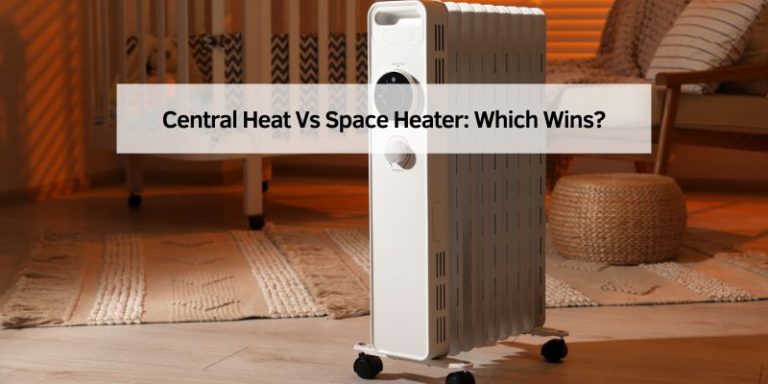
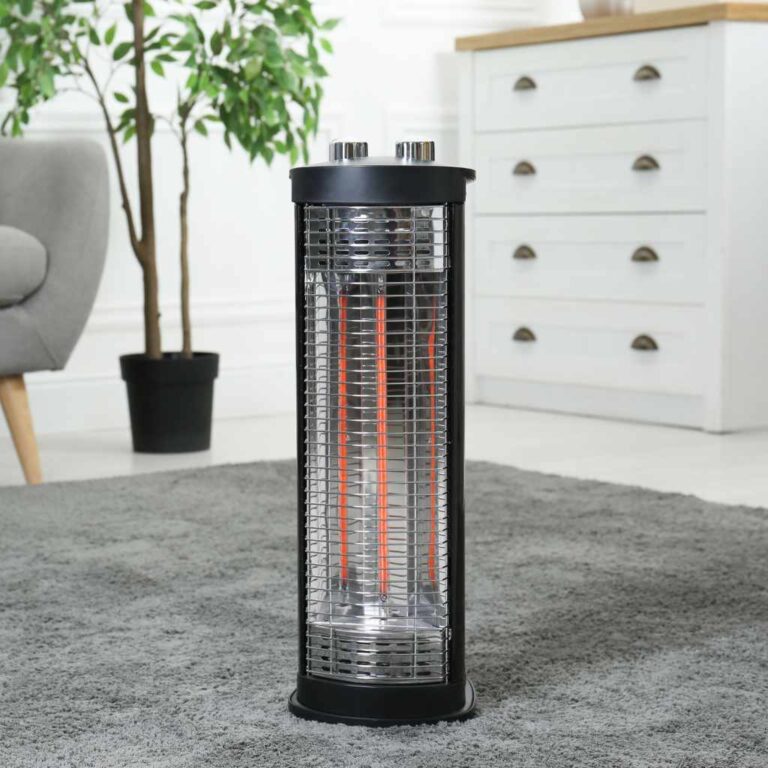
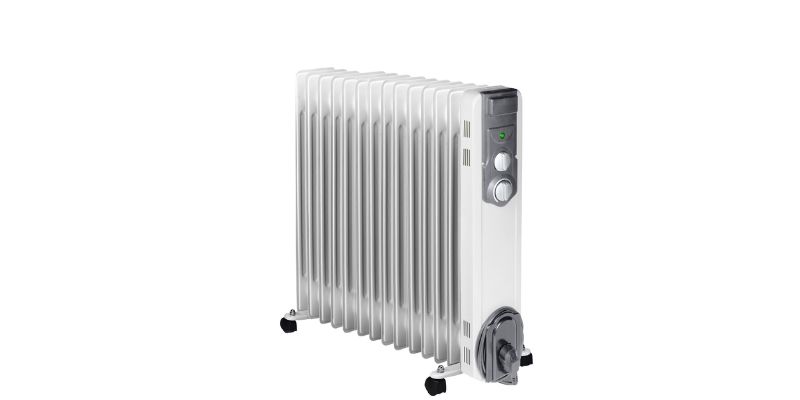
For example, I’ve used an oil-filled radiator in my basement before, and it was great for keeping the space consistently warm over time. These heaters have oil inside that heats up and radiates warmth, even after you turn them off. Infrared heaters, on the other hand, are like the sun—they send out heat waves that warm objects and people directly, which feels amazing when you’re sitting right in front of one. Coil or wire-based heaters are the old-school kind, where electricity heats a metal filament, and a fan blows the warm air out.
Electric heaters are versatile, and you can find one for almost any situation. But they can be less efficient than ceramic heaters in some cases, and some types—like coil heaters—can get dangerously hot to the touch.
How Do They Work Differently?
Understanding how these heaters work helped me figure out which one to use in different parts of my house. Ceramic space heaters rely on convection, meaning they heat the air around them. The ceramic element gets hot, and either natural convection or a fan spreads that warmth. This makes them great for quickly heating a small to medium-sized room. I’ve noticed that my ceramic heater warms up my office in about 15 minutes, which is perfect when I’m working from home.
Electric heaters, depending on the type, work in different ways. Infrared heaters use radiant heat, which means they warm objects and people directly rather than the air. I’ve used an infrared heater on my patio, and it’s like sitting in a warm spotlight—cozy for me, but the air around me stays cool. Oil-filled radiators, meanwhile, use convection like ceramic heaters but take longer to heat up because the oil needs time to warm. Once they’re hot, though, they keep radiating heat for a while, which I find great for overnight use.
Coil-based electric heaters are similar to ceramic ones in that they heat the air, but they use metal coils instead of ceramic. These can get much hotter, which is a double-edged sword—more heat output but also more risk of burns or fire hazards if not used carefully.
Efficiency: Which One Saves More Energy?
One of the biggest questions I had when choosing a heater was, “Which one’s going to keep my electric bill in check?” Efficiency matters, especially if you’re running a heater for hours every day. Here’s what I’ve learned.
Ceramic space heaters are often praised for their energy efficiency, especially in small to medium-sized rooms. The ceramic element heats up quickly and retains heat well, so the heater doesn’t have to work as hard to maintain a comfortable temperature. Many models also come with thermostats or eco-modes that adjust the power usage. For example, my ceramic heater has an eco-mode that cycles on and off to save energy once the room hits the right temperature.
Electric heaters vary widely in efficiency. Infrared heaters are super efficient in terms of energy use because they don’t waste heat on warming the air—just the objects in their path. I’ve found them to be a great choice for spot heating, like when I’m sitting at my desk. Oil-filled radiators, while slow to start, are efficient for long-term heating because they keep radiating heat even after they’re turned off. Coil-based heaters, though, can be less efficient since they often run at full blast without much control.
Here’s a quick comparison table to sum it up:
| Feature | Ceramic Space Heater | Electric Heater (Infrared) | Electric Heater (Oil-Filled) | Electric Heater (Coil) |
|---|---|---|---|---|
| Heat-Up Time | Fast (minutes) | Instant | Slow (15-30 minutes) | Fast (minutes) |
| Efficiency | High for small rooms | High for spot heating | High for long-term use | Moderate |
| Best For | Small to medium rooms | Spot heating | Large rooms, overnight use | Small rooms |
In my experience, if you’re heating a single room for a few hours, a ceramic heater is usually the most energy-efficient choice. But if you’re just warming yourself or a small area, an infrared electric heater might save you more.
Safety: Which One’s Safer for My Home?
Safety is a big deal for me, especially since I have a curious cat and a toddler who loves to touch everything. Ceramic space heaters have a leg up here. The ceramic element doesn’t get as hot as metal coils, so the surface stays cooler to the touch. Most models also come with safety features like tip-over protection (which shuts the heater off if it falls) and overheat protection. I’ve knocked over my ceramic heater a couple of times, and it always shuts off immediately, which gives me peace of mind.
Electric heaters, again, depend on the type. Infrared heaters are generally safe because they don’t heat the air, but they can get hot to the touch, especially if they’re not designed with safety in mind. Oil-filled radiators are also safe, with cooler surfaces and similar tip-over and overheat protections. However, coil-based heaters worry me the most—they can get scorching hot, and if something flammable gets too close, it’s a fire risk. I always make sure to keep these heaters at least three feet away from curtains, furniture, or anything else that could catch fire.
One tip I’ve learned: always plug your heater directly into a wall outlet, not an extension cord or power strip. I made that mistake once, and the cord got worryingly warm. Also, never leave any heater running unattended, especially when you’re asleep or out of the house.
Cost: Upfront and Long-Term
Let’s talk money. When I started shopping for heaters, I was surprised by the range of prices. Ceramic space heaters are often affordable, with basic models starting around $30 to $50. High-end ones with fancy features like Wi-Fi controls or oscillation can cost $100 or more. I picked up a compact ceramic heater for my office for about $40, and it’s been worth every penny for the quick warmth it provides.
Electric heaters have a wider price range. Basic coil-based heaters can be as cheap as $20, but they often lack safety features or thermostats. Infrared heaters start around $50 for simple models, but high-quality ones can go up to $150 or more. Oil-filled radiators are pricier, often ranging from $80 to $200, but they’re built to last and can save money in the long run due to their efficiency.
When it comes to operating costs, it depends on how you use the heater. All electric heaters convert nearly 100% of their energy into heat, so a 1,500-watt heater costs the same to run per hour, whether it’s ceramic, infrared, or oil-filled. In the U.S., the average electricity rate is about 16 cents per kilowatt-hour, so running a 1,500-watt heater for eight hours a day costs around $1.92. Over a month, that’s about $57.60. Ceramic and infrared heaters might save a bit if they have smart features like thermostats or timers, which prevent them from running unnecessarily.
My advice? If your budget is tight, a ceramic heater is a great balance of upfront cost and efficiency. If you’re willing to spend more upfront for long-term savings, an oil-filled radiator might be worth it for larger spaces.
Portability and Design
I move my heaters around a lot—sometimes from my office to the living room, sometimes to the guest bedroom for visitors. Portability is a big factor for me. Ceramic space heaters are usually lightweight, often weighing less than five pounds. They come with handles or compact designs that make them easy to carry. My ceramic heater fits nicely on my desk or the floor, and I can tuck it away in a closet when I’m not using it.
Electric heaters vary. Infrared heaters can be portable, especially smaller models, but some are bulky or designed to be wall-mounted. Oil-filled radiators are the least portable—they’re heavy, often weighing 20 pounds or more, and they’re not something you want to lug up and down stairs. Coil-based heaters are usually lightweight but can feel flimsier than ceramic ones.
Design-wise, ceramic heaters often look modern and sleek. Some even have digital displays or remote controls, which I find super convenient. Oil-filled radiators look more like traditional radiators, which can blend well in some homes but feel bulky in others. Infrared heaters often have a boxy, industrial look, though some newer models are more stylish.
Noise Level: Will It Disturb You?
I’m pretty sensitive to noise, especially when I’m trying to focus or sleep. Ceramic space heaters with fans can be a bit noisy, like a low hum or whir. It’s not as loud as a hairdryer, but it’s noticeable. My current ceramic heater is quiet enough that I can work through it, but I’ve tested some cheaper models that were annoyingly loud. If noise bothers you, look for a fanless ceramic heater, though they’re slower to heat.
Infrared heaters and oil-filled radiators are usually silent since they don’t rely on fans. Coil-based heaters with fans can be just as noisy as ceramic ones. If you need a heater for a bedroom or a quiet workspace, I’d lean toward an oil-filled radiator or a fanless ceramic model.
Best Uses for Each Type
After trying both types in different rooms, I’ve figured out where they shine. Ceramic space heaters are my go-to for small to medium-sized rooms, like a bedroom, office, or bathroom. They heat up fast and are great for short bursts of use, like warming up while you get ready in the morning. They’re also perfect for supplemental heating if your central system isn’t cutting it.
Infrared electric heaters are best for spot heating. If you’re sitting in one place—like at a desk, on a couch, or even outside on a patio—they make you feel warm right away. Oil-filled radiators are ideal for larger rooms or spaces where you need consistent, long-lasting heat, like a living room or basement. Coil-based heaters work in a pinch for small spaces but aren’t my favorite due to safety concerns.
Maintenance and Durability
I’ve had some heaters last years and others conk out after one winter. Ceramic space heaters are generally durable because the ceramic element is tough and resists wear. However, if you have a dusty home (like I do with my cat), the fan can get clogged, which reduces efficiency. I clean my ceramic heater’s filter every month with a quick vacuum, and it’s been running strong for three years.
Infrared heaters are low-maintenance since they don’t have fans or filters, but their elements can wear out over time. Oil-filled radiators are virtually maintenance-free—the oil never needs replacing, and they’re built to last. Coil-based heaters are the least durable in my experience; the metal filaments can burn out quickly if the heater’s overworked.
Environmental Impact
I try to be mindful of my environmental footprint, and heaters can use a lot of electricity. Ceramic heaters are often marketed as eco-friendly because they’re efficient in smaller spaces and many have energy-saving features. Infrared heaters are also efficient for spot heating, reducing wasted energy. Oil-filled radiators use more power to heat up but can save energy over time by retaining heat.
If you’re eco-conscious, look for heaters with timers, thermostats, or eco-modes to cut down on unnecessary power use. Also, consider using your heater only in occupied rooms to avoid wasting energy.
My Personal Experience and Recommendation
After testing both ceramic and electric heaters in my home, I’ve found that ceramic space heaters are usually the best all-around choice for most people. They’re affordable, safe, and quick to heat small spaces. My ceramic heater has been a lifesaver in my drafty apartment, especially during those freezing January mornings. However, if you need to heat a larger room or want long-lasting warmth, an oil-filled radiator is hard to beat. For spot heating, infrared heaters are fantastic, especially for outdoor use or focused warmth.
Ultimately, the best choice depends on your needs. Think about the size of your space, how long you’ll run the heater, and whether safety or noise is a priority. I’d recommend starting with a ceramic heater for its versatility and ease of use, but don’t rule out other electric heaters if they fit your specific situation better.
Conclusion
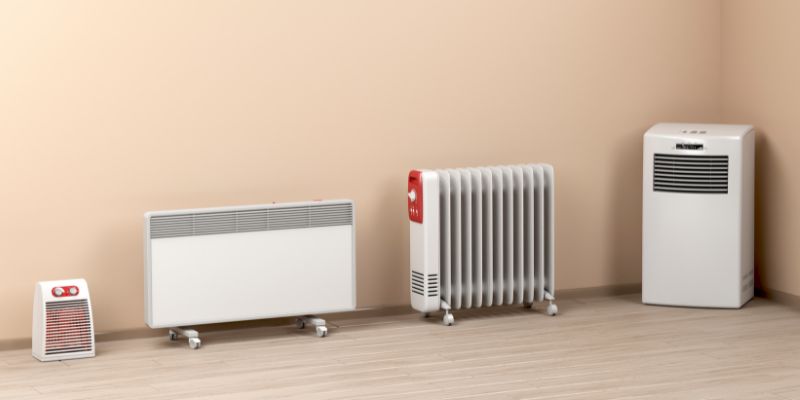
Choosing between a ceramic space heater and an electric heater doesn’t have to be overwhelming. I’ve spent enough chilly nights and mornings testing these devices to know they both have their strengths. Ceramic heaters are quick, safe, and perfect for small rooms, while electric heaters like infrared or oil-filled models offer unique benefits for spot heating or larger spaces. By weighing factors like efficiency, safety, cost, and portability, you can find the perfect heater to keep you cozy all winter long. So, go ahead and pick one that fits your home and lifestyle—I promise it’ll make those cold days a lot more bearable!
FAQs
Are ceramic space heaters more energy-efficient than other electric heaters?
Ceramic space heaters are often more energy-efficient for small to medium-sized rooms because they heat up quickly and retain heat well. Many come with thermostats or eco-modes to save energy. Infrared electric heaters are efficient for spot heating, while oil-filled radiators are better for long-term use in larger spaces. Coil-based heaters tend to be less efficient due to their constant high power draw.
Can I leave a ceramic or electric heater on overnight?
I wouldn’t recommend leaving any heater on overnight unattended, even with safety features like tip-over or overheat protection. If you must use one while sleeping, choose a ceramic heater or oil-filled radiator with a thermostat and automatic shut-off. Place it on a stable, flat surface, away from flammable materials, and never use an extension cord.
Which heater is better for a large living room?
For a large living room, an oil-filled radiator is usually the best choice. It takes longer to heat up but provides consistent, long-lasting warmth for bigger spaces. Ceramic heaters are better for smaller rooms, while infrared heaters work well for spot heating specific areas within a large room.
Are ceramic heaters noisy?
Some ceramic heaters with fans can produce a low hum or whir, which might be noticeable in quiet settings. Fanless ceramic heaters are quieter but slower to heat. If noise is a concern, consider an oil-filled radiator or infrared heater, which are typically silent.
How much does it cost to run a ceramic or electric heater?
The cost depends on the heater’s wattage and your electricity rate. A typical 1,500-watt heater costs about 16 cents per hour to run at the average U.S. electricity rate of 16 cents per kilowatt-hour. Both ceramic and electric heaters have similar operating costs, but features like thermostats or timers can reduce expenses by limiting runtime.