Electric Heat Vs Space Heater: Proven Best
The proven best choice between “electric heat vs space heater” depends entirely on your need: central electric heat offers whole-home efficiency, while portable space heaters provide fast, targeted warmth where you need it most without major installation. We will break down the cost, comfort, and safety of both to help you decide perfectly.
Are you tired of cold corners in your home? Choosing how to stay warm can feel overwhelming. You hear about major “electric heat” systems, and then there are the simple, plug-in “space heaters.” Which one is right for your budget and comfort level? Don’t worry! Many homeowners feel this way. Heating your space shouldn’t require an engineering degree.
I’m Tanim, and I’m here to make this decision plain and simple. We’ll look closely at the real costs and benefits of each option. By the end of this guide, you will know exactly which heating solution will bring cozy warmth to your home, safely and affordably. Let’s explore your path to a warmer space!
When we talk about “electric heat,” we are usually talking about a permanent solution, like a central heat pump or electric baseboard units installed throughout your home. On the other hand, a “space heater” is a portable appliance you plug in when you need instant heat in a specific room. Comparing large-scale residential electric heating to small, dedicated appliances is like comparing a house to a flashlight—both provide light, but for very different jobs.
Understanding the core differences in setup, running cost, and comfort is key. This guide cuts through the confusion. We focus on practical realities so you can choose wisely for your unique situation.
Understanding Central Electric Heating Systems
Central electric heating is the backbone of many modern, all-electric homes. This isn’t about one small unit; it’s about an integrated system designed to heat every reachable room evenly.
What Counts as Central Electric Heat?
When contractors discuss whole-home electric solutions, they are generally referring to a few main types. These systems often use electricity to move or create heat distributed across several zones.
- Electric Furnace: This uses resistive coils similar to a toaster, heating air that is then blown through ducts to every room. They are simple mechanically but can be costly to run if insulation is poor.
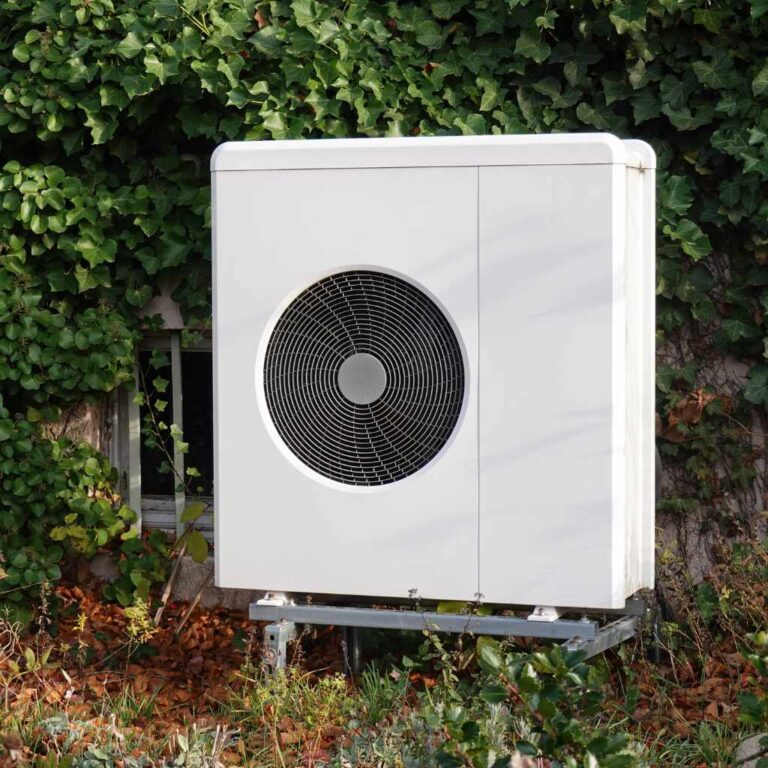
- Heat Pumps (Air-Source or Geothermal): These are generally the most efficient electric option. Instead of creating heat from electricity, they move existing heat from the outside air (or earth) inside. They work like an air conditioner in reverse.
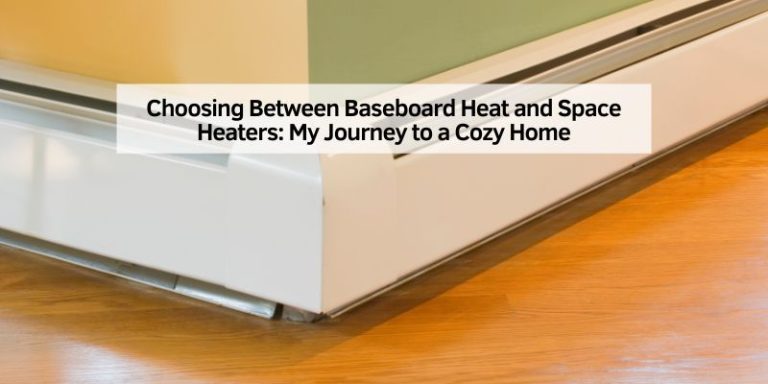
- Electric Boiler/Radiant Systems: These heat water, which then circulates through baseboard radiators or in-floor tubing to provide silent, gentle heat.
The Pros and Cons of Going Central Electric
Making a commitment to a central system is a long-term decision. Weighing the advantages against the potential drawbacks is crucial for any homeowner.
Benefits of Central Electric Heat
- Even Comfort: Provides consistent, whole-house temperature control. No significant hot or cold spots.
- Hidden Operation: Once installed, the system often runs quietly in the background (especially heat pumps or radiant systems).
- Longevity: Well-maintained modern systems often last 15 to 20 years or more.
- Safety Profile: As they are permanently installed and vented properly (if applicable), the fire risk associated with portable units is eliminated within occupied spaces.
Drawbacks of Central Electric Heat
- High Upfront Cost: Installation, ductwork, or complex wiring can require a significant initial investment.
- Slower Response Time: It takes significantly longer to warm up a whole house than to switch on a small heater.
- Efficiency Challenges in Extreme Cold: Standard air-source electric furnaces and older heat pumps struggle to keep up when outdoor temperatures drop severely, leading to much higher utility bills.
For further understanding of energy efficiency standards, you can always consult resources like the U.S. Department of Energy, which provides vital information on home energy use regulations and improvements (Energy Saver Guide).
Deep Dive: The Portable Space Heater
The space heater is the champion of supplementary and temporary heating. It’s the heating equivalent of choosing a lamp over installing a whole new ceiling fixture—it’s quick, flexible, and requires almost no commitment.
Types of Space Heaters You Can Buy Today
Not all space heaters draw power the same way or produce heat similarly. Knowing the technology helps you pick the safest and most effective model.
| Heater Type | How It Works | Best For |
|---|---|---|
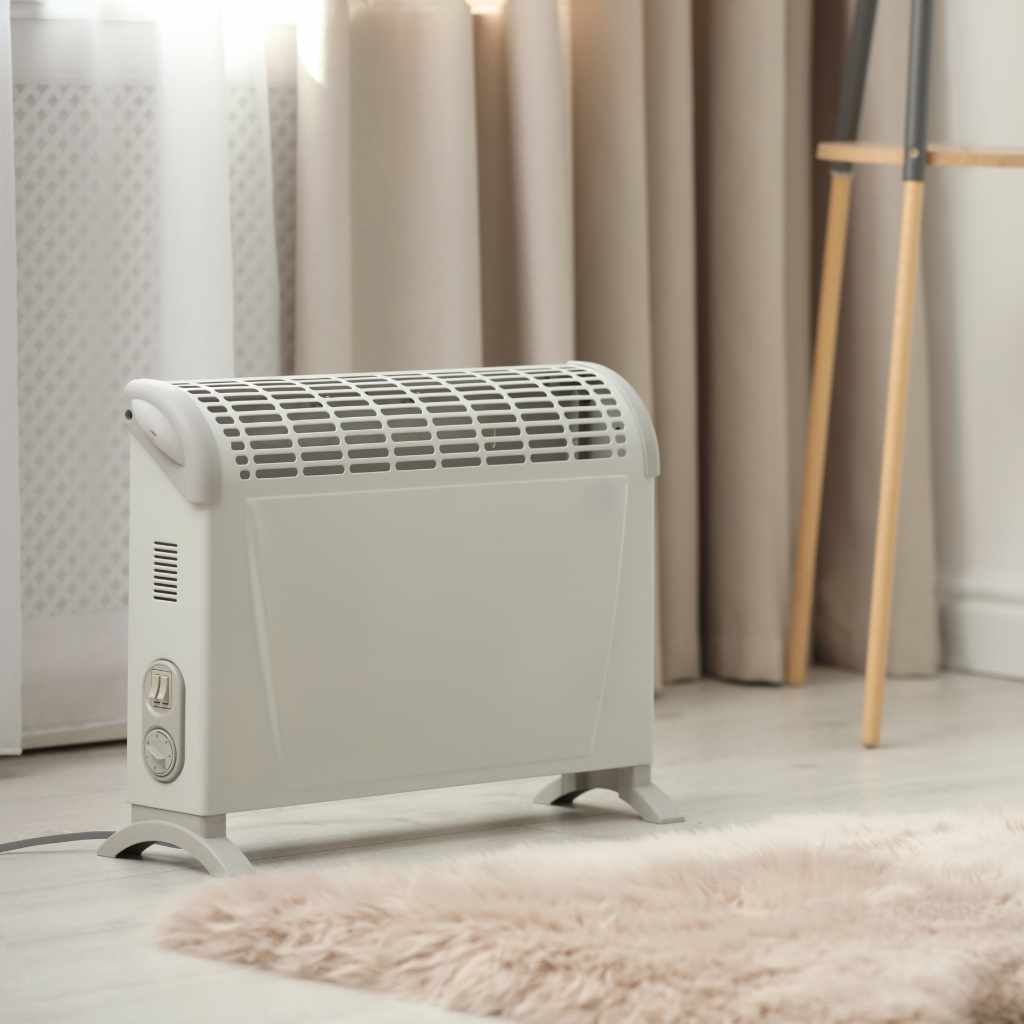
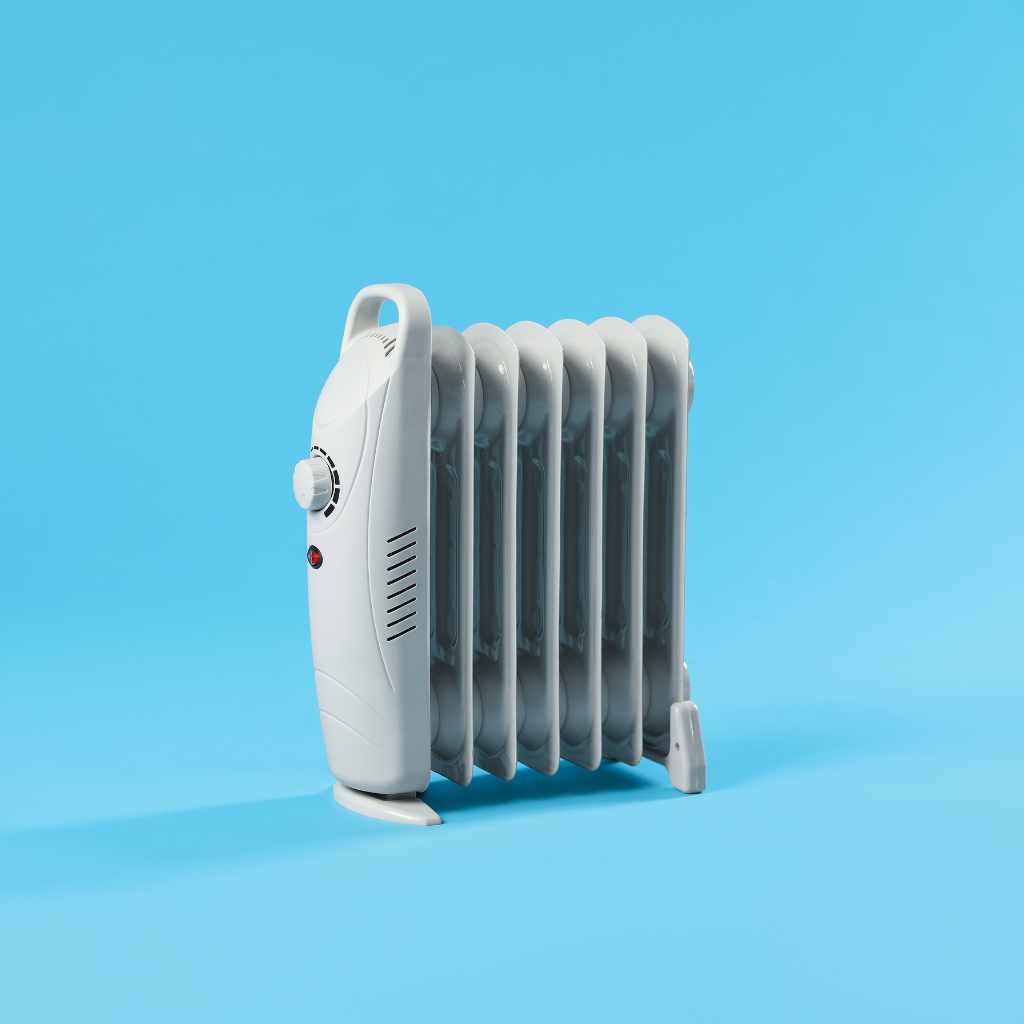
| Convection (Oil-Filled Radiator) | Heats oil sealed inside, which slowly radiates warmth into the room, heating objects and air gently. | Long-term localized heating; quiet operation. |
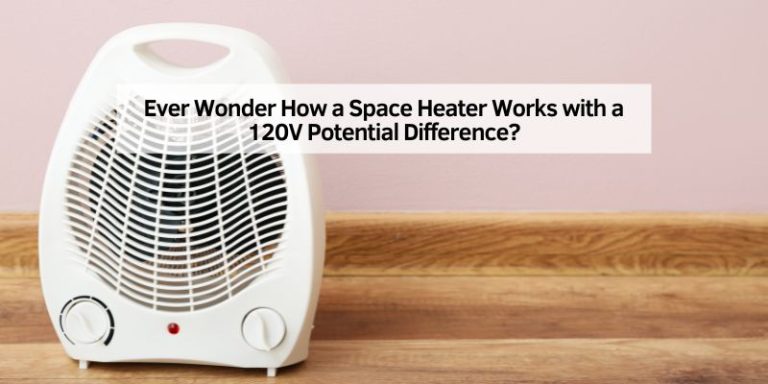
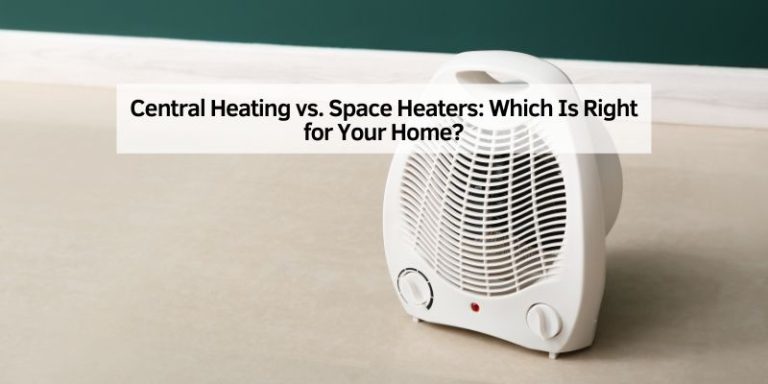
| Ceramic Fan-Forced | Uses an electric element inside a ceramic block. A fan blows air over the hot block to distribute heat quickly. | Fast, directional heating; good for targeted areas like under a desk. |
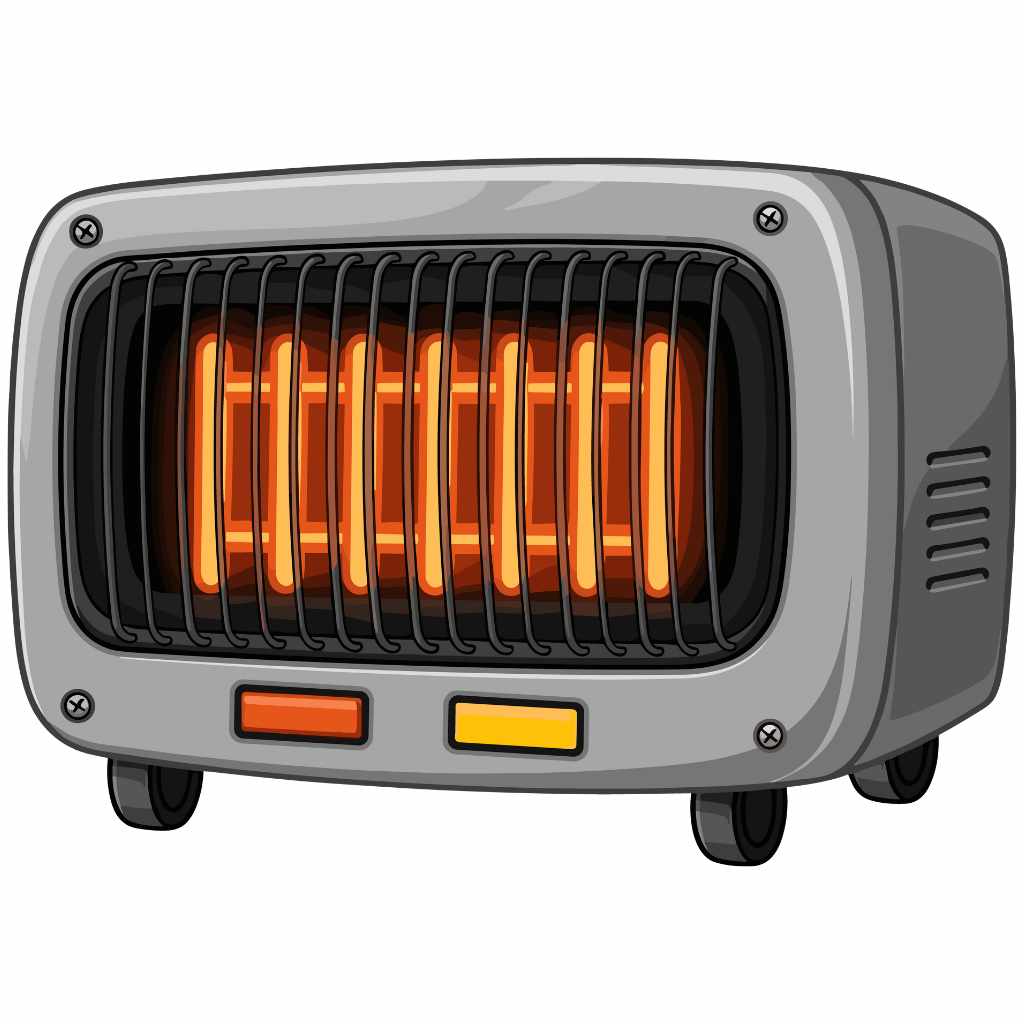
| Infrared/Radiant | Heats objects and people directly using infrared waves, similar to the sun. Doesn’t need to heat the entire air pocket first. | Spot heating in cold drafts or large, open rooms where you need immediate personal warmth. |
Space Heater Advantages: When They Shine
Why do people rely on these plug-in units year after year? Mainly because of flexibility and cost control.
- Targeted Zone Heating: If you only use your spare bedroom or home office a few hours a day, why heat the entire electrical meter just for that? A space heater warms only the space you occupy. This is called “zone heating” and can save significant money compared to running a whole-house furnace for one person.
- Portability and Placement: They use standard wall outlets (usually 120V) and can move with you from the basement workshop to the chilly bathroom.
- Low Initial Cost: Decent models cost under $100, making them an accessible solution for immediate problems.
- Instant Heat: Many radiant or fan-forced units begin delivering noticeable warmth within minutes of being turned on.
Understanding Space Heater Downsides and Safety
The convenience of a space heater comes with responsibilities. Because these are high-wattage appliances plugged into standard outlets, safety must be your primary concern.
- High Running Cost (Per Watt): While they save money on zoning, if you run a 1500-watt heater constantly, the cost per hour can be surprisingly high. A central heat pump is more efficient at converting energy.
- Safety Risks: Overheating, placing items too close, or overloading circuits are real dangers. Always check for the UL (Underwriters Laboratories) safety mark.
- Circuit Limits: Most standard home circuits can only safely handle one high-capacity appliance (like a 1500W heater) plus some low-draw items. Running them on extension cords or power strips is a major fire hazard.
The Head-to-Head Showdown: Electric Heat Vs Space Heater
Now we compare them directly across the things that matter most: cost, comfort, and convenience.
Cost Comparison: Installation vs. Operation
This is where most of the confusion lies: the difference between upfront expense and monthly utility bills.
Base Installation Cost:
- Central Electric Heat: High. Installation can range from several thousand dollars to tens of thousands, depending on whether ductwork needs modification or if you are upgrading a whole system like a heat pump.
- Space Heater: Very Low. Anywhere from $30 to $150.
Monthly Operating Cost:
This depends heavily on how you use them and current local energy rates. Central heat pumps, thanks to their high efficiency through heat transfer, often have the lowest overall operating cost for keeping a whole house at 70°F year-round.
Example: Running a 1500-watt space heater for 10 hours a day, every day for a month (approx. 300 hours) can cost significantly more than the equivalent heat produced by an energy-efficient central system maintaining the same average temperature across the entire home.
To calculate your hourly cost precisely, you must know your utility rate (cents per kilowatt-hour, or kWh). The formula is simple:
Cost per Hour = (Wattage / 1000) x Utility Rate ($/kWh)
Comfort Comparison: Evenness vs. Speed
Comfort is subjective, but generally relates to consistency.
- Central Electric Heat Wins on Consistency: It offers stable, unwavering temperatures. You set the thermostat, and the system works quietly to meet that target wherever you are in the house.
- Space Heaters Win on Quick Fixes: If you walk into a cold basement room and want to feel warmth on your skin within five minutes, a radiant space heater does that job instantly. Central systems cannot compete with this kind of localized speed.
Safety and Installation Verdict
As your home heating guide, Tanim always places safety first. Central electric systems, once professionally installed, are usually the safest way to heat large volumes because the elements and wiring are concealed and managed by licensed professionals. The primary risk involves electrical system strain if overloaded.
Space heaters require constant vigilance from the user. Never leave them running unattended or while sleeping, and maintain the three-foot clear zone around them.
Making the Final Decision: Choosing Your Best Path
The debate of “electric heat vs space heater” is easily settled when you define your primary goal. It is never about one being universally “better” than the other; it’s about matching the tool to the task.
Choose Central Electric Heat If:
- You own your home and plan to stay for many years.
- You need consistent, quiet, whole-house comfort year-round.
- Your primary goal is the lowest long-term operating cost per square foot, especially if a heat pump is installed.
- You prioritize reduced fire risk associated with portable devices.
Choose a Space Heater If:
- You rent or only need heat for a few months a year.
- You only need to warm one specific room occasionally (e.g., a garage office or a drafty bedroom at night).
- You need an immediate, low-cost fix before tackling expensive whole-home upgrades.
- You need a backup source in case your primary heating system fails temporarily.
Maximizing Your Electric Heating Efficiency (Regardless of Choice)
Whether you run a massive heat pump or a tiny ceramic heater, efficiency starts with the structure around the heat source. No heater can overcome a leaky home.
For Central Systems (Heat Pumps & Furnaces)
- Regular Maintenance: Have your heat pump coils cleaned and your furnace filters checked annually. A clogged filter makes the system work harder and use more electricity.
- Smart Thermostats: Install a programmable or smart thermostat to automatically reduce heating when the house is empty or everyone is asleep. This is critical for managing electric consumption.
- Insulation Check: Focus on attic insulation. Heat rises; poor attic insulation means your electric system spends most of its energy fighting the outdoors.
For Space Heaters
When you intentionally choose zone heating, make sure the zone is sealed to prevent heat loss.
- Close Doors and Vents: Make sure the room you are heating is closed off from leaky hallways or rarely used areas.
- Use It Purposefully: Use the heater only while occupying that specific space. Turn the central thermostat down a few degrees if you are relying heavily on the space heater in one room, ensuring you aren’t paying to heat the same air twice.
- Placement Matters: Do not place radiant heaters near windows or outside doors where the cold air will immediately pull the heat away. Place ceramic heaters where the fan can circulate warmed air into the main part of the room.
If you are considering upgrading to a highly efficient electric system like a high-performance heat pump, check for local utility rebates. Many programs offer significant financial incentives to encourage the switch from fossil fuels to modern electric alternatives. The National Renewable Energy Laboratory (NREL) often provides useful comparisons on current technology efficiencies.
Safety First: Understanding Space Heater Rules
Since space heaters are the most common point of electrical fire risk for many homeowners relying on supplementary heat, treating them seriously is non-negotiable.
The Essential Three-Foot Rule
This is perhaps the most important guidance Tanim can give you for portable heaters:
Keep anything flammable—curtains, bedding, rugs, paper, upholstered furniture—at least three feet (one meter) away from the front and sides of any operating space heater. Heaters radiate intense heat that can ignite close materials quickly.
Must-Have Features on Any Space Heater
When shopping for a space heater, do not settle for the absolute cheapest model. Look for these built-in safety features:
- Tip-Over Shutoff: This automatically cuts power if the unit is accidentally knocked over. Make sure this switch feels responsive when you test it.
- Overheat Protection: If the internal temperature gets too high, this internal sensor shuts the unit down entirely before external surfaces become dangerously hot.
- Cool-Touch Exterior: While the air coming out is hot, the casing should remain cool enough on the outer shell not to cause immediate severe burns upon light accidental contact (crucial if you have pets or small children).
Warning on Extension Cords: Never use a thin, flimsy household extension cord with a space heater. High-wattage appliances draw so much current that cheap cords can overheat and melt, causing a fire. If you must use an extension cord, it must be rated for heavy-duty, high-wattage appliances (usually 12-gauge or thicker).
Frequently Asked Questions (FAQ) About Electric Heating
Why is my electric bill so high when I use a space heater?
Space heaters usually draw the maximum allowed 1500 watts. If you compare the energy use of that 1500-watt bulb running for 24 hours straight versus your central furnace running less intensely but over a larger area, the constant, localized draw of the space heater often results in higher cost spikes on your monthly bill because it runs less efficiently over long durations.
Is a heat pump considered “electric heat”?
Yes. A heat pump uses electricity both to run its compressor and to move heat. However, it is far more efficient than a traditional electric furnace because it typically moves 2 to 4 units of heat energy for every 1 unit of electrical energy consumed.
What is the safest type of space heater?
Oil-filled radiator heaters (convection) or sealed ceramic models with tip-over protection are generally considered the safest for continuous use because they do not have exposed glowing elements and heat the air more gently.
Can I use a space heater to supplement my central heating?
Absolutely. This is called “zone heating.” If you have a drafty living room where the central heat doesn’t quite reach, placing a safe space heater there and dialing your central thermostat down 2-3 degrees can often increase comfort while saving money overall.
When should I avoid using a space heater entirely?
You should avoid using one in hallways, bathrooms (unless specifically rated as a bathroom unit), rooms with busy doorways, or anywhere the heater might be near flammable materials. Never plug one into a power strip or overhead socket.
Which heats a room faster: Radiant or Fan-Forced?
Fan-forced ceramic heaters provide the fastest circulation of warm air across a medium area. Radiant heaters provide the fastest feeling of warmth directly on your skin, even in a cold room, because they heat objects directly.
Conclusion: Your Warmth, Your Way
Deciding between whole-home electric heat and a portable space heater comes down to strategy. Central electric systems, especially modern heat pumps, win for long-term efficiency, consistent whole-home comfort, and safety regarding installed appliances. They provide a solid foundation of warmth without daily worry.
However, the faithful space heater excels when precision is needed—heating just the corner of the study or giving an immediate boost to a chilly area. The secret to mastering your electric bill and comfort is using both tools correctly. Use your central system for the baseline, and deploy your space heater strategically, always adhering strictly to safety guidelines.