
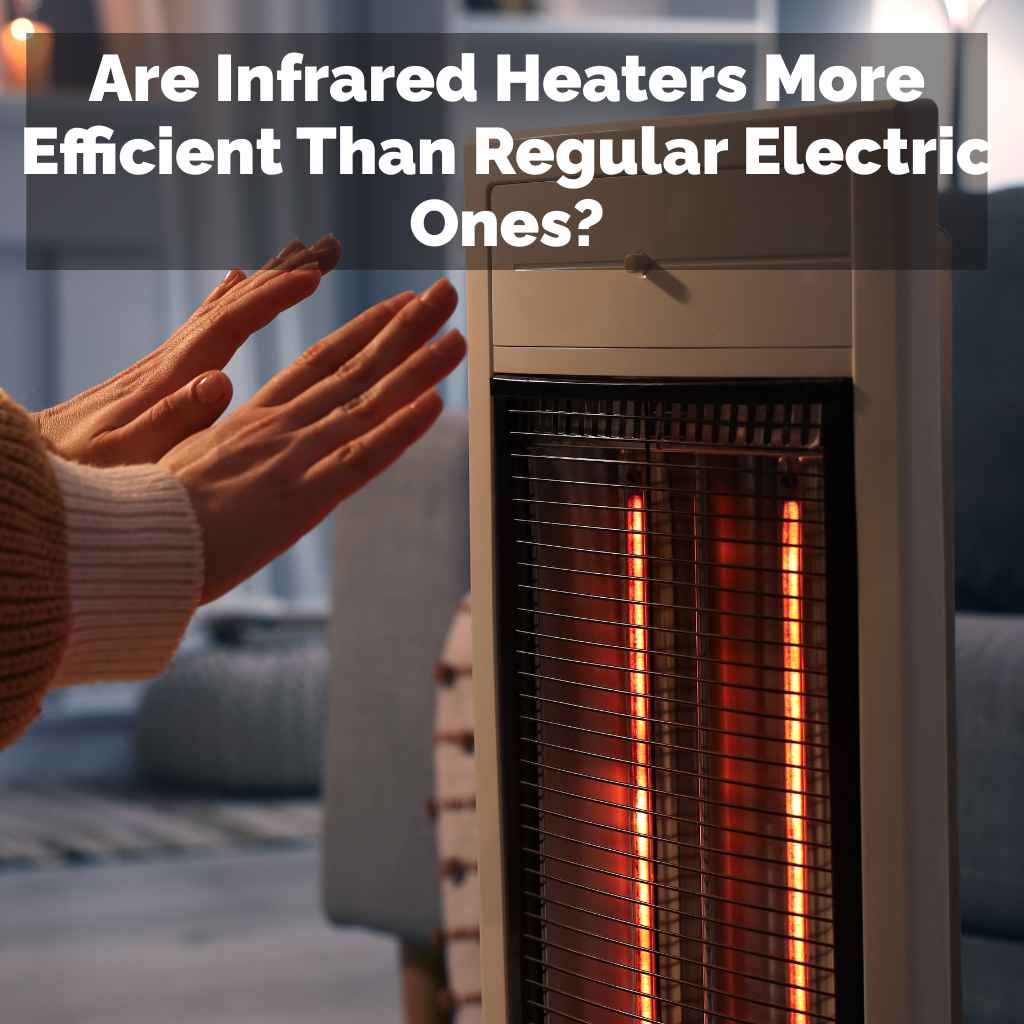
Infrared heaters can be more efficient for spot heating or in spaces with drafts. They heat objects directly, not just the air. However, in well-insulated rooms, traditional electric resistance heaters might perform similarly in terms of overall energy usage. The real difference often lies in how and where you use them.
Understanding How Heaters Work
To figure out which is better, we need to know how they heat your home. Think of it like this: there are two main ways to get warm.
One way is like a cozy blanket. It warms up your body directly. This is like what infrared heaters do.
They send out waves you can feel as heat, like sunshine. These waves warm up people and objects in the room. They don’t heat the air first.
The other way is like a hot oven. It heats up the air all around you. This is how most common electric heaters, like ceramic or coil heaters, work.
They use electricity to heat up a metal coil or ceramic plate. This hot part then warms the air around it. A fan often blows this warm air out into the room.
The warm air then rises and mixes.
Infrared Heaters: The Sunshine Approach
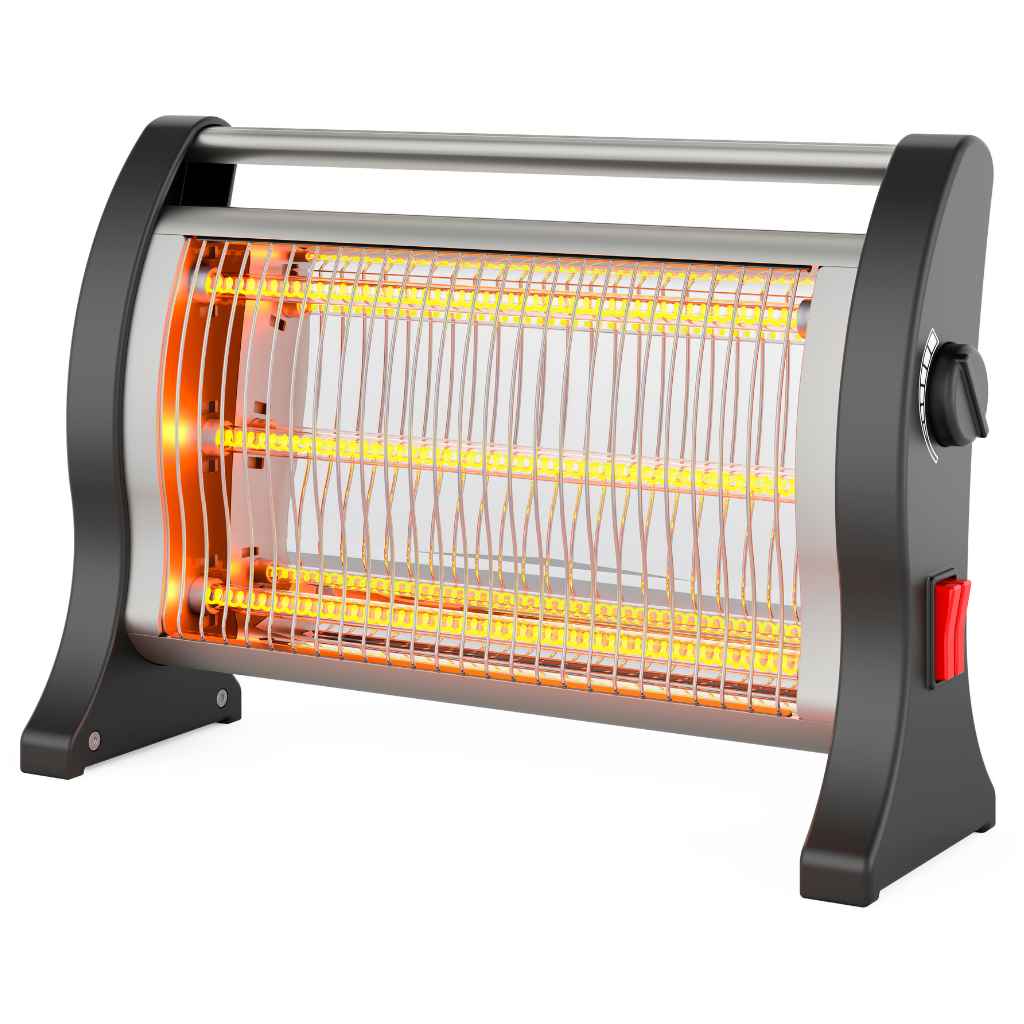
Infrared heaters are pretty neat. They use electricity to create infrared radiation. You can’t see these waves, but you can feel them.
It’s like standing in a sunny spot on a cool day. The heat goes right to your skin and any objects in its path. This includes furniture, walls, and even you!
Because they heat objects directly, the air temperature in the room might not feel as high. But you will feel warm and comfortable. This is a key difference.
It means you might feel warm enough to turn down the thermostat slightly, saving energy.
The big plus is that this heat isn’t lost to drafts or air leaks as easily. The waves travel in a straight line. If there’s an open window or a draft, the warm air from a regular heater can escape.
But the infrared heat continues to warm what it hits. This makes them great for garages, workshops, or drafty rooms.
Regular Electric Heaters: The Air Warmer
Regular electric heaters, often called convection heaters, work by heating the air. They use electrical resistance to get hot. Then, a fan pushes this warm air out.
This warm air circulates through the room.
This method is good for heating an entire room evenly, especially if it’s well-sealed. The warm air fills the space. But it has a drawback.
If the room isn’t insulated well, that warm air can escape quickly through cracks and windows. This means the heater has to work harder to keep the room warm.
It also means that if you’re standing far from the heater, you might not feel much warmth. The heat is in the air, and it can be carried away by air currents. This can lead to wasted energy.
You might feel cold even though the thermostat says the room is warm.
Direct Comparison: Energy Use and Efficiency
So, which one uses less electricity? It depends on how you define “efficiency” and where you use the heater.
Energy Conversion: Both types of heaters are very good at converting electricity into heat. Almost 100% of the electricity they use becomes heat. So, in terms of pure energy conversion, they are tied.
A 1500-watt heater of any type will produce about 1500 watts of heat.
Heating Method Matters: The difference in efficiency comes from how that heat is used and where it’s directed.
Infrared vs. Electric: Key Differences
Infrared Heaters:
- Heat Transfer: Radiant waves (like sunshine).
- Target: People and objects directly.
- Air Temp: Room air temp may be lower, but you feel warmer.
- Best For: Drafty areas, spot heating, workshops, garages, open spaces.
- Perceived Comfort: High, even with cooler air temps.
Regular Electric Heaters (Convection/Fan):
- Heat Transfer: Convection (warming the air).
- Target: The entire room’s air volume.
- Air Temp: Room air temp rises evenly.
- Best For: Well-insulated, enclosed rooms.
- Perceived Comfort: Depends on air circulation and drafts.
In Drafty Spaces: If you have a garage or a sunroom with leaky windows, an infrared heater is usually more efficient. It heats you directly, so you feel warm even if the air is cool and escaping. A regular heater would struggle to keep up, constantly trying to heat air that’s blowing out.
In Insulated Rooms: In a tightly sealed and well-insulated living room, a regular electric heater can be just as efficient for heating the whole space. It heats the air, and that warm air stays put. You’ll get an even temperature throughout the room.
Spot Heating: If you only need to warm yourself at your desk or a specific spot in a larger room, an infrared heater is far more efficient. You point it at yourself, and you feel warm. A regular heater would try to warm the whole room, wasting energy on empty space.
Personal Experience: The Drafty Sunroom Saga
I remember years ago, I had this enclosed sunroom. It had windows on three sides. In the fall, I wanted to use it for reading.
I tried a small, plug-in electric fan heater in there. I’d turn it on, and within minutes, I could feel the cool air coming in through the window seals. The heater worked its heart out, making the air hot right in front of it.
But as soon as I moved away, I felt the chill. The room just never felt truly comfortable. I was constantly fiddling with the thermostat, getting lukewarm air that quickly disappeared.
One day, I picked up an infrared panel heater. It was thin and mounted on the wall. I plugged it in and sat down in my reading chair.
Within minutes, I felt this gentle, pleasant warmth. It felt like sitting by a small fire. The air temperature in the room was still a bit cool, maybe 60 degrees.
But I felt perfectly toasty, like I was wrapped in a warm hug. I didn’t need to crank the heat. The heater just kept me warm directly.
That sunroom became my favorite spot all autumn, and my electricity bill didn’t shoot up like I expected. It showed me how much difference the heating method could make.
Understanding Heat Transfer: The Science
Heat moves in three ways: conduction, convection, and radiation. Understanding these helps explain the difference.
Conduction: This is heat moving through touch. If you touch a hot pan, heat conducts to your hand. This isn’t a primary way heaters work, but it happens when heat moves through objects.
Convection: This is heat moving through fluids, like air or water. Regular electric heaters use convection. They heat the air, which then rises and moves around the room.
This creates air currents that distribute heat. If the air is lost through drafts, the convection cycle is broken.
Radiation: This is heat moving in waves, like light. Infrared heaters use radiation. These waves travel through the air and are absorbed by objects they hit.
The objects then get warm. This is very direct and efficient for warming specific spots or objects.
Infrared Heat at Work
What It Heats: Primarily surfaces and objects in its direct path.
How It Feels: Like natural sunlight or a warm glow.
Benefits:
- Fast Warmth: You feel warm quickly.
- Zone Heating: Great for specific areas.
- Less Draft Dependent: Heat stays where it lands on objects.
Limitations:
- Air Stays Cooler: Room air might not feel as warm.
- Line of Sight: If you’re not in the path, you won’t feel it.
Regular electric heaters primarily use convection. They heat the air. This is like filling a room with warm water.
The warm air rises and spreads. If the room has leaky windows or doors, that warm air can easily escape. The heater then has to work harder and use more energy to replace the lost heat.
Real-World Context: When Are They Used?
Both types of heaters have their place. Think about where you need heat and how your home is built.
Garages and Workshops
Many people use garages for hobbies or storing cars. These spaces are often not well-insulated. They can have large doors that aren’t sealed tightly.
An infrared heater is perfect here. You can aim it at your workbench or where you’re sitting. You feel warm even if the rest of the garage is cold.
A regular heater would fight a losing battle against the drafts.
Drafty Rooms
Some older homes have rooms with poor insulation or drafty windows. Maybe it’s a sunroom like mine, or a screened-in porch that’s been enclosed. In these cases, infrared is often better.
It heats you directly, so you get comfort without having to heat all the leaky air.
Spot Heating in Large Areas
Imagine a large living room with high ceilings. You might only use one corner of it. Using a regular heater for the whole room is wasteful.
An infrared heater can provide warmth right where you are sitting or working. This is called zone heating. You heat only the area you need.
Bathrooms
Some people like to use small, wall-mounted infrared panels in bathrooms. They provide a quick burst of comforting heat for getting dressed or out of the shower. They heat the person directly, offering fast warmth.
Well-Insulated Homes
If your home is modern and well-sealed, with good insulation, a regular electric heater might be just fine. It will heat the air, and that warm air will stay in the room. It can provide a consistent, even temperature throughout.
You might not need the direct, object-heating effect of infrared.
Quick Scan: Heater Use Cases
| Situation | Best Choice | Reason |
|---|---|---|
| Drafty Garage | Infrared | Heats objects directly, not lost air. |
| Well-Insulated Living Room | Regular Electric | Heats air evenly and keeps it contained. |
| Sitting at a Desk | Infrared | Spot heats you without warming the whole office. |
| Open Plan Kitchen/Living | Regular Electric (if well-sealed) or multiple Infrareds | Maintains even air temp vs. targeted warmth. |
| Enclosed Porch | Infrared | Overcomes air leaks and drafts effectively. |
What This Means For Your Comfort and Wallet
So, how does this affect your comfort and your energy bill? It all comes down to choosing the right tool for the job.
Comfort
Infrared heat feels different. It’s often described as a more natural, penetrating warmth. You might feel comfortable at a slightly lower air temperature.
This can be a big win for comfort. You don’t feel that chilly air blowing around.
Regular heaters provide a more uniform air temperature. If your home is well-sealed, this can lead to consistent comfort everywhere. But if there are drafts, you can get cold spots.
Energy Bills
For spot heating or in drafty areas, infrared heaters are often more energy-efficient in practice. They use electricity to heat you directly, not the air that escapes. You use less energy because you’re not constantly replacing lost heat.
In well-insulated rooms, both types will use similar amounts of electricity to reach a target air temperature. The key is that regular heaters are better at keeping that warmed air inside the room.
Think about it this way: if you need to warm just your hands, you can hold them over a small flame (like infrared). If you need to warm your whole house, you need a big furnace (like a central heating system, or a regular electric heater for a whole room).
When Is It Normal, and When Should You Worry?
It’s normal for any heater to use electricity. That’s how they work. The amount depends on the heater’s wattage and how long you run it.
Normal:
- Feeling warm when sitting directly in front of an infrared heater.
- A regular electric heater making a room feel evenly warm in a well-sealed space.
- Your electricity bill going up when you use a heater more often.
When to Worry (or Rethink):
- High Bills Despite Low Use: If your bill is unexpectedly high even though you’re only using a heater for short periods, there might be an issue.
- Uneven Heating: If a regular heater makes one part of the room hot and another cold, the room might be too drafty for it.
- Constant Running: If your heater seems to run all the time and the room still feels cold, it’s not being efficient for that space.
- Safety Concerns: Any strange smells, sounds, or visible damage means stop using it and get it checked.
It’s also worth checking if your home’s insulation is up to par. Poor insulation is a common reason why heaters seem less efficient than they should be.
Quick Tips for Smarter Heating
Whether you have infrared or regular electric heaters, these tips can help you save energy and stay comfortable:
- Use a Thermostat: Set it and forget it. Don’t constantly adjust it.
- Zone Heating: Only heat the rooms you are using.
- Seal Drafts: Use weather stripping around windows and doors.
- Close Curtains: At night, close heavy curtains to keep heat in.
- Maintain Heaters: Clean dust filters on regular heaters. Make sure infrared panels are clear.
- Dress Appropriately: Wear warmer clothes indoors if needed.
Myth vs. Reality
Myth: All electric heaters use the same amount of energy.
Reality: While they convert electricity to heat at almost 100%, their efficiency in how they deliver that heat varies greatly depending on the space and heating method.
Myth: Infrared heaters are always more efficient.
Reality: They are often more efficient for spot heating or in drafty spaces. In well-insulated rooms, regular heaters can be just as efficient for whole-room heating.
Frequently Asked Questions About Heater Efficiency
Are infrared heaters good for heating a whole house?
Infrared heaters are generally not designed to heat an entire house. They are best for spot heating specific areas or rooms. For whole-house heating, a central system or multiple, appropriately sized heaters for each zone would be more practical.
Trying to heat a whole house with just one or two infrared heaters would be very inefficient.
Do infrared heaters dry out the air?
Infrared heaters do not directly dry out the air as much as some other heating methods might. They heat objects and people, and the air temperature doesn’t rise as dramatically. The humidity level in the air is less affected compared to heaters that rely heavily on convection and rapid air warming.
How much electricity do infrared heaters use compared to regular electric heaters?
Both types use electricity to generate heat. The wattage (e.g., 1500 watts) tells you how much power they consume. The difference in practical energy use comes down to how effectively that heat is used.
Infrared is often better in drafty or spot-heating situations, potentially using less energy for your comfort. Regular heaters might use similar energy but are better at warming a whole sealed room.
Can infrared heaters be more energy efficient than a gas furnace?
Comparing electric infrared heaters to a gas furnace is tricky. Gas furnaces heat air centrally. Electric heaters heat a specific area.
If you are only heating one small area with an infrared heater, it might use less energy than running a furnace for your whole house. However, for heating large volumes of space, gas furnaces are often considered more energy-efficient per unit of heat produced, especially if natural gas prices are low.
Is it better to buy an infrared heater or a ceramic heater?
It depends on your needs. Ceramic heaters (a type of regular electric heater) are good for warming enclosed, well-insulated rooms evenly. Infrared heaters are better for drafty areas, quick personal warmth, or spot heating where you don’t need to heat the entire air volume of the room.
How long does it take to feel the heat from an infrared heater?
You can feel the warmth from an infrared heater very quickly, often within a minute or two. This is because the radiant waves travel almost instantly and warm objects or people they encounter. It’s a much faster feeling of warmth than waiting for the air to heat up.
Final Thoughts on Heater Efficiency
Choosing between infrared and regular electric heaters isn’t about one being universally “better.” It’s about picking the right tool for the specific job. Infrared offers a unique, direct warmth that excels in certain situations. Regular electric heaters are solid for evenly warming sealed spaces.
Further Reading: DOE infrared heating technology | ENERGY STAR electric heater guide
By understanding how they work and where you’ll use them, you can make a choice that keeps you comfortable and helps manage your energy costs wisely.