Propane Vs Kerosene Salamander Heater: Proven Best
Propane vs kerosene salamander heater: For most homeowners needing quick, clean job site or garage heating, the propane salamander heater is the proven best choice due to its superior cleanliness, instant operation, and lower maintenance, though kerosene offers intense, sustained heat ideal for very harsh, unventilated spaces.
Choosing the right portable “salamander” heater—those powerful, barrel-shaped workhorses—can feel tough when you are standing in a chilly garage or worksite. You need fast heat, but you also want safety and ease of use. The two big contenders are propane and kerosene models. It’s easy to get turned around by the technical specs! Don’t worry; we are going to walk through exactly where each fuel shines. I’m Tanim, and I’ll help clear up the confusion so you can select the perfect heater for your needs without wasting time or money.
By the end of this guide, you’ll know exactly why one might be called the “best” for your situation, and how to safely set up that ideal heater right away. Ready to get warm?
What Exactly Is a Salamander Heater? Understanding the Basics
Before diving into propane versus kerosene, let’s quickly confirm what a salamander heater is. Think of it as a super-sized, rugged blower heater.
These aren’t your little electric space heaters. Salamander heaters use a fuel source (like propane or kerosene) to generate intense, directional heat very quickly. They are popular because they can raise the temperature in large, often uninsulated spaces—like a leaky shed, an open garage, or a construction area—much faster and more cost-effectively than electric options.
- Use Case: Drying paint, warming mechanics, keeping construction sites running in the cold.
- Key Feature: They typically blow hot air out of a front nozzle, hence the ‘salamander’ name.
- Crucial Note: Because they burn fuel, most powerful salamander heaters require excellent ventilation (always follow the manufacturer’s safety guidelines!).
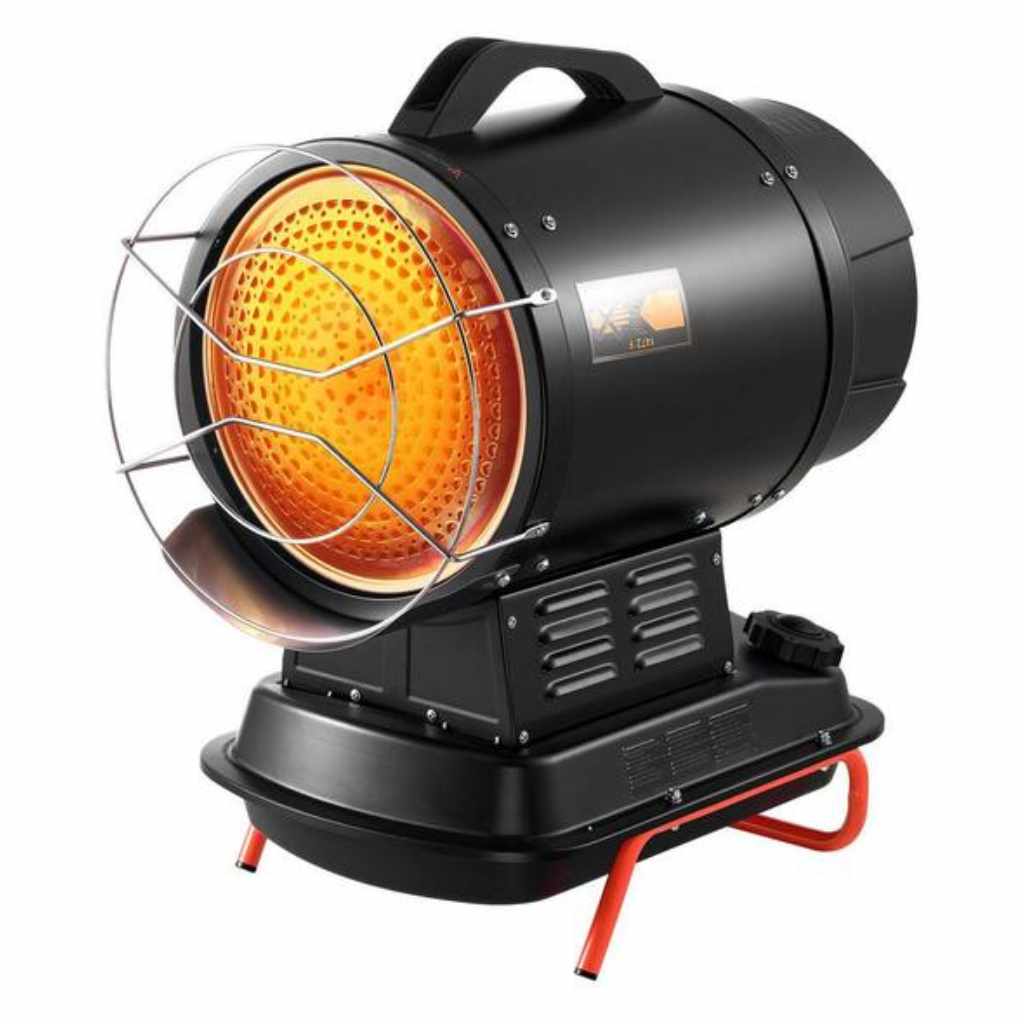
The Fuel Face-Off: Propane vs. Kerosene Salamander Heater
This is where the biggest differences appear. The fuel you choose impacts cost, convenience, and the clean air you breathe while working.
Propane Salamander Heaters: The Clean Contender
Propane heaters are often propane-fueled or rely on liquid propane (LP) tanks, the same kind you use for a BBQ grill. They are known for being incredibly convenient and clean-burning.
Pros of Propane
Propane is user-friendly; you clip on a tank and you are ready to go. This convenience makes it a favorite for many weekend warriors and DIYers.
- Clean Burn: Propane burns very cleanly. This dramatically reduces soot, smoke, and exhaust smells compared to kerosene.
- Instant Heat: Most propane units ignite almost instantly and produce heat right away as you turn them on.
- Portability & Setup: Setting up is simple—just connect the regulator to the tank. No priming or lengthy startup procedures are needed.
- Low Maintenance: Because they burn cleaner, they tend to require less frequent deep cleaning (like cleaning carbon build-up).
Cons of Propane
While great indoors, propane does have limits regarding extreme cold and run time.
- Heat Output Limits: While powerful, many standard portable propane models struggle to match the absolute peak Btus of large kerosene units.
- Cold Weather Performance: Propane tanks can sometimes struggle to vaporize fuel effectively in temperatures dipping far below freezing (though liquid draw heaters mitigate this).
- Fuel Cost Fluctuation: The price of LP tanks can change based on supply and demand.
Kerosene Salamander Heaters: The Powerhouse
Kerosene heaters are the heavy-duty choice, often favored on large construction sites where continuous high heat and maximum runtime are essential. Kerosene fuel is denser and requires a slightly more involved startup process.
Pros of Kerosene
When you need sheer, raw heat output over a long period, kerosene often delivers.
- Intense Heat: Kerosene units often boast the highest British Thermal Unit (BTU) ratings, making them ideal for heating huge, drafty spaces quickly.
- Excellent Fuel Storage Life: Kerosene stores very well over time without significantly degrading, unlike some other fuels.
- Sustained Runtime: Due to the energy density of the fuel, kerosene heaters can often run longer on a tank than equivalent propane units.
Cons of Kerosene
The trade-off for that power is usually messiness and effort.
- Smell and Soot: Kerosene produces noticeable odor and soot/carbon buildup, especially if the unit isn’t clean or fueled by low-quality kerosene.
- Startup Process: Kerosene heaters often require “priming” (letting the fuel soak into the wick or burner element) before they reach maximum heat.
- More Maintenance: Regular cleaning of the burner and replacing wicks (on gravity-feed models) is essential for efficient operation. Improper burning can also lead to unnecessary carbon monoxide production if ventilation is ignored.
A Word on Ventilation and Carbon Monoxide
Because both units consume oxygen as they burn fuel, safe operation is critical. Always ensure your workspace has adequate airflow. For best practices on site safety, reference guidelines from organizations like the Occupational Safety and Health Administration (OSHA) regarding fuel-burning equipment in enclosed spaces.
Side-by-Side Comparison: Which Fuel Wins on Key Factors?
To help you decide instantly, here is a comparison table focusing on the factors homeowners care about most:
| Feature | Propane Salamander Heater | Kerosene Salamander Heater |
|---|---|---|
| Cleanliness (Odor/Soot) | Excellent (Very Clean) | Fair to Poor (Can be smokey/smelly) |
| Startup Time | Instant | Requires brief warm-up/priming |
| Typical Max BTUs | High (Usually 50k – 150k BTU) | Very High (Can exceed 200k BTU) |
| Fuel Availability/Storage | Very easy via standard BBQ tanks | Requires dedicated kerosene storage (check local availability) |
| Maintenance Needs | Low (Mostly keeping vents clear) | Moderate (Wick checks and burner cleaning) |
| Ideal Home Use Winner | Garages, workshops, well-ventilated sheds | Large construction sites, very drafty barns |
When Propane is the Proven Best Choice for Homeowners
For the vast majority of homeowners looking to heat the garage while tinkering on a weekend project, or needing portable heat in a non-commercial setting, propane is the clear winner. Here’s why propane systems feel like the “best” fit for the average person.
1. Unbeatable Convenience and Consistency
You don’t want to fuss with fuel lines, wicks, or messy pouring when you just need 30 minutes of focused work in a warm space. Propane simply connects to your existing BBQ tank.
Go-To Scenarios for Propane:
- Quickly warming up a standard two-car garage.
- Drying out a small area after a minor flood or painting job.
- Situations where you need the heater on and off frequently throughout the day.
2. Indoor Air Quality Matters
When you are working closely on projects, breathing fumes is a major concern. Propane combustion creates far less unburned hydrocarbons and virtually no residue compared to its fossil fuel counterpart.
This means less wiping down surfaces covered in soot later, and a far more pleasant environment while you work. Simply put, propane keeps your workspace cleaner and healthier.
3. Safety Through Simplification
Fewer moving parts and a simpler fuel delivery system often equate to lower risk for the novice user. Modern regulators handle fuel flow reliably. While every fuel-burning heater demands respect, propane is notoriously “set it and forget it” (within reason), building confidence for beginners.
To maximize your propane safety, always ensure your tank hoses are rated for the correct pressure and inspect them yearly for cracks or leaks using soapy water.
When Kerosene Might Still Be Necessary (The Exceptions)
While propane is our go-to recommendation for general home use, there are niche situations where the raw power and endurance of kerosene are unmatched.
1. Extreme Cold and Massive Areas
If you are heating a commercial warehouse, or if you live where winter temperatures consistently drop below 10°F, a high-BTU kerosene unit can maintain temperature stability better than many portable propane options. They just put out more brute-force heat.
2. Extended, Unattended Operation
In heavy construction, sometimes a heater needs to run for 8–10 hours with minimal checks. Kerosene’s higher energy density translates into longer run times with a single tank fill compared to the equivalent heat output running on propane. If you need continuous heat overnight, kerosene historically had the edge.
A Note on Modern Tech
Be aware: the gap is closing! Some advanced, high-end propane heaters now use high-pressure regulators designed to work better in very cold weather, challenging kerosene’s traditional cold-weather advantage.
Getting Started: Step-by-Step Guide to Setting Up Your Salamander Heater
Whether you chose propane or kerosene, setup requires following a few fundamental steps to ensure maximum efficiency and safety. Since propane is lighter, safer for beginners, and cleaner, we’ll focus this step-by-step guide on common forced-air units, which often look similar regardless of fuel, though fuel connection methods differ significantly.
Step 1: Choose the Right Location and Ventilation
This is the most important step for any combustion heater.
- Place the heater on a firm, level, non-combustible surface (concrete floor is best).
- Ensure there is adequate clearance around the unit—usually at least 3 feet in all directions away from flammable materials (paper, chemicals, wood).
- Check your ventilation: You need fresh air exchange. Depending on the BTU rating, you may need to open a doorway or window fully. Carbon monoxide (CO) is invisible and deadly; ensure you have a functioning CO detector nearby, regardless of the fuel you use.
Step 2: Fuel Connection and Preparation
If Using Propane:
- Ensure the heater valve on the propane tank is closed.
- Attach the regulator line securely to the tank outlet, tightening firmly but without over-torquing.
- Attach the other end of the hose to the heater inlet connection. Again, ensure a tight seal.
- Slowly open the main tank valve. Listen for hissing leaks; if you hear any, shut it off immediately and re-tighten connections.
If Using Kerosene:
- Ensure the tank’s drain plug (if applicable) is secure.
- Slowly pour clean, fresh kerosene (K-1 grade recommended) into the fuel tank reservoir, never filling past the marked fill line.
- If your unit requires priming (often older or manually fed models), follow the specific instructions—this usually involves waiting 5–15 minutes for the wick or burner cup to saturate.
Step 3: Ignition and Monitoring
- Turn the thermostat or power switch to the “Start” or “On” position. Most modern units use piezo ignition (a clicking button) or an electric spark.
- The pilot light should catch, and the main burner should ignite within a minute or less.
- If using indirect-fired units (where the flame is isolated from the heated air), you usually don’t need to worry about fumes indoors. Direct-fired units always require ventilation.
- Let the heater run for 5 minutes before returning close proximity. Feel the airflow—it should be evenly hot and steady.
Step 4: Safe Shutdown
- Turn the temperature or power dial down to “Off.”
- Wait until the unit has completely cooled down before attempting to move it or refuel it. Many heaters have built-in cooling fans that run automatically after the burner shuts off.
- Secure the propane tank valve when finished for the day or if storing the heater.
Understanding Heater Efficiency and Operating Costs
When choosing “best,” cost matters. The operating cost isn’t just the price of the fuel per gallon or pound; it depends on how much heat you get out of it (BTUs) and how much you pay for that fuel source in your region.
BTU Output vs. Fuel Cost
BTUs (British Thermal Units) measure heat output. A typical 100,000 BTU heater will warm space X regardless of fuel, but the cost to create those 100,000 BTUs differs.
As a very rough, generalized guideline based on typical market prices (which constantly fluctuate):
| Fuel Type | Cost Metric | Energy Density (Relative) | Why Cost Varies |
|---|---|---|---|
| Propane (LP) | Per Pound/Gallon | High | Price is sensitive to crude oil markets and seasonal demand. |
| Kerosene (K-1) | Per Gallon | Very High | Generally cheaper per gallon than electricity, but storage tanks can be large and costly to maintain. |
For DIY heating where you run the heater intermittently for a few hours, the convenience and lower associated short-term costs (no fuel storage required beyond a standard tank) swing the argument towards propane. For continuous, heavy-duty heating over many days, kerosene can often prove more economical on a fuel-per-BTU basis, provided you are buying in bulk.
Maintenance Matters: Keeping Your Heater Running Safely
Regardless of fuel, a well-maintained salamander heater is a safe heater. Neglect costs you money and potentially safety.
Propane Maintenance Checklist (Simpler)
- Hose Inspection: Yearly check for cracks in the gas line.
- Vents: Wipe off dust and debris clogging the intake or discharge vents.
- Igniter: Ensure the electric igniter is sparking strongly.
Kerosene Maintenance Checklist (More Involved)
- Wick Care: If using a wick model, inspect the wick length. If it becomes hardened with carbon deposits, it needs cleaning or replacement for efficient burning.
- Fuel Quality: Only use fresh, clear K-1 kerosene. Old or contaminated fuel burns poorly and causes excessive soot.
- Burner Assembly: Periodically check the burner or combustion chamber for heavy carbon buildup and clean according to your manual.
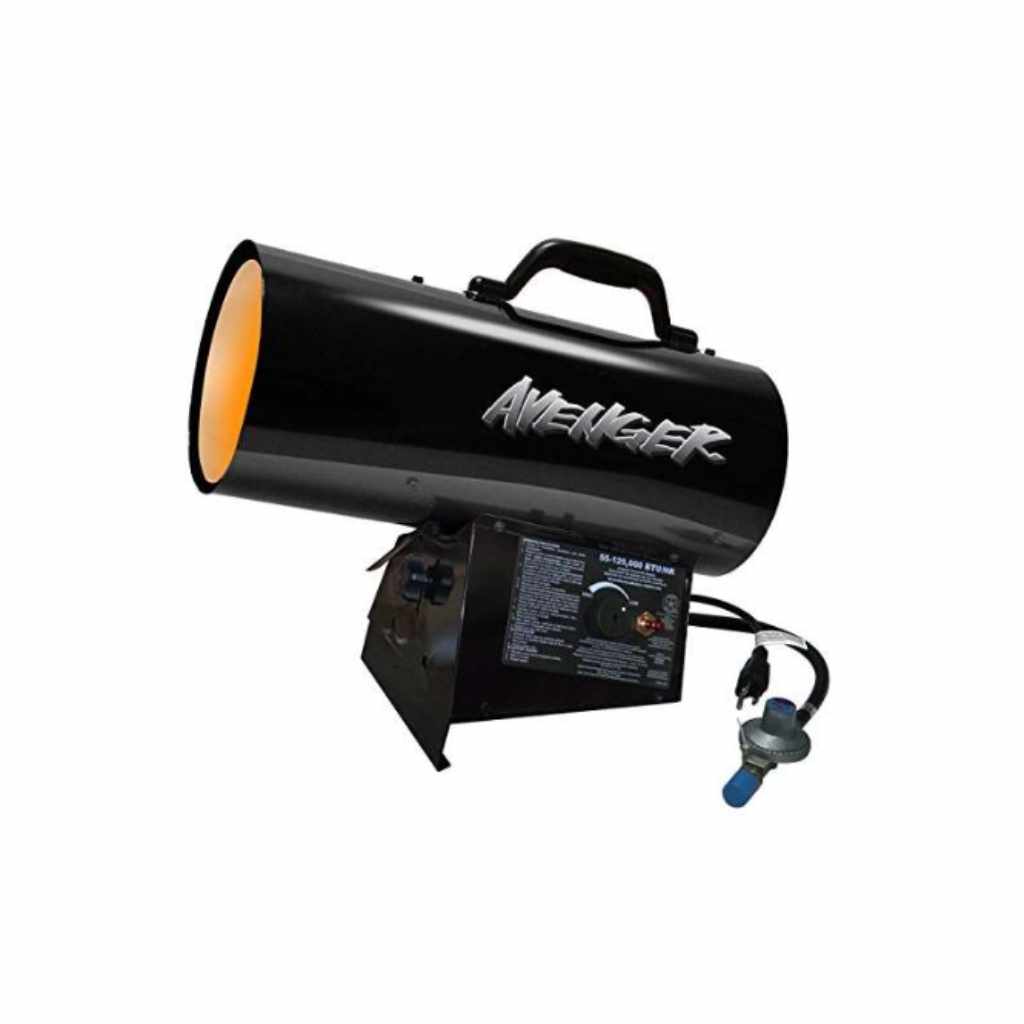
Propane Vs Kerosene Salamander Heater: The Final Verdict
If you are a homeowner looking for straightforward, reliable, and relatively clean heat for garages, basements, or small workshops, the Propane Salamander Heater is the best, most practical choice. Its instant-on capability and ease of refueling from a standard tank minimize hassle.
If your needs involve extreme heat output for very large, drafty spaces, or extremely long run times where you can tolerate slightly higher maintenance and odor, then the high-powered Kerosene Salamander Heater remains a strong, powerful alternative.
In today’s world, where DIY and home comfort are high priorities, ease of use often trumps brute-force capability. That’s why propane takes the crown for the everyday user.
Frequently Asked Questions (FAQ)
Q1: Can I use a propane salamander heater indoors?
A: Yes, but only specific models approved for indoor or “vent-free” use are truly safe. Direct-fired models (where exhaust mixes with incoming air) must always be used in very well-ventilated areas, even propane models. Always read the label. If unsure, treat it as needing outdoor ventilation.