Cost Of Space Heaters Vs Central Heat: Essential Showdown
When comparing the cost of space heaters vs central heat, space heaters are significantly cheaper for heating single rooms or small zones temporarily, costing mere pennies per hour, while central heating is necessary for whole-house, consistent warmth but involves much higher upfront and running costs. The best choice depends entirely on how and where you need warmth.
Are you tired of shivering in unused rooms while your whole house blasts expensive heat? Figuring out the best way to stay warm without emptying your wallet can feel like a confusing puzzle. Many homeowners worry about whether to rely on their big furnace or use smaller, targeted space heaters.
You don’t need to be a furnace technician to make smart choices. We are going to break down the real costs—from buying the unit to flicking the switch—for both central heating and space heaters. This guide offers simple, step-by-step comparisons so you can choose the warmest, most affordable path for your home this season.
Understanding the Big Picture: Central Heat vs. Space Heating
Before we dive into the dollars and cents, let’s clarify what we are comparing. Central heating warms your entire home from one main source (like a furnace or heat pump). Space heating involves using smaller, portable units to warm up one specific area or room.
The core of the cost of space heaters vs central heat debate comes down to utility:
- Central Heat: Whole-home coverage, better humidity control, often higher efficiency for large areas.
- Space Heaters: Zonal heating (heat where you are), low upfront cost, ultimate flexibility.

Section 1: The True Cost of Central Heating Systems
Central heating is the powerhouse of your home comfort system. While it provides reliable heat everywhere, its costs involve more than just the monthly gas bill.
Initial Investment and Installation Costs
If you are installing a brand-new system, this is the biggest financial hurdle. These costs vary wildly based on fuel type (gas furnace, electric heat pump, oil boiler) and the size of your home.
| System Type | Estimated Installation Cost (Varies by region/size) | Lifespan |
|---|---|---|
| Natural Gas Furnace | $4,500 – $9,000 | 15–20 years |
| Electric Heat Pump (HVAC) | $5,000 – $12,000 | 14–18 years |
| Boiler (Hot Water/Steam) | $6,000 – $13,000 | 20–30 years |
These figures show you need a significant upfront budget. Financing options are often available, but they add to the overall long-term cost.
Ongoing Monthly Running Costs
The monthly cost is driven by two main factors: your local utility rates and how efficiently your system runs (measured in AFUE for furnaces or HSPF/SEER for heat pumps).
The average monthly cost for running central heat can range from $100 to $300, although this is highly dependent on outside temperature and home sealing. A poorly insulated home forces the furnace to run constantly, leading to shockingly high bills.
How to Calculate Your Central Heat Energy Use
Understanding your furnace’s efficiency rating is key. AFUE stands for Annual Fuel Utilization Efficiency. A 90% AFUE rating means 90 cents of every dollar spent on fuel turns into usable heat; the other 10 cents are lost through the chimney or exhaust.
To get a better handle on efficiency, you can check information provided by the U.S. Department of Energy on home heating efficiency, which helps explain these rating systems.
Maintenance and Repairs
Central systems require annual professional tune-ups ($100–$250) and filter replacements. Major repairs (like replacing a heat exchanger) can cost thousands. This preventative maintenance is crucial for keeping the cost of space heaters vs central heat comparison reasonable, as a well-maintained furnace costs less to run.
Section 2: Breaking Down the Cost of Portable Space Heaters
Space heaters are champions of supplemental or zonal heating. They are generally inexpensive to buy and offer crystal-clear running costs because you know exactly what wattage you are powering.
Upfront Purchase Price
This is where space heaters shine. You can buy a very effective, safe model for an extremely low price.
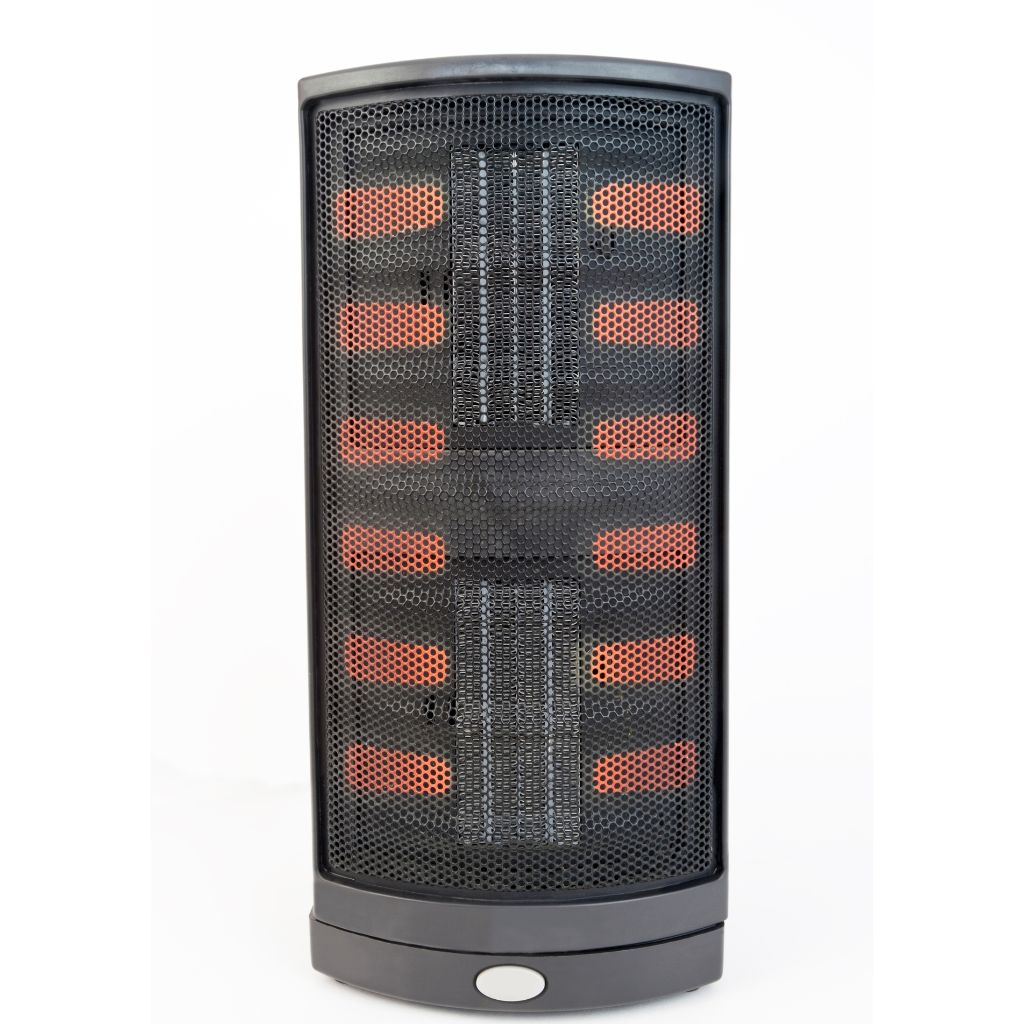
- Basic Ceramic Heaters: $25 – $50
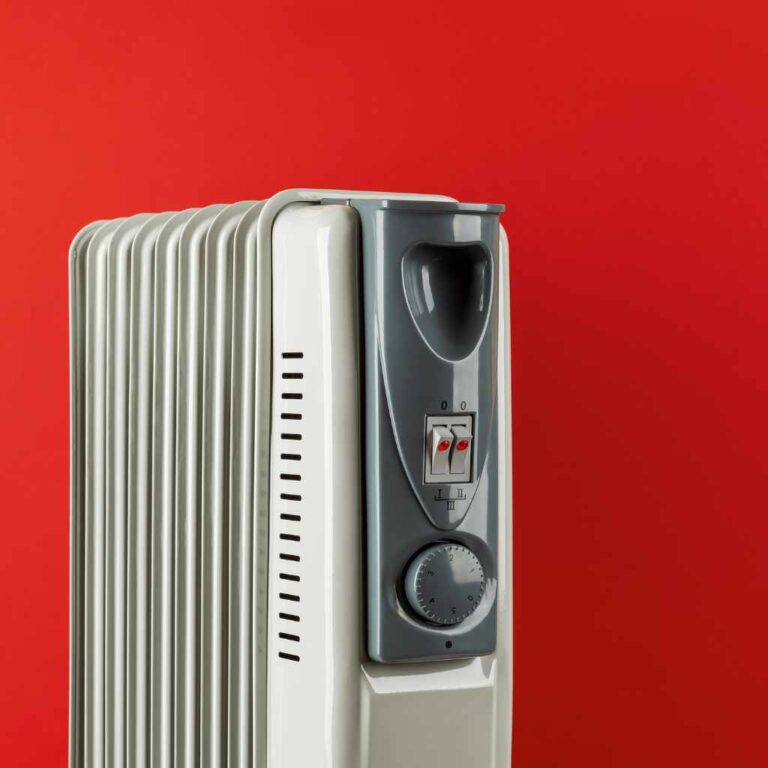
- Oil-Filled Radiators (Efficient): $60 – $120
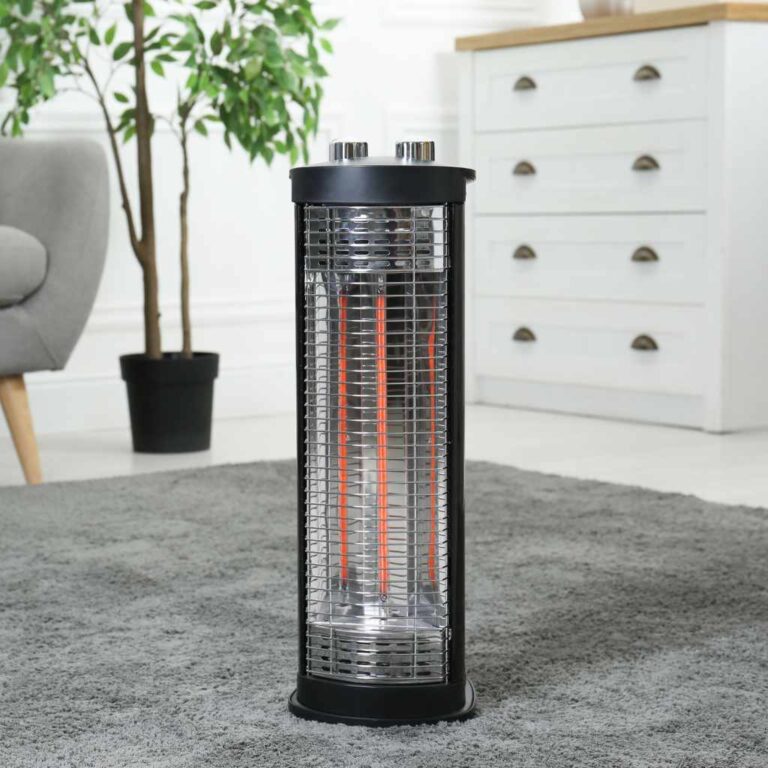
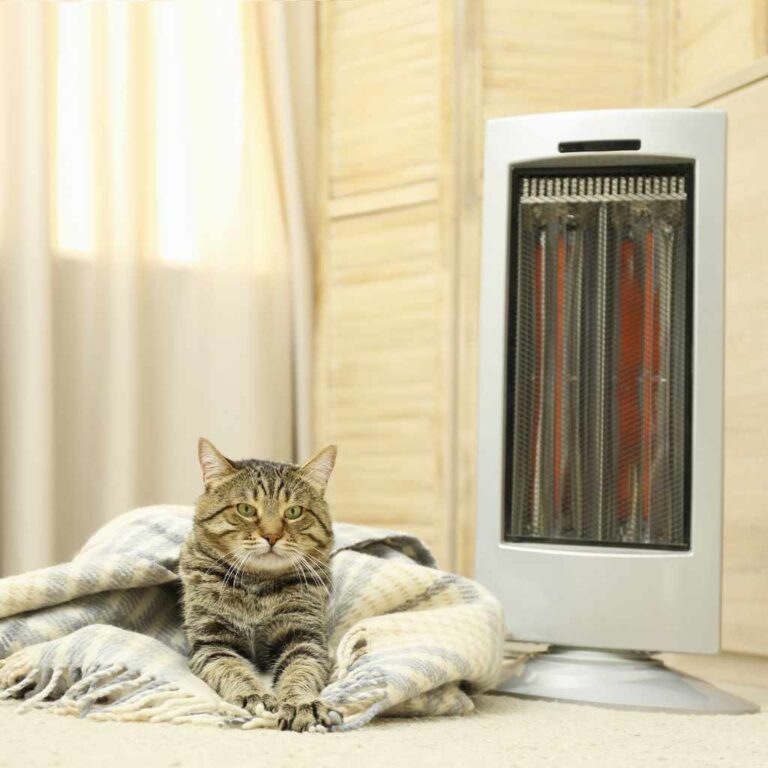
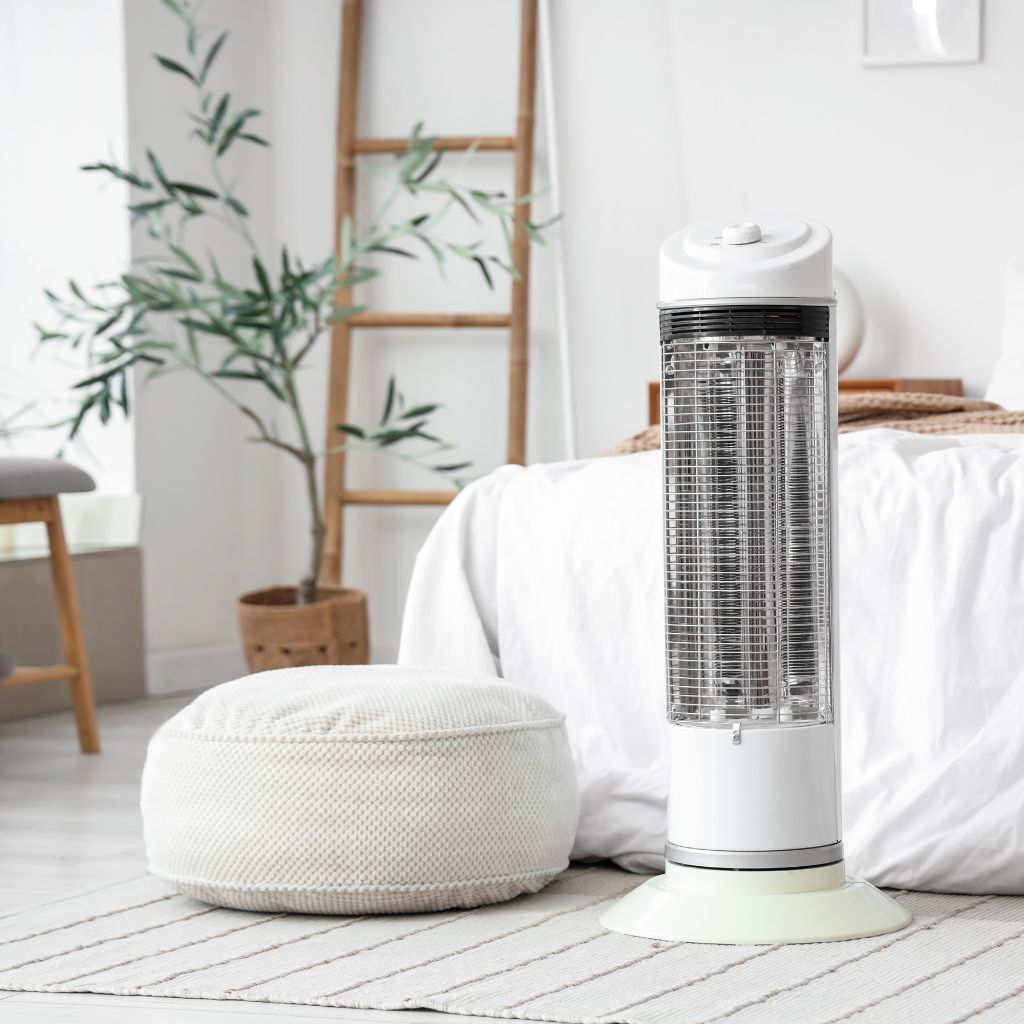
- Infrared Quartz Heaters (Fast Heat): $75 – $150
- Advanced Smart Space Heaters: $150 – $300
For less than the cost of one annual furnace tune-up, you can purchase three or four high-quality space heaters!
Ongoing Monthly Running Costs (The Wattage Factor)
The cost of running a space heater is simple math. You need to know two things: how many watts the heater uses and your local cost per kilowatt-hour (kWh).
Step-by-Step Guide to Calculating Space Heater Costs
Follow these easy steps to find out exactly what that space heater is costing you per hour:
- Find the Wattage: Look on the heater’s rating plate. Most standard portable heaters run between 750W (low setting) and 1,500W (high setting).
- Convert Watts to Kilowatts: Divide the wattage by 1,000. (Example: 1,500W / 1,000 = 1.5 kW)
- Find Your Local Rate: Look at your electricity bill for the cost per kWh. (Example: $0.15 per kWh is a common national average).
- Calculate Hourly Cost: Multiply the Kilowatts used by the cost per kWh. (Example: 1.5 kW $0.15/kWh = $0.225 per hour).
As Tanim’s rule of thumb: Running a standard 1,500W space heater costs about 20 to 30 cents per hour. If you run it for 8 hours while you work in your office, that’s less than $2 for the day!
Safety and Maintenance
Space heaters are generally low maintenance—usually just dusting the vents. However, safety is paramount. Because they run on electricity and produce direct heat, they carry small but important risks if misused.
Always look for these safety certifications:
- UL (Underwriters Laboratories) certification.
- Automatic tip-over shut-off.
- Overheat protection sensors.
Section 3: Side-by-Side Showdown: Cost of Space Heaters Vs Central Heat
To clearly settle the debate, we need to compare typical scenarios. Energy consumption is the heart of the cost of space heaters vs central heat comparison.
Operational Cost Comparison Table (Per Hour Estimate)
This table estimates the cost of heating a typical 10×10 room. Results will change based on local energy prices and insulation.
| Heating Method | Power Usage (Approx.) | Estimated Cost Per Hour | Best For |
|---|---|---|---|
| Central Furnace (Gas/Oil) | Equivalent of 50,000 BTUs | $0.50 – $1.50 (Depends on fuel prices) | Whole-house baseline warmth |
| Central Heat Pump (Electric) | 2,000W – 4,000W equivalent | $0.30 – $0.50 (Highly efficient in mild cold) | Whole-house consistency |
| 1,500W Electric Space Heater | 1.5 kW | $0.20 – $0.35 | Targeted room warming |
| Small Ceramic Heater (750W) | 0.75 kW | $0.10 – $0.17 | Under-desk or brief spot warming |
When Space Heaters Win the Cost Battle
Space heaters are undeniably cheaper per hour when you only need to heat one area. This efficiency strategy is called Zone Heating.
Use space heaters to save money when:
- You are Home Alone: If only one person is occupying the house during the day, you can turn the central thermostat down (say, to 60°F) and use a space heater in the specific living area. You save money by not heating empty rooms.
- Spot Heating is Required: Heating a drafty garage workshop or a cold bathroom quickly before a shower.
- Supplemental Boost: Your central heat can’t quite reach the far bedroom that always feels chilly.
- Rental/Temporary Living: Upfront costs for central HVAC installation are impossible or unnecessary.
When Central Heat Wins the Cost Battle
Central heat is necessary when your primary goal is comfortable, uniform living across the entire structure, especially when temperatures drop severely.
- Extreme Cold Sizing: Space heaters have limits. A standard 1,500W unit might not effectively warm a large, uninsulated living room on its own when it is below freezing outside. Central systems are sized for the whole structure.
- Moisture and Air Quality: Central systems often integrate better with whole-home humidifiers and air filtration, which is important for comfort and health.
- Whole-House Safety Net: Relying solely on multiple space heaters means many electrical loads on your circuits, which increases fire risk if circuits are old or overloaded. Central heat is inherently safer for continuous, whole-home operation.
- Avoiding High Electrical Bills: If you live somewhere electricity is very cheap compared to natural gas, running one efficient central electric system might actually beat the cost of running several space heaters all day.
For more insights into managing home energy use, resources like the EPA’s Guide to Energy Efficiency offer great context on how to manage your primary system effectively.
Section 4: Maximizing Savings: Integration, Not Substitution
The true secret to beating high heating bills isn’t choosing one system over the other; it’s using them together smartly. This integrated approach minimizes the strain on your most expensive system—the central furnace.
Tanim’s Strategy: The 60/40 Split
Think of your central furnace as the general warmth provider (the baseline) and your space heater as the targeted warmth manager (the booster).
Step 1: Set Your Central Thermostat Low
For maximum savings, keep your central thermostat set lower than you normally would—aim for 62°F to 65°F throughout occupied areas. This makes your furnace cycle less often.
Step 2: Isolate the Warm Zones
Close off vents (if you have a forced-air system) or doors to rooms you are not using (bedrooms during the day, basements, etc.). You stop paying to heat empty space.
Step 3: Deploy Space Heaters Where Needed
Place a heater in the specific room currently being used (e.g., the home office, the family room). Set this space heater to a comfortable temperature, perhaps 68°F to 70°F. Since the space heater only needs to overcome the 5°F to 8°F difference between the ambient house temperature and your comfort zone, it works much more efficiently than the central system trying to heat everything.
Understanding Efficiency Ratings (AFUE vs. COP)
When comparing the cost of space heaters vs central heat, understand that electric resistance heaters (most space heaters) are 100% thermally efficient—all power drawn turns exactly into heat. However, modern heat pumps (a type of central heat) can be 200% to 300% efficient because they move heat rather than create it, meaning they get more thermal output for the electrical cost input.
If you have a ductless mini-split heat pump, this might perform better than a resistive space heater, even though both are electric, due to that superior efficiency coefficient of performance (COP).
Section 5: Practical Tips for Affordable Heating This Winter
Smart habits cost nothing but save a lot. Focus on locking heat inside your home, which benefits both central and supplementary heating methods.
Insulation and Air Sealing First
No heater will be affordable if the heat immediately leaks out. Spend a little time on these immediate fixes:
- Door Sweeps: Install heavy door sweeps under all exterior doors immediately costing under $20 per door.
- Window Film Kits: Use inexpensive plastic shrink film kits on drafty windows. This creates an insulating air pocket.
- Caulk Gaps: Check where pipes enter the wall or where window/door trims meet the siding and reseal small cracks.
Smart Thermostat Use
If you have a programmable or smart thermostat, use it! Set the temperature to drop significantly (down to 55°F-60°F) whenever you are away or asleep. Even an hour or two of lowered temperature makes a difference to your monthly bill.
Space Heater Placement Matters
To get the most heat from your portable unit:
- Place it on the floor, not a surface, to allow natural convection.
- Position it facing inward to the center of the room, rather than directly at the cold wall.
- Never place heaters near curtains, furniture, or bedding. Maintain at least a three-foot safety zone.
Frequently Asked Questions (FAQ) About Heating Costs
Q1: Is it cheaper to run the central heat lower or use a space heater?
It is almost always cheaper to run the central heat system lower (e.g., 62°F) and use a 1,500W space heater to boost comfort in one occupied room to 70°F. This zone heating saves you from paying to heat dormant areas.
Q2: Which type of space heater costs the least to run: ceramic or oil-filled?
Generally, they cost the same to run per hour if both are set to 1,500W, as they both use electric resistance. Oil-filled types, however, retain heat longer after turning off, potentially leading to lower overall runtime and slightly lower total energy consumption across several hours.
Q3: Can space heaters overload my home’s electrical circuits?
Yes, they absolutely can. Most household circuits are rated for 15 or 20 amps. A single 1,500W heater draws about 12.5 amps, leaving little room for other appliances (like a hair dryer or vacuum) on the same circuit. Never plug a space heater into an extension cord or power strip.
Q4: How much money can I save by turning my central thermostat down 5 degrees?
The U.S. Department of Energy suggests that for every one-degree Fahrenheit you lower your thermostat over an eight-hour period, you can save approximately 1% on your heating bill. Cooling your home by 5 degrees can save you about 5% on that cycle’s usage.
Q5: Are oil-filled space heaters actually more efficient than fan heaters?
They are not more efficient in terms of converting electricity to heat (100% for both), but they are more effective* at maintaining sustained warmth. Oil heaters circulate warm oil, providing radiant heat that stays in the room longer, reducing the need for the unit to cycle on constantly.
Q6: Should I use my gas furnace or an electric space heater in a drafty basement?
If the basement is only used occasionally, an electric space heater is better because you only pay to heat that small area when needed. If the basement is a primary living space you use constantly, a high-efficiency gas furnace will likely offer a lower operational cost than running high-wattage electric resistance heating continuously.