
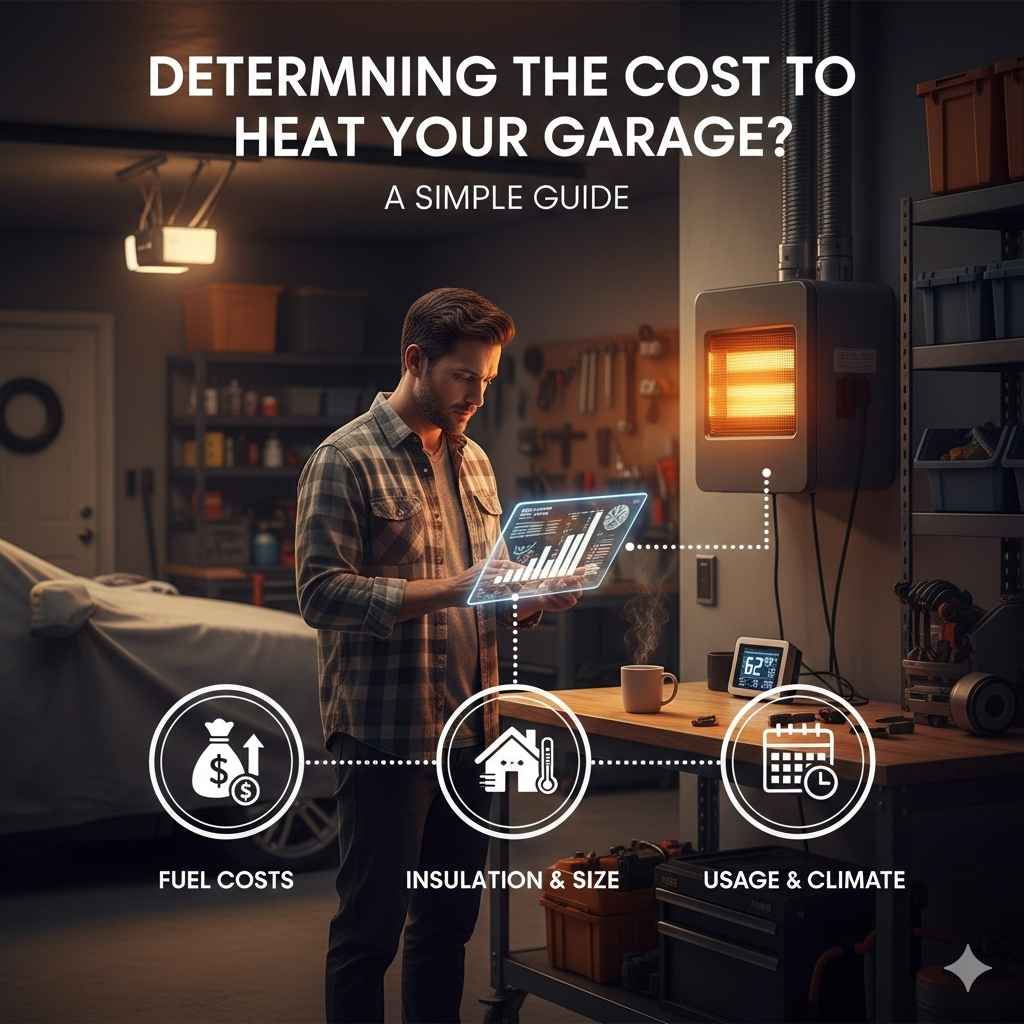
Figuring out How Much Would It Cost to Heat a Garage? is a common question. It can seem tricky at first, with many different factors to consider. Don’t worry, though! It’s easier than you think. We’ll break down the important stuff in a simple, step-by-step way. Get ready to explore the costs, different heating choices, and how to make the best decision for your needs. Now, let’s get started!
What Influences the Cost of Garage Heating?
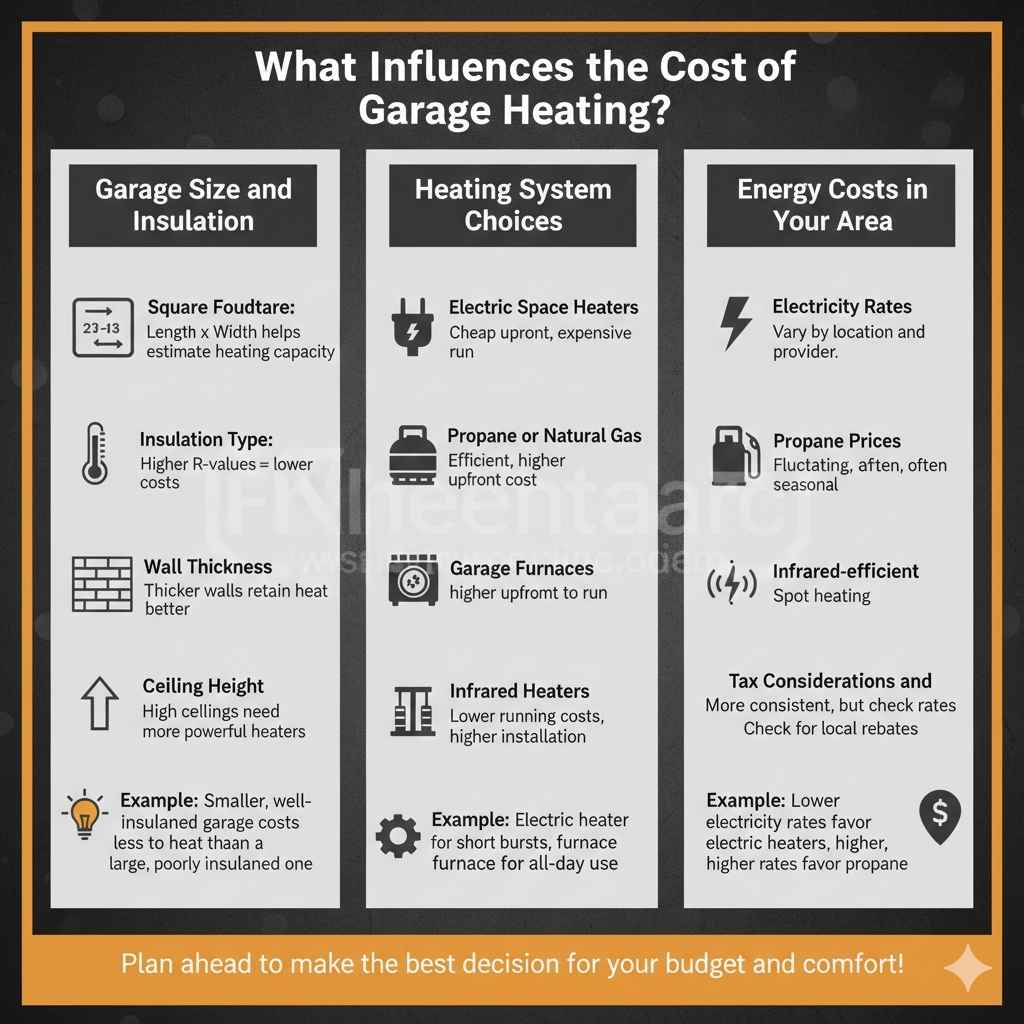
Several things affect how much it costs to heat your garage. These are not always simple, but knowing them helps make a smart choice. We will examine what impacts your heating expenses so you can be better prepared to make a good choice about heating systems and costs. Thinking about these details helps you plan better and avoid surprises. So, let’s see what plays a part in your heating costs.
Garage Size and Insulation
The size of your garage is a big deal when it comes to heating costs. A bigger garage obviously requires more energy to heat compared to a small one. It’s like trying to warm up a big room versus a small one. Also, how well your garage is insulated plays a big role. Insulation is like a blanket for your garage, keeping the heat inside and the cold outside. Without good insulation, heat escapes quickly, making your heater work harder and driving up costs. It makes a big difference.
- Square Footage: Larger garages need more heating to warm the air volume. Measure the length and width of your garage, then multiply them to find the square footage. This helps estimate the heating capacity required.
- Insulation Type: Different types of insulation, such as fiberglass, spray foam, or rigid foam, have different R-values (a measure of resistance to heat flow). Higher R-values mean better insulation and lower heating costs.
- Wall Thickness: Thicker walls usually offer better insulation. Walls made of brick or concrete tend to retain heat better than wood frame walls, affecting the heating efficiency of your garage.
- Ceiling Height: High ceilings increase the air volume that needs to be heated. Garages with higher ceilings will require more powerful heaters or more time to reach a comfortable temperature.
Consider two garages: one is a single-car garage (200 sq ft) with good insulation and the other, a double-car garage (400 sq ft) with little insulation. The double-car garage will likely cost much more to heat, assuming you keep the same temperature. Insulation makes a huge difference. Adding better insulation in the first garage, even if it’s smaller, would greatly improve its energy use and heating costs.
Heating System Choices
Picking the right heating system is a big deal when you think about How Much Would It Cost to Heat a Garage? There are lots of options, each with its own price tag and running costs. Some options use electricity, others use propane, and some even hook up to your home’s system. What you choose depends on how often you’ll use the garage, your budget, and what’s available in your area. Consider all these points so that you can make a good decision.
- Electric Space Heaters: Affordable upfront, but often more expensive to run, especially in poorly insulated garages. Great for short-term use, but can be costly for continuous heating.
- Propane or Natural Gas Heaters: More efficient than electric heaters, particularly in well-insulated spaces. Upfront costs might be higher, but they can be cost-effective for frequent use.
- Garage Furnaces: Usually hooked to your existing central heating system. Great for garages that are well-insulated and used frequently. Installation can be more expensive, but running costs can be lower.
- Infrared Heaters: These heat objects directly, rather than the air. They’re energy-efficient, great for spot heating, and work well in poorly insulated spaces.
Take, for instance, a small workshop. An electric space heater might be fine for short bursts of heat. However, if you are a mechanic and use your garage all day, a propane heater or a furnace might be a better choice to keep things comfortable. The right pick will save you money over time.
Energy Costs in Your Area
The price of energy fluctuates. Your heating bill will differ based on the price of electricity, propane, or natural gas in your local area. These prices change depending on many factors. Because the cost of energy varies greatly across the country, it will be important to check what’s available in your location. Getting local information will help you calculate more accurately, answering the question, How Much Would It Cost to Heat a Garage?
- Electricity Rates: Vary widely depending on your location and electricity provider. Check your local utility company’s rates. They often have different pricing options.
- Propane Prices: Propane prices also fluctuate. These prices often change with the season. Find the cost of propane in your area to determine the operational cost of using a propane heater.
- Natural Gas Prices: If you have natural gas available, check the rates in your area. Gas prices are usually more consistent, though still subject to change.
- Tax Considerations and Incentives: Some regions have energy rebates or tax credits for installing energy-efficient heating systems. Check your local and state governments for any available assistance.
Picture two people. One lives in an area with low electricity rates and uses an electric heater. The other lives where electricity is more expensive and uses a propane heater. The second person would probably have lower running costs. Check your own local energy prices to make the best decision for your needs.
Calculating Garage Heating Costs
Now, let’s explore how to find out the costs of heating a garage. To do this, you’ll need to put all the information from above together. By doing this, you can more easily estimate your costs and be better prepared. This part will show you how to do the math to predict the costs of heating your garage and decide what is the best choice.
Estimating Energy Usage
Calculating energy use is a key step. The amount of energy needed depends on the size of your garage, how well it’s insulated, and the temperature you want. Using these calculations, you can get a better idea of your energy use. This knowledge is important for figuring out the answer to, How Much Would It Cost to Heat a Garage?
- BTU Requirements: British Thermal Units (BTUs) measure how much heat a heater puts out. You’ll need to know the BTU requirement based on your garage size and insulation levels. A general rule is to calculate the BTU requirement by multiplying the garage’s square footage by a factor based on insulation (e.g., 20 BTU per square foot for insulated garages, and 30 BTU per square foot for uninsulated).
- Heater Efficiency: Check the efficiency rating of your heater. This is often represented as Annual Fuel Utilization Efficiency (AFUE) for furnaces or a similar metric for other types of heaters. Higher efficiency means the heater uses less energy to produce the same amount of heat.
- Daily or Monthly Usage: Decide how long you plan to run the heater each day or month. The more hours you use the heater, the higher your energy consumption and costs.
- Temperature Settings: Higher temperatures require more energy to maintain. The difference between the outside temperature and your target garage temperature affects energy consumption.
For example, you have a 400-square-foot garage with poor insulation. If you want to keep it at 60°F during the winter, you’ll need a heater with a higher BTU output than someone with a smaller, well-insulated garage. A good BTU calculation can help determine what heating system you need.
Cost Calculation Examples
Let’s look at some examples of how to determine the cost. To do this, you will need to determine the energy consumption and the costs in your location. Here are some examples to show how to compute the costs of heating your garage. These calculations help you anticipate what to pay so you can choose wisely, in regards to How Much Would It Cost to Heat a Garage?
- Electric Heater Example: An electric heater rated at 1500 watts (1.5 kW) is used for 4 hours a day, and the electricity rate is $0.15 per kWh. The daily cost is (1.5 kW x 4 hours) x $0.15 = $0.90. Over a month (30 days), this would cost $27.00.
- Propane Heater Example: A propane heater consumes 1 gallon of propane per hour. Propane costs $3.00 per gallon, and the heater runs for 3 hours daily. The daily cost is 3 hours x $3.00 = $9.00. Over a month (30 days), the cost is $270.00.
- Natural Gas Furnace Example: If your furnace consumes 50,000 BTU per hour and natural gas costs $1.00 per therm (100,000 BTU), you are looking at approximately 50 cents per hour. Running it for 6 hours a day would be $3.00 per day or $90.00 for a month.
- Infrared Heater Example: An infrared heater uses 1,000 watts (1 kW) and is used for 2 hours per day. Electricity costs $0.15 per kWh. The daily cost is (1 kW x 2 hours) x $0.15 = $0.30. The monthly cost (30 days) is $9.00.
Consider a person in a cold climate using an electric heater. Using the example above, they would spend about $27 per month, assuming they only used the heater for a few hours. In contrast, someone in the same situation but using a propane heater could be spending a lot more. Calculating your anticipated costs can change your choice about what equipment you want to use.
Factors Affecting Ongoing Expenses
Heating costs are not fixed. Other elements can alter these costs. Knowing about these factors helps you better manage your budget. Things like how much you use the garage, maintenance, and any changes in energy prices are important. The following parts give you more knowledge of these points to help answer How Much Would It Cost to Heat a Garage?
- Frequency of Use: The more often you use your garage, and the longer you run the heater, the higher your costs will be. Heating the garage only when needed can save money.
- Maintenance Costs: Regular maintenance, like cleaning and servicing your heater, keeps it running efficiently. Skipping maintenance can lead to higher energy consumption and potential repair expenses.
- Energy Price Fluctuations: Energy prices change. Always keep an eye on local energy rates to anticipate any changes in your monthly heating bills.
- Insulation and Seal Upgrades: Improving insulation or sealing drafts can significantly reduce your heating expenses. These improvements often pay for themselves over time.
For example, a garage with poor insulation and leaks around the doors and windows. No matter what kind of heater they use, they’ll have higher expenses due to heat loss. Improving the insulation would cut down on energy consumption, which lowers overall expenses.
Choosing the Right Heating Solution
Picking the best way to heat your garage depends on your needs. You’ve now seen the elements that go into determining How Much Would It Cost to Heat a Garage? Now we will examine the options and consider their benefits and drawbacks. To make the best choice, think about how you will use the garage, your budget, and what’s available in your area. This section helps you pick the right way to heat your space.
Evaluating Different Heating Systems
Each type of heating system has pluses and minuses. Understanding these factors is important when you’re deciding on what you need. From electric heaters to furnaces, you have many choices. Consider how often you will use your garage, the energy costs in your area, and how much you have available to spend. The following is some more information to help you select what is right for you, and calculate How Much Would It Cost to Heat a Garage?
- Electric Space Heaters: Pros: Low upfront cost, easy installation. Cons: High operating costs, less effective in larger, uninsulated spaces. Good for occasional use.
- Propane or Natural Gas Heaters: Pros: More energy-efficient, faster heating. Cons: Higher initial cost, requires proper ventilation and fuel supply. Best for frequent and sustained use.
- Garage Furnaces: Pros: Efficient heating, can be connected to the existing home system. Cons: Higher installation cost, requires more extensive setup. Ideal for frequently used, insulated garages.
- Infrared Heaters: Pros: Energy-efficient, provides targeted heat. Cons: Can be less effective at heating the entire space quickly. Good for specific areas or for spot heating.
Consider a person who needs to heat their garage just a few times a week. An electric space heater would be a good choice because it’s cheap upfront. For a mechanic who uses the garage every day, a propane heater or furnace would be a better choice to keep costs down in the long run.
Comparing Heating System Costs
When selecting a heating system, it is important to review the costs. Doing this will let you choose a cost-effective solution. Compare the initial cost of the unit, the cost of installing it, and the running expenses. Reviewing all of these points will help you assess How Much Would It Cost to Heat a Garage?
| Heating System | Initial Cost (Approximate) | Annual Operating Cost (Approximate) | Pros | Cons |
|---|---|---|---|---|
| Electric Space Heater | $30 – $150 | $100 – $500+ (depending on use and rates) | Low upfront cost, easy to install | High operating costs, less efficient |
| Propane Heater | $150 – $500 | $150 – $400+ (depending on use and propane costs) | More efficient, quicker heating | Higher upfront cost, fuel tank or line needed |
| Garage Furnace | $500 – $2,000+ (plus installation) | $100 – $300+ (depending on use and fuel costs) | Highly efficient, connects to home’s HVAC system | Highest initial and installation costs |
| Infrared Heater | $100 – $400 | $50 – $250+ (depending on use and rates) | Energy-efficient, provides spot heating | Less effective at heating entire space |
For example, an electric heater might seem cheaper at first. However, if used frequently, the high energy costs make it more expensive. A furnace is more expensive to get at first. However, its efficiency can result in lower long-term costs. Doing a direct comparison of the expenses helps you make a wise decision.
Practical Recommendations for Your Situation
Choosing the best heating solution for your garage can seem hard, but it’s not! The decision depends on how you plan to use the space, the cost you are willing to spend, and the local energy prices. Think about your use and budget. Making smart choices can help keep the garage comfy and your costs down. Here are some recommendations about How Much Would It Cost to Heat a Garage? to help you select the best approach.
- Occasional Use: For occasional use, electric space heaters or infrared heaters are the best. They are cheaper and you can turn them on only when needed.
- Frequent Use: For more frequent use, a propane heater or a garage furnace would be a good pick. Although they cost more to start, they will be cheaper over time.
- Budget Constraints: If your budget is tight, start with a simple, affordable option such as an electric space heater. Keep in mind that running costs will likely be higher.
- Energy Efficiency: If energy efficiency is a priority, consider propane heaters, garage furnaces, or infrared heaters. Also, make sure your garage is well-insulated to reduce heat loss.
- Consider Local Resources: Explore if there are any rebates or discounts on energy-efficient heating. Check with local contractors to determine the equipment that meets your needs.
Imagine someone who only uses their garage in the winter to park their car. An electric space heater or infrared heater would likely meet their needs. Someone using it as a workshop every day will benefit more from a propane or furnace setup.
What Influences the Cost of Garage Heating?
Making your garage more energy-efficient is important. It not only cuts down on energy use but also saves you money. Better insulation, sealing up cracks, and proper ventilation can make a big difference. These things help retain heat, cut down on waste, and make the space more comfy. Knowing how to get better efficiency is a key step in deciding How Much Would It Cost to Heat a Garage?
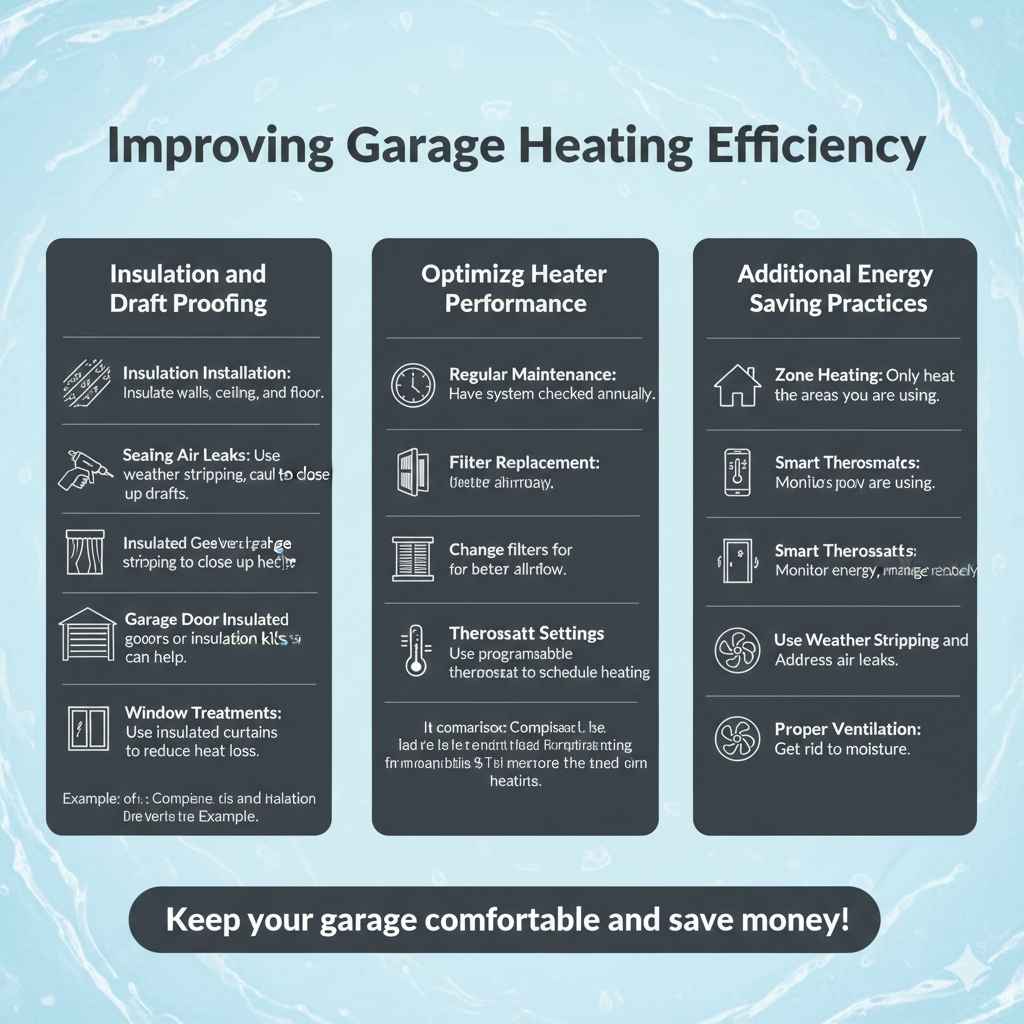
Insulation and Draft Proofing
Insulation and stopping drafts are the first steps to improving heating efficiency. Good insulation reduces heat transfer. Sealing drafts stops cold air from coming in. Together, these things make the garage easier to heat, which also lowers your costs. Here are some key points about insulation and draft proofing, to help you answer How Much Would It Cost to Heat a Garage?
- Insulation Installation: Insulate your walls, ceiling, and floor. This prevents heat from escaping, especially in cold weather. Spray foam, fiberglass batts, and rigid foam are popular insulation choices.
- Sealing Air Leaks: Find and seal air leaks around doors, windows, and other openings. Use weather stripping, caulk, and sealant to close up drafts.
- Garage Door Insulation: Insulate the garage door. Garage doors often lack insulation, so they can be a significant source of heat loss. Insulated garage doors or insulation kits can help.
- Window Treatments: If your garage has windows, use insulated curtains or window films to reduce heat loss through the glass.
Picture two identical garages, except one is well-insulated and the other is not. The insulated one will maintain its warmth better, so the heater won’t have to work as hard, and that will save money.
Optimizing Heater Performance
Keeping your heater in good shape is important to its efficiency. Regular maintenance ensures the system runs well and consumes less energy. Simple actions like cleaning and professional tune-ups can help. These points are important, to help you answer the question, How Much Would It Cost to Heat a Garage?
- Regular Maintenance: Have your heating system checked and serviced by a professional once a year. This keeps the heater running smoothly and efficiently.
- Filter Replacement: Change the filters as needed. Clean filters enable better airflow and improve performance.
- Thermostat Settings: Use a programmable thermostat to schedule heating times. Lower the temperature when you are not using the garage to save energy.
- Heater Sizing: Make sure you have the right-sized heater for your garage. A heater that is too small might not be efficient. A too-large heater can waste energy.
Compare two garage owners. One changes the filters regularly and has their heating system maintained each year. The other does not. The first person is likely to see better performance and lower energy costs.
Additional Energy Saving Practices
Other things can help to make your garage more energy-efficient and to reduce heating costs. These are easy actions that do not need a lot of cost. From managing how you use the space, to adding smart controls, you can keep the space comfortable and save money. All of this can assist you in answering the question, How Much Would It Cost to Heat a Garage?
- Zone Heating: Only heat the areas you are using. This approach uses energy only where it’s needed.
- Smart Thermostats: Install a smart thermostat. They let you schedule heating, monitor energy use, and manage temperatures remotely.
- Use Weather Stripping and Sealants: Inspect for and address air leaks around doors, windows, and other points. Weather stripping and caulk can dramatically improve energy efficiency.
- Proper Ventilation: Ensure proper ventilation to get rid of moisture and reduce the chances of mold or mildew. Good ventilation helps maintain a comfortable and healthy atmosphere.
Think about a garage owner who uses zone heating in a workshop and only heats the workbench area. This will be more energy-efficient than heating the whole garage. Their efficiency can have a big effect.
Frequently Asked Questions
Question: What is the most cost-effective way to heat a garage?
Answer: The most cost-effective method depends on your usage. For occasional use, electric space heaters may be okay. For frequent use, a well-insulated garage with a propane heater or furnace can be the most efficient.
Question: How do I know what size heater I need for my garage?
Answer: Calculate the BTU requirement based on the garage’s square footage and insulation level. A contractor can assist in sizing the right heater.
Question: Is it safe to use a propane heater in a garage?
Answer: Yes, but only with proper ventilation and carbon monoxide detectors. Always follow the manufacturer’s safety instructions.
Question: What’s the main factor affecting heating costs?
Answer: The primary factors are the size of the garage, its insulation, the type of heater, and energy prices in your area.
Question: How can I reduce my heating bills?
Answer: You can reduce bills by improving insulation, sealing air leaks, using a programmable thermostat, and choosing a heating system that fits your use.
Final Thoughts
Discovering How Much Would It Cost to Heat a Garage? includes understanding several factors. We’ve explored everything, from your garage’s size and insulation to different heating options and energy prices. You’ve also seen the different heating methods, from electric heaters to furnaces, and seen their pros and cons. We covered the energy usage calculations, and how to improve garage heating effectiveness to cut down on energy consumption and expenses. By understanding these parts, you can figure out your heating costs.
Now, take the next step. Begin by taking the measurements of your garage and look at the insulation. Examine your local energy prices and how often you will be using your garage. Then, explore the different heating systems and their costs. Choose the option that best matches your budget and your plans for the space. Making these decisions will help keep your garage comfy all year while you save money. With these key points in place, you’re ready to heat your garage more smartly and cost-effectively.
Last Updated on January 14, 2026 by Tanim