Garage Heater Kerosene Vs Propane: Proven Choice
The proven choice for your garage heater often depends on portability and initial cost. Propane generally offers cleaner, faster heat with readily available fuel, while kerosene heaters are excellent for long runtimes and often have a lower initial purchase price. We break down safety, efficiency, and cost to help you decide.
Is your garage a freezing challenge when winter hits? You’re not alone. Keeping a workspace warm is tough, but choosing the right fuel source—kerosene or propane—adds another layer of confusion. People often worry about cost, fumes, and ease of use. Don’t stress! As your trusted heating guide, I’m here to clear up the smoke and mirrors. We’ll look at these two powerhouse fuels side-by-side, focusing on real-world impact. By the end of this guide, you’ll feel totally confident picking the perfect heater that fits your garage and your budget.
Why Fuel Choice Matters So Much for Garage Heaters
Your garage isn’t your living room. It likely lacks proper insulation, needs powerful, quick heat, and might not have easy access to natural gas lines. This means the fuel you bring in—kerosene or propane—has a huge impact on:
- Safety: How easily it burns and the fumes it produces.
- Cost: What you pay per BTU (British Thermal Unit) of heat delivered.
- Convenience: How easy it is to store and refill large tanks.
Let’s dive into the specifics of the two main contenders in the portable garage heating world.

Propane Garage Heaters: Convenience and Clean Combustion
Propane (Liquefied Petroleum Gas or LPG) is a highly popular choice, especially for homeowners who already use it for grills or outdoor appliances. It’s delivered in pressurized tanks, which makes it immediately portable.
How Propane Heaters Work in the Garage
Propane heaters generally fall into two categories for garages: direct-fired forced air (usually temporary/construction style) or radiant/convection units (for milder, longer-term use). Propane burns very cleanly compared to fuel oil or kerosene, producing mostly water vapor and carbon dioxide.
The Pros and Cons of Using Propane
Understanding the trade-offs helps settle the “garage heater kerosene vs propane” debate for your specific needs.
Advantages of Propane Heaters
- Cleaner Burn: Propane produces significantly less odor and soot than kerosene. This is a major benefit if you spend long hours working in the garage.
- Quick Heat Up: Propane delivers very consistent, high-intensity heat quickly. The flame is easy to regulate.
- Fuel Accessibility: Refill tanks are easy to find at hardware stores, gas stations, or often delivered directly to your home.
- Portability and Variety: Propane comes in small, portable cylinders (like the 20lb BBQ tank) up to large on-site tanks, offering great flexibility.
Disadvantages of Propane Heaters
- Cold Weather Performance: Standard propane (like that in BBQ tanks) can sometimes struggle to vaporize properly in extremely cold temperatures (below freezing). You might need “winterized” or specialized propane if you live in very northern climates.
- Fuel Storage Concern: While portable, you must store pressurized tanks safely outdoors or in designated, ventilated areas, separate from the main living structure.
Kerosene Garage Heaters: Run Time and Deep Cold Reliability
Kerosene is an oil-based fuel often associated with older torpedo heaters or high-capacity heaters used in industrial settings or deep-winter construction sites. It’s known for its high energy density—meaning a gallon burns for a long time.
How Kerosene Heaters Operate
Kerosene heaters draw the fuel from a reservoir built into the unit. They usually use a wick or an electric ignition system to vaporize the kerosene for combustion. They are superb at producing high BTUs for extended periods without needing constant refueling.
The Pros and Cons of Using Kerosene
Advantages of Kerosene Heaters
- Superior Fuel Density and Run Time: Kerosene holds more energy per gallon than propane. A 5-gallon kerosene tank can run a mid-sized heater for much longer than a typical 20lb propane tank, often giving days of use without a refill.
- Handles Extreme Cold: Kerosene does not suffer from vaporization issues in freezing temperatures, a major advantage for emergency or severe winter heating.
- Lower Initial Cost: Kerosene heaters themselves sometimes have a lower upfront cost than comparable high-BTU propane units.
Disadvantages of Kerosene Heaters
- Odor and Fumes: Even modern, “low-odor” kerosene heaters produce a noticeable smell, especially upon startup and shutdown. You must ensure excellent ventilation.
- Maintenance: Wicks need trimming or replacement, and the fuel itself can eventually degrade or smell unpleasant if stored improperly for years.
- Fuel Handling: Pouring fuel from heavy cans into the heater tank can be messy, and storing large quantities of kerosene requires careful space management, often in approved safety tanks.
Head-to-Head Comparison: Propane vs. Kerosene
To make your decision crystal clear, here is a direct look at how these two fuels stack up across crucial homeowner metrics. This comparison is central to answering the “garage heater kerosene vs propane” question.
| Feature | Propane (LPG) | Kerosene (K-1 Grade) |
|---|---|---|
| Combustion Cleanliness | Very Clean; minimal odor. | Noticeable odor; requires strict ventilation due to potential fumes. |
| Cold Weather Reliability | Can suffer vaporization issues below 32°F (requires winter mix). | Excellent; performs reliably in extreme cold. |
| Fuel Storage | Pressurized tanks (must be stored outdoors/safely ventilated). | Liquid fuel stored in non-pressurized cans or drums. |
| Run Time Per Fuel Unit | Shorter runtime; easy to swap tanks quickly. | Long runtime due to higher energy per gallon. |
| Initial Purchase Price | Often slightly higher for comparable models. | Often slightly lower for equivalent output. |
| Best For | Intermittent use, cleaner shops, good everyday climate. | Long construction projects, deep winter, emergency backup. |
Safety First: Ventilation is Non-Negotiable
No matter which fuel you choose, safety overrides everything, especially in enclosed or semi-enclosed spaces like a garage. Both propane and kerosene burn oxygen and produce carbon monoxide (CO), a silent killer. Never use a fuel-burning heater as an emergency heat source inside your immediate home.
Essential Safety Steps for Garage Heating
Follow these non-negotiable rules to keep your workspace safe:
- Install Carbon Monoxide Detectors: This is your lifeline. Install UL-listed CO alarms near your work area, and check the batteries monthly, especially before the heating season begins.
- Ensure Fresh Air Exchange: Always crack open a window or door slightly—even if it feels counterintuitive to heat loss. This supplies the oxygen the flame needs to burn efficiently and prevents CO buildup. For every 100,000 BTUs of heat, you typically need a clear opening of 1 square inch for makeup air.
- Maintain Clearance: Keep all combustible materials (wood, sawdust, paper, oily rags) at least three feet away from the heater unit at all times, as recommended by the manufacturer.
- Check Fuel Quality: For kerosene, use K-1 grade fuel, and never use gasoline (which is explosive). Never store old, stale kerosene inside your heated space; it smells terrible and can ignite with less heat.
For details on maintaining adequate ventilation standards, you can reference guidelines provided by organizations like the Occupational Safety and Health Administration (OSHA) regarding fuel safety compliance.
Choosing the Right Heater Type for Your Garage
The fuel choice is only half the battle. Now, we look at the physical appliance design for both propane and kerosene.
Propane Heater Form Factors
When using propane, you usually encounter these types:
- Forced Air Torpedo Heaters (Direct Fired): These connect to large propane tanks (like 100lb or larger) and burn very hot, blowing heated air using a fan. Great for rapidly heating large, drafty spaces, but they are noisy and require significant ventilation.
- Radiant Heaters: These use infrared waves to heat objects and people directly, not the air. They are quieter and usually better for a single person working at a bench.
- Propane Convection Heaters: These heat the air, similar to a furnace, relying on natural air flow to distribute warmth.
Kerosene Heater Form Factors
Kerosene heaters are famous for their sustained output:
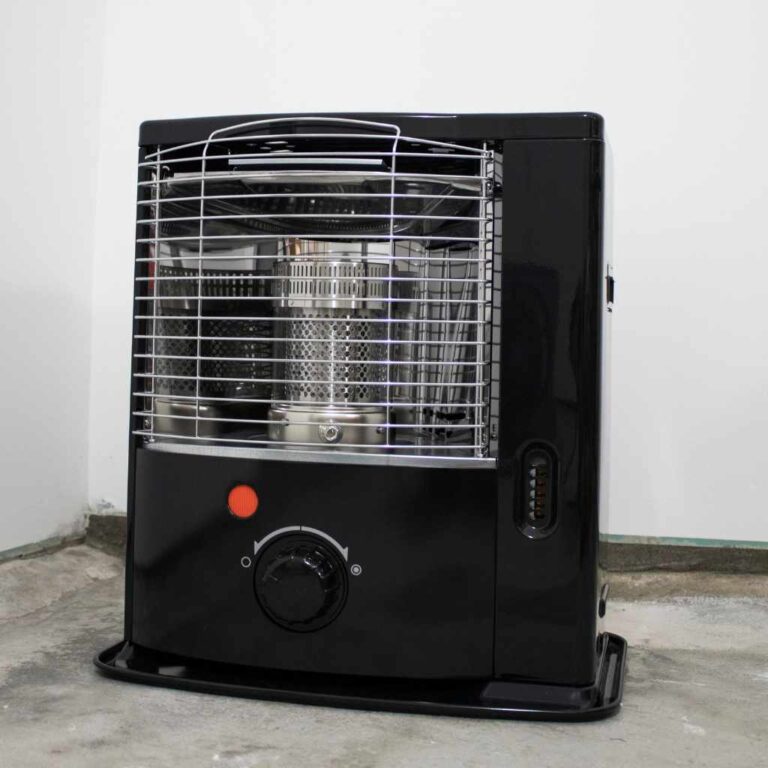
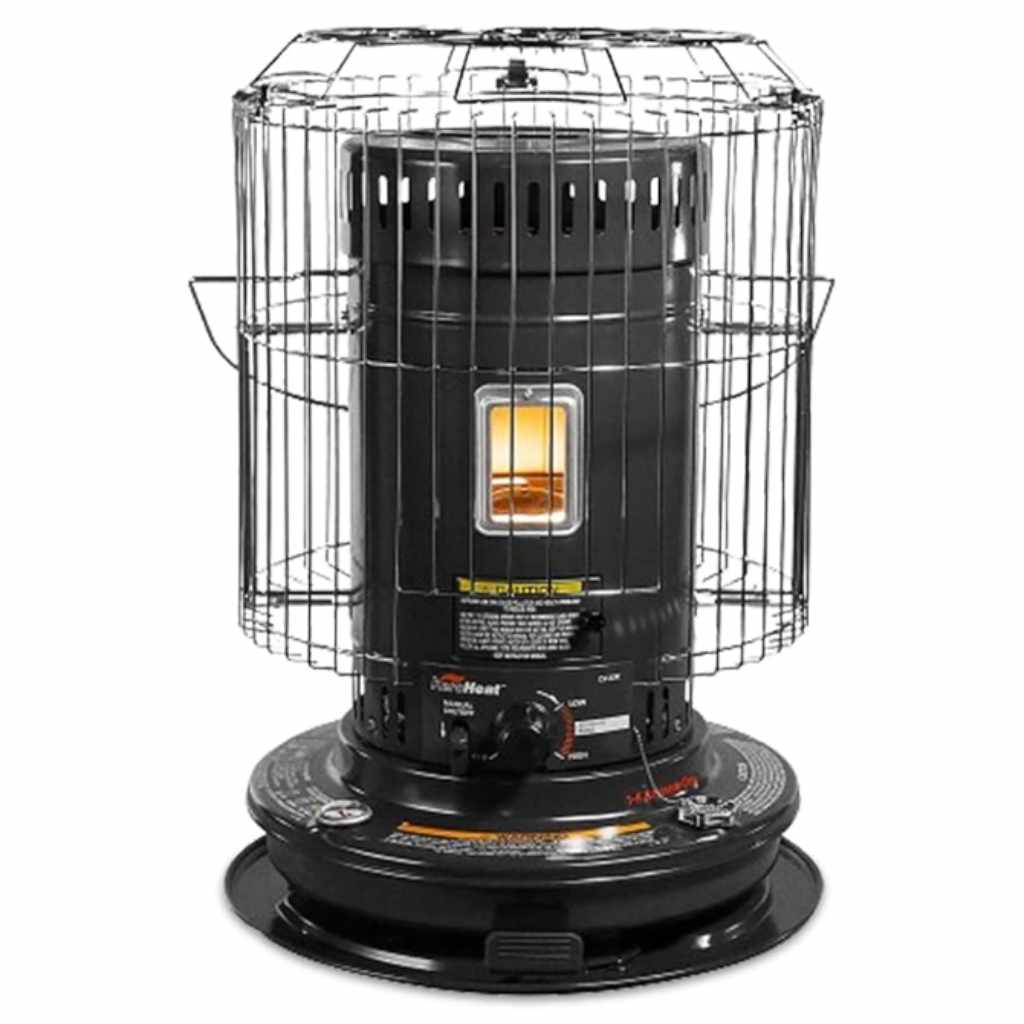
- Convection/Kerosene Cabinet Heaters: These use a large internal tank and typically offer radiant heat from the top surface while warming the surrounding air. They are often used for long-term maintenance heat rather than quick blasts.
- Wick Heaters: Older style, reliable, but require manual wick adjustments and careful monitoring.
The Takeaway on Type: If you need powerful, fast heat for occasional use, both fuels offer forced-air options. If you need quiet, steady heat while you are focused on a project, a radiant propane unit or a low-setting kerosene convection heater might be better.
Decoding BTU Ratings: How Much Heat Do You Need?
BTU (British Thermal Unit) measures heat output. Choosing a heater that is too small means you waste energy running it constantly. Choosing one that’s too large can lead to overheating, rapid cycling (which reduces efficiency), and potential safety risks.
A Simple BTU Sizing Rule for Garages
A general rule of thumb for an average, semi-insulated garage in a moderate climate is between 30 and 50 BTUs per square foot.
Calculation Example: If your garage is 25 feet wide by 25 feet deep (625 sq. ft.):
- Low Estimate (30 BTU/sq. ft.): 625 30 = 18,750 BTUs
- High Estimate (50 BTU/sq. ft.): 625 50 = 31,250 BTUs
For this example, a heater rated between 20,000 and 35,000 BTUs would likely be your best fit, whether running on propane or kerosene.
Remember, if your garage has high ceilings, poor insulation, or is frequently opened to the cold outdoors while you are working, opt for the higher end of the estimate.
Fuel Cost Analysis: Which Is Cheaper Over Time?
Cost is often the deciding factor in the “garage heater kerosene vs propane” showdown, but it’s tricky because prices fluctuate wildly based on location and season.
Comparing Running Costs
The true comparison involves energy content. Generally, kerosene measures close to 135,000 BTUs per gallon. Propane measures around 91,500 BTUs per gallon.
This means that, ounce-for-ounce, kerosene packs a bigger heat punch. If the price per gallon of kerosene is less than 1.5 times the price per gallon of propane in your area, kerosene will likely offer cheaper heat output.
Cost-Saving Tip: Always do a quick check at local suppliers. A $3.00/gallon difference might seem small, but over a winter of heavy use, it adds up! Visit local agricultural supply centers, as they often have the best bulk fuel pricing.
Propane’s Edge: Portability and Tank Management
If you move your heater frequently—say, between your main shop and a detached shed—propane wins on convenience. You simply disconnect the small cylinder and attach it to your new location.
Managing Propane Tanks Safely
For standard 20lb tanks:
- Always check the pressure gauge (if installed) before connecting.
- Inspect the tank hoses and connections for any cracks or leaks using a soap/water solution—look for bubbles!
- Never store tanks indoors or near ignition sources. According to the U.S. Department of Transportation (DOT), LPG containers must be stored upright in a cool, dry, well-ventilated area away from heat, direct sunlight, or potential fire hazards.
Kerosene’s Edge: Extended Operation
For those multi-day weekend projects, or if you rely on your heater as a longer-term backup heat source during a power outage, kerosene’s longer burn time tied to its non-pressurized storage is a huge plus. Filling a 5-gallon specialized kerosene can is often easier than managing regulator hookups on a large propane tank.
Tips for Proper Long-Term Kerosene Storage
To keep your kerosene fresh:
- Store it in a certified, opaque fuel container designed specifically for kerosene.
- Keep it in a cool, dark, dry location (a detached shed is perfect).
- Try not to store it for more than 4 years; older kerosene produces more residue and smells worse.
Installation Simplicity: Setting Up Your New Heater
For most homeowners dealing with “garage heater kerosene vs propane,” the heaters are designed to be plug-and-play or require minimal setup.
Installing a Propane Heater
Generally, installation involves:
- Securing the heater on a level, non-combustible surface.
- Connecting the regulator hose securely to the propane cylinder valve.
- Checking all connections for leaks.
- Plugging in or igniting (ensure you have good ventilation first!).
Installing a Kerosene Heater
These are often even simpler:
- Placing the unit on the floor on its built-in tray or stable base.
- Filling the reservoir only when the unit is completely cool and turned off.
- Allowing the wick (if applicable) to soak for about 15–20 minutes before attempting ignition for the first time.
Expert Verdict: When to Choose Propane over Kerosene
Choose propane if:
- You value minimal odor while you work.
- Your garage is relatively well-insulated, and the heat load isn’t extreme.
- You need quick, easy fuel swaps (e.g., swapping a BBQ tank).
- You prefer cleaner technology with less ongoing maintenance (no wicks to trim).
Expert Verdict: When to Choose Kerosene over Propane
Choose kerosene if:
- Your primary concern is operating through deep, prolonged cold spells (severe winter backup).
- You need maximum heat output over the longest possible run time from a single fuel load.
- Your garage ventilation is excellent (i.e., you have large doors opening frequently, or are using it in a large, open area).
- Your upfront budget for the heater unit itself is tighter.

Beginner’s FAQ Section: Your Top Questions Answered
How do I know if my garage has enough ventilation for a kerosene heater?
Ventilation means having a source of fresh outside air entering the space to replace the air consumed by the fire and carry away combustion byproducts. If you cannot easily crack a window or door, or if your garage is sealed like a basement, you do not have enough ventilation for kerosene. You must have an intake of fresh air equal to at least one square inch of clear opening per 100,000 BTUs produced by the heater.
Can I just use regular gasoline in my kerosene heater?
Absolutely not. Gasoline has a much higher volatility and lower flash point than K-1 kerosene. Using gasoline in a unit designed for kerosene will cause the heater to explode or cause severe fire damage. Always use only the fuel specified by the manufacturer.
Is propane fuel generally more expensive than kerosene fuel per winter season?
This depends entirely on local pricing and usage patterns. Because kerosene contains more BTUs per gallon, if kerosene is priced competitively (less than 1.5 times the cost of propane), it is usually cheaper to run. If you only need a few hours of heat here and there, the convenience cost of propane might outweigh the fuel cost savings.