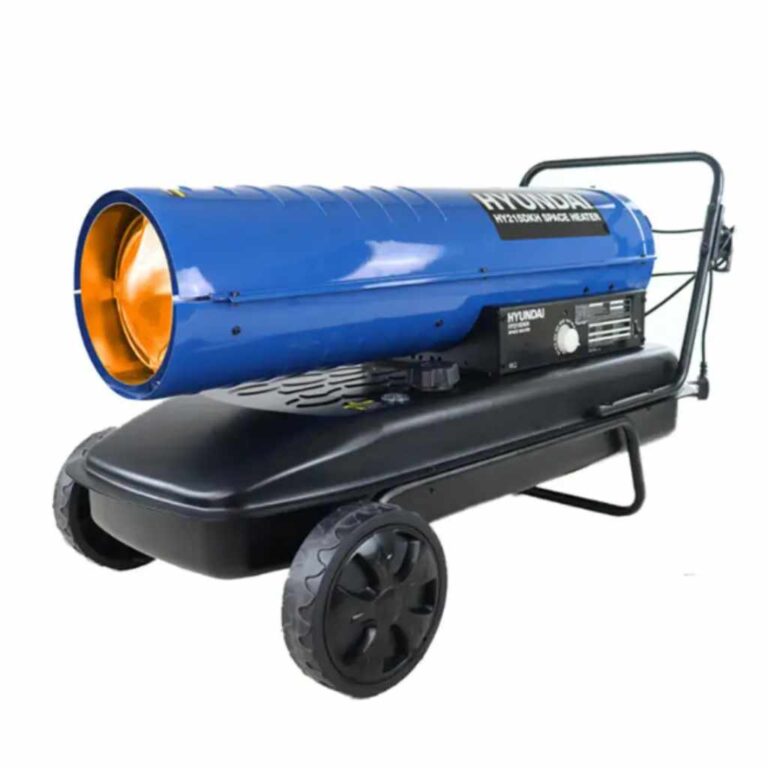
Diesel vs Kerosene Heater: A Simple Guide for You
I remember my first winter in a chilly garage. I needed a heater but was confused about diesel vs kerosene heaters. Which one was better? I learned a lot, and now I’ll share it with you! This article explains diesel and kerosene heaters in easy words. You’ll learn what they are, how they work, and which one fits your needs. I’ll also share tips, safety advice, and simple examples. Let’s find the perfect heater for you!
What Are Diesel and Kerosene Heaters?
Diesel and kerosene heaters are portable devices that burn fuel to make heat. They’re great for garages, workshops, or camping. Both use liquid fuels, but they’re different. Diesel comes from crude oil and is used in cars. Kerosene is lighter and often used in lamps or heaters. They both warm spaces but have unique pros and cons.
How Do They Work?
Both heaters burn fuel to create heat. A wick or pump pulls fuel into a chamber. The fuel burns, and a fan or radiant heat spreads warmth. Diesel heaters often have bigger tanks. Kerosene heaters are lighter and easier to move. Knowing how they work helps you pick the right one.
Comparing Diesel vs Kerosene Heaters
Let’s look at how these heaters differ. I’ve used both, and each has strengths. Here’s a simple breakdown to help you decide.
Fuel Availability and Cost
Diesel is easy to find at gas stations. It’s often cheaper, around $3-$4 per gallon. Kerosene is harder to find and costs $4-$6 per gallon. If you’re on a budget, diesel saves money. But kerosene burns cleaner, so you might use less over time.
Heat Output
Diesel heaters produce more heat, measured in BTUs (British Thermal Units). A diesel heater might give 140,000 BTUs, while kerosene gives 135,000 BTUs. Diesel is better for big spaces like workshops. Kerosene heats smaller areas, like a garage, quickly.
Portability and Size
Kerosene heaters are small and light. You can carry them easily for camping. Diesel heaters are heavier but have bigger fuel tanks. They last longer without refilling. I once used a kerosene heater for a camping trip—it was easy to pack!
Safety and Emissions
Both heaters need good ventilation. They produce carbon monoxide, a dangerous gas. Kerosene burns cleaner with less smell. Diesel can be smoky and smelly. Always use a carbon monoxide detector. I learned this after feeling dizzy in my garage once!
Benefits and Drawbacks of Each Heater
Let’s compare the good and bad sides of diesel and kerosene heaters. This helps you see which fits your life.
Diesel Heater Benefits
- More Heat: Great for large spaces like barns or workshops.
- Cheaper Fuel: Diesel costs less in most places.
- Longer Burn Time: Bigger tanks mean fewer refills.
Diesel Heater Drawbacks
- Smell and Soot: Diesel can make more smoke and odor.
- Heavier: Harder to move around.
- Maintenance: Needs cleaning to avoid soot buildup.
Kerosene Heater Benefits
- Cleaner Burn: Less smoke and smell, better for small spaces.
- Portable: Easy to carry for camping or emergencies.
- Quick Heat: Warms up rooms fast.
Kerosene Heater Drawbacks
- Expensive Fuel: Kerosene costs more than diesel.
- Smaller Tanks: Needs refilling more often.
- Fire Risk: Kerosene ignites easily, so be careful.
Here’s a table to make it clear:
Table 1: Diesel vs Kerosene Heater Comparison
| Feature | Diesel Heater | Kerosene Heater |
|---|---|---|
| Fuel Cost | Cheaper ($3-$4/gallon) | More expensive ($4-$6/gallon) |
| Heat Output | Higher (140,000 BTUs) | Slightly lower (135,000 BTUs) |
| Portability | Heavier, less portable | Lighter, very portable |
| Emissions | More smoke and smell | Cleaner burn, less smell |

Choosing the Right Heater: A Step-by-Step Guide
Picking a heater can feel tricky. Here’s an easy guide to help you choose. Follow these steps to find the best one.
- Know Your Space: Measure your area. A garage needs 50,000-100,000 BTUs. A workshop might need 150,000 BTUs. Diesel is better for big spaces.
- Check Fuel Access: Can you find diesel or kerosene nearby? Diesel is at gas stations. Kerosene might be at hardware stores.
- Think About Portability: Need to move it? Kerosene heaters are lighter. I carried one to a campsite easily.
- Set a Budget: Diesel saves money on fuel. Kerosene heaters cost less to buy.
- Plan for Safety: Get a carbon monoxide detector. Open windows for air. Never leave heaters on overnight.
Table 2: Steps to Choose a Heater
| Step | Diesel Heater | Kerosene Heater |
|---|---|---|
| Space Size | Best for large spaces | Best for small spaces |
| Fuel Access | Widely available | Harder to find |
| Portability | Less portable | Very portable |
| Budget | Cheaper fuel, pricier unit | Pricier fuel, cheaper unit |
Practical Examples for Using Heaters
Let’s see how these heaters work in real life. Here are two examples from my experience.
Heating a Garage
My garage is 400 square feet. It’s cold in winter! I used a diesel heater with 80,000 BTUs. It warmed the space in 20 minutes. Diesel was cheap, but the smell was strong. I opened a window for air. A carbon monoxide detector kept me safe. Diesel was great for this big space.
Camping with a Heater
On a camping trip, I brought a kerosene heater. It was small and easy to carry. It heated my tent fast. Kerosene cost more, but the clean burn was worth it. I kept it outside the tent at night for safety. It made cold nights cozy!
Safety Tips for Diesel and Kerosene Heaters
Safety is super important. Both heaters can be risky if you’re not careful. Here are my top tips:
- Ventilate: Open a window or door. Fresh air stops carbon monoxide buildup.
- Use a Detector: Get a carbon monoxide detector. It saved me once!
- Don’t Overfill: Fuel spills are dangerous. Fill tanks carefully.
- Turn Off at Night: Never leave heaters on when sleeping.
Common Mistakes to Avoid
I’ve made mistakes with heaters. Learn from them!
- Using the Wrong Fuel: Don’t put diesel in a kerosene-only heater. It can clog or soot up. Check the manual.
- Ignoring Maintenance: Clean filters and wicks. Soot builds up fast with diesel.
- Poor Ventilation: Always have fresh air. I got a headache once from bad airflow.
Table 3: Common Heater Mistakes
| Mistake | Why It’s Bad | How to Fix It |
|---|---|---|
| Wrong Fuel | Clogs or damages heater | Check manual for fuel type |
| Skipping Maintenance | Soot buildup reduces efficiency | Clean filters regularly |
| Poor Ventilation | Risks carbon monoxide poisoning | Open windows, use detector |
Visual Ideas for Better Understanding
Pictures make things clearer! Here are ideas for visuals:
- Diagram of a Heater: Show parts like the wick, fuel tank, and burner.
- Garage Setup: Show a diesel heater with a window open for safety.
- Camping Setup: Show a kerosene heater outside a tent.
Other Heating Options
Not sure about diesel or kerosene? Try these:
- Propane Heaters: Clean-burning but need tank refills. Great for indoors with ventilation.
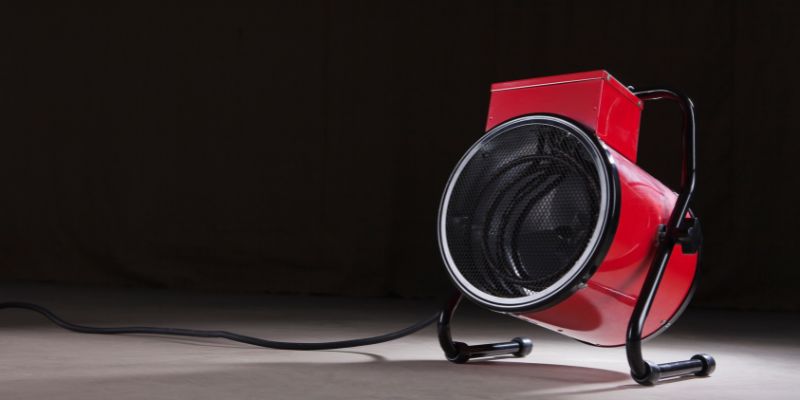
- Electric Heaters: Safe and clean but need power. Good for small spaces.
- Wood Stoves: Cozy but need wood and a chimney.
My Personal Tips
After years of using heaters, here’s my advice:
- Start Small: Try a kerosene heater for small spaces first. It’s easy to use.
- Save Fuel: Run heaters on low settings to save fuel.
- Store Safely: Keep fuel in tight containers away from heat.
Frequently Asked Questions
What Is a Diesel vs Kerosene Heater?
A diesel heater burns diesel fuel to make heat. A kerosene heater uses kerosene. Diesel heaters are better for big spaces and cheaper fuel. Kerosene heaters are portable and burn cleaner. Both need ventilation to stay safe. Pick based on your space and budget.
Can I Use Diesel in a Kerosene Heater?
You can, but it’s not always safe. Diesel is thicker and may clog the wick. It also smells more and makes soot. Mix diesel with 5ml of 91% isopropyl alcohol per pint for better burning. Always check your heater’s manual first.
Which Heater Is Cheaper to Run?
Diesel heaters are cheaper because diesel costs less, around $3-$4 per gallon. Kerosene is $4-$6 per gallon. But kerosene burns cleaner, so you might use less. For long-term use, diesel saves more money. Check local fuel prices to decide.
Are Diesel and Kerosene Heaters Safe?
Both are safe if used right. Always ventilate the area and use a carbon monoxide detector. Kerosene burns cleaner with less smell. Diesel can be smokier. Never leave either heater on overnight. Follow safety tips to avoid risks.
Which Heater Is Best for Camping?
Kerosene heaters are best for camping. They’re light and easy to carry. They heat small spaces like tents fast. Keep them outside at night for safety. Diesel heaters are heavier and better for fixed spots like garages.
How Do I Maintain a Heater?
Clean the wick and filters every few months. Diesel heaters need more cleaning because of soot. Check the fuel tank for leaks. Follow the manual for maintenance tips. Regular care keeps your heater working well and safe.
Can I Use a Heater Indoors?
Yes, but only with good ventilation. Open a window or door. Use a carbon monoxide detector. Kerosene heaters are better indoors because they burn cleaner. Diesel heaters are smokier, so they’re better for garages or open spaces.
Conclusion
Diesel and kerosene heaters both keep you warm. Diesel is great for big spaces and saves money. Kerosene is portable and cleaner for small areas. Always put safety first with ventilation and detectors. Try a heater for your garage or next camping trip! Share your heater stories in the comments. Stay warm and have fun!
For more on heater safety, check energy.gov or cdc.gov.