Kerosene vs Propane Torpedo Heater: Essential Guide
When choosing between kerosene and propane torpedo heaters, the key is matching the fuel type to your space size, budget, and ventilation needs. Propane offers cleaner burning and portability, while kerosene often provides slightly longer runtimes and lower fuel cost per gallon, making the right choice crucial for safe and effective temporary heating.
When the chill sets in, having a powerful, portable heater on hand can be a lifesaver for workshops, construction sites, or drafty garages. But standing between two heavy-duty options—the classic kerosene torpedo heater and the dependable propane model—can feel overwhelming. You likely want maximum warmth without breaking the bank or worrying about safety. It is completely normal to feel unsure! These differences go beyond just the fuel; they affect where you can use them and how much running them actually costs. I’m Tanim, and I’m here to cut through the confusion. By breaking down exactly what powers each heater and what that means for you, we will confidently pick the best torpedo heater for keeping your space cozy and safe.
Understanding the Torpedo Heater: What Makes Them ‘Torpedoes’?
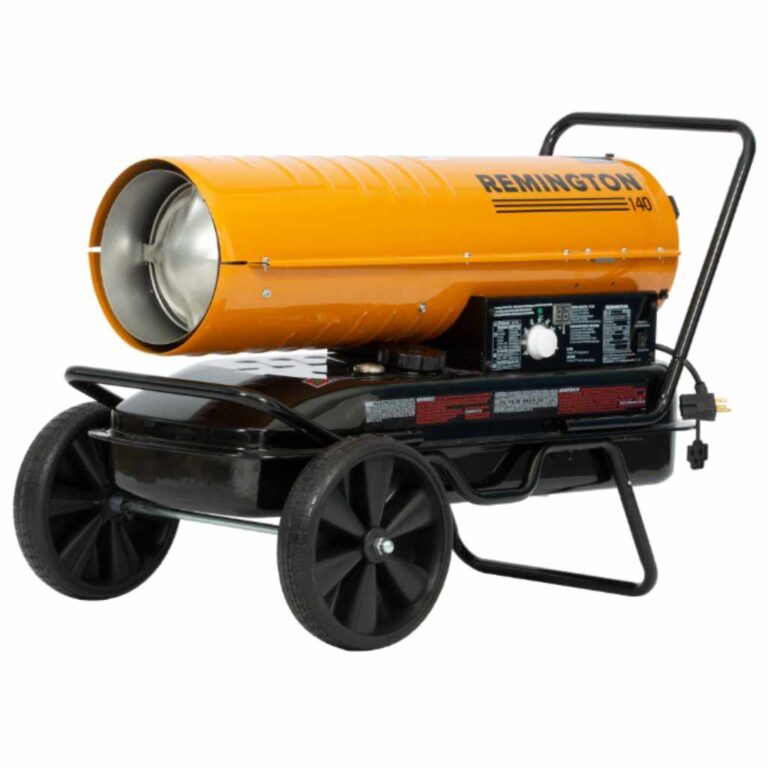
Torpedo heaters get their famous nickname from their shape—they look like upright torpedoes sitting horizontally. They are designed for rapid, high-output heating in large or poorly insulated areas. They are not designed for small, enclosed rooms near where people are sleeping or working for long periods without excellent ventilation.
These powerful workhorses excel at what are called “temp solutions” because they move air quickly. They suck in air, heat it using a powerful burner, and blow it out vigorously, often many feet across a room. Understanding this fundamental forced-air design is the first step in judging which fuel works best for your specific job or project.
Key Uses for High-Power Torpedo Heaters
- Drying out wet drywall or paint in remodels.
- Keeping large workshops warm during winter projects.
- Providing temporary heat on construction sites.
- Warming up barns or agricultural buildings quickly.
Deep Dive: The Kerosene Torpedo Heater
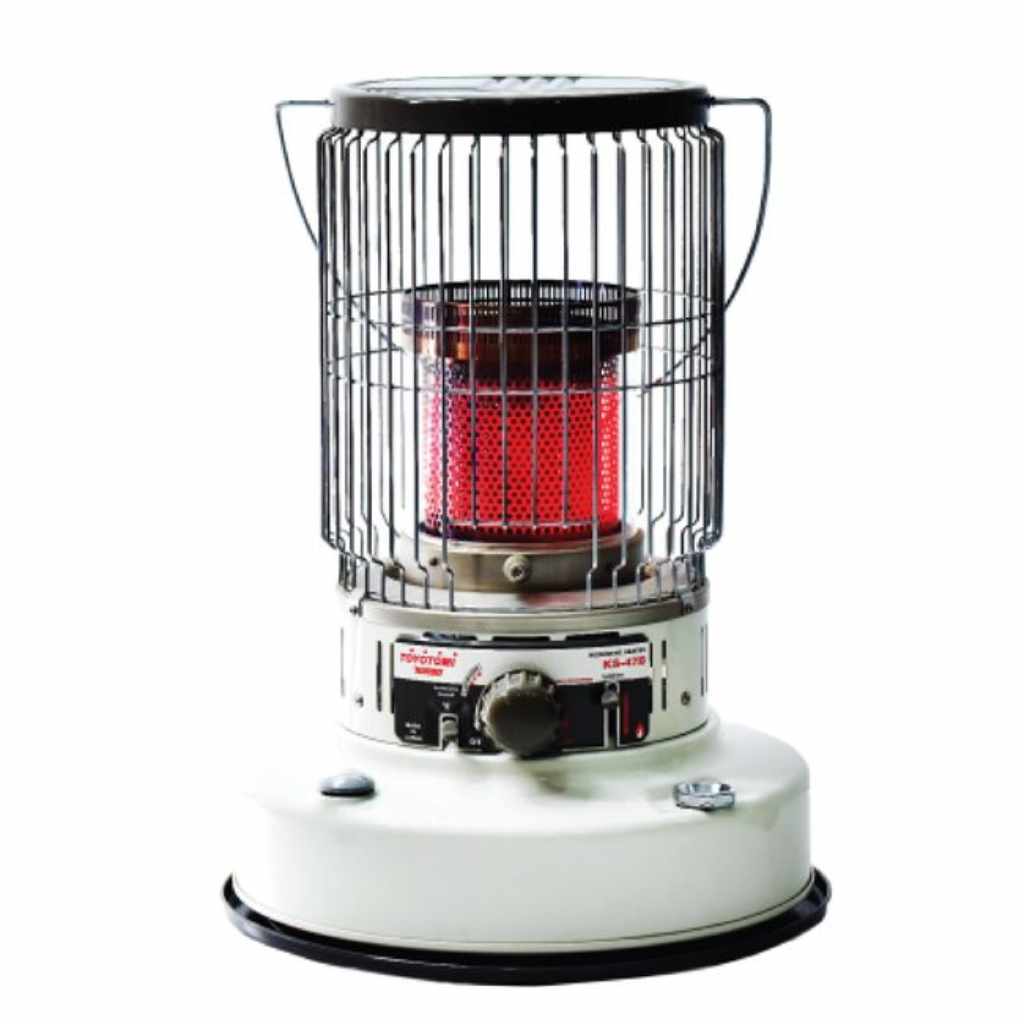
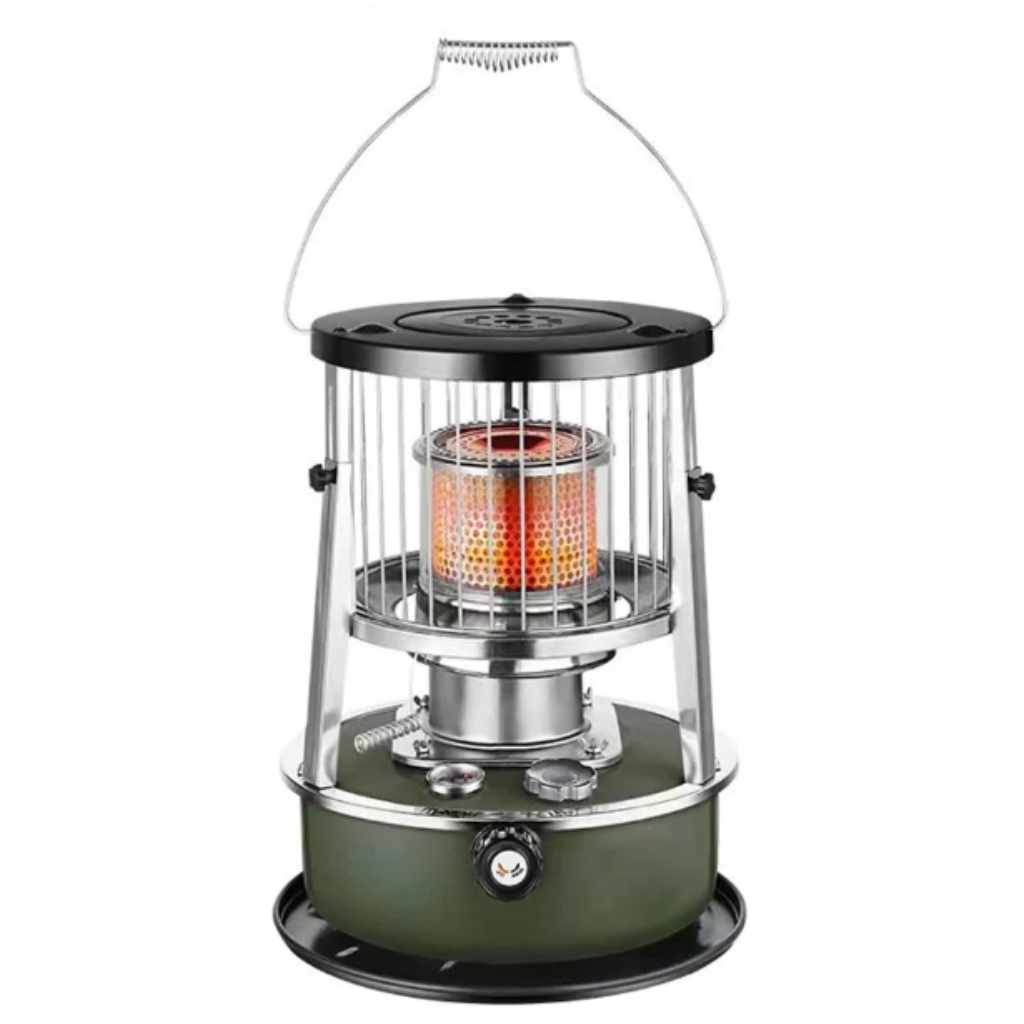
Kerosene heaters have been the go-to solution for many tradespeople for decades. They rely on K-1 grade kerosene—a purified fuel—to generate intense heat quickly. Think of these as the heavy lifters of temporary heating.
How Kerosene Heaters Work
A kerosene heater uses a pilot light or electric starter to ignite the kerosene vapor, which burns in a combustion chamber. A specialized fan then pushes ambient air across this hot chamber, blowing out powerful streams of heated air. They commonly require electricity to run the fan and power the starting mechanism, even if the burning process itself is fuel-based.
Pros and Cons of Kerosene
Choosing kerosene means balancing very high heat output against specific operating procedures. Here is what homeowners and site managers typically consider:
The Advantages (Pros)
- Fuel Storage: Kerosene is relatively easy to store in approved containers and often remains viable for longer periods than other volatile fuels.
- Heat Output: Kerosene units are known for exceptional BTU output relative to propane units of similar size, making them excellent for very harsh cold or very large, open spaces.
- Fuel Cost Comparison: Historically, kerosene fuel itself is often less expensive per gallon than propane refill costs, though this varies heavily by region and market demand.
The Disadvantages (Cons)
- Odor: Unburned kerosene produces a distinct odor, which can linger in the heated space, especially if the unit is older or requires maintenance.
- Maintenance Required: Kerosene burners require more regular maintenance, including cleaning the wick or nozzle to ensure clean, efficient combustion. Clogged filters or burners equate to problems!
- Safety Precautions: Due to soot and emissions (including carbon monoxide), ventilation requirements are extremely strict. Improper use is dangerous.
Deep Dive: The Propane Torpedo Heater
Propane heaters often run off standard, refillable propane tanks (like those used for gas grills). They appeal greatly to users prioritizing cleaner operation and greater portability, making them a favorite for indoor-adjacent use where odor is a concern.
How Propane Heaters Work
Propane heaters vaporize liquid propane. The gas is mixed with air and burned. Like kerosene models, they use a powerful fan to distribute the heat. Modern propane units are often easier to use because they regulate the fuel supply automatically, relying on the pressure from the connected tank.
Pros and Cons of Propane
If you value ease of use and a cleaner burn for your heating solution, propane might be your winner. Let’s weigh the benefits against the drawbacks.
The Advantages (Pros)
- Cleaner Burn: Propane burns much cleaner than kerosene, resulting in significantly less odor and less soot buildup inside the unit. This drastically reduces the required cleaning schedule.
- Ease of Refueling: You can easily swap out an empty standard propane tank for a full one in minutes. There’s no need to pour fuel—just disconnect and reconnect.
- Portability: Since propane tanks are standardized and self-contained vessels, moving the unit or swapping the fuel source is quick and clean.
The Disadvantages (Cons)
- Fuel Conversion Needed: Some propane units arrive set up for smaller tanks. To run them efficiently for long periods, you might need a conversion kit for larger, 100lb tanks or external hookups.
- Temperature Sensitivity: Propane delivery pressure naturally drops in very cold outdoor temperatures. If you are operating in deep freezes (below 10°F), performance can suffer slightly compared to kerosene.
- Burn Time per Dollar: While propane tanks are convenient, the cost of refilling a 20lb tank often runs higher per hour of runtime than running a well-maintained kerosene unit.
Kerosene vs Propane Torpedo Heater: Side-by-Side Comparison
To make the decision crystal clear, let’s look at the core specifications in a direct comparison. This table helps visualize the trade-offs you are making when you choose one fuel source over the other.
| Feature | Kerosene Torpedo Heater | Propane Torpedo Heater |
|---|---|---|
| Fuel Type | K-1 Kerosene | LP Gas |
| Heat Output (BTU Range) | Generally higher potential peak output. | Excellent, consistent output but sometimes slightly lower maximum peak than high-end kerosene. |
| Odor/Emissions | Noticeable kerosene smell; requires excellent ventilation. | Very clean burning; low odor during operation. |
| Fuel Cost | Often lower cost per gallon of fuel. | Convenient, but fuel (tank refills) can be pricier per hour. |
| Maintenance | Requires periodic cleaning of nozzles/wicks. | Low ongoing maintenance; primarily checking hoses and connections. |
| Best For | Extended use in very large or industrial spaces where odor is less of a concern. | Workshops, construction sites prioritizing clean air and fast setup/takedown. |
The Practical Decision: Which Heater is Right for Your Situation?
The best heater isn’t the one with the biggest BTU number; it’s the one that fits your job safely and practically. Think about your main use case.
When You Should Choose Kerosene
Kerosene shines when you need maximum heat over the longest possible period without constantly tending to the fuel supply. If you are heating a massive, open warehouse during a deep freeze and have plenty of fresh air intake, kerosene is a strong contender.
Remember, always purchase K-1 grade kerosene. Using other fuels can instantly destroy your heater or create dangerous situations. You can find quality assurance information regarding fuel handling from the U.S. Department of Energy resources on home heating fuels.
When You Should Choose Propane
Propane is the sensible choice when you are working relatively close to finished areas, need quick setup/teardown, or prioritize cleanliness. If you are working in a residential garage or a smaller, insulated workshop where even a slight odor would be bothersome, propane wins easily.
The convenience of swapping out a standard BBQ tank means less mess and faster turnover, which is invaluable during short bursts of cold weather or when moving heat between two separate job locations frequently.
Safety First: Ventilation and Operation for Both Types
This is the most critical section. Torpedo heaters, regardless of fuel, produce combustion byproducts, primarily carbon monoxide (CO). Never assume these heaters are safe without air. They consume large amounts of oxygen, and without replacement air, they quickly become extremely dangerous.
Essential Safety Checklist for All Torpedo Heaters
- Ventilation is Mandatory: Always ensure there is fresh air entering the space. For most units, this means having at least a 2.5 square foot opening (like a cracked door or window) that allows fresh air compensation. Never operate these heaters in a sealed environment.
- Oxygen Depletion: These heaters use up oxygen rapidly. If the flame sputters or dies unexpectedly while running, shut it down immediately and ventilate before attempting to restart.
- Carbon Monoxide Detectors: Install and test high-quality, battery-operated carbon monoxide detectors near where you operate the heater. This is non-negotiable for safety. According to the Centers for Disease Control and Prevention (CDC), CO is an invisible killer and all fuel-burning appliances pose this risk.
- Clearance: Keep combustible materials (wood, solvents, rags) at least three feet away from the intake and output of the heater.
- Fuel Storage: Store fuel (kerosene or propane) outside the heated area in approved, labeled containers, away from ignition sources.
Setup and Startup Guide: Getting Your Heater Running
Once you’ve decided between kerosene and propane, setting up your new heater is straightforward. Always consult the manual specific to your model, but these general steps apply.
Setting Up Your Propane Torpedo Heater
Tools You May Need:
- Propane Tank (20lb, 40lb, or 100lb)
- Regulator and hose specific to your unit
- Work gloves
- Positioning: Place the heater on a clean, level, non-combustible surface at least three feet away from walls or debris.
- Tank Connection: Attach the regulator and hose securely to the outdoor propane tank. Listen or check for leaks using soapy water (bubbles mean a leak!).
- Connect to Heater: Attach the other end of the hose securely to the heater’s gas inlet. Hand-tighten fittings firmly, but do not overtighten.
- Purge Air (If Necessary): Some systems require you to turn the tank on slightly and wait a moment to clear air from the lines before igniting.
- Start-up: Follow the electronic ignition steps in your manual (usually turning the power on, setting the fan, and pressing the ignition button).
Setting Up Your Kerosene Torpedo Heater
Tools You May Need:
- K-1 Kerosene
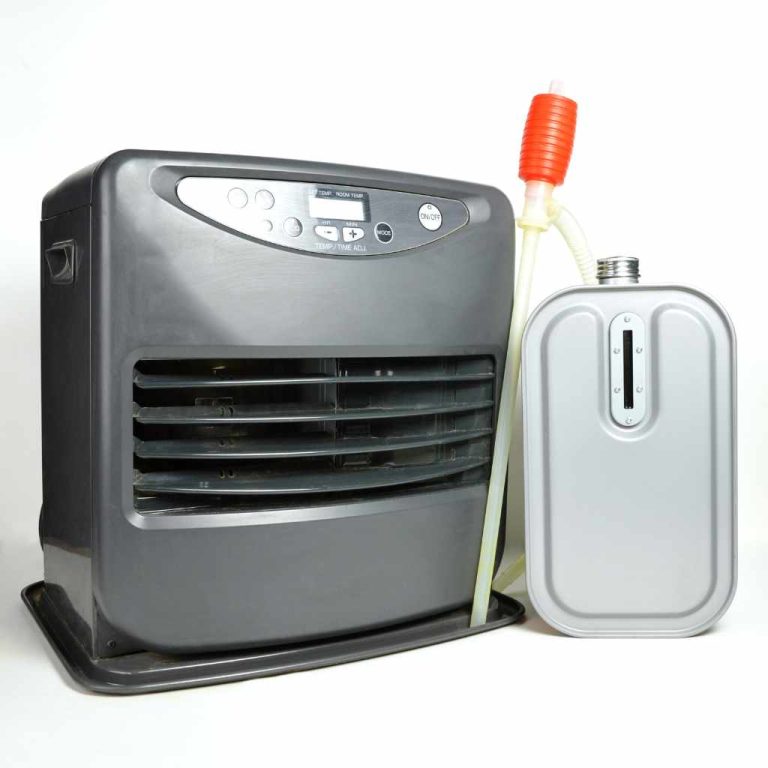
- Approved Fuel Transfer Pump
- Extra Filter Funnel
- Inspect the Burner: For kerosene, check the wick or nozzle assembly. If it looks crusted or dark, it needs cleaning or replacement before first use to avoid excessive smoke.
- Fuel the Tank: Using a dedicated, clean transfer pump and funnel, fill the heater’s tank with only K-1 kerosene. Never pour fuel into a unit that is still warm or plugged in. Fill only to the indicated line.
- Allow Saturation: If installing a new wick, allow 30–60 minutes for the fuel to fully saturate the wick before attempting to light it.
- Priming and Ignition: Plug in the unit. Follow the internal sequence to prime the fuel pump (if applicable) and press the ignition button. Be patient; the heater needs a moment to establish a clean vapor burn.
- Monitor: Watch the initial flame. It should burn with a clean blue or light yellow color. Heavy, black smoke means immediate shutdown and inspection is required.
Fuel Management and Operation Costs
When budgeting for long-term heating, the “cost per gallon” isn’t the whole story. You must consider how efficiently the heater converts that fuel into usable heat. This is where BTU efficiency comes into play.
Comparing Heat Efficiency (Rough Estimates)
While exact efficiency depends on the specific heater model, we can compare general energy content:
| Fuel Type | Approximate BTUs per Gallon | Typical Heater Efficiency (%) |
|---|---|---|
| K-1 Kerosene | ~138,500 BTU/Gallon | 80% – 90% |
| Propane (LP Gas) | ~91,500 BTU/Gallon | 85% – 95% |
What does this mean for you?
Propane is inherently less energy-dense per gallon than kerosene. However, because propane heaters are often more mechanically efficient (less heat wasted due to incomplete combustion or soot loss), the real-world heating cost difference often narrows substantially, especially if your kerosene unit is older or poorly maintained.
For someone running heat 12 hours a day for a week, the labor saved by clean-burning propane often offsets the slight uptick in per-gallon fuel cost.
Maintenance: Keeping Your Investment Running Smoothly
A well-maintained heater is a safe heater. Skipping maintenance is the fastest way to introduce inefficiency, smoke, and safety hazards.
Kerosene Maintenance Schedule
Kerosene demands more proactive care because the fuel leaves residues:
- Daily Check: Before starting each day, visually inspect the igniter and wipe down any soot on the exterior casing.
- Weekly Cleaning: Wipe down the flame sensor (if equipped) and check the combustion chamber for debris.
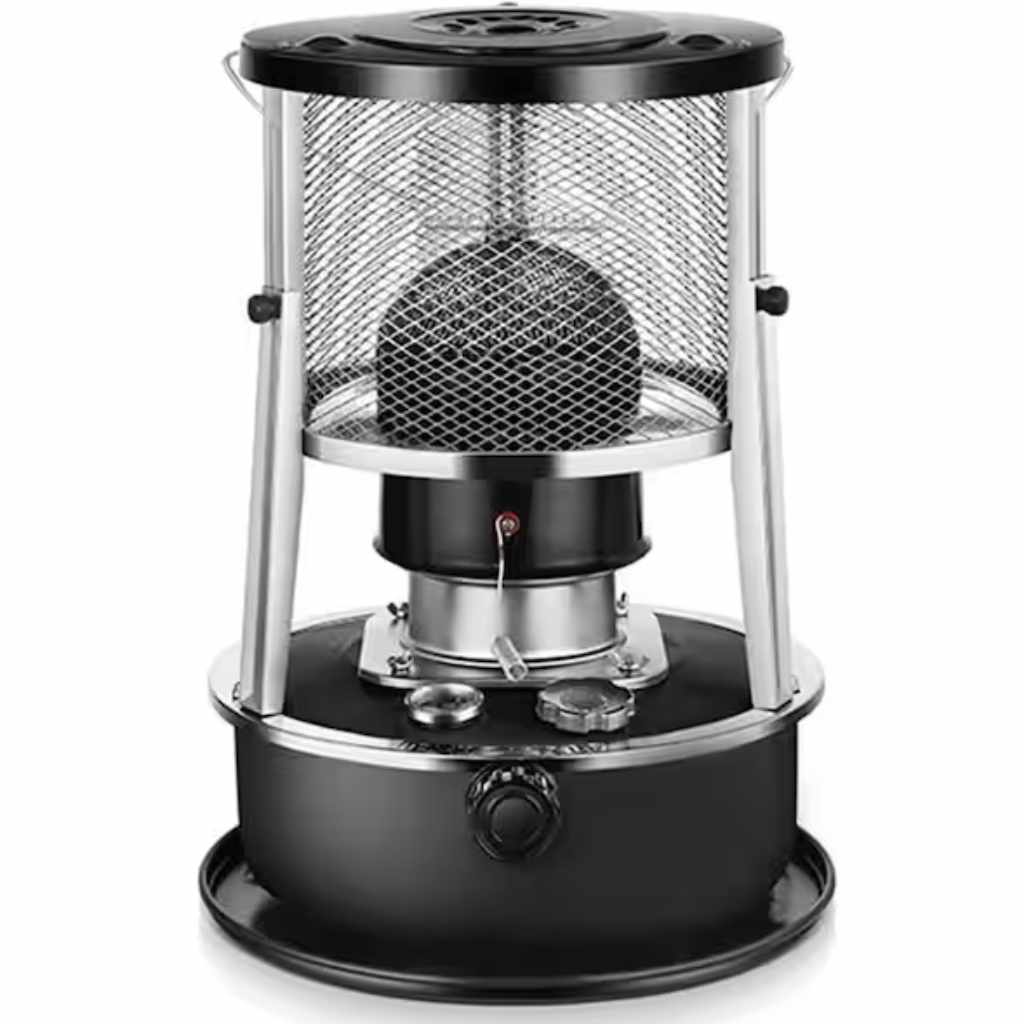
- Monthly/As Needed: For older wick-style heaters, clean or trim the wick to ensure a flat, even burn. For modern forced-air kerosene units, replace or clean the fuel filter regularly. Purchase necessary replacement parts from authorized dealers to maintain safe operation.
Propane Maintenance Schedule
Propane is mechanically simpler, requiring less internal cleaning:
- Before Each Use: Visually inspect the hose connecting the tank to the heater for cracks, abrasions, or brittle spots.
- Hose Check: Routinely check all connections for tightness. Natural gas and propane connections should always be checked with a specialized leak detector solution or soapy water.
- Igniter Care: Ensure the electronic igniter spark is strong and consistent. Clogged injectors are rare but should be cleared by a professional if performance dips.
Frequently Asked Questions (FAQ) for Beginner Users
Q1: Can I use regular gasoline or diesel in a heater rated for Kerosene?
A: Absolutely not! Never use gasoline, diesel, or jet fuel in a kerosene heater. Gasoline is far too volatile and will explode. Diesel burns poorly and creates massive smoke and carbon monoxide. Always use only clean K-1 Kerosene as specified by the manufacturer.
Q2: Is a propane torpedo heater safe to use in a standard garage?
A: Yes, safely, provided you have ventilation. Propane burns cleaner than kerosene, making it preferable for residential workshops. However, you must crack open a window or door to ensure constant fresh air exchange to prevent oxygen depletion and carbon monoxide buildup.
Q3: How long will a standard 20lb propane tank last on a medium-sized torpedo heater?
A: It varies, but typically 6 to 10 hours. A standard 20lb propane tank holds roughly 4.7 gallons of liquid propane. If your heater uses 0.4 gallons per hour on a medium setting, you’ll get around 11 hours of runtime, but cold weather will reduce this duration significantly.
Q4: My kerosene heater smells really bad; is something wrong?
A: Usually, yes. A strong, persistent odor usually means incomplete combustion. This can be caused by using old or contaminated kerosene, a dirty wick that needs trimming, or a clogged burner assembly. Shut it down immediately, let it cool completely, and inspect the burn components before the next use.