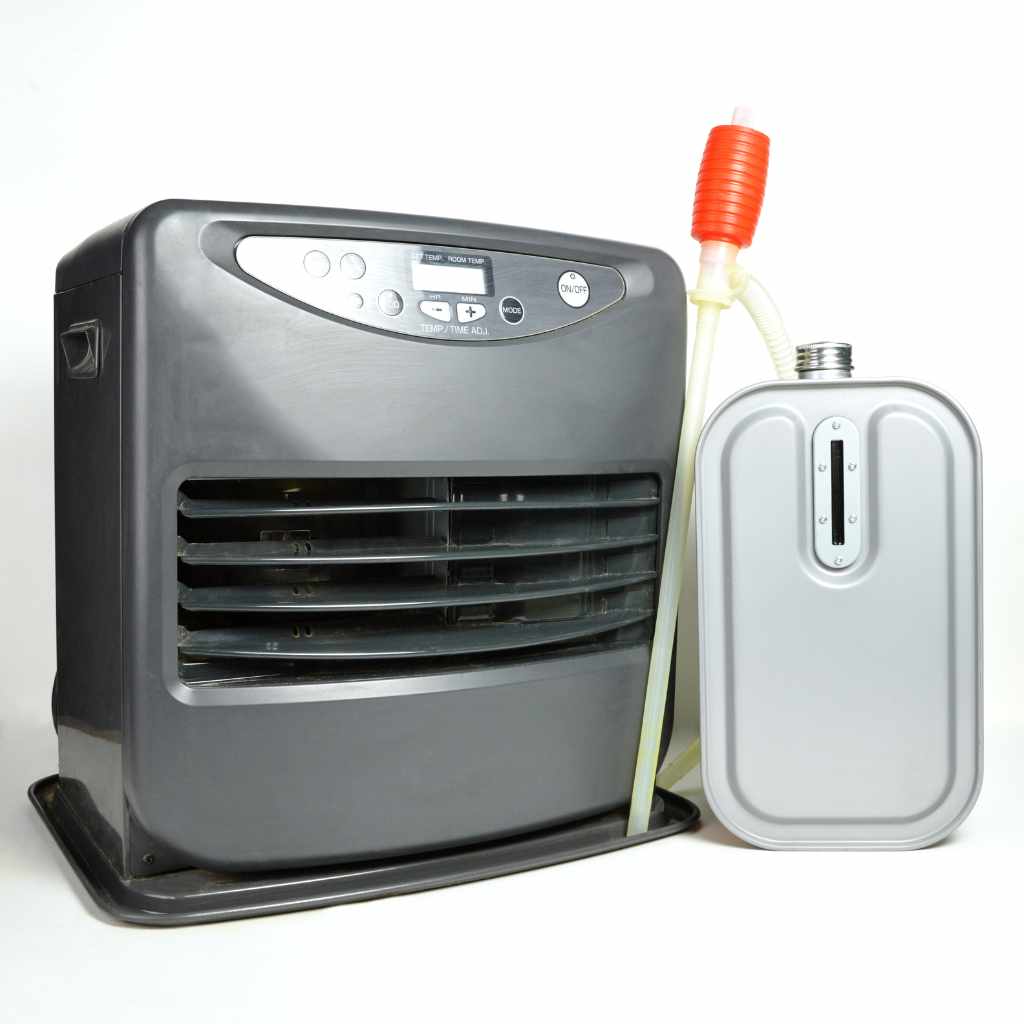
Kerosene Radiant Heaters vs Portable: Essential Showdown
Choosing between kerosene radiant heaters and portable electric heaters is a common sticking point for homeowners needing fast, flexible heat. Radiant heaters offer intense, direct warmth ideal for large spaces, while portable units provide convenience and zonal heating. This guide breaks down exactly which option best fits your specific needs for safety, cost, and comfort.
Are you tired of those cold spots lurking in your garage, workshop, or drafty areas of your home? Trying to decide between the deep, instant heat of a kerosene radiant heater and the easy plug-and-play convenience of a portable solution can feel overwhelming. Many people worry they’ll pick the wrong one, wasting money or, worse, creating an unsafe heating situation.
Don’t worry! I’m Tanim, and I believe everyone deserves a cozy, warm home without complicated manuals or confusing confusing jargon. We are going to walk through these two popular heating workhorses side-by-side. We’ll look at how they work, where they shine (and where they don’t), and how to keep your family safe while enjoying comfortable temperatures. Let’s find the perfect heater for you!
Understanding the Core Difference: Radiant vs. Convection/Forced Air
Before we stack them up in a head-to-head comparison, it’s helpful to know how each heater actually warms your space. This one distinction determines everything about their efficiency and effectiveness.
What is a Radiant Heater? (Think Sunshine)
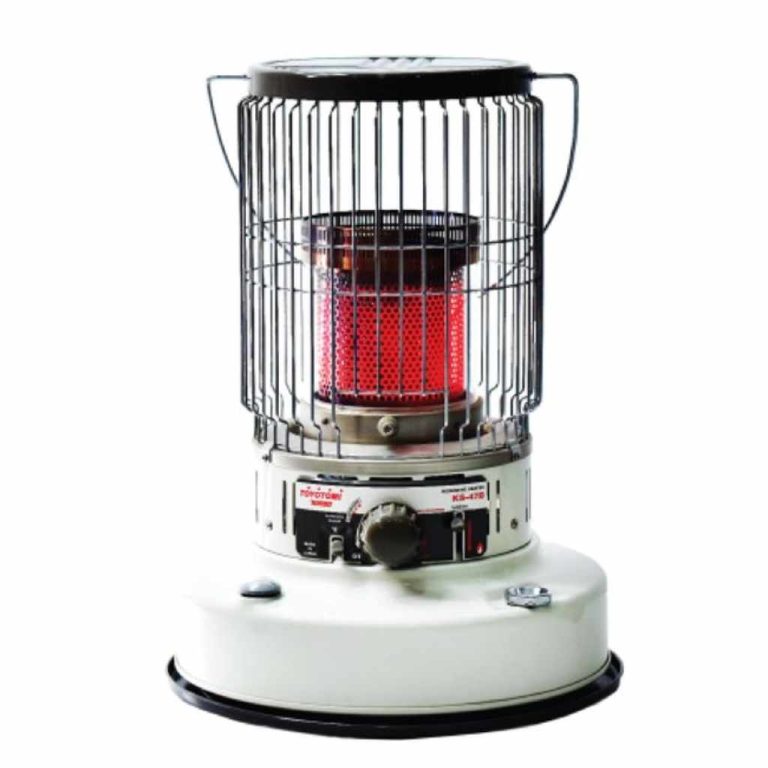
A kerosene radiant heater works much like the sun. It burns fuel (kerosene) to create heat, which it then radiates outwards in straight lines across a specific area. This is a direct heat transfer.
Do you feel warmer standing directly in front of a campfire, even if the air beside you is still cool? That’s radiant heat in action. It warms objects and people directly, not the air first. Because of this, radiant heaters are fantastic for heating targeted zones or poorly insulated spaces where air circulation is weak.
What is a Portable Heater (Typically Electric)? (Think Furnace Helper)
Most common portable heaters sold for indoor use fall into a few categories, but they generally rely on convection or forced air:
- Convection Heaters (Oil-filled Radiators): These gently warm the air around them, and then that warm air slowly rises and circulates throughout the room, warming the entire volume of air over time.
- Fan-Forced Heaters (Ceramic/Fan Heaters): These use heating elements and a fan to blow warm air directly out into the room quickly.
These heaters warm the air in the room, which then keeps you warm. They usually rely on a standard electrical outlet.

Kerosene Radiant Heaters: Power and Penetration
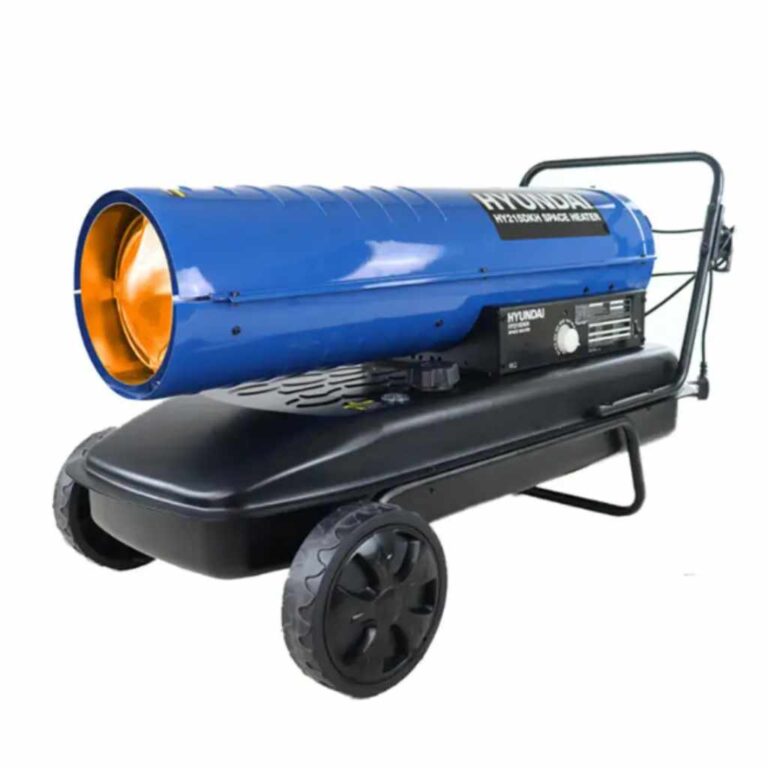
Kerosene radiant heaters are heavy-duty choices, often favored by tradespeople, DIY enthusiasts, and those needing supplemental heat in large or drafty settings like garages, workshops, or basements.
How Kerosene Radiant Heaters Work
These units use an electric ignition (often battery-powered) to light a wick saturated with kerosene fuel. The burning wick produces an intense, steady heat output. They are known for their high BTU (British Thermal Unit) ratings, meaning they produce a lot of heat quickly.
Pros of Kerosene Radiant Heaters
- Exceptional Heat Output: Can quickly warm very large or poorly insulated areas where standard electric heaters struggle.
- Fuel Efficiency (BTU per Dollar): Kerosene is often cheaper than electricity when comparing the total heat output achieved.
- Portability (Fuel-Based): They don’t require a specific outlet; they only need safe ventilation and fuel.
- Long Runtime: A single tank can often provide many hours of continuous heat on a lower setting.
Cons of Kerosene Radiant Heaters
- Ventilation is Critical: Due to burning fuel indoors, proper airflow is essential to prevent carbon monoxide buildup.
- Odor and Fumes: Kerosene has a distinct odor, especially upon startup or refueling.
- Fuel Handling Required: You must store, transport, and refill the liquid fuel, which adds a step and a mess potential.
- Noise: Some models generate noticeable combustion noise.
Portable Electric Heaters: Convenience and Control
Portable electric heaters are the workhorses of quick, temporary spot heating. They are ubiquitous because they are easy to use and, crucially, don’t require fuel handling.
Types of Portable Electric Heaters
While the term “portable heater” is broad, here are the main types you’ll encounter:
- Ceramic Fan Heaters: Fast, directional heat using a fan. Good for hitting a target area immediately.
- Oil-Filled Radiators: Slow to heat up, but provide very even, silent, safe heat circulation once warm.
- Infrared Quartz Heaters: A type of radiant electric heater that feels similar to kerosene radiant heat (it heats objects directly) but uses electricity instead of fuel.
Pros of Portable Electric Heaters
- Zero Emissions/Fumes: Safe for use in smaller, sealed rooms without ventilation worries concerning combustion gases.
- Plug-and-Play: No fueling, no wicks to trim—just plug it in.
- Portability and Size: Lightweight, compact, and easy to move from room to room.
- Safety Features: Many come standard with tip-over shut-off and overheat protection.
Cons of Portable Electric Heaters
- High Running Cost: Electricity costs can scale up quickly if you use them as a primary heat source versus cheaper fuels like kerosene or natural gas.
- Circuit Limitations: High-wattage heaters can trip standard household circuit breakers if used on the same circuit as other appliances.
- Limited Power for Large Spaces: Even the best portable units struggle to make a real dent in very large, uninsulated spaces without running constantly.
Kerosene Radiant Heaters vs Portable: Head-to-Head Comparison
To help you make the fairest comparison, let’s put the key features side-by-side. This comparison focuses primarily on standard kerosene radiant heaters versus standard electric fan-forced or oil-filled portable heaters.
| Feature | Kerosene Radiant Heater | Portable Electric Heater |
|---|---|---|
| Primary Fuel Source | Kerosene | Electricity (Standard Outlet) |
| Best Use Case | Workshops, garages, construction sites, emergency supplemental heat for large areas. | Small/medium rooms (bedrooms, offices), temporary comfort heating. |
| Heat Delivery Type | Intense, direct radiation (heats objects). | Convection or forced air (heats the air). |
| Running Cost | Generally lower cost per BTU, but fuel needs purchasing. | Can be expensive for continuous use due to electricity rates. |
| Safety Concern Focus | Carbon Monoxide (requires ventilation), Fire Risk. | Electrical overload, burns from hot external surfaces, tip-over risk. |
| Setup Required | Fueling and ensuring adequate ventilation. | Plugging in; potential circuit breaker management. |
Choosing the Right Tool for the Job: Practical Scenarios
The “best” heater isn’t about power; it’s about matching the tool to your environment. Here are a few common scenarios and my recommendation based on years of practical experience guiding homeowners like you.
Scenario 1: Heating a Two-Car Garage or Workshop
When you are actively working in a large, often drafty space, you need heat where you are, and you need power. Electric heaters often struggle because the fan blows the slightly warmed air away, and the high energy draw can be inefficient.
Recommendation: Kerosene Radiant Heater. Its ability to blast powerful, direct infrared heat is perfect for raising the temperature in your immediate workspace quickly without significantly warming up the entire massive area unnecessarily. Always ensure you crack a window or use fans for safe air exchange regarding combustion byproducts.
Safety Note: Always place the radiant heater away from flammable materials like sawdust or oily rags. Resources like the National Fire Protection Association (NFPA) emphasize strict safe clearance zones for all fuel-burning heating devices inside workshops.
Scenario 2: Supplemental Heat in a Drafty Living Room
You want to zone heat a specific area of your main living space without turning up the central furnace for the whole house—maybe you are only using one room during the evening.
Recommendation: Portable Electric Heater (Oil-Filled Radiator type). These provide silent, steady heat that gradually warms the room air. Because they are electric, they carry no fumes, making them excellent for areas where family members congregate.
Scenario 3: Power Outage Emergency Heat Source
When the grid goes down, electric heaters are useless unless you have a generator powerful enough to run them (and you might not want to run a generator long-term for just heat).
Recommendation: Kerosene Radiant Heater (Used CAREFULLY Outdoors or in well-ventilated detached structures only). While experts strongly advise against running fuel-burning heaters inside a home during a power outage due to carbon monoxide risks—unless the unit is specifically rated for indoor emergency use and space is massive—kerosene heaters are potent, reliable heat providers when paired with a safe, outdoor solution or in a structure where ventilation is guaranteed.
Crucial Reminder: Do NOT use a fuel-burning heater inside a sealed home, shed, or garage during a power outage. CO poisoning is silent and deadly.
Scenario 4: Apartment or Dorm Room Heating
When space is tight, outlets are limited, and you must adhere to strict landlord or building safety rules.
Recommendation: Small Portable Ceramic Fan Heater. These are usually the safest bet indoors. They draw less power than large oil-filled units (often 750W to 1500W) and use instant heat transfer. Be sure to check your lease regarding space heater usage, as some buildings restrict all non-fixed supplemental heating options.
Safe Operation: Protecting Your Home and Family
Whether you choose the intense heat of kerosene or the convenience of electric portability, safety must always be your number one priority. Think of safety rules as the insurance policy for your comfort!
Safety Steps for Kerosene Radiant Heaters
Because these units involve fire and fuel, following instructions precisely is non-negotiable.
- Ventilate, Ventilate, Ventilate: Always crack a window or door slightly to allow fresh air to enter and exhaust gases to escape. Even a small opening makes a huge difference.
- Use the Right Fuel: Only use clear, high-quality K-1 kerosene. Never substitute gasoline, diesel, or colored kerosene; this is extremely dangerous and damages the heater.
- Refuel Outdoors: Always turn the unit off, let it cool completely (at least 15–20 minutes), and refill the tank outside where spills won’t soak into carpet or wood.
- Maintain Clearance: Keep a minimum of three feet clearance between the heater and anything flammable—curtains, boxes, paper, etc.
- Check for CO Alarms: Install and test battery-operated carbon monoxide detectors in any room using a fuel-burning heater.
Safety Steps for Portable Electric Heaters
Electric heaters present fewer chemical risks but introduce real fire and electrical hazards we must respect.
- Check the Cord and Plug: Never use an extension cord unless it is specifically rated for the high wattage of the heater (usually a heavy-duty, 14-gauge or thicker cord). Always plug directly into the wall outlet.
- The Three-Foot Rule Applies: Just like fuel heaters, keep combustibles far away from ceramic or fan heaters, as their surfaces get quite hot.
- Use the Tip-Over Shutoff: Before every use, test that the internal switch shuts the heater off instantly if you bump it or knock it over.
- Avoid Wet Areas: Never use electric heaters near water sources like bathtubs or sinks.
- Monitor Circuits: If you use a 1500-watt heater, ensure nothing else high-wattage (like a microwave or toaster) is running on the same circuit to avoid blowing fuses or tripping breakers repeatedly.
Installation and Maintenance: Keeping Things Running Smoothly
Good maintenance ensures longevity and safety, regardless of which model you own.
Maintaining Your Kerosene Radiant Heater
These require slightly more hands-on care to ensure clean combustion.
- Wick Care: Over time, the wick can build up carbon deposits which cause smoking or soot. If you notice this, you may need to “perform maintenance” by cleaning or replacing the wick according to the manufacturer’s guide.
- Filter Cleaning: Keep the fuel filter clean so the kerosene flows properly.
- Storage: If storing for the summer, empty the remaining fuel out completely or use a fuel stabilizer designed for kerosene burners before storing the unit in a cool, dry place.
Maintaining Your Portable Electric Heater
Electric units are generally low-maintenance, but a few steps go a long way.
- Dust the Vents: Use a vacuum cleaner brush attachment to gently remove dust and lint build-up from the intake and output vents at least once a season. Blocked vents cause overheating and significantly reduce efficiency.
- Inspect the Cord: Annually check the power cord for any cracks, fraying, or signs of melting near the plug or the unit housing. If damaged, replace the heater, don’t attempt cord repair.
- Storage: Wrap the cord neatly and keep the unit stored in a dry box away from conditions that cause rust or moisture damage.
Understanding Cost: Kerosene vs. Electricity
A common question is, “Which one costs less to run?” The answer is almost always situational.
Electricity prices fluctuate regionally, and so do kerosene prices. However, we can compare the fuel expense.
Generally, a high-output kerosene radiant heater (23,000 BTUs) runs less expensively per hour than an electric heater struggling to produce equivalent heat (around 5,120 BTUs for a standard 1500W unit). Kerosene often provides more raw heating power per dollar spent on fuel than domestic electricity rates provide.
The Catch: You usually only buy kerosene for high-power needs (shops, emergencies). For daily, light heating in a 20×20 room, a small electric heater running moderately might cost you less overall than the hassle and cost of buying specialty fuel.
Use this mindset:
- Need maximum heat power for sporadic, tough jobs? Kerosene is often cheaper per BTU.
- Need gentle, safe, everyday spot heating in a lived-in space? Electric is usually more practical and cost-effective daily.

SEO Keywords Integration & Beginner Focus
We have looked at kerosene radiant heaters vs portable electric heaters from every angle. For beginners, remember this key takeaway: if you need deep heat extraction where you are working (like curing paint or thawing pipes in a shed), lean radiant/kerosene. If you need safe, consistent comfort right next to your sofa, lean portable electric.
When shopping, look for specific terms like “indoor-safe kerosene heater” or “tip-over protection electric heater” to ensure you are buying the features you need.
Frequently Asked Questions (FAQ) About Choosing Heaters
Q1: Can I run a kerosene radiant heater in a closed room if I crack a window?
A: Yes, you must crack a window or use mechanical ventilation. Kerosene burns oxygen and produces carbon monoxide. Even a small opening (about one square inch per 1,000 BTUs) is recommended to ensure continued fresh air supply, protecting against carbon monoxide buildup.
Q2: Is a quartz infrared electric heater better than a ceramic fan heater?
A: They serve different purposes. Quartz (infrared) is a type of radiant electric heat—it heats objects directly, making you feel warm faster in front of it. Ceramic fans heat the moving air (convection/forced air). If you want instant warmth aimed only at you, choose quartz. If you want to warm the air in a small room evenly, choose ceramic.
Q3: What is the biggest drawback of using high-wattage portable electric heaters?
A: The primary drawback is the risk of overdrawing power on household circuits, leading to tripped breakers or, in rare cases with old wiring, a potential fire risk if used with improper extension cords. Always plug them straight into a dedicated, heavy-duty