Lasko Vs Honeywell Heater: Essential Showdown
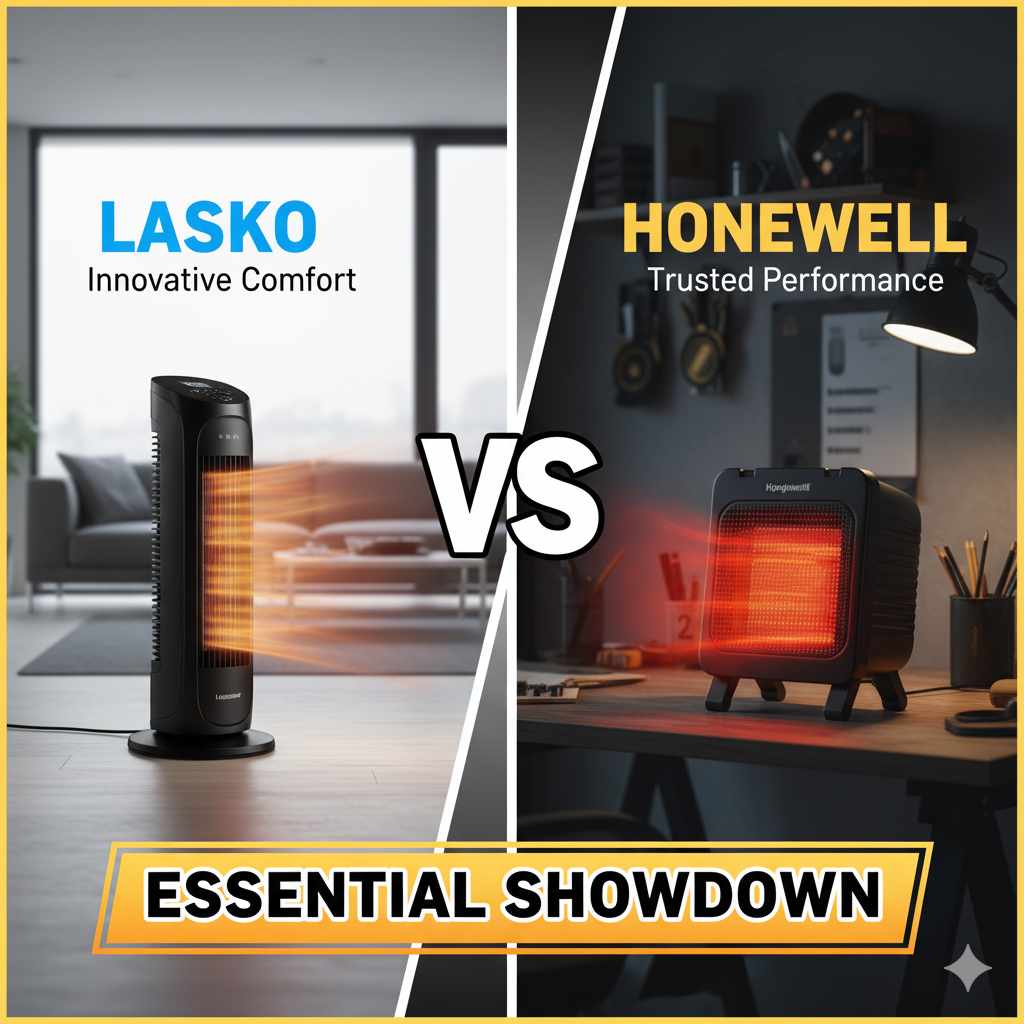
Lasko vs Honeywell Heater: Which Keeps You Cozier? This guide breaks down the popular choices to help you pick the best heater for your home, focusing on safety, heating power, and ease of use for a warm, worry-free winter.
Feeling a chill creep into your home? Choosing the right heater can feel like a puzzle, especially when brands like Lasko and Honeywell are top contenders. You want warmth, but you also want to be safe and not break the bank on energy bills. It’s frustrating when you just want to feel cozy but are faced with so many options and technical specs. Don’t worry, I’m here to help you sort it all out! We’ll dive into what makes these heaters tick, compare their best features, and figure out which one is the perfect fit for your specific needs. Get ready to say goodbye to shivers and hello to comfort!
Understanding Your Heating Needs
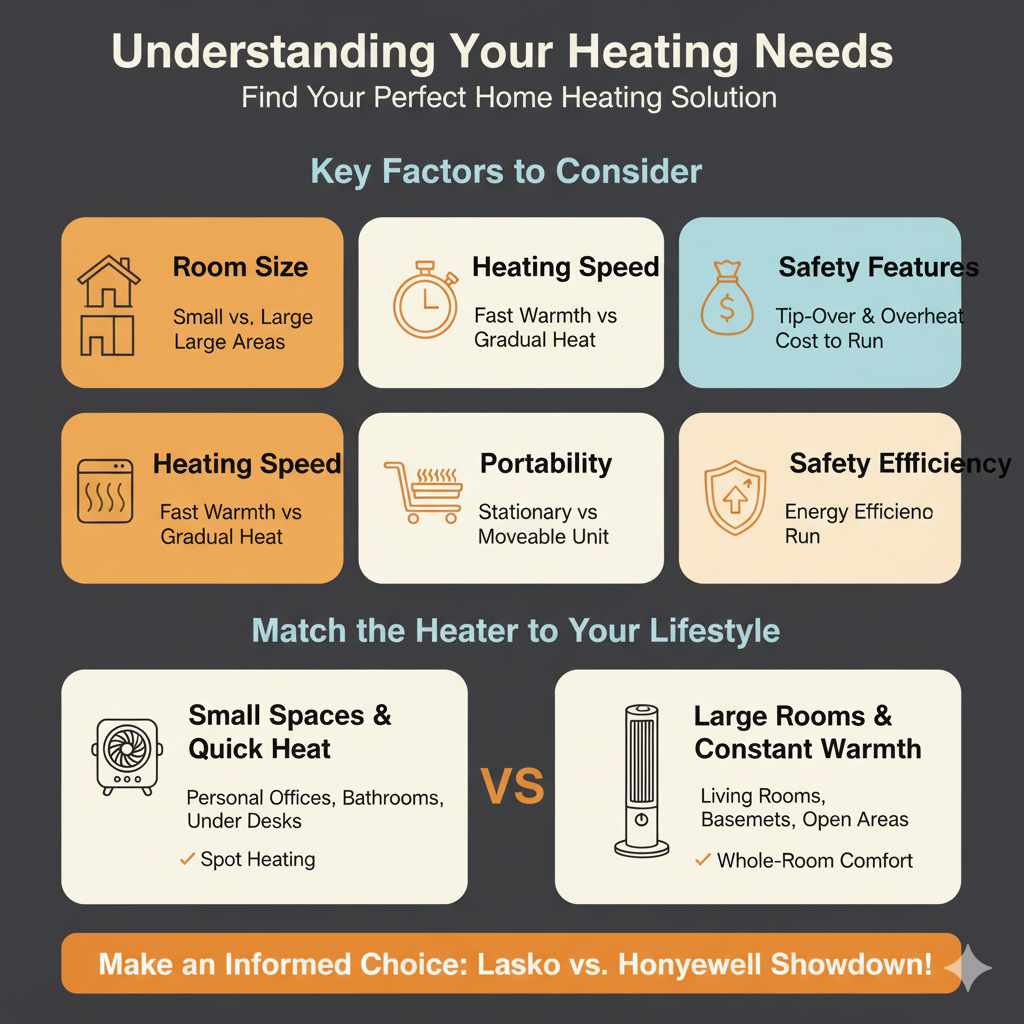
Before we jump into the Lasko vs. Honeywell showdown, let’s think about what you actually need from a heater. Are you trying to warm up a small bathroom for a few minutes, or do you need to keep a larger living room comfortable all day? Knowing the size of the space and how quickly you need it heated will guide your decision. Also, consider how you’ll use it. Do you need something portable to move from room to room, or a more stationary unit? Thinking about these basics will make choosing between Lasko and Honeywell much easier.
Key Factors to Consider:
- Room Size: Small (e.g., bathroom, office) vs. Large (e.g., living room, open-plan area).
- Heating Speed: Do you need heat fast, or is gradual warmth okay?
- Portability: Will it stay in one place, or do you need to move it?
- Safety Features: Essential for homes with kids, pets, or busy environments.
- Energy Efficiency: How much will it cost to run?
- Noise Level: Some heaters can be quite loud.
Introducing the Contenders: Lasko and Honeywell
Lasko and Honeywell are two of the most well-known names in home comfort appliances. Both brands have a long history and are trusted by many homeowners. They offer a wide range of heaters, from small personal fan heaters to larger ceramic tower models. While they both aim to provide warmth, they sometimes use different approaches and offer distinct features that might appeal to different people. Let’s get to know them a little better.
Lasko: The Homegrown Favorite
Lasko is an American company that has been making home comfort products for over a century. They are known for offering reliable, affordable, and easy-to-use heaters. Lasko often focuses on simple, effective designs that get the job done without a lot of fuss. If you’re looking for a straightforward heater that’s budget-friendly and functional, Lasko is a brand that often comes to mind. They offer a variety of types, including ceramic heaters, radiant heaters, and fan-forced heaters.
Honeywell: The Comfort Innovator
Honeywell is a global brand recognized for its technology and innovation in various sectors, including home heating and cooling. Honeywell heaters often incorporate advanced features, smart controls, and a strong emphasis on safety and energy efficiency. They tend to position themselves as providing a more premium experience, with sleek designs and cutting-edge technology. If you’re someone who appreciates modern features and smart home integration, Honeywell might be your go-to.
Lasko vs. Honeywell Heater: A Feature-by-Feature Comparison
Now, let’s get down to the nitty-gritty. We’ll compare Lasko and Honeywell heaters across several important categories that matter to you as a homeowner. This will help you see how they stack up against each other.
Heating Technology and Performance
Both brands offer various types of heaters, such as ceramic, radiant, and fan-forced. The performance can vary greatly depending on the specific model, but here’s a general overview:
- Ceramic Heaters: Both Lasko and Honeywell make excellent ceramic heaters. These use a ceramic plate to heat air, which is then circulated by a fan. They are generally good for heating medium-sized rooms quickly and are known for being relatively safe because the heating elements don’t glow red-hot.
- Radiant Heaters: These heaters (often called quartz or infrared) emit heat that directly warms objects and people in their path, much like the sun. They are good for spot-heating or for rooms where you want immediate warmth without heating the entire air volume. Lasko and Honeywell both offer models in this category.
- Fan-Forced Heaters: These are typically smaller, portable units that use a fan to blow air over a heating element. They are great for personal warmth or boosting the temperature in small spaces quickly.
In terms of raw heating power, it’s hard to declare a definitive winner without comparing specific models. However, both brands offer units with varying wattages to suit different room sizes. Always check the manufacturer’s recommended room size for the specific model you are considering. You can often find this information on the product packaging or the company’s website. For more on how different heater types work, the U.S. Department of Energy provides great guidance on space heaters.
Safety Features: A Top Priority
When it comes to heaters, safety is paramount. Both Lasko and Honeywell take this very seriously and include crucial safety features in their designs. For instance, many of their models come with overheat protection, which automatically shuts off the heater if it gets too hot. Another common feature is tip-over protection, where the heater will turn off if it’s accidentally knocked over. This is especially important if you have children or pets.
Honeywell often highlights its safety features and may incorporate them into its branding more explicitly, sometimes offering features like frost protection or cool-touch exteriors. Lasko, while perhaps less vocal about it, includes these standard safety measures on most of its products. Always look for the certification marks from agencies like UL (Underwriters Laboratories) to ensure the product has met safety standards.
Ease of Use and Controls
This is where the brands might show more contrast. Lasko often appeals to those who like simplicity. Their controls are typically straightforward – usually knobs or simple buttons for temperature settings and fan speed. Plug it in, set it, and forget it. This makes them incredibly beginner-friendly.
Honeywell, on the other hand, sometimes leans towards more modern and advanced controls. You might find digital displays, programmable thermostats, remote controls, and even Wi-Fi connectivity for smart home integration on some of their higher-end models. While these offer more convenience and customization, they can have a slightly steeper learning curve for those new to smart technology.
Energy Efficiency and Cost
The energy efficiency of a space heater primarily depends on its wattage and how you use it, rather than just the brand. Most portable electric heaters, regardless of brand, have a similar energy consumption rate per hour for a given wattage. A 1500-watt heater will use around 1.5 kilowatt-hours (kWh) of electricity per hour.
Where brands can differ is in their design that promotes efficiency. For example, heaters with advanced thermostats can be more efficient by cycling on and off to maintain a set temperature, preventing overheating and wasted energy. Honeywell often incorporates these types of smart thermostatic controls. Ultimately, using a heater to supplement your central heating, rather than as a primary heat source for a large area, is the most efficient approach. Understanding your electricity rates is key to managing running costs. You can often find your electricity rate on your monthly bill or by contacting your utility provider.
Design and Portability
Both brands offer a variety of designs. Lasko heaters are often designed with practicality and ease of movement in mind. You’ll find many compact, lightweight models with integrated handles, making them easy to carry from room to room. Their designs tend to be functional rather than flashy.
Honeywell, as mentioned, often has a more modern aesthetic. Their heaters can look sleeker and more contemporary, fitting well into modern décor. They also offer portable options, but their focus might be more on stability and a premium look, which can sometimes translate to slightly heavier or bulkier units for their higher-end models.
Popular Lasko Heater Models and Their Strengths
Lasko is known for its dependable and accessible heater options. Here are a couple of their popular types:
- Lasko Ceramic Heaters (e.g., Ceramic Tower Heaters): These are often a hit because they offer powerful heating for their size. Many feature adjustable thermostats, multiple heat settings, and oscillating bases to distribute heat evenly. Their compact tower design means they don’t take up much floor space. They are a great choice for living rooms or bedrooms that need consistent warmth.
- Lasko Space Heaters with Thermostats: Many Lasko personal or portable heaters come with adjustable thermostats, making them easy to set and forget. They are perfect for warming up a desk area, a small bedroom, or a home office. Their straightforward controls are a big plus for those who don’t want to fiddle with complicated settings.
Popular Honeywell Heater Models and Their Strengths
Honeywell often appeals to those looking for a bit more technology and design flair. Here are some common offerings:
- Honeywell Ceramic Tower Heaters: Similar to Lasko, Honeywell offers powerful ceramic tower options. These models often boast digital displays, programmable timers, and multiple fan speeds. Some might offer advanced features like dual heating elements for more efficient heat distribution or extra-quiet operation.
- Honeywell Infrared Heaters: Honeywell also makes infrared heaters that provide a different type of warmth. These are excellent for maintaining a comfortable ambient temperature without drying out the air as much as some fan heaters might. They are good for larger rooms where maintaining a consistent warmth is key.
- Honeywell Smart Heaters: For the tech-savvy, Honeywell offers heaters that can be controlled via smartphone apps or integrated into smart home systems. These provide ultimate convenience, allowing you to pre-heat your home before you arrive or adjust settings remotely.
Head-to-Head: Lasko vs. Honeywell in Key Scenarios
Let’s imagine a few common situations and see which brand might be the better fit.
Scenario 1: Warming a Small Home Office (for one person)
Ideal choice: Lasko small ceramic heater or personal heater with a thermostat.
Why: You need quick, focused warmth without overspending. A compact Lasko heater with simple controls and a reliable thermostat is perfect. It warms your immediate workspace without heating the entire room unnecessarily. Its easy portability means you can move it if your needs change.
Scenario 2: Heating a Living Room or Medium-Sized Bedroom
Ideal choice: Lasko or Honeywell Ceramic Tower Heater.
Why: Both brands excel here. A Lasko tower heater will offer reliable, even heating with simple controls. A Honeywell tower heater might offer slightly more advanced features like a precise digital thermostat, a timer for convenience, or a quieter operation. The choice here often comes down to budget and whether you prefer simplicity or extra tech.
Scenario 3: Whole-Room Heating Supplement
Ideal choice: Advanced Honeywell Ceramic Heater with Digital Thermostat or Programmable Timer.
Why: For more efficient whole-room heating, you want a heater that can maintain a consistent temperature without constant attention. Honeywell’s programmable features and accurate digital thermostats can lead to better energy management. While Lasko offers effective heating, Honeywell’s advanced controls can offer an edge in fine-tuning your comfort and potentially saving on energy bills over time.
Scenario 4: Budget-Conscious Buyer
Ideal choice: Lasko Portable Heater.
Why: Lasko is generally known for offering more budget-friendly options. You can find highly effective Lasko heaters that provide ample warmth without the premium price tag. They deliver on core functionality, making them a great choice when cost is a primary concern.
Scenario 5: Tech Enthusiast and Smart Home User
Ideal choice: Honeywell Smart Heater.
Why: If you love controlling your home with your phone or voice commands, Honeywell’s smart heater models are the clear winner. They integrate seamlessly with smart home ecosystems, offering unparalleled convenience and customization.
Comparison Table: Lasko vs. Honeywell Heater
This table summarizes some of the typical differences you might find between Lasko and Honeywell heaters. Remember, specific features can vary greatly by model.
| Feature | Lasko Heaters (Typical) | Honeywell Heaters (Typical) |
|---|---|---|
| Price Range | $$ (More Affordable) | $$ – $$$ (Mid-Range to Premium) |
| Ease of Use | Very High (Simple controls, knobs, basic buttons) | High to Very High (Simple to advanced digital controls, potential smart features) |
| Technology/Features | Core heating functions, reliable performance | Advanced thermostats, digital displays, timers, sometimes smart home integration, quieter operation |
| Design | Functional, practical, often compact and portable | Sleek, modern, can be more stylish |
| Safety Features | Standard (Overheat protection, tip-over switch) | Standard + often enhanced (e.g., advanced overheat sensors, cool-touch exteriors) |
| Best For | Beginners, budget shoppers, simple warming needs, portable use | Those seeking advanced controls, smart features, modern design, precise temperature management |
Installation and Setup: What to Expect
One of the best things about both Lasko and Honeywell portable heaters is how incredibly easy they are to set up. You don’t need any special tools or technical skills!
Step-by-Step Setup:
- Unpack: Carefully remove the heater from its box. Check for any packing materials inside or around the unit.
- Inspect: Look for any visible damage that might have occurred during shipping.
- Placement: Choose a stable, level surface for your heater. Ensure it’s at least 3 feet (about 1 meter) away from any flammable materials like curtains, bedding, or furniture. Also, make sure it’s not in a high-traffic area where it could be easily bumped or tipped. A good place to check for safe clearances is the National Fire Protection Association guidelines on heating safety.
- Plug In: Plug the heater directly into a wall outlet. Avoid using extension cords or power strips if possible, as they can sometimes overheat and pose a fire hazard. If you must use an extension cord, ensure it is rated for the wattage of your heater.
- Operate: Turn on the heater and set your desired temperature and fan speed using the controls.
That’s it! You’re ready to enjoy your new warmth. If you encounter any issues, always refer to the owner’s manual that came with your specific model.
Maintaining Your Heater for Longevity and Safety
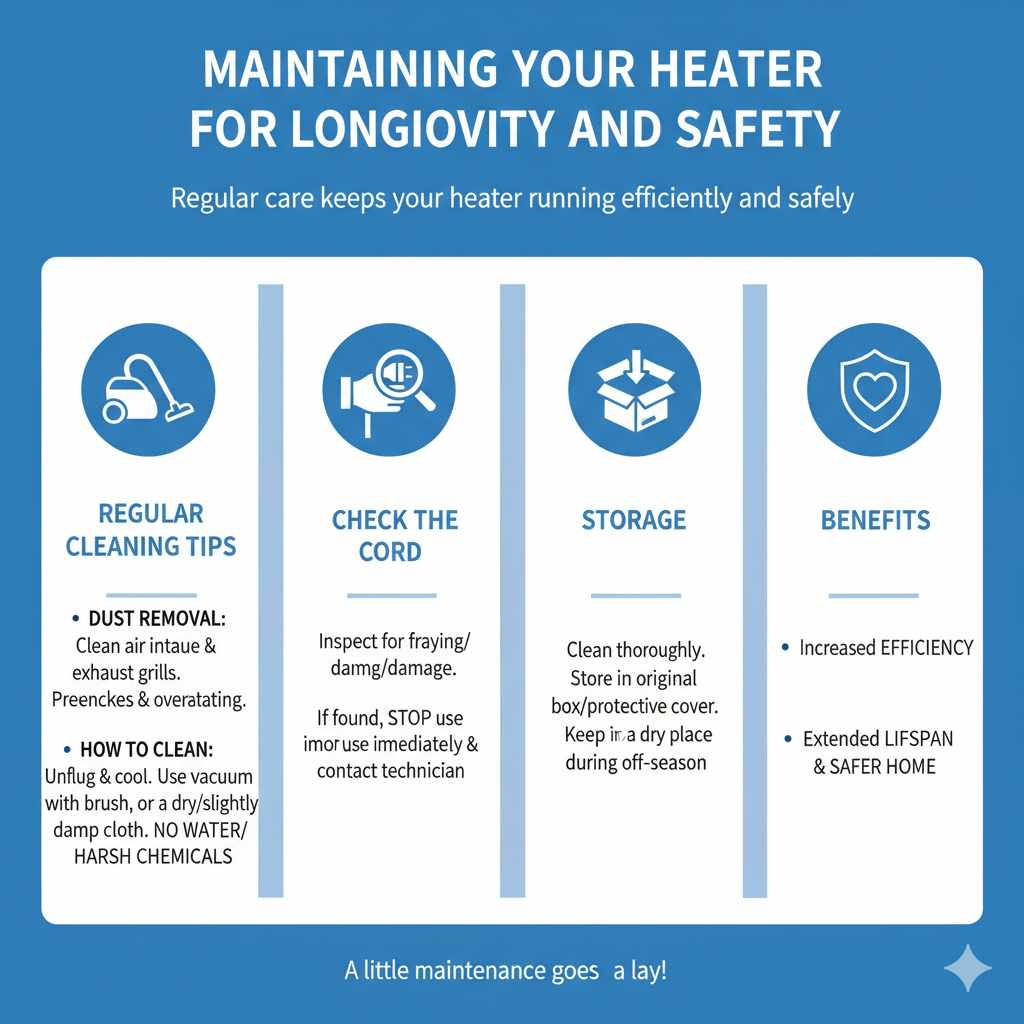
Just like any appliance, a little regular maintenance can go a long way in keeping your heater running efficiently and safely for years to come.
Regular Cleaning Tips:
- Dust Removal: The most important maintenance is keeping the air intake and exhaust grills clean. Dust can block airflow, making the heater less efficient and potentially causing it to overheat.
- How to Clean: First, always unplug the heater and ensure it’s completely cool. Use a vacuum cleaner with a brush attachment to gently remove dust from the grills and casing. For stubborn dust, you can use a dry or slightly damp cloth. Never use water or harsh cleaning solutions directly on the heater.
- Check the Cord: Periodically inspect the power cord for any signs of fraying or damage. If you find any, stop using the heater immediately and contact the manufacturer or a qualified technician.
- Storage: If you’re storing the heater for the off-season, clean it thoroughly and store it in its original box or a protective cover in a dry place.
Frequently Asked Questions (FAQs)
Q1: Are Lasko heaters safe?
Yes, generally Lasko heaters are designed with safety in mind. Most models include essential features like overheat protection and tip-over protection. Always ensure you are using the heater according to the manufacturer’s instructions and keep it away from flammable materials.
Q2: Are Honeywell heaters good for large rooms?
Honeywell offers a range of heaters, including powerful ceramic and infrared models that can be effective for medium to large rooms. For very large or open-plan areas, you might need a more powerful unit or consider using multiple heaters. Always check the recommended room size for the specific Honeywell model.