
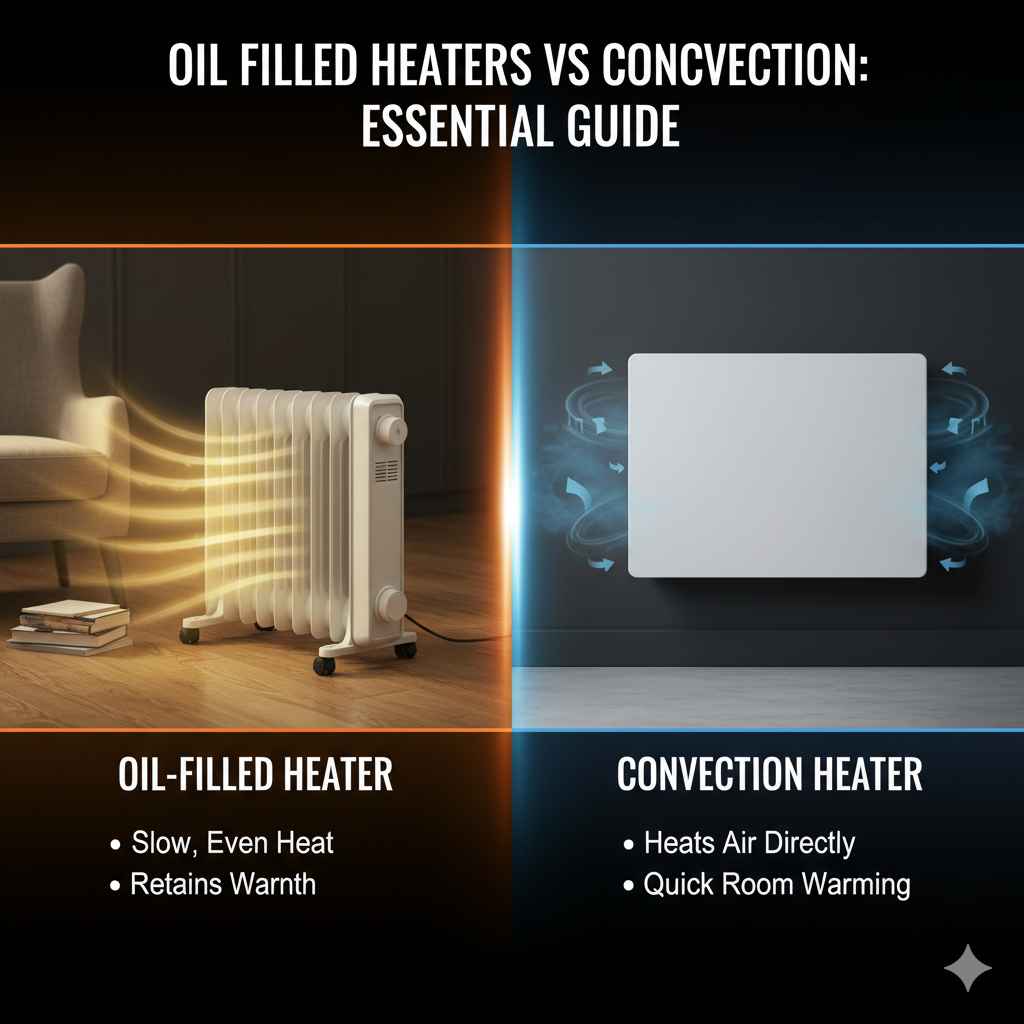
Oil-filled heaters provide quiet, consistent warmth that lingers, ideal for bedrooms or long heating periods. Convection heaters offer quick heating, making them great for warming up a room rapidly, but their heat may dissipate faster. Choosing between them depends on your specific needs for speed, comfort, and energy efficiency.
Feeling that chill creep in and wondering how to best warm up your home? Deciding on the right heater can feel like a puzzle, especially when faced with different types like oil-filled and convection heaters. Many homeowners find it confusing to know which one is best for their needs, leading to wasted energy or rooms that never feel quite cozy enough. Don’t worry, I’m here to help you navigate this! We’ll break down exactly how these popular heaters work, their pros and cons, and how to choose the perfect one for your space. You’ll be feeling toasty and confident in your choice in no time!
Oil Filled Heaters vs. Convection Heaters: A Simple Breakdown
Let’s get straight to the point: what’s the big difference between an oil-filled heater and a convection heater? Think of it like this: they both make your room warmer, but they go about it in subtly different ways, and those differences matter for your comfort and your bills!
Oil-filled radiators are those classic-looking portable heaters, often with fins like a car radiator. They have a sealed system filled with special oil. A heating element inside the oil heats it up, and the oil, in turn, heats the metal casing of the radiator. This warm casing then radiates heat into the room and also heats the air around it, causing it to rise.
Convection heaters, on the other hand, work by heating the air directly. They have a heating element that warms up quickly. As the air near the element gets hot, it becomes less dense and rises. This creates a natural air current, called convection, that circulates warm air around the room. Cooler air is drawn in at the bottom, heated, and then released, creating a continuous cycle. This is why many convection heaters have vents at the top to let the warm air out and openings at the bottom to draw in cooler air.

How They Work: The Science Behind the Warmth
Understanding the basic principles helps us appreciate why one might be better suited for certain situations than the other. It’s not magic; it’s just physics at play!
Oil-Filled Heaters: Gentle, Lingering Heat
Inside an oil-filled heater, a special diathermic oil acts as a heat reservoir. This oil doesn’t actually burn or get consumed. When you turn on the heater, an electric element submerged in the oil warms it up. This heated oil then warms the metal fins of the heater. These fins radiate a consistent, gentle heat into the room, much like a traditional radiator. A key benefit is that even after the heater switches off (when it reaches its set temperature), the oil retains its heat for a while and continues to emit warmth, providing a subtle but continuous heating effect.
This radiant heat feels very comfortable because it warms objects and people directly, not just the air. It’s a bit like the warmth you feel from the sun – direct and enveloping. The convection effect also occurs as the air around the hot fins heats up and rises, but the primary heating mechanism is the stored heat in the oil.
Convection Heaters: Quick, Circulating Warmth
Convection heaters are designed to heat the air rapidly. They contain a heating element, often a ceramic or metal coil, that gets hot very quickly when powered. As air passes over this hot element, it is heated and then rises due to its lower density. This rising warm air displaces cooler air, which sinks towards the bottom of the heater to be warmed in turn. This creates a natural flow of air, a convection current, that circulates throughout the room, gradually raising the overall air temperature.
Because they heat the air directly and rely on air circulation, convection heaters often have vents designed to facilitate this airflow. The heat produced is dispersed quickly throughout the space. This makes them excellent for achieving a comfortable temperature in a relatively short amount of time.
Pros and Cons: Weighing Your Options
Every type of heater has its strengths and weaknesses. Let’s break them down so you can see which one aligns best with your heating needs.
Oil-Filled Heater: The Good and the Not-So-Good
Pros:
- Quiet Operation: Because they don’t have fans blowing air, oil-filled heaters are incredibly quiet, making them perfect for bedrooms, offices, or any space where noise is a concern.
- Consistent Heat: The stored heat in the oil provides a steady, gentle warmth that lingers even after the unit cycles off. This means fewer temperature fluctuations.
- Moisture Retention: They tend to heat the air without drying it out as much as some other heater types, which can be more comfortable for people sensitive to dry air.
- Safety Features: Many come with automatic tip-over shut-off and overheat protection, adding peace of mind.
- No Odor: They don’t produce any fumes or odors during operation.
Cons:
- Slow to Heat Up: It takes a while for the oil to heat up and start releasing significant warmth, so they aren’t ideal if you need instant heat.
- Slower Area Heating: While they provide consistent heat, they might take longer to warm up a large or very cold room compared to a convection heater.
- Heavier & Less Portable: Due to the oil, they can be quite heavy, and while they have wheels, they are less convenient to move around frequently.
- Energy Consumption (Potentially): While efficient at retaining heat, their longer pre-heating time can sometimes lead to higher energy use initially.
Convection Heater: The Good and the Not-So-Good
Pros:
- Fast Heating: Convection heaters warm up a room’s air relatively quickly because they heat the air directly.
- Good for Larger Rooms: Their ability to circulate air makes them effective at distributing warmth throughout a larger space.
- Lightweight & Portable: Many convection models are lightweight and easy to move from room to room.
- Adjustable Thermostats: Most come with precise temperature controls for easy customization.
Cons:
- Can Dry Out Air: The process of heating and circulating air can sometimes lead to drier indoor air, which might be uncomfortable for some.
- Fan Noise: Some models have fans that can produce a noticeable, though usually not excessive, noise.
- Heat Dissipates Faster: Once the heater turns off, the warmth may dissipate more quickly compared to an oil-filled heater.
- Less Direct Warmth: They primarily heat the air, so you might not feel the same direct, radiant warmth as with an oil-filled unit.
Key Differences at a Glance
To make this even clearer, here’s a quick look at how they stack up in key areas:
| Feature | Oil-Filled Heater | Convection Heater |
|---|---|---|
| Primary Heating Method | Radiant heat from hot oil and fins, plus some convection | Convection (heating and circulating air) |
| Speed of Heating | Slow to start, then consistent | Fast |
| Heat Retention | Excellent (oil stays hot) | Moderate (air cools down faster) |
| Noise Level | Very Quiet | Can have fan noise |
| Air Quality Impact | Less likely to dry air | Can dry air |
| Portability | Generally heavier | Often lighter |
| Best For | Long-term heating, bedrooms, quiet spaces, consistent comfort | Quick heating, larger rooms, frequent spot heating |
Where to Use Each Heater Type
Choosing the right heater for the right place can make a huge difference in your comfort and energy efficiency. Let’s think about specific rooms and needs.
Ideal Spots for Oil-Filled Heaters:
- Bedrooms: Their silent operation and gentle, consistent warmth are perfect for a restful night’s sleep without constant temperature swings.
- Home Offices: If you spend long hours at a desk, the steady, non-intrusive heat is ideal for maintaining focus without overheating or drying out the air.
- Nurseries or Small Living Areas: Safe, quiet, and providing a comforting ambiance, they are excellent for keeping these spaces at a pleasant temperature for extended periods.
- Areas needing consistent, background heat: If you have a room that gets consistently chilly and you want to maintain a comfortable, steady temperature without much fuss, an oil-filled radiator is a great choice.
Ideal Spots for Convection Heaters:
- Living Rooms or Main Areas: When you want to quickly warm up a space after coming home or when it’s particularly cold outside, a convection heater can heat the air efficiently.
- Home Gyms or Workshops: If you only need heat for short, specific periods while you’re active, a convection heater can provide a quick burst of warmth.
- Rooms prone to drafts: Their ability to circulate air can help spread warmth more evenly, potentially counteracting some draftiness.
- Basements or Attics being temporarily heated: For spaces that aren’t regularly occupied but need a quick warm-up before use, convection units are efficient.
Safety First! Tips for Using Any Portable Heater
No matter which type of heater you choose, safety is always the top priority. Portable heaters can be a safe and effective way to supplement your home’s heating, but it’s crucial to use them correctly. Following these guidelines will help ensure you stay warm and safe.
According to the U.S. Consumer Product Safety Commission (CPSC), portable heaters cause thousands of home fires each year, so taking precautions is essential.
- Always Plug Directly into an Outlet: Never use an extension cord, as they can overheat and cause a fire. Plug your heater directly into a wall socket.
- Maintain a Safe Distance: Keep heaters at least 3 feet (about 1 meter) away from anything flammable – curtains, furniture, bedding, paper, clothing, etc.
- Use on a Hard, Level Surface: Place heaters on a stable, level surface to prevent tipping. Most modern heaters will automatically shut off if they tip over, but it’s still a good practice to ensure stability.
- Turn Off When Unattended: NEVER leave a portable heater running when you are sleeping or leave the house. Always turn it off.
- Inspect Regularly: Before each use, check the cord and plug for any signs of damage. If you see fraying or damage, do not use the heater.
- Keep Away from Water: Never use an electric heater in a bathroom or near sinks and other water sources.
- Supervise Children and Pets: Keep children and pets away from operating heaters. The surfaces can become very hot and cause burns.
- Choose Heaters with Safety Features: Look for models with automatic tip-over shut-off and overheat protection.
- Proper Ventilation: While electric heaters don’t produce carbon monoxide like fuel-burning heaters, ensure the room has some fresh air circulation, especially if you have multiple heaters running.
Energy Efficiency: Making Smart Choices
When it comes to keeping your home warm, being energy-efficient not only saves money but also helps the environment. Both oil-filled and convection heaters can be used efficiently, but understanding how they work will help you maximize their performance.
How Energy Efficiency Works for Heaters:
- 100% Efficiency: Electric resistance heaters, like both oil-filled and convection types, are technically 100% efficient at converting electricity directly into heat. This means every watt of electricity used becomes heat.
- The Real Difference is in Heat Delivery and Retention: The “efficiency” you’ll experience as a homeowner comes from how well the heater distributes and retains heat, and how effectively it warms the space you want heated, rather than wasting energy.
Making the Most of Your Oil-Filled Heater:
- Use for Long Periods: Because they heat up slowly but retain heat well, they are most energy-efficient when used for extended periods, like overnight or throughout a workday in a home office.
- Thermostat Control: Use the thermostat to maintain a consistent, comfortable temperature rather than constantly cycling the heater on and off at full blast.
- Zone Heating: Use it to heat only the room you are currently in. This is far more efficient than trying to heat an entire house with multiple portable heaters.
Making the Most of Your Convection Heater:
- Quick Heating Needs: They are best for quickly warming up a space that’s intermittently occupied or has just gotten cold.
- Thermostat Use: Just like with oil-filled heaters, using the thermostat to maintain a desired temperature prevents unnecessary energy waste.
- Placement Matters: Position the heater where air can circulate freely around it. Don’t block the air intake or outflow vents.
Energy Star Certified Heaters: While electric resistance heaters are generally 100% efficient, looking for ENERGY STAR certified models can ensure they meet strict energy efficiency guidelines set by the EPA. Even for electric heaters, these certifications often mean better design, improved insulation, and more precise thermostats.
Installation & Setup: Getting Started with Your New Heater
Setting up a new portable heater is usually quite straightforward, which is one of their main advantages! Let’s walk through the simple steps.
Steps for Setting Up an Oil-Filled Heater:
- Unpack Carefully: Remove the heater from its packaging. Check for any signs of damage that might have occurred during shipping.
- Attach Casters (if applicable): Many oil-filled heaters come with wheels or casters that need to be attached to the base. This usually involves screwing them into place or snapping them on according to the manufacturer’s instructions.
- Choose a Safe Location: Place the heater on a hard, level surface at least 3 feet away from any furniture, curtains, or other flammable materials. Ensure it’s not in a high-traffic area where it could be easily knocked over.
- Plug it In: Plug the power cord directly into a grounded wall outlet.
- Set the Thermostat: Turn the thermostat dial to your desired temperature. Start with a medium setting and adjust as needed.
- Turn it On: Press the power button or turn the knob to the ‘On’ position.
Steps for Setting Up a Convection Heater:
- Unpack: Carefully remove the heater from its box and inspect for any damage.
- Assemble Base (if needed): Some upright convection heaters may require you to attach a base for stability. Follow the included manual for simple assembly.
- Find a Suitable Spot: Position the heater on a flat, stable surface. Ensure there’s at least 3 feet of clear space around it, especially at the air intake and outlet vents. Avoid placing it on carpets if possible, unless the manufacturer specifically states it’s safe to do so for that model.
- Plug into Wall Outlet: Connect the power cord directly into a grounded electrical outlet. (Remember: no extension cords!)
- Select Settings: Adjust the temperature and fan speed (if applicable) to your preference.
- Power On: Turn the heater on. You should feel warm air circulating relatively quickly.
Important Note: Always refer to your specific heater’s owner’s manual for detailed instructions, as models and features can vary.

Frequently Asked Questions (FAQs)
Q1: Which type of heater is more energy-efficient, oil-filled or convection?
Both electric resistance heaters (like oil-filled and convection) convert electricity to heat with about 100% efficiency. The difference lies in how they distribute and retain heat. Oil-filled heaters retain heat longer, providing consistent warmth after shut-off, while convection heaters provide quick initial heating by circulating air. For long, continuous heating needs, oil-filled might feel more efficient as the heat lingers. For quick, intermittent heating, convection is effective.
Q2: Can I use an oil-filled heater in a bathroom?
It is generally not recommended to use electric heaters, including oil-filled ones, in bathrooms or any area with high moisture or near water sources. They are not designed for damp environments and pose a significant electrocution risk. Always check the heater’s manual for specific usage instructions regarding location.
Last Updated on October 30, 2025 by Tanim