
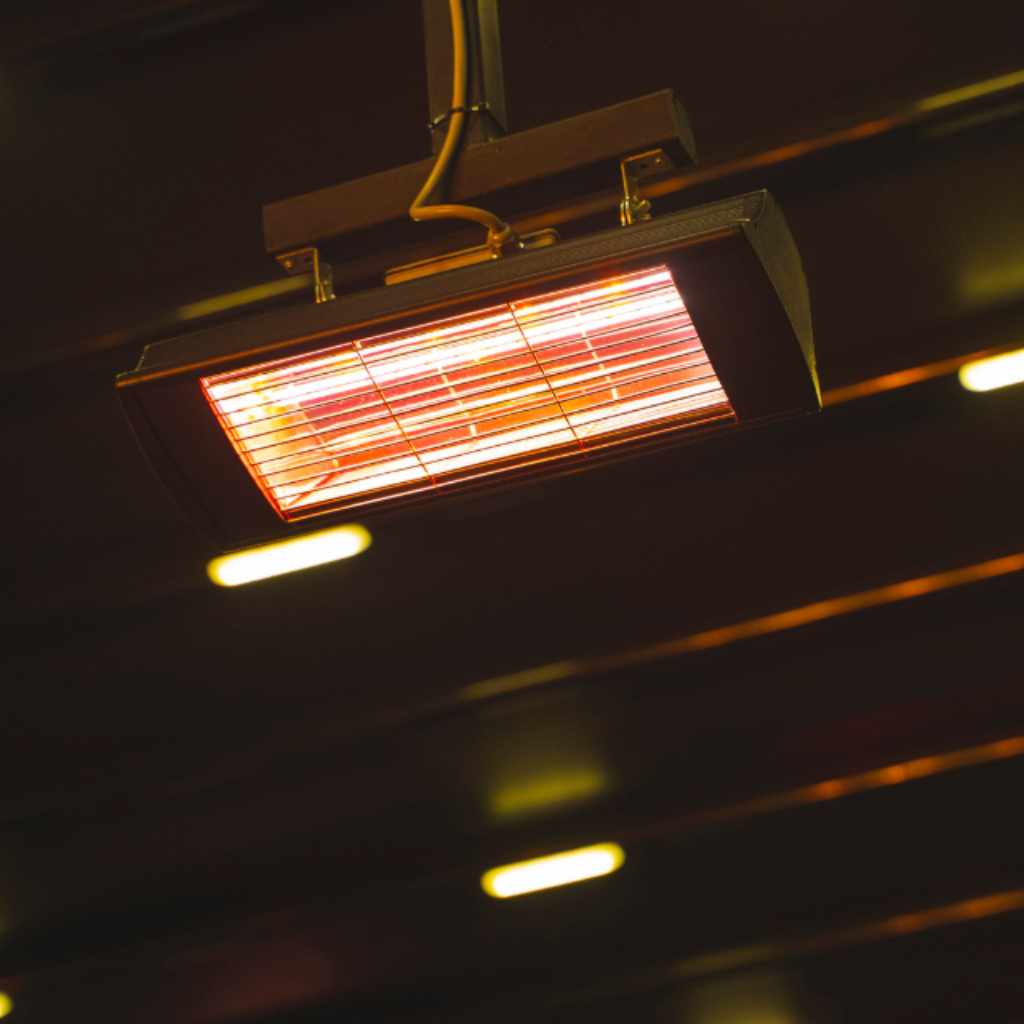
Quartz heaters warm the air directly, like a fan heater, while infrared heaters warm objects and people directly, like the sun. Choose quartz for quick room heating and infrared for targeted warmth and a cozy feel. Both are efficient for specific needs.
Feeling a chill and wondering which heater is best for your home? It’s a common puzzle! With so many options, it’s easy to feel overwhelmed. But don’t worry, I’m here to help you make sense of it all. We’ll break down two popular choices: quartz heaters and infrared heaters, so you can pick the perfect one to keep your home warm and cozy without breaking the bank.
You’ll learn exactly how each type works, their key differences, and which one might be the best fit for your specific needs. By the end of this guide, you’ll feel confident in choosing a heater that offers comfort, safety, and efficiency.
Quartz Heaters vs. Infrared Heaters: A Clear Comparison for Your Home
When the temperature drops, the desire for a warm and inviting home becomes a top priority. If you’re looking to supplement your central heating or heat a specific room, you’ve likely come across two common types of portable heaters: quartz heaters and infrared heaters. While they both provide heat, they do so in fundamentally different ways, making one a better choice for certain situations than the other.
Understanding these differences is key to making an informed decision. It’s not just about picking the one that looks best; it’s about choosing the technology that will best suit your comfort, your energy bill, and your lifestyle. Let’s dive into what makes each heater unique.

How Do Quartz Heaters Work?
Quartz heaters are quite popular for their quick heating capabilities. Think of them as a type of radiant heater, but with a specific element that makes them stand out. The magic happens with quartz tubes, which are filled with a heating element (usually a coiled wire) that gets very hot when electricity passes through it.
These quartz tubes are often surrounded by a reflective material. When the heating element glows red-hot, it transfers its heat directly to the quartz. The quartz then radiates this heat outwards. Many quartz heaters also have a fan, which helps to push the heated air out into the room more quickly, distributing the warmth more evenly and faster.
The Quartz Heating Process: Step-by-Step
- Power On: You plug in the heater and turn it on.
- Element Heats Up: An electrical current flows through a resistance wire inside the quartz tube.
- Quartz Glows: The resistance wire gets extremely hot, causing the quartz tube to glow.
- Heat Radiates: The hot quartz tubes emit infrared radiation.
- Air is Warmed: This infrared radiation heats the air molecules in the room directly around the heater.
- Fan Assistance (Optional): If your quartz heater has a fan, it will blow the warmed air further into the room, speeding up the heating process.
Because they heat the air, quartz heaters are effective at raising the overall temperature of a room fairly quickly. This makes them a good option if you need to warm up a chilly space in a short amount of time.
How Do Infrared Heaters Work?
Infrared heaters are wonderfully efficient because they work a bit like the sun. Instead of heating the air, they emit infrared radiation that travels in waves. When these waves hit an object or a person, they are absorbed and converted into heat. This is why you can feel the warmth from an infrared heater even if the air around you feels cool.
The heating elements in infrared heaters are typically made of materials like ceramic, carbon fiber, or metal alloys, and they don’t usually get as visibly red as the elements in some quartz heaters. The focus is on emitting invisible infrared light waves directly to where you need the heat.
This targeted heating means that areas directly in the path of the infrared rays will feel warm immediately, while the air temperature in the rest of the room will rise more slowly, if at all. This can be a huge energy saver, as you’re not wasting energy heating the air in an unoccupied part of the room.
The Infrared Heating Process: Step-by-Step
- Power On: You plug in and turn on the infrared heater.
- Element Energizes: Electricity passes through the heating element (e.g., ceramic, carbon fiber).
- Infrared Waves Emitted: The element produces invisible infrared radiation.
- Waves Travel: These radiation waves travel outwards in straight lines.
- Objects Absorb Heat: When the waves strike surfaces (walls, furniture, people), they are absorbed and converted into thermal energy (heat).
- Targeted Warmth: You feel a pleasant warmth directly on your skin and on the surfaces the waves hit.
This ability to provide direct, radiant heat is what makes infrared heaters so appealing for personal comfort and localized heating.
Quartz Heaters vs. Infrared Heaters: Key Differences & Comparison
Now that we understand how each type works, let’s put them side-by-side to highlight their core differences. This comparison will help you see which technology aligns better with your heating needs.
Heating Mechanism
Quartz Heaters: Primarily heat the air around the quartz tubes, often assisted by a fan to distribute this warmed air. They also emit some direct radiant heat.
Infrared Heaters: Primarily emit infrared radiation that heats objects and people directly, with minimal impact on air temperature.
Heating Speed
Quartz Heaters: Generally heat up very quickly and can warm a room’s air temperature relatively fast, especially with a fan.
Infrared Heaters: Provide instant warmth to anything in their direct line of sight. The overall air temperature of the room will rise much more slowly.
Energy Efficiency
Quartz Heaters: Can be efficient for quickly warming a space, but if a fan is used, it consumes additional electricity. Heating the air can also lead to some heat loss through drafts or open spaces.
Infrared Heaters: Often considered more energy-efficient for personal comfort because they heat people and objects directly. This means you don’t need to heat the entire volume of air in a room, leading to less wasted energy. According to the U.S. Department of Energy, targeted heating can improve efficiency.
Coverage Area & Feel
Quartz Heaters: Provide a more general, ambient warmth throughout the room. The heat is distributed by circulating air.
Infrared Heaters: Provide a focused, direct heat. You feel the warmth most intensely in front of the heater.
Noise Level
Quartz Heaters: If they have a fan, they will produce some fan noise. Models without fans can be very quiet.
Infrared Heaters: Typically very quiet, as they don’t rely on fans to emit heat. You might hear a faint hum or clicking sound as the element heats up or cools down.
Moisture Levels
Quartz Heaters: Can sometimes dry out the air as they heat it, especially if the room is not well-ventilated.
Infrared Heaters: Tend to be gentler on air moisture. They warm objects without significantly drying out the air.
Safety Features
Both types should come with safety features like tip-over switches and overheat protection. However, quartz tubes can get very hot to the touch, so caution is advised around children and pets. Infrared panels are often cooler externally, but the emitted radiation can still cause discomfort if you’re too close for too long.
Pros and Cons: Quartz Heaters vs. Infrared Heaters
To summarize, here’s a quick rundown of the advantages and disadvantages of each heater type to help you weigh your options.
Quartz Heaters: Pros and Cons
Pros:
- Fast Room Heating: Quickly raises the ambient air temperature in a room.
- Affordable: Often less expensive to purchase than comparable infrared heaters.
- Easy to Use: Simple controls and straightforward operation.
- Portable: Many models are lightweight and easy to move.
- Dual Action: Provides both radiant heat and convection heat (when a fan is used).
Cons:
- Can Dry Out Air: May reduce humidity in a room.
- Hot Surfaces: Quartz tubes can become very hot, posing a burn risk.
- Fan Noise: Models with fans can be noisy.
- Less Efficient for Targeted Heat: Might be less efficient if you only want to warm yourself, not the whole room.
Infrared Heaters: Pros and Cons
Pros:
- Direct, Instant Warmth: You feel the heat immediately where it’s directed.
- Energy Efficient: Excellent for zone heating and personal comfort, reducing overall energy use.
- Quiet Operation: Most models are virtually silent.
- Gentle on Air: Doesn’t dry out the air as much as some other heaters.
- No Fan Required: Heat is delivered directly via radiation.
- Safer External Surfaces: Many infrared panel heaters have cooler exteriors.
Cons:
- Slower Room Heating: Takes longer to significantly raise the overall air temperature of a large room.
- Line-of-Sight Heating: If you move out of the heater’s “line of sight,” you’ll stop feeling the direct warmth.
- Higher Initial Cost: Can sometimes be more expensive upfront than quartz heaters.
- Placement is Key: Requires careful positioning to maximize its effectiveness.
When to Choose a Quartz Heater
A quartz heater is a fantastic choice when your primary goal is to quickly warm up a room or a space. Here are some ideal scenarios:
- Quickly Heating a Cold Room: If you walk into a chilly bedroom or living room and want it to feel warmer within minutes, a quartz heater with a fan can do the job efficiently.
- Supplementing Central Heating: Use it to add an extra boost of warmth to a frequently used room without turning up your entire home’s thermostat, potentially saving on energy bills.
- Warming Up a Small to Medium-Sized Space: They are generally well-suited for spaces like bedrooms, home offices, or living rooms.
- On a Budget: If your initial purchase price is a major consideration, quartz heaters often offer excellent heating power for their cost.
- When Rapid Warmth is Essential: For instances where you need to feel warmer right away, like after coming in from the cold.
Think of a quartz heater as your go-to for raising the overall temperature of an area when speed is essential. Remember to place it safely away from flammable materials and supervise its use, especially around children and pets due to the hot elements.
When to Choose an Infrared Heater
Infrared heaters shine when you need targeted warmth and value energy efficiency for personal comfort. Consider an infrared heater if:
- You Want to Heat Specific Areas: If you spend most of your time in one spot (like at your desk, on the sofa, or in bed) and only want to feel warm there, an infrared heater is perfect.
- Energy Savings are a Priority: By heating objects and people directly, you avoid heating the entire air volume of a room, which can lead to significant energy savings, especially if you use it for extended periods. This aligns with energy efficiency best practices.
- You Prefer Silent Operation: For bedrooms or quiet workspaces, the near-silent operation of an infrared heater is a major advantage.
- You Have Dry Air Issues: If you live in a climate where the air is already dry, an infrared heater won’t exacerbate the problem.
- You Need a Cozy, Sun-like Warmth: Many people find the direct, radiant heat from infrared heaters to be very comfortable and natural-feeling.
- Radiant Heat Panel Benefits: Consider infrared panel heaters as they can be mounted on walls or ceilings, saving floor space and providing consistent, indirect heat.
Infrared heaters are excellent for creating a comfortable personal “bubble” of warmth without significantly impacting the thermostat for the whole house, making them a smart choice for targeted, efficient heating.
A Visual Comparison: Quartz vs. Infrared
To make the differences even clearer, let’s look at a table that summarizes their key features side-by-side.
| Feature | Quartz Heater | Infrared Heater |
|---|---|---|
| Primary Heating Method | Heats air (convection) and objects/people (radiation) | Heats objects and people directly (radiation) |
| Heating Feel | General room warmth, air gets warmer | Targeted warmth on skin and surfaces; air warms slowly |
| Speed of Heating | Fast room air temperature increase | Instant personal warmth; slow room air temperature increase |
| Energy Efficiency | Good for quick room warm-up; fan uses extra power | Excellent for personal comfort and zone heating; less wasted energy |
| Noise Level | Can be audible if it has a fan | Very quiet, often silent |
| Air Moisture | Can potentially dry out air | Generally preserves air moisture |
| Best For | Quickly warming an entire room, supplemental heating | Personal comfort, zone heating, silent operation, energy savings |
| Considerations | Hot surfaces, fan noise, potential air drying | Line-of-sight heating, slower room warming, higher initial cost |

Safety First! Tips for Using Any Portable Heater
No matter which type of heater you choose, safety is always the number one priority. Portable heaters are a great convenience, but they also require careful handling. Here are some essential safety tips to keep your home warm and safe:
- Read the Manual: Always start by reading the manufacturer’s instructions and warnings.
- Keep a Safe Distance: Maintain at least three feet (about one meter) of clear space around the heater. Keep it away from curtains, bedding, furniture, paper, and other flammable items.
- Never Leave Unattended: Do not leave a portable heater running when you are sleeping or when you leave the room.
- Use on a Flat, Stable Surface: Place heaters on a hard, level surface to prevent tipping. Avoid placing them on carpets or rugs, which can be a fire hazard.
- Check the Cord: Ensure the power cord is in good condition, with no fraying or damage. Never run a heater with a damaged cord.
- Unplug When Not in Use: Always unplug the heater when you’re finished using it or before cleaning it.
- Beware of Hot Surfaces: Many heaters, especially quartz elements, can get very hot. Avoid touching them to prevent burns.
- Tip-Over Protection: Ensure your heater has a tip-over switch that automatically shuts it off if it’s knocked over.
- Overheat Protection: A good heater will also have overheat protection that shuts it off if it gets too hot.
- Avoid Water: Never use a heater in bathrooms, laundry rooms, or other damp areas. Keep them away from sinks, tubs, and showers.
- Ventilation: Ensure the room has adequate ventilation, especially if using an electric heater for extended periods.
Following these simple guidelines will help you enjoy the warmth and comfort of your new heater with peace of mind.
Frequently Asked Questions (FAQs)
Q1: Can I use a quartz heater to heat my entire house?
A1: Quartz heaters are best suited for heating individual rooms or small to medium-sized spaces. They are not designed to replace a central heating system for an entire house. For whole-house heating, you’ll need a more robust system.
Q2: Is infrared heat safe for pets?
A2: Yes, infrared heat is generally safe for pets. In fact, many pets enjoy basking in the warmth of infrared heaters. However, always ensure your pet has an area they can retreat to if they get too warm, and keep them a safe distance from any heater components that might get hot to the touch.
Last Updated on November 23, 2025 by Tanim