Boiler Heating Type for Radiator Comfort
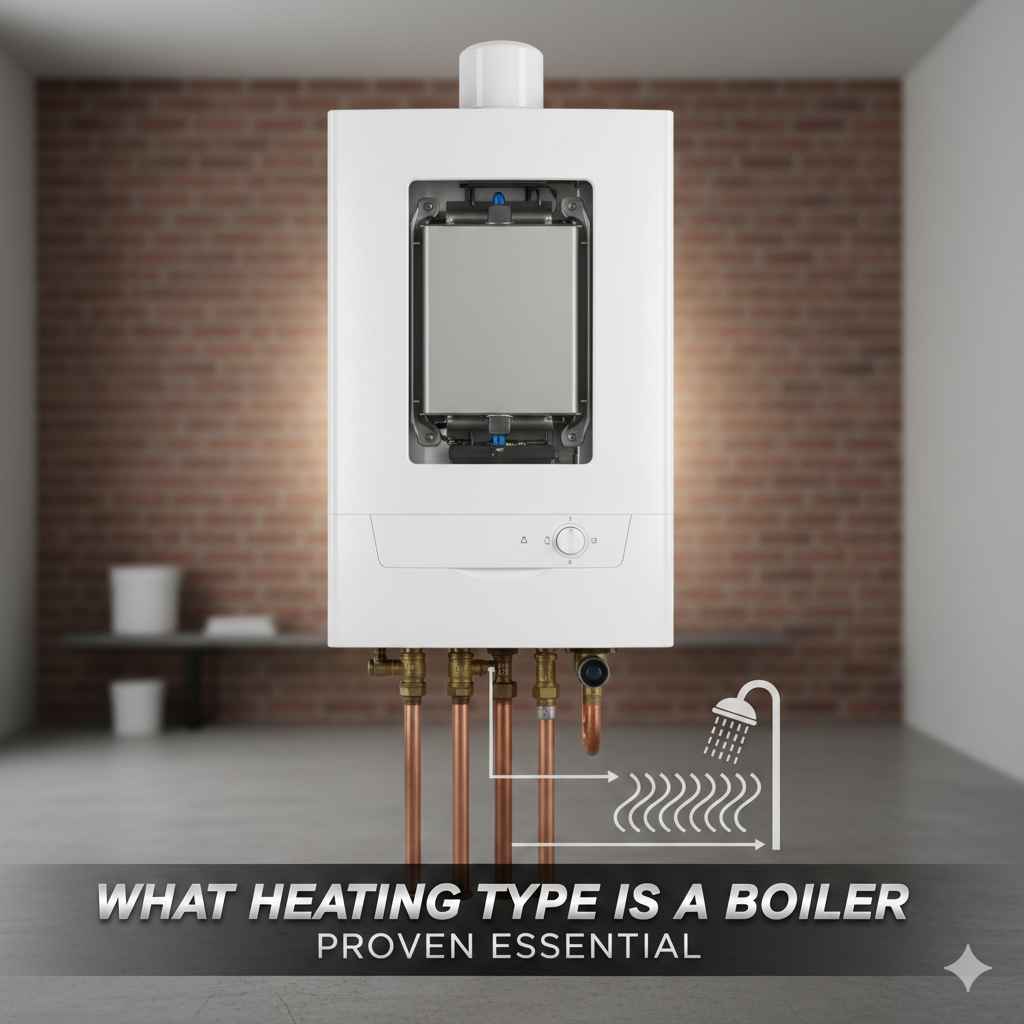
A boiler is primarily a hot water heating appliance that uses fuel (like natural gas, oil, or electricity) to heat water, which is then circulated through radiators or underfloor piping to provide space heating. It is often categorized as a hydronic (water-based) heating system, making it a distinct and essential type of central heating solution for many homes.
It’s easy to feel confused when talking about home heating. You hear terms like furnace, heat pump, and boiler, and they can all start to sound the same. If you have a cozy radiator or warm floors in your home, you likely have a boiler! Understanding exactly what heating type a boiler represents is the first step toward keeping your home perfectly warm and running your system efficiently.
Don’t worry if this sounds technical. My goal is to break down the boiler system into simple, friendly terms. We will explore exactly how boilers heat your home, what makes them unique compared to other heaters, and why they have remained a trusted essential for centuries. Let’s dive into the comforting world of hydronic heating!
Decoding the Boiler: It’s All About Hot Water
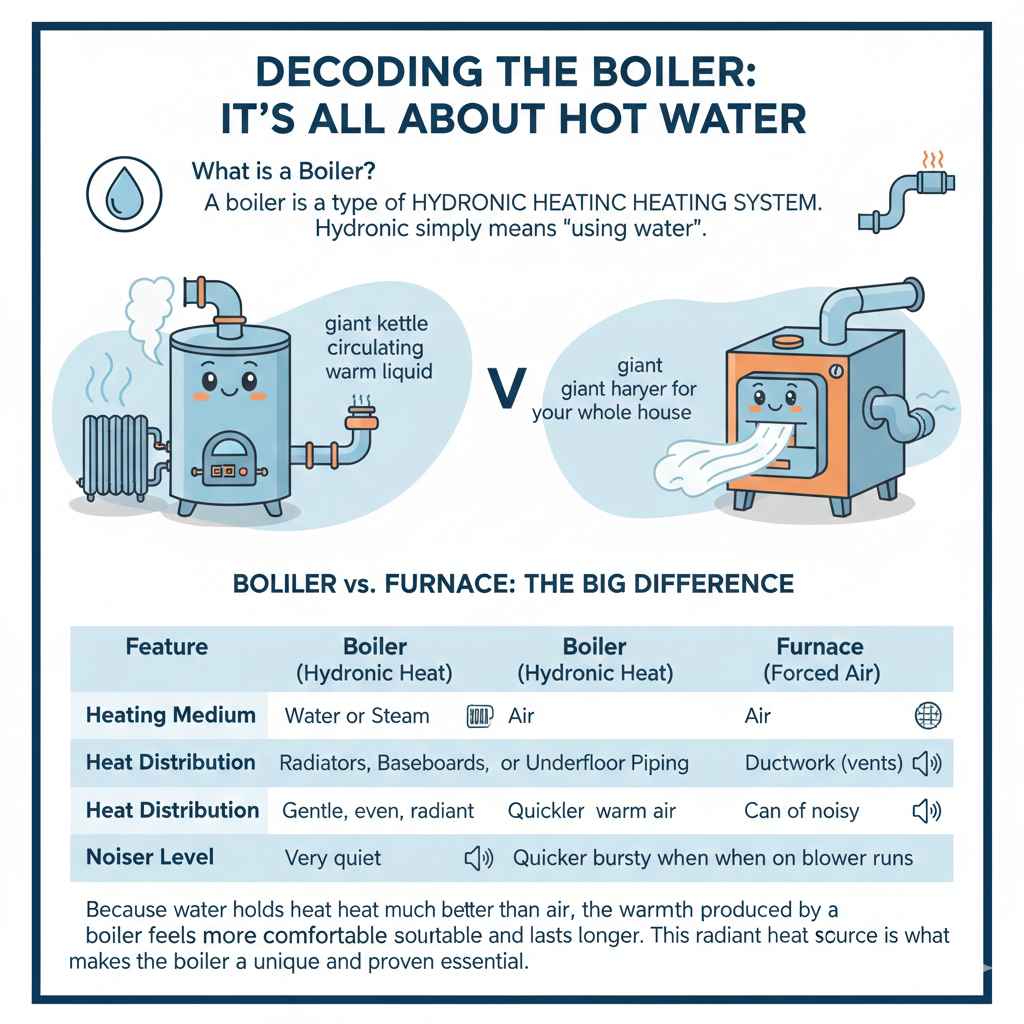
To answer the main question right away: A boiler is a type of hydronic heating system. Hydronic simply means “using water.” Unlike a furnace, which blows hot air through ducts, a boiler heats water (or creates steam) and sends that hot fluid through a closed loop in your home to deliver warmth.
Boiler vs. Furnace: The Big Difference
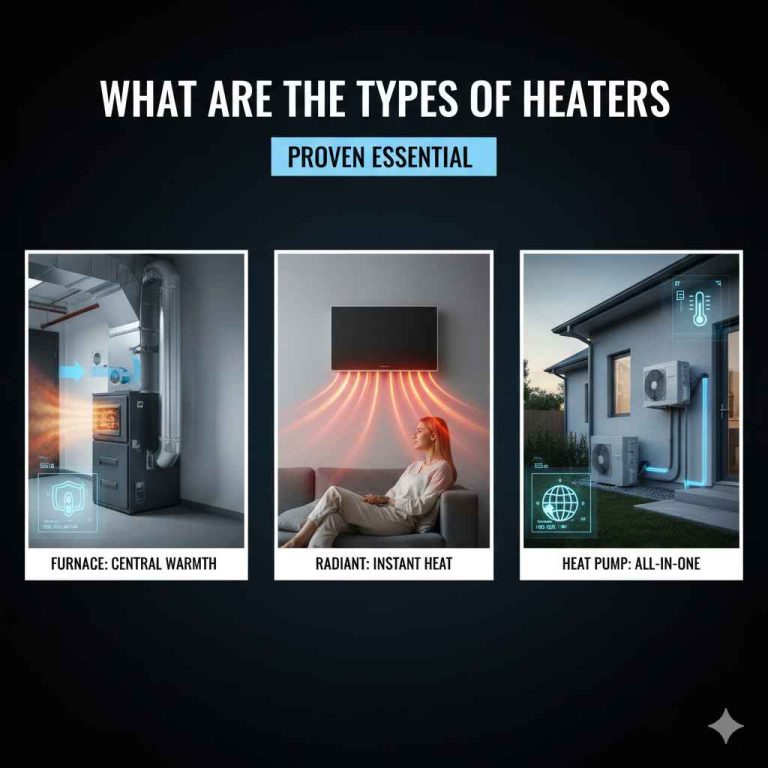
This distinction between air and water is the key difference homeowners need to understand. Think of it like this: A furnace is like a giant hairdryer for your whole house, while a boiler is more like a giant kettle circulating warm liquid.
Here is a quick look at how they operate:
| Feature | Boiler (Hydronic Heat) | Furnace (Forced Air) |
|---|---|---|
| Heating Medium | Water or Steam | Air |
| Heat Distribution | Radiators, Baseboards, or Underfloor Piping | Ductwork (vents) |
| Comfort Feel | Gentle, even, radiant warmth | Quicker bursts of warm air |
| Noise Level | Very quiet | Can be noisy when the blower runs |
Because water holds heat much better than air, many homeowners find the warmth produced by a boiler feels more comfortable and lasts longer, even after the system shuts off. This radiant heat source is what makes the boiler a unique and proven essential.
How Does a Boiler Actually Work? A Simple Step-by-Step
Understanding the mechanical steps demystifies the appliance. You don’t need to be a plumber, but knowing the process helps you spot trouble early and talk confidently with a technician. Here is the simple path the heat takes in a typical modern boiler system:
- Ignition: When your thermostat calls for heat, the boiler’s burner turns on. It ignites the fuel source (gas, oil, etc.) to create heat.
- Heating the Water: The flames heat a heat exchanger inside the boiler, which in turn heats the water inside the sealed system.
- Circulation: A small pump, called a circulator, pushes this newly hot water out of the boiler and into the pipes connected to your home’s emitters (radiators or tubing).
- Heat Transfer: As the hot water moves through the radiators, the heat radiates into the room, warming the space.
- Return: As the water cools down slightly after giving off its heat, it flows back into the boiler to be reheated, completing the loop.
If your system uses steam instead of hot water (common in very old homes), the process is similar, but the steam rises to the top floor radiators and condenses back into water as it cools, flowing back down to the boiler to be turned back into steam.
Fuel Types: What Powers Your Boiler?
Boilers are defined not just by what they heat (water) but also by what they burn or use to create that heat. The choice often depends on what utilities are available at your home:
- Natural Gas: The most common and often the cleanest/most affordable fuel source where available.
- Propane (LP Gas): Used in rural areas where natural gas lines don’t reach. It is stored in an on-site tank.
- Oil: Requires a large storage tank outside or in the basement. Costs can fluctuate significantly, making it less predictable than gas.
- Electricity: Electric boilers are typically smaller and used in tight spaces or where gas/oil isn’t practical. They can be more expensive to run than fossil fuel models.
Types of Boilers: Choosing the Right System for You
Not all boilers are built the same. Modern technology has given us several efficient choices perfect for different home sizes and needs. When you look at modern replacements, these are the main categories you will encounter:
1. Conventional (Standard) Boilers
These are the reliable workhorses many older homes already use. They use a large tank to store heated water. They work great but must heat a larger volume of water, which means they aren’t always the fastest to respond or the most efficient for smaller demands.
2. System Boilers
Similar to conventional models, but they often have some components (like the pump or expansion vessel) built right into the unit. This saves space in the utility closet compared to older setups.
3. Combination (Combi) Boilers: The All-in-One Solution
This is where modern convenience shines. Combi boilers are incredibly popular because they are compact and eliminate the need for a separate hot water tank. They heat your radiators and provide instant hot water directly from the mains when you turn on a tap.
Pros of Combi Boilers:
- Space-saving: No bulky hot water cylinder needed.
- Instant Hot Water: Great for busy households needing multiple taps running at once (though some larger homes might struggle with simultaneous high demand).
- Efficiency: Only heats water on demand, saving energy when you aren’t using hot water.
4. Condensing Boilers (High Efficiency)
This is the most important category today for energy savings. Modern condensing boilers are designed to capture the heat that would normally escape up the chimney (flue gas). They use this captured heat to pre-warm the incoming cold water, dramatically boosting efficiency. Nearly all new gas and oil boilers installed today must be condensing models to meet modern energy standards, often achieving efficiencies over 90%.
For the best long-term operating costs, look into high-efficiency condensing boilers. You can learn more about the necessary efficiency standards set by regulatory bodies, such as those tracked by the U.S. Department of Energy.
Understanding Boiler Placement and Installation
Where your boiler lives matters for efficiency and noise levels. Because they heat water and manage fuel connections, they are usually installed in specific areas:
Common Boiler Locations:
- Basement or Utility Room: This is the most traditional spot. It keeps the unit out of sight and often closer to the main fuel lines.
- Kitchen Cupboard: This is extremely common for modern, compact combi boilers. They are designed to be aesthetically pleasing (or easily hidden) and sit near water pipes.
- Attic or Loft: Sometimes used if space on the main floors is tight, though installation requires careful planning regarding piping and venting.
Installation Considerations for Efficiency
When installing or replacing a boiler, you must think about the entire “system,” not just the box itself. A high-efficiency boiler paired with old, leaky pipes won’t perform optimally. Key factors include:
- Sizing: The boiler must be correctly sized for your home’s heating load. An undersized unit runs constantly and never catches up; an oversized unit cycles on and off too often (short-cycling), which wastes fuel and wears out parts.
- Piping Insulation: Insulating the pipes carrying hot water from the boiler to the radiators significantly reduces heat loss on the journey.
- Flue Location: Modern condensing boilers need special PVC venting (flue) to safely exhaust combustion gases. This placement needs careful planning to ensure proper draft and water drainage.
The Role of Water Temperature in Boiler Efficiency
Since the boiler’s entire job revolves around heating water, the temperature you set matters hugely for your energy bill. This is where hydronic systems truly differ from air systems.
The Condensing Advantage: Lower Temperatures
A standard boiler works fine heating water to 180°F (82°C). However, a condensing boiler needs the water returning to it to be relatively cool (below 130°F or 55°C) so that the water vapor in the exhaust gases can condense and release that extra latent heat.
This is why boiler efficiency is often tied to the concept of low-temperature heating.
| System Type | Typical Operating Temperature | Efficiency Implication |
|---|---|---|
| Old/Standard Boiler | 160°F – 180°F (71°C – 82°C) | Low efficiency, most heat lost via flue. |
| Modern Condensing Boiler | 130°F – 150°F (54°C – 65°C) | High efficiency, captures latent heat. |
| Ideal for Radiant Floors | 90°F – 120°F (32°C – 49°C) | Maximum efficiency possible, gentle heat. |
If you have an older home with bulky radiators designed for high heat, switching to a condensing boiler might mean running the water hotter than ideal. If you have modern baseboard heating or underfloor heating, you can run the water much cooler, maximizing those energy savings!
Maintenance: Keeping Your Essential Boiler Running Smoothly
A boiler is a long-term investment, often lasting 15 to 25 years. Proper, preventative maintenance is not optional—it’s essential for safety, efficiency, and longevity. Think of it like an oil change for your car.
Annual Boiler Service Checklist (What the Pro Does)
It is highly recommended that a certified professional performs an annual service before the heating season begins. They will check:
- Safety Checks: Inspecting the flue, testing gas pressure (if applicable), and ensuring all safety controls are working correctly. This is vital for preventing carbon monoxide risks.
- Cleaning: Power flushing deposits (scale or sludge) from the heat exchanger and removing soot from the burner area.
- Component Inspection: Checking pumps, valves, thermostats, and expansion tanks for proper function and leaks.
- Pressure Check: Ensuring the water pressure in the closed system is at the correct level (usually between 1 to 1.5 bar when cold).
Simple Things Homeowners Can Do
You can handle a few basic tasks to keep things cozy between professional visits:
- Check Pressure Monthly: Look at the gauge on or near the boiler. If it’s too low, use the filling loop (usually a small handle or knob near the bottom) to add water until the needle hits the green zone.
- Bleed Radiators: If a radiator feels cold at the top but hot at the bottom, it likely has trapped air. Use a radiator key to gently let the air hiss out until water starts dripping, then quickly close the valve.
- Keep Vents Clear: Ensure nothing is blocking the boiler casing or the external flue vent, as this is critical for safe combustion.
The Essential Comfort Factor: Why Boilers Remain Popular
Even with newer technologies like ductless heat pumps gaining ground, boilers remain incredibly popular, especially in regions with very cold winters or older, established housing stock. Why? It comes down to the quality of the heat delivery.
Radiant Heat vs. Forced Air
The defining characteristic of boiler heat is that it’s radiant. Radiators and radiant floor heating warm objects and people directly, rather than just warming the air in the room.
Consider the experience:
- No Dust Circulation: Furnaces blow air, which stirs up dust, allergens, and dander through the ductwork. Boilers do not. This is a major benefit for allergy sufferers.
- Consistent Temperature: Because water retains heat so well, the temperature swing between the furnace turning on and off is much smaller with a boiler system. You feel a more stable, gentle warmth.
- Quiet Operation: Once the water is flowing, the system is nearly silent, contributing significantly to home tranquility.
For homes requiring significant, reliable heating capacity—especially in large, multi-story buildings or those built before modern insulation standards—the power and consistency of a hydronic boiler system are often unmatched.
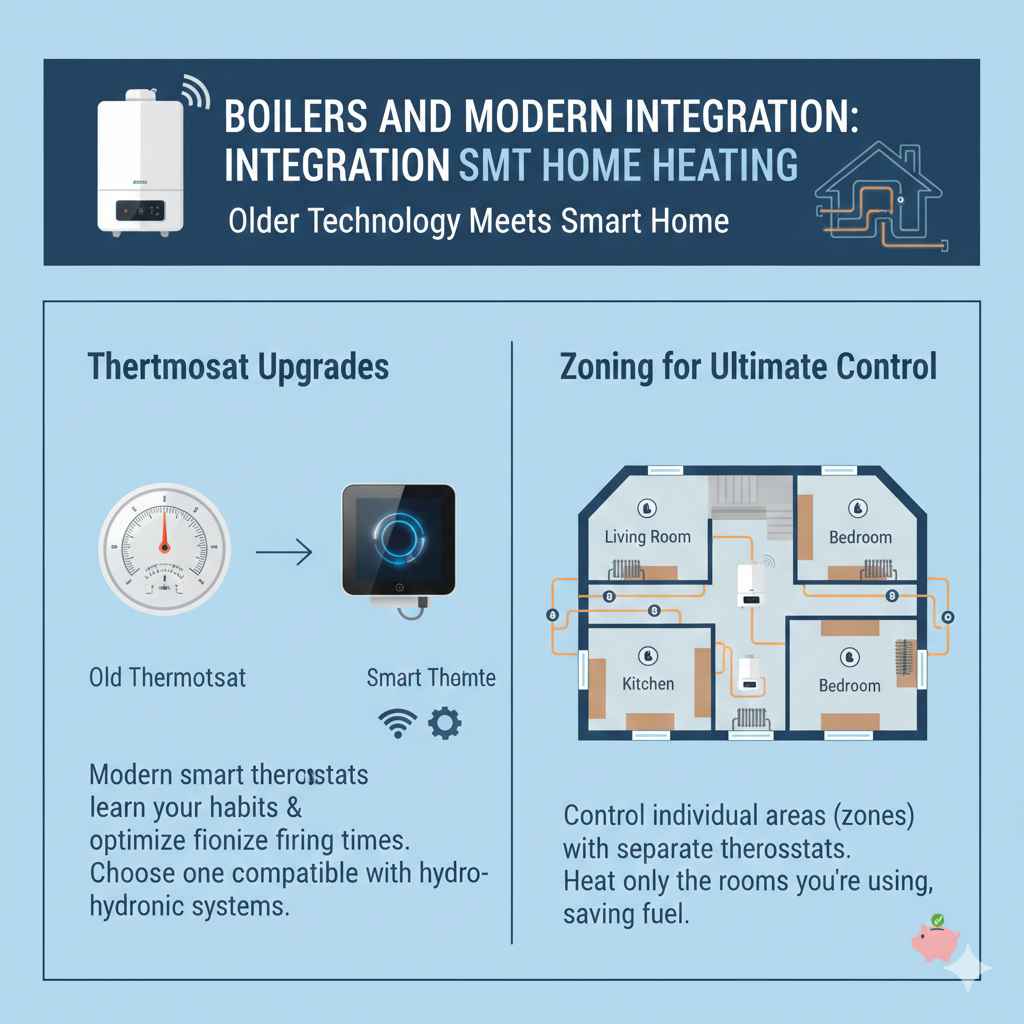
Boilers and Modern Integration: Smart Home Heating
Being an older technology doesn’t mean boilers are stuck in the past. Modern condensing boilers are designed to work perfectly with the latest smart home technology, often increasing their efficiency even further.
Thermostat Upgrades
If you have an old, mechanical thermostat connected to your boiler, upgrading to a smart thermostat (like Nest or Ecobee) can offer massive savings. Smart thermostats learn your habits and can even communicate with your boiler to optimize firing times.
For boiler systems, it is crucial to choose a smart thermostat compatible with hydronic systems. Some basic Wi-Fi thermostats are designed primarily for simple on/off forced air systems and might not communicate effectively with the boiler’s complex demands for water temperature.
Zoning for Ultimate Control
One of the biggest advantages you can add to any boiler system is Zoning. Zoning uses individual thermostats in different areas (zones) of your home, along with electronic valves and sensors, to control exactly which radiators get hot water and when.
Imagine: You only heat the living room and kitchen during the day, while the upstairs bedrooms stay cool until bedtime. Zoning saves fuel by ensuring you aren’t paying to heat rooms you aren’t using. Most modern system and combi boilers are easily adaptable to two or three zones.
Frequently Asked Questions About Boiler Heating
Why is my boiler making a banging or kettling noise?
Banging or “kettling” usually means scale (mineral buildup) has formed on the heat exchanger inside the boiler. This buildup traps small pockets of water that rapidly boil, creating steam bubbles that collapse loudly. It’s a sign that the boiler needs professional cleaning (power flushing) and may be overheating.
Can I use an electric boiler if I don’t have gas lines?
Yes, electric boilers are a viable, vent-free option. They are very clean to operate since they produce no local emissions. However, electricity is often more expensive than gas or oil where available, meaning your monthly running costs might be higher, even though the unit itself is often cheaper to install.
How often should I bleed my radiators connected to a boiler?
You should typically check and bleed radiators once a year, usually at the start of the heating season. If you notice a radiator is cold at the top while the boiler is running, bleed it immediately. This indicates trapped air is preventing the hot water from circulating properly.
What is the expansion tank, and why is it important?
The expansion tank is a small tank (usually metal with an air bladder inside) connected to the boiler loop. As water heats up, it expands. The expansion tank provides space for this extra volume, preventing dangerously high pressure buildup in the sealed system. If it fails, the system pressure relief valve may constantly drip or discharge.
Do I need a separate water heater if I have a boiler?
It depends on the boiler type. If you have a modern Combi Boiler, no, it heats hot water on demand—no separate tank is needed. If you have a Standard System Boiler, yes, it usually heats water stored in a separate, unpowered hot water cylinder tank.
Is boiler heat better for humidity than furnace heat?
Yes, generally. Furnaces dry the air out significantly as they blow hot air across a heating element or heat exchanger. Boiler hydronic heat adds no moisture but also doesn’t actively strip moisture from the air, leading to a more naturally comfortable humidity level in your home.
Conclusion: Your Confident Guide to Boiler Comfort
You now have a solid understanding of what heating type a boiler represents: a powerful, proven hydronic system that uses hot water or steam to deliver gentle, consistent, and radiant heat throughout your home. Boilers are essential precisely because they offer reliable, comfortable warmth without the dust and dry air often associated with forced-air furnaces.
Whether you have an older, reliable conventional model or a cutting-edge, space-saving combi unit, maintaining it annually, checking the system pressure regularly, and exploring smart zoning options are the best ways to ensure longevity and efficiency. By understanding that your boiler relies on the physics of heated water moving through closed loops, you are empowered to maintain a cozy, efficient home season after season. Keep your system clean, professionally checked, and enjoy the quiet, even comfort that only a hydronic boiler can deliver!