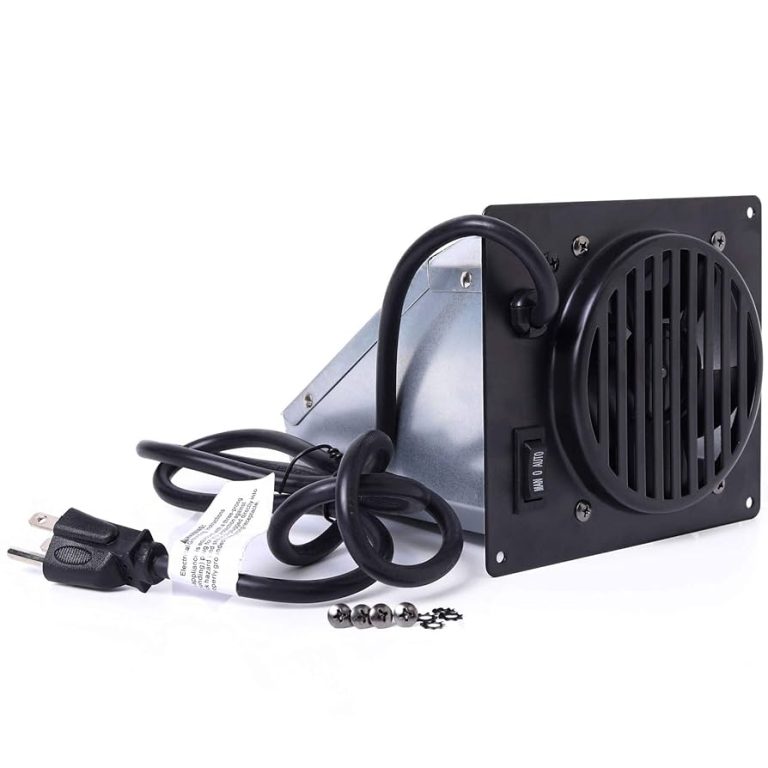
Are Ventless Garage Heaters Safe to Use?
Ventless garage heaters are only a safe fit in a detached, dry, well-sealed garage with an appliance listed for indoor use and the right detector setup; if the garage is attached, used for storage or work, or leaks air, choose vented or electric heat. Poor placement can raise carbon monoxide risk and spread moisture, fumes, and condensation damage. This guide gives a garage-specific decision framework for safe use, red flags, and better alternatives.
What a ventless garage heater
Ventless gas heaters operate without external venting or a chimney. They burn gas indoors, release combustion byproducts into the room, and are often described as nearly 100% efficient. That efficiency does not remove the indoor air quality issues that matter most in a garage.
How ventless gas heaters work
These heaters pull oxygen from the surrounding air and burn either natural gas or propane. The heat stays in the space, but so do the byproducts, including carbon monoxide in small amounts, water vapor, and the effects of oxygen use. That tradeoff is why garage conditions matter more than the heater label alone.
An oxygen depletion sensor helps reduce risk by shutting the heater off when oxygen levels drop too low. It is a safety feature, not a license to ignore ventilation limits or clearance rules.
Natural gas vs. propane models
A natural gas ventless heater connects to a gas supply line and is often chosen for longer or continuous heating use. A propane ventless heater uses portable tanks, which can make it practical where no natural gas line exists. Both types still burn fuel indoors.
Propane units are commonly sold as wall-mounted blue flame or infrared heaters. Blue flame heaters heat air by convection, while infrared units warm people and objects directly. That difference affects comfort, but not the core garage-safety question.
Blue flame vs. infrared heating
Blue flame heaters move warmer air through a space, so they tend to suit larger garages with some air movement. Infrared heaters make sense when the goal is targeted warmth at a workbench or parking bay. Either style still needs the same safety check: fuel, air, occupancy, and storage.
Are ventless gas heaters safe in a garage?
Sometimes, but only under narrow conditions. A ventless gas heater may be acceptable in a detached garage with decent air exchange, limited occupancy, no running vehicles, and no nearby fuel or solvent storage. In attached, tightly sealed, or heavily used garages, the safer answer is usually no.
The main safety risks
The main hazards are carbon monoxide, oxygen depletion, and moisture. Gas-fueled ventless heaters can produce carbon monoxide, and that gas can build to unsafe levels if combustion air is limited or the heater malfunctions. They also consume oxygen, and they can release water vapor up to 1 gallon per hour. That moisture can condense on cold surfaces and create long-term damage.
Carbon monoxide can make a garage unsafe fast. Moisture acts more slowly, but it still matters. Rusted tools, peeling paint, swollen wood, and mold are common failure points in spaces that stay damp.
Why garages are different from living spaces
Garages are rarely treated like normal rooms in appliance manuals or code rules. They may contain vehicles, gasoline, solvents, lawn equipment, and dust. They may also have bigger temperature swings and tighter spots where combustion air gets blocked. That combination raises the risk of unsafe operation.
Attached garages are especially sensitive because fumes can move into the house. Even if the heater itself is indoors-rated, the garage setting can be stricter than a bedroom, basement, or shop area.
When the answer changes from maybe to no
The safe answer shifts to no when the garage is sealed enough that combustion air cannot replace what the heater uses, when vehicles idle inside, or when the space stores flammables. It also shifts to no if the appliance manual or local code does not allow garage installation.
Say your 2-car attached garage has a ventless propane heater and a lawn mower with a fuel can near the wall. That setup combines combustion, stored fuel, and a path to the house. A vented heater or electric heat is the better choice.
Garage safety decision table
This table turns the main garage variables into a practical decision. If more than one row fits your situation, use the more conservative recommendation.

| Garage type and setup | Fuel type | Ventilation and occupancy | Storage risk | Recommendation | Key warning signs and required safety gear |
|---|---|---|---|---|---|
| Detached garage, clear air path, occasional occupancy | Natural gas or propane | Some fresh-air exchange; occupied only during heating use | Low; no gasoline, solvents, or open fuel storage nearby | Acceptable with precautions | Use a listed indoor-use model, keep three feet from combustibles, follow the manual, and pair it with carbon monoxide monitoring in adjacent occupied space as directed by the appliance manual or local code; watch for stale air, soot, headaches, or a shutdown from the ODS |
| Detached garage used for short projects | Natural gas preferred | Door or window opening does not create a verified combustion-air path | Moderate; tools and finishes present | Only as supplemental heat | Use briefly, keep flammables away, and do not rely on a cracked window as proof of safe ventilation; add maintenance checks, clearances, and detector placement in occupied areas outside the garage |
| Attached garage, even if insulated | Any ventless gas | Variable air leakage; connection to the house | Moderate to high | Choose a vented or electric heater instead | Risk of fumes entering the house, moisture on shared walls, and CO migration; use a vented heater, ducted heat, or electric heat with code-compliant installation |
| Tightly sealed garage or one with little fresh air | Any ventless gas | Poor exchange; doors closed most of the time | Any | Choose a vented or electric heater instead | ODS may shut off the unit, but that is not a ventilation plan; signs include stuffy air, window fogging, or repeated shutdowns |
| Garage with cars running, warming up, or idling | Any ventless gas | Active exhaust in the space | Any | No-go case | Vehicle exhaust plus heater exhaust byproducts can stack quickly; do not operate a ventless heater in the same space as an idling vehicle |
| Garage storing gasoline, solvents, paint, or propane cylinders | Any ventless gas | Even with some ventilation | High | Choose a vented or electric heater instead | Open flames, pilot lights, hot surfaces, and fuel vapors are a bad mix; use non-combustion heat and keep all fuel storage per label and code limits |
Do ventless heaters need a carbon monoxide detector?
A carbon monoxide detector is a key safety layer, but it is not a cure-all. For garage use, the safer approach is to follow the appliance manual and local code for detector placement, then monitor the occupied area next to the garage or the connected living space if that is what the manufacturer allows.
What the detector can and cannot do
A detector can alert you to improper operation, blocked combustion air, or an appliance fault. It cannot make a sealed garage safe, and it cannot replace ventilation or a correct installation. It also cannot protect you if the heater is placed where code or the manual already forbids it.
Safer detector placement guidance
Many CO alarm makers and codes do not want a CO alarm in a garage because vehicle exhaust can trigger nuisance alarms. That is why placement needs to be checked before you buy the heater. In many homes, the better location is in adjacent occupied space, near sleeping areas, or wherever the appliance manual and local code direct.
The article should not be read as a blanket instruction to put a detector in the garage. The safer instruction is to use the detector where it can warn people without being confused by normal garage exhaust sources.
Why garage placement can be a problem
A garage may have exhaust from a car, truck, mower, or snow blower even when the heater is off. That can cause nuisance alarms and can also train people to ignore warnings. If the detector is constantly upset by vehicle exhaust, it stops being a reliable safety layer.
How much ventilation does a ventless heater need?
There is no universal cracked-window rule that proves safety. Ventless heaters use room air for combustion, so the real question is whether the garage meets the manufacturer’s combustion-air instructions and the applicable code. If it does not, the setup is too tight for gas combustion.
Why cracked windows are not a full answer
A window cracked open a little may feel safer, but it does not confirm airflow, oxygen supply, or dilution of combustion byproducts. Weather, wind, screen mesh, and garage layout can all change the actual air exchange. That is why the manual and code matter more than a guessed opening size.
Combustion air and manufacturer instructions
Read the heater label, installation manual, and any local rule that applies to garages. If the appliance requires minimum room volume, clearance, or a specific fresh-air opening, those are the limits to use. If the garage cannot meet them, do not try to compensate with hope or habit.
Signs the garage is too sealed
Repeated ODS shutdowns, lingering combustion smell, fogged windows, visible condensation, or headaches during use are warning signs. So are dark soot marks, pilot instability, and a heater that behaves differently on windy days or when the garage door stays shut.
Suppose a detached garage has a ventless natural gas heater and the windows fog within 20 minutes on a cold day. That is not a small annoyance. It means moisture is building faster than the space can handle, and the setup needs more than a window crack to be acceptable.
What risks come with a ventless propane garage heater?
Propane units add portability, but they also add storage and ignition concerns. Ventless propane heaters draw oxygen from the room where they are located, so they still need good air conditions. The fuel cylinder itself also raises handling and leak-risk questions that a hard-piped gas system does not.
Portable tank use and storage cautions
Propane cylinders should be stored and handled according to the cylinder and heater instructions, away from heat sources and ignition points. A garage that already stores fuel, oils, or paint is a less forgiving place for a portable propane setup than a clean, detached utility space.
Ignition risk near gasoline and solvents
Blue flame propane heaters are often described as up to 99.9% combustion efficiency, but high efficiency does not remove flame risk. A garage with gasoline cans, solvent rags, aerosol products, or a vehicle fuel leak should not be treated like a normal living room.
Moisture and condensation issues
All ventless gas heaters add water vapor to the room air. Over time, that can lead to rust on tools, corrosion on fasteners, stained drywall, and mold in damp corners. The problem is worse in uninsulated garages, where cold surfaces make condensation more likely.
When should you choose a vented or electric heater instead?
Choose a vented or electric heater when the garage is attached, tightly sealed, frequently occupied, or used for storage of fuels and chemicals. Those spaces raise the cost of a mistake. A vented or electric option removes the indoor combustion burden and usually fits the garage better.
Sealed or attached garages
If the garage leaks into the house, or the house leaks into the garage, do not treat ventless gas heat as the default choice. A vented heater sends combustion byproducts outdoors. Electric heat avoids indoor combustion altogether.
Garages with cars running
If the heater would run in a space where a vehicle starts, idles, or warms up, do not use a ventless model. That is a clear no-go case. Vehicle exhaust and heater exhaust byproducts do not belong in the same enclosed space.
Garages with sensitive storage or frequent occupancy
If you store tools, electronics, paint, paper goods, or finished wood, moisture can become a slow but expensive problem. If people spend long stretches in the garage, indoor air quality matters more. In those cases, vented heat or electric heat is usually the safer long-term choice.
Pre-use safety checklist
- Check the heater manual for garage approval and installation limits.
- Confirm local code rules for ventless gas appliances in garages.
- Verify the garage type: detached, attached, sealed, or shared with the house.
- Keep at least three feet from combustibles unless the manual requires more.
- Review combustion-air needs instead of relying on a cracked window.
- Do not place the heater under windows because condensation can collect there.
- Keep gasoline, solvents, paint, and propane cylinders away from the heater.
- Use carbon monoxide monitoring in the location approved by the manual or code, and add smoke detection where appropriate.
- Check the ODS and other safety shutoffs during routine maintenance, then clean dust and debris from the unit.
Frequently asked questions
Are ventless gas heaters safe?
They can be safe in the right space, but they still burn fuel indoors and release combustion byproducts into the room. That means carbon monoxide, oxygen use, and moisture remain part of the equation. A well-sealed, detached garage with proper installation is a very different case from a leaky or attached garage.
Are ventless heaters safe in a garage?
Sometimes, but generally only in a detached garage that meets the heater’s combustion-air and clearance requirements and has low storage risk. If the garage is attached, heavily used, or used around cars and fuel cans, the safer call is usually a vented or electric heater instead.
Are ventless natural gas heaters safe to use indoors?
They can be used indoors only when the appliance is listed for indoor use and the room meets the manufacturer’s and code’s requirements. A garage is not automatically suitable just because it is indoors. The space still needs proper air, clearance, and a placement plan for detectors.
Are non vented gas heaters safe?
They are safer in some spaces than in others, but they are never risk-free. The key limits are oxygen supply, carbon monoxide, moisture, and clearance from combustibles. In a garage with fuel storage, poor air exchange, or vehicle exhaust, the risk is high enough to avoid them.
Do ventless garage heaters need a carbon monoxide detector?
Yes, carbon monoxide monitoring is recommended, but garage placement must follow the alarm maker’s instructions and local code. Many garages are poor alarm locations because vehicle exhaust can trigger false alarms. In many homes, the better placement is in adjacent occupied space rather than in the garage itself.
Can a ventless heater cause condensation or mold in a garage?
Yes. Ventless heaters can release water vapor up to 1 gallon per hour, which can condense on cold walls, doors, and tools. Over time, that moisture can support mold growth, rust, and peeling finishes. If condensation already shows up in the garage, a ventless gas heater is a poor fit.