Are Electric Pool Heaters Expensive to Run: Essential Guide
Are Electric Pool Heaters Expensive to Run? This Guide Breaks It Down.
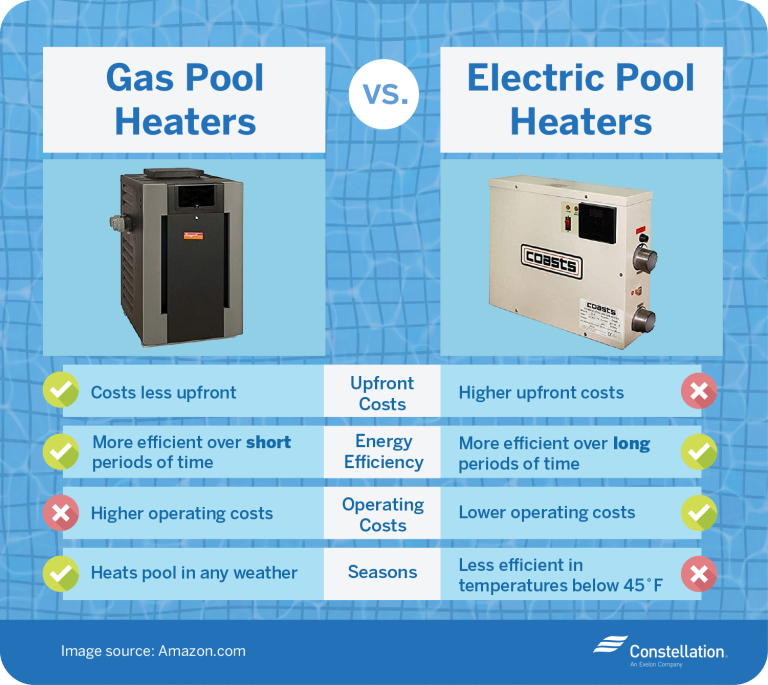
Electric pool heaters can be cost-effective to run, especially compared to gas heaters in certain scenarios, and their energy efficiency is impressively high. The actual cost depends on factors like your local electricity rates, pool size, desired temperature, and how often you use it. We’ll help you understand the running costs so you can make an informed decision for a perfectly warm pool.
Hello wonderful homeowners! Dreaming of those perfect, balmy swims without the shock of a sky-high energy bill? It’s a common worry when considering an electric pool heater: “Are they expensive to run?” Many folks think electric equals expensive, but that’s not always the case, especially when it comes to keeping your pool toasty warm. Think of me, Tanim, your friendly guide to all things cozy and heated. I’m here to make understanding pool heating simple, so you can enjoy your swimming oasis with confidence and without breaking the bank. Let’s dive in and demystify those running costs together!
Understanding How Electric Pool Heaters Work
Electric pool heaters are marvels of modern efficiency. Unlike their gas-powered cousins, they don’t burn fuel. Instead, they use electricity to power a heating element, much like a giant kettle. When electricity flows through this element, it heats up, and a pump pushes your pool water through it, warming it as it circulates back into your pool. This process is incredibly efficient, meaning most of the electricity used is converted directly into heat for your water.
This direct conversion is a key reason why electric heaters are often more efficient than other heating methods. They don’t lose energy through exhaust gases, which is a common issue with gas heaters. This efficiency translates to lower energy consumption for the amount of heat produced, which is super important when we start talking about running costs.
Key Factors Affecting Electric Pool Heater Running Costs
So, are electric pool heaters expensive to run? The answer isn’t a simple yes or no. Several things play a big role:
1. Your Local Electricity Rates
This is arguably the biggest factor. Electricity prices vary significantly by region and even by time of day in some areas. If your local electricity is cheap, running an electric heater will be much more affordable than if it’s expensive. You can usually find your electricity rate on your utility bill or by checking your provider’s website.
2. Pool Size and Volume
A larger pool requires more energy to heat than a smaller one. Think of it like heating a small bathroom versus heating a large living room – it takes more effort and energy for the bigger space. The volume of water in your pool directly impacts how much energy is needed to raise its temperature.
3. Desired Temperature and Ambient Air Temperature
Do you like your pool at a tropical 85°F (29°C) or a slightly cooler 78°F (25°C)? The higher you want the temperature, the more energy your heater will use. Also, if you live in a cooler climate and want to swim when the air is cold, your heater will have to work much harder to combat heat loss. The greater the difference between your desired pool temperature and the surrounding air temperature, the higher your running costs will be.
4. Usage Habits and Seasonality
How often do you plan to heat your pool? Are you looking to extend your swimming season by a few weeks a year, or do you want a consistently warm pool throughout the year? Heating a pool from cold every day will obviously cost more than maintaining a temperature you’ve already reached or only heating it on the weekends.
5. Heater Efficiency (Energy Factor)
Not all electric pool heaters are created equal. They have an energy factor (EF) rating, which indicates their efficiency. A higher EF means the heater is more efficient and will cost less to run for the same amount of heat produced. Modern electric resistance heaters typically have an EF of around 1, meaning they convert nearly all electrical energy into heat. However, another type, the heat pump pool heater, is significantly more efficient and can have an EF of 4-6. We’ll discuss these differences more below!
6. Pool Cover Usage
This is a simple yet very effective way to save money. A pool cover acts like a blanket for your pool, significantly reducing heat loss through evaporation. Studies by the U.S. Department of Energy suggest that using a pool cover can reduce heat loss by up to 95%!
Types of Electric Pool Heaters and Their Running Costs
When people talk about electric pool heaters, they often mean two main types: electric resistance heaters and electric heat pumps. They both use electricity, but they work very differently, leading to vastly different running costs.
1. Electric Resistance Pool Heaters
These are the simpler type. They work by passing pool water over an electric heating element, similar to a toaster or a hairdryer. They heat the water directly and quickly.
Pros:
- Lower initial purchase cost.
- Compact size and easy installation.
- Heats water very quickly, providing instant warmth.
- Reliable in very cold weather when heat pumps might struggle.
Cons:
- High running costs. They consume a lot of electricity to generate heat directly.
- Less energy-efficient compared to heat pumps.
Running Cost Consideration: Because they convert electricity directly to heat at a 1:1 ratio (or close to it), their running costs are generally the highest among electric options. They are best suited for smaller pools, spas, or for occasional heating needs where the quick heating time is more important than long-term energy savings.
2. Electric Heat Pump Pool Heaters
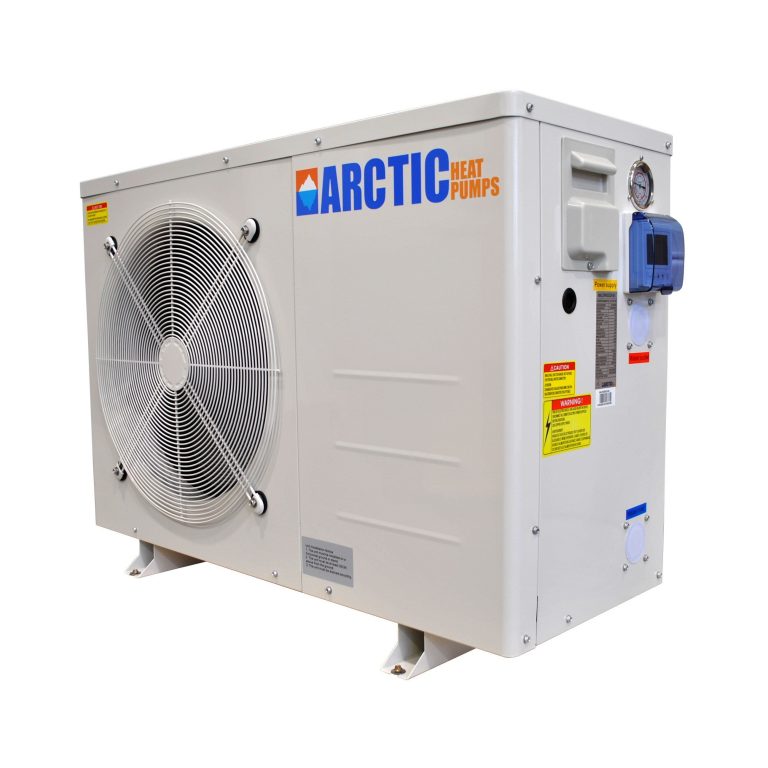
These are much more energy-efficient. Instead of generating heat directly from electricity, they work like a reverse air conditioner. They pull heat from the surrounding air, even on cool days (though efficiency decreases as air temperature drops), and transfer it to your pool water.
Pros:
- Much lower running costs compared to electric resistance heaters.
- Highly energy-efficient; can deliver more heat energy than the electrical energy they consume.
- Environmentally friendlier due to lower energy usage.
Cons:
- Higher initial purchase price.
- Slower to heat the pool initially.
- Efficiency drops significantly in very cold air temperatures (typically below 45-50°F or 7-10°C).
- Require more space for installation due to their size and airflow needs.
Running Cost Consideration: Heat pumps are the champions of energy efficiency. For every unit of electricity they use, they can transfer 4 to 6 units of heat to the water. This means they can be significantly cheaper to run than resistance heaters, often comparable to or even cheaper than natural gas heaters in many areas, especially depending on local utility rates. You can learn more about how heat pumps work on the Energy.gov website.
Estimating Your Electric Pool Heater Running Costs
Let’s look at some scenarios to get a clearer picture. Remember, these are estimates, and your actual costs will vary.
Here’s a basic formula to estimate the cost of heating your pool with an electric resistance heater:
Cost = (Pool Volume in Gallons / Heater Efficiency) Temperature Rise (Electricity Rate per kWh / 1,000,000)
Pool Volume in Gallons: The amount of water in your pool.
Heater Efficiency: For resistance heaters, this is effectively 1 (or 100%). For heat pumps, it’s their Energy Factor (e.g., 4 to 6).
Temperature Rise: The difference between your current water temperature and your desired temperature.
Electricity Rate per kWh: Your local electricity cost (e.g., $0.15 per kWh).
Let’s use an example for a 15,000-gallon pool with an electricity rate of $0.15 per kWh.
Scenario 1: Electric Resistance Heater
- Desired temperature rise: 10°F (e.g., from 70°F to 80°F)
- Heater size: 11.2 kW (a common size that can raise 15,000 gallons by ~10°F in about 24 hours, though this depends heavily on ambient temp and other factors)
To raise the temperature by 10°F, the heater will likely run for about 24 hours.
Total Energy Used = 11.2 kW 24 hours = 268.8 kWh
Cost = 268.8 kWh $0.15/kWh = $40.32
This is for a single 10°F temperature rise. If you need to maintain that temperature, and your pool is losing heat, the heater will cycle on and off, but it will still be consuming a lot of power to make up for that loss.
Scenario 2: Electric Heat Pump Heater
- Desired temperature rise: 10°F
- Heater size: 12.5 kW (a common heat pump size)
- Energy Factor (EF): 5 (meaning it delivers 5 units of heat for every 1 unit of electricity)
To achieve the same 10°F rise, a heat pump would use only about 1/5th of the electricity of a resistance heater.
Electricity needed for 10°F rise = (Energy for resistance heater) / EF
Electricity needed = 268.8 kWh / 5 = 53.76 kWh
Cost = 53.76 kWh * $0.15/kWh = $8.06
This is for a single 10°F temperature rise. Maintaining temperature would also be far more economical.
Comparison Table: Estimated Running Cost for a 10°F Temperature Rise (15,000 Gallon Pool)
| Heater Type | Typical Size (kW) | Energy Factor (EF) | Estimated kWh Used | Estimated Cost (@ $0.15/kWh) |
|---|---|---|---|---|
| Electric Resistance | 11.2 | 1 | 268.8 kWh | $40.32 |
| Electric Heat Pump | 12.5 | 5 | 53.76 kWh | $8.06 |
As you can clearly see from the table and the calculations, electric heat pumps are substantially more economical to run than electric resistance heaters for everyday pool heating needs. While the upfront cost of a heat pump is higher, the long-term savings on your electricity bill can make it a much smarter investment.
Tips to Reduce Running Costs for Any Electric Pool Heater
Regardless of which type of electric heater you choose, there are smart ways to keep your running costs as low as possible:
1. Invest in a Good Quality Pool Cover
As mentioned, this is the single most effective strategy. A cover dramatically reduces heat loss, meaning your heater has to work less. Solar covers, safety covers, or automatic covers all contribute to significant energy savings. For the best results, keep your cover on whenever the pool is not in use.
The U.S. Department of Energy provides excellent resources on pool covers and their impact on energy savings. Check out their recommendations here.
2. Use a Thermostat Wisely
Don’t set your desired temperature higher than necessary. Every degree counts! Often, a few degrees cooler can still feel perfectly comfortable but save you a considerable amount on energy bills. Consider lowering the temperature when guests are not using the pool or overnight.
3. Optimize Heater Usage
- For Heat Pumps: Aim to heat when the air temperature is warmest. This typically means operating it during daylight hours and early evening. This will maximize its efficiency.
- For Resistance Heaters: Use them for quick boosts of heat rather than continuous operation, or for heating smaller bodies of water like a spa.
- Consider Timers: If your utility offers time-of-use rates, use a timer to ensure your heater runs during off-peak hours when electricity is cheaper.
4. Choose the Right Size Heater
An undersized heater will run constantly without reaching the desired temperature, wasting energy. An oversized heater might heat quickly but cycle off frequently and can be more inefficient. Consult with a professional to ensure you get a heater sized correctly for your pool and climate.
5. Maintain Your Heater
A well-maintained heater runs more efficiently. For heat pumps, ensure air vents are clear and filters are clean. For resistance heaters, check for mineral buildup on the heating elements. Regular professional servicing can catch small issues before they become energy-draining problems.
6. Consider a Solar Cover
Solar covers not only prevent heat loss but also absorb solar energy during the day, adding free heat to your pool water. This can reduce your reliance on the electric heater significantly.
7. Insulate Your Pool Plumbing
Especially for heat pumps, insulating the pipes that carry water to and from the heater can prevent heat loss, ensuring more of the generated warmth makes it into your pool.
Are Electric Pool Heaters Expensive to Run? The Smart Homeowner’s Verdict
Let’s circle back to our main question: “Are electric pool heaters expensive to run?” If you’re talking about electric resistance heaters, then yes, they can be quite expensive for continuous pool heating. They are like the gas guzzlers of the pool heating world – quick and effective, but costly in the long run for keeping your entire pool consistently warm.
However, if you’re considering an electric heat pump pool heater, the answer is a resounding no, they are not necessarily expensive to run. In fact, they are often among the most cost-effective ways to heat a pool, frequently beating the running costs of natural gas heaters, especially when electricity rates are favorable or when leveraging their high efficiency (Energy Factor of 4-6).
The key is understanding the technology and making smart choices. For homeowners looking to extend their swimming season or keep their pool comfortably warm for extended periods, an electric heat pump, combined with diligent use of a pool cover and smart thermostat settings, is a fantastic and increasingly popular choice. It offers a great balance of comfort, efficiency, and long-term cost savings.
Frequently Asked Questions About Electric Pool Heater Running Costs
What is the average running cost of an electric pool heater?
It varies greatly. For an electric resistance heater, it could cost anywhere from $40 to $100+ per day to heat a large pool if it’s running constantly in cooler weather. For an electric heat pump, a similar heating task might cost only $8 to $20 per day, with significant savings when using a pool cover.
How much more does it cost to heat a pool with electricity versus gas?
Generally, electric resistance heaters are more expensive to run than natural gas heaters. However, electric heat pumps can be cheaper to run than natural gas heaters, depending on local utility rates. Natural gas prices fluctuate less than electricity prices, but a heat pump’s superior efficiency often makes up the difference.
Will an electric pool heater increase my electricity bill significantly?
An electric resistance heater will likely cause a significant increase. An electric heat pump, especially when used in conjunction with energy-saving practices like using a pool cover, should result in a more manageable increase, and often a more cost-effective solution than other heating methods when considered over time.
How can I make my electric pool heater cheaper to run?
The most effective ways are to use a high-quality pool cover whenever the pool is not in use, set your thermostat to the lowest comfortable temperature, optimize your heater’s operating times (e.g., off-peak hours if applicable), and ensure your heater is properly sized and maintained.
When is the best time to run an electric pool heater to save money?
For heat pumps, running them during the warmest parts of the day (daylight hours) maximizes their efficiency. If your utility offers time-of-use pricing, run the heater during off-peak hours when electricity costs are lower. For electric resistance heaters, it’s generally best to use them sparingly for quick heating needs.
Are electric pool heaters suitable for colder climates?
Electric resistance heaters can work in any temperature. However, their high running costs make them impractical for extensive use in cold climates. Electric heat pumps become less efficient as the air temperature drops significantly below 50°F (10°C), making them less ideal for year-round heating in very cold regions without supplemental heating solutions.
Conclusion: Swim Smarter, Save More
Navigating the world of pool heating can feel complex, but understanding the running costs of electric pool heaters brings clarity. The initial thought that “electric equals expensive” often stems from experiences with electric resistance heaters, which can indeed be costly for daily use. However, the game-changer in electric pool heating is the heat pump. With its remarkable efficiency, an electric heat pump can offer a comfortable pool temperature with surprisingly affordable running costs, often rivaling and even surpassing natural gas heaters in terms of long-term economy.