

Are you trying to find the best way to heat your home this winter? Choosing between electric baseboard heaters and pellet stoves can feel confusing.
Both have their benefits, but which one fits your needs and budget better? You’ll discover the key differences, costs, and efficiency of each option. By the end, you’ll feel confident about making the right choice for your comfort and your wallet.
Keep reading to find out which heating solution is perfect for you.
Electric Baseboard Heaters
Electric baseboard heaters offer a simple way to heat rooms. They are common in many homes and easy to use. These heaters provide steady warmth by using electricity to heat metal fins inside the unit. The heat then spreads through the room by natural air flow.
They work quietly and do not take much space. This makes them a popular choice for small rooms or areas without central heating. Understanding how they work, installation, energy use, cost, and upkeep helps decide if they suit your home.
How They Work
Electric baseboard heaters use electric resistance to create heat. When electricity passes through wires inside, they warm up metal fins. These fins heat the air near the heater. Warm air rises, pulling cooler air into the heater. This cycle spreads heat across the room.
Installation Process
Installation is straightforward but requires electrical work. The heater mounts on the baseboard near the floor. It connects to the home’s electrical panel with a dedicated circuit. Hiring a licensed electrician ensures safety and code compliance. Installation time depends on room size and wiring needs.
Energy Efficiency
Electric baseboard heaters convert almost all electricity into heat. This means nearly 100% efficiency at the point of use. However, electricity costs can be higher than other fuels. Efficiency varies with room insulation and thermostat settings. Using programmable thermostats can reduce energy waste.
Cost Considerations
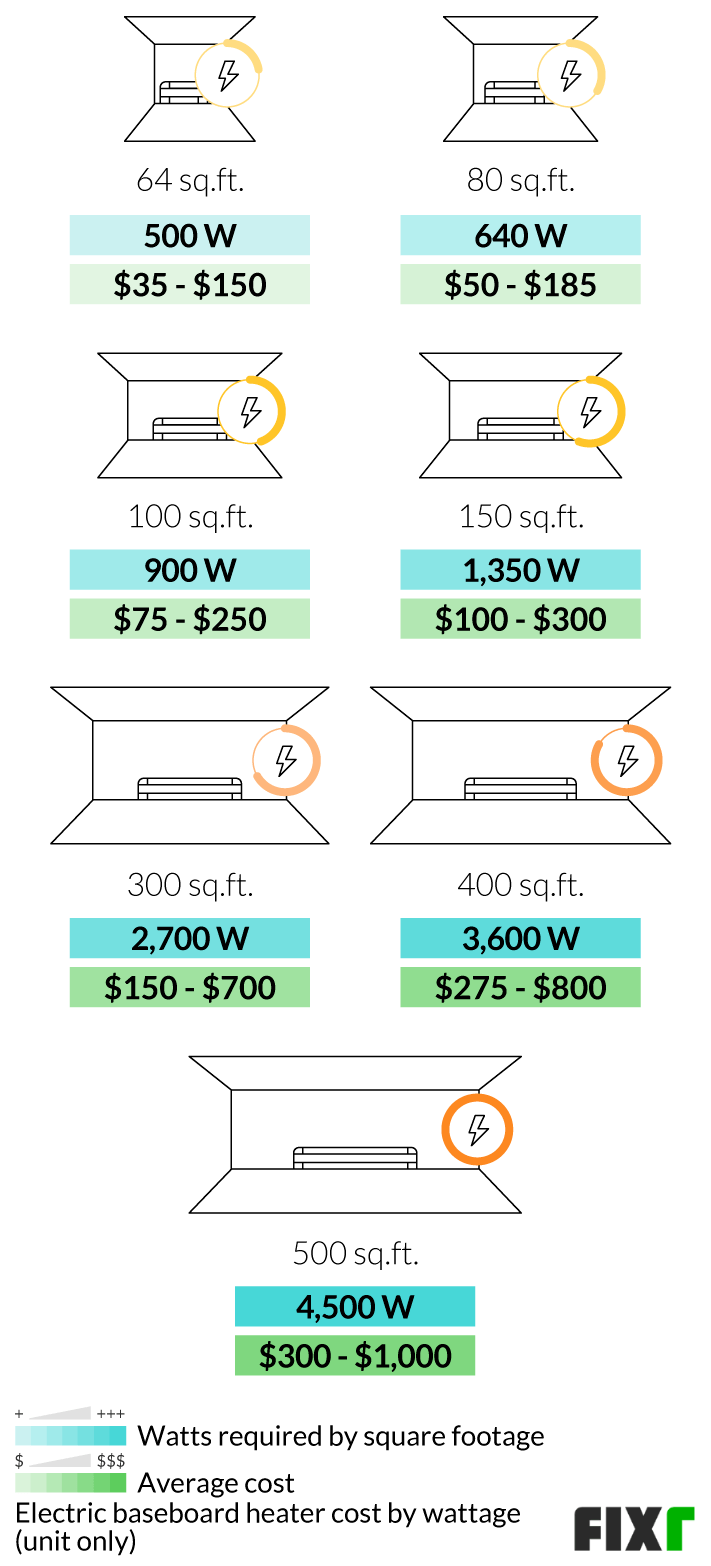
Baseboard heaters have low upfront costs. They are cheaper to buy and install than many heating systems. Operating costs depend on electricity prices and heater usage. Running them for long periods can increase energy bills. They are best for supplemental heat or smaller spaces.
Maintenance Needs
Maintenance is minimal for electric baseboard heaters. Regular dusting keeps the fins clean and efficient. Avoid blocking the heater with furniture or curtains. Check wiring periodically for damage or wear. Professional inspection every few years helps maintain safety.

Pellet Stoves
Pellet stoves offer a unique way to heat homes. They burn small wood pellets to create warmth. These stoves are popular in areas where wood fuel is affordable. They provide a cozy and steady heat source. Understanding how pellet stoves work helps to see their benefits and limits.
Operating Mechanism
Pellet stoves use an electric motor to feed pellets into a burn pot. The pellets ignite and burn, producing heat. A fan circulates warm air into the room. The stove controls the burn rate to keep the temperature steady. This system makes pellet stoves efficient and easy to use.
Installation Requirements
Installing a pellet stove needs a vent to release smoke outside. It requires a power source for the motor and fans. Placement should allow space for refilling pellets. Many people install them in living rooms or basements. Professional installation ensures safety and proper function.
Fuel Efficiency
Pellet stoves burn fuel very efficiently. They convert most of the pellet energy into heat. Pellets produce little ash and smoke. This makes them cleaner than traditional wood stoves. The steady burn helps save fuel over time.
Expense Factors
The initial cost of a pellet stove is higher than some heaters. Fuel costs vary depending on pellet prices in the area. Installation expenses include venting and electrical work. Operating costs are usually lower than electric heaters. Regular pellet supply is necessary for continuous use.
Upkeep And Cleaning
Pellet stoves need regular cleaning to work well. Ash must be removed from the burn pot often. The hopper and feed system require occasional checks. Fans and vents should be cleaned yearly. Proper upkeep extends the stove’s life and efficiency.
Heating Performance Comparison
Choosing the right heating system means understanding how well it performs. Electric baseboard heaters and pellet stoves offer different heating experiences. This section compares their heating performance. It covers how they spread heat, warm up, control temperature, and manage noise.
Knowing these details helps you pick the best option for your home and comfort needs.
Heat Distribution
Electric baseboard heaters send heat directly from the wall. They warm the air near the floor, which then rises slowly. This can cause uneven warmth in larger rooms. Pellet stoves spread heat using a fan. This pushes warm air around the space faster. Pellet stoves often heat rooms more evenly than baseboard heaters.
Warm-up Speed
Baseboard heaters start working quickly. They produce heat as soon as they turn on. Pellet stoves take longer to warm up. They need time to ignite pellets and build heat. For fast heat, baseboard heaters have an advantage. Pellet stoves suit steady, longer heating periods better.
Temperature Control
Electric baseboard heaters use simple thermostats. They switch on and off to keep the set temperature. Pellet stoves have more advanced controls. They adjust pellet feeding to control heat output. This allows more precise temperature settings. Pellet stoves can maintain a steady temperature with less fluctuation.
Noise Levels
Baseboard heaters operate silently. They have no moving parts or fans. Pellet stoves use fans to blow warm air. These fans create some noise, usually a soft hum. Noise levels depend on the stove model. Quiet pellet stoves are available but baseboard heaters remain the quietest option.
Environmental Impact
The environmental impact of heating systems is an important factor for many homeowners. Choosing between electric baseboard heaters and pellet stoves affects air quality and natural resources. Each system has different effects on the environment. Understanding these differences helps make a better choice for a greener home.
Emissions And Pollution
Electric baseboard heaters do not produce direct emissions. They use electricity to generate heat. The pollution depends on how the electricity is made. If power comes from coal or gas, emissions rise. Pellet stoves burn wood pellets, which create some smoke and ash. These emissions are lower than traditional wood stoves but still exist. Proper stove maintenance can reduce pollution levels.
Sustainability Of Fuel Sources
Electricity can come from many sources. Renewable energy like wind or solar makes it cleaner. Fossil fuel power increases environmental harm. Wood pellets come from compressed sawdust and wood waste. This makes use of leftover materials. Sustainable forestry practices keep pellet fuel renewable. Overharvesting wood can harm forests and wildlife. Choosing pellets from certified sources helps protect nature.
Safety Aspects
Safety is a key factor when choosing between electric baseboard heaters and pellet stoves. Both provide warmth but differ in risks and precautions. Understanding these safety aspects helps keep your home and family safe.
Fire Hazards
Electric baseboard heaters have low fire risk. They use electric coils that heat up safely. No open flames reduce fire chances. Still, dust buildup can cause overheating. Regular cleaning prevents this.
Pellet stoves burn wood pellets, creating real flames. This raises fire risks more than electric heaters. Sparks or hot ashes can escape if not managed well. Proper installation and use lower fire dangers.
User Precautions
For electric baseboard heaters, keep flammable items away. Maintain space around heaters to avoid heat buildup. Never cover the heater or block airflow. Check cords and plugs for damage.
With pellet stoves, follow the manufacturer’s rules strictly. Use only recommended pellets to avoid smoke or blockages. Clean the stove and chimney regularly. Install smoke and carbon monoxide detectors nearby.
Cost Analysis
Understanding the cost differences between electric baseboard heaters and pellet stoves helps you make a smart choice. Each heating option has unique expenses that affect your budget. This cost analysis breaks down the initial investment, ongoing costs, and long-term savings for both options.
Initial Investment
Electric baseboard heaters usually cost less upfront. They are simple to install and need little extra work. Pellet stoves require a higher initial cost. You must buy the stove and install a venting system. Installation can take longer and may require a professional.
Operating Expenses
Electric baseboard heaters use electricity, which can be expensive. Their running costs depend on local electric rates. Pellet stoves burn wood pellets, which tend to be cheaper. Pellet prices can vary by region and season. Pellet stoves also need regular maintenance and pellet refills.
Long-term Savings
Electric heaters have low maintenance costs but higher energy bills. Pellet stoves may save money over time due to lower fuel costs. They are more efficient in heating larger spaces. Choosing the right option depends on your home’s size and energy prices.
Ideal Usage Scenarios
Choosing between electric baseboard heaters and pellet stoves depends on where and how you want to heat your space. Each option fits different needs and home setups. Understanding the ideal usage scenarios helps you pick the right heater for your comfort and budget.
Electric baseboard heaters work best in small to medium rooms. They provide steady, quiet heat and are easy to control. Pellet stoves suit larger spaces or homes with open floor plans. They add a cozy ambiance with their warm flame and can heat multiple rooms.
Best Settings For Electric Baseboard
Set electric baseboard heaters to maintain a steady temperature. Use a thermostat to avoid overheating and save energy. Keep the temperature around 68°F (20°C) during the day. Lower it to 60-65°F (15-18°C) at night or when away. Avoid blocking the heaters to allow good air flow.
Best Settings For Pellet Stove
Pellet stoves work best on medium to high settings for strong heat output. Adjust the feed rate of pellets to control the flame size and heat. Use the stove’s thermostat or manual controls to keep the room comfortable. Clean the stove regularly to maintain efficiency and safety.

Frequently Asked Questions
What Are The Main Differences Between Baseboard Heaters And Pellet Stoves?
Electric baseboard heaters use electricity to generate heat, offering easy installation and low upfront cost. Pellet stoves burn compressed wood pellets, providing efficient, eco-friendly heating but require fuel storage and more maintenance.
Which Heating Option Is More Energy Efficient?
Pellet stoves are generally more energy efficient, converting more fuel into heat. Electric baseboard heaters are less efficient due to higher electricity costs and energy loss during conversion.
Are Pellet Stoves Environmentally Friendly Compared To Baseboard Heaters?
Yes, pellet stoves use renewable wood pellets and produce lower carbon emissions. Electric baseboard heaters depend on electricity, which may come from non-renewable sources, affecting their environmental impact.
How Do Installation Costs Compare Between Electric Heaters And Pellet Stoves?
Electric baseboard heaters have lower installation costs and are simpler to set up. Pellet stoves require higher installation costs due to venting needs and fuel storage setup.
Conclusion
Choosing between electric baseboard heaters and pellet stoves depends on your needs. Baseboard heaters are simple, quiet, and easy to install. Pellet stoves offer a cozy feel and use renewable fuel. Think about your budget, space, and heating preferences. Both options can keep your home warm during cold months.
Consider energy costs and maintenance before deciding. Your comfort matters most.
Last Updated on December 17, 2025 by Tanim