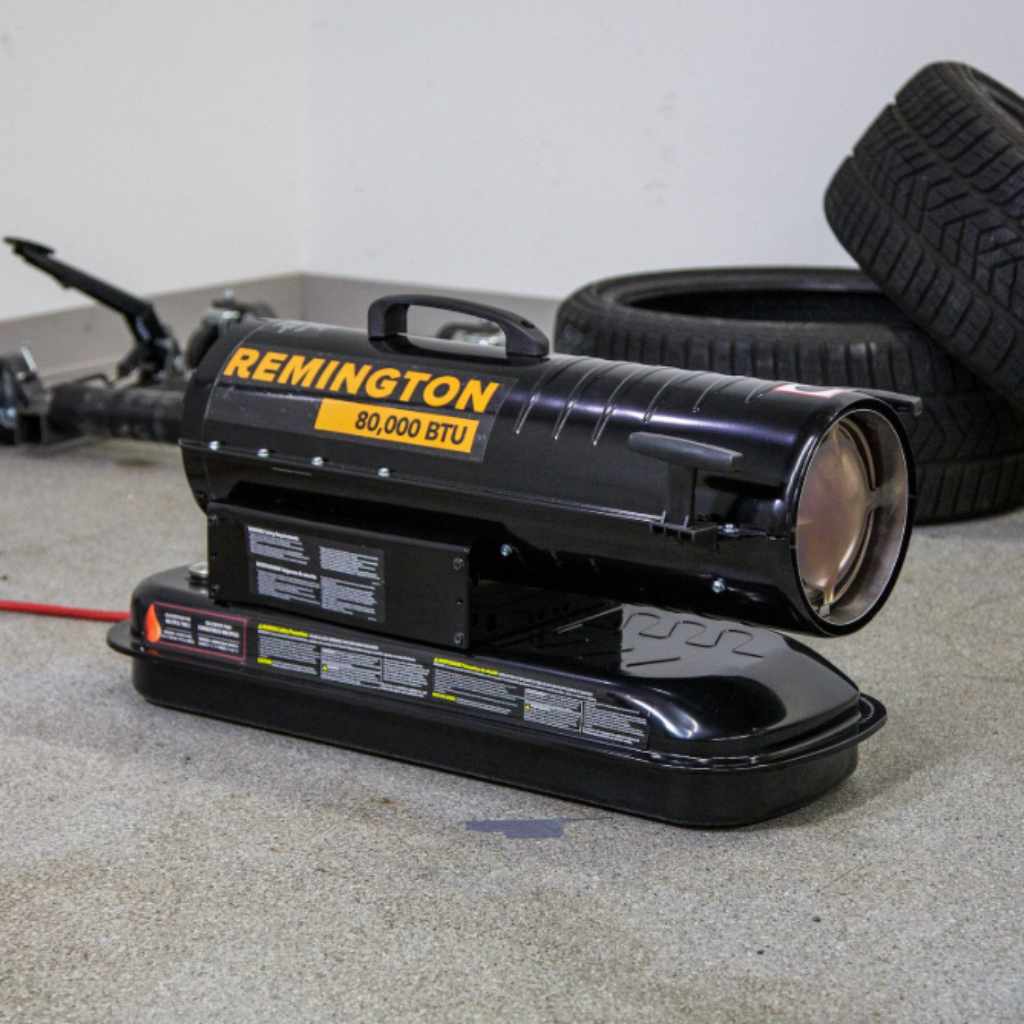
Propane Torpedo Heater Vs Kerosene: Proven Essential
Choosing between a propane torpedo heater vs kerosene boils down to site needs: Propane offers cleaner, odor-free spot heating perfect for enclosed job sites, while kerosene delivers intense, long-lasting heat ideal for large, well-ventilated areas in colder weather. Both are proven essentials, and this guide shows you which one fits your project best using simple comparisons.
Are you staring at two powerful-looking heaters—one burning propane and the other sipping kerosene—and feeling totally stuck? You are not alone! Choosing the right fuel source for a direct-fired construction or garage heater, often called a torpedo heater, is crucial for safety, comfort, and your wallet. Using the wrong type can lead to poor performance or dangerous fumes.
Don’t worry about complicated diagrams or confusing specs. I’m Tanim, and I’m here to clear up the smoke and mirrors. We are going to break down the propane torpedo heater versus kerosene comparison in ways that make perfect sense for homeowners and DIYers. By the end of this friendly guide, you will pick your heater with total confidence.
Understanding the Torpedo Heater: Your Heavy-Duty Companion
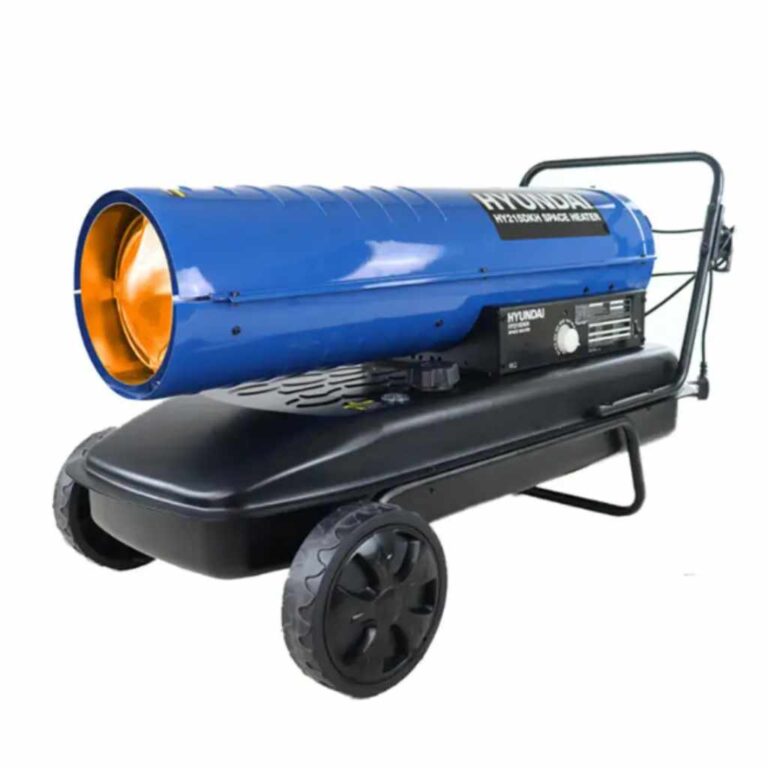
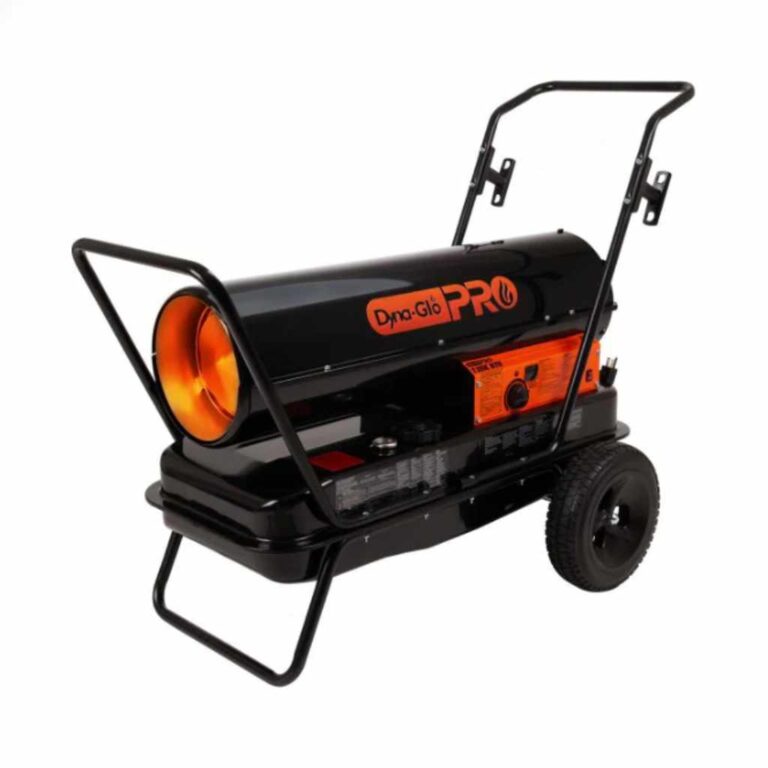
Before we dive into the fuel fight, let’s quickly agree on what a torpedo heater is. Think of it as a portable powerhouse designed to blast heat in large, tough spaces—like workshops, construction sites, barns, or very large garages. They get their name because they often have a long, cylindrical shape.
These heaters are “direct-fired.” This means the heat they generate goes straight into the space you are heating. They are fast, powerful, and usually rely on electricity to run a fan and ignition system, but the main heat comes from burning fuel.
The Great Showdown: Propane Torpedo Heater vs Kerosene Torpedo Heater
The main difference between these two workhorses comes down to what they burn. Propane (LPG) and Kerosene (K-1 grade the most common) behave very differently when ignited, which impacts everything from setup to venting requirements.
Propane Torpedo Heaters: Clean and Quick
Propane heaters are tremendously popular because they burn very cleanly. Propane tanks are easy to hook up, and the heat output is instant.
Pros of Propane Torpedo Heaters
- Cleaner Burn: Propane produces almost no soot or harsh odors. This is a massive advantage when working indoors or in semi-enclosed spaces.
- Instant Start: They heat up and deliver cozy warmth almost immediately after lighting.
- Fuel Portability: Propane tanks (like the standard 20 lb BBQ tank or larger ones) are easy to transport and store safely according to regulations, like those provided by the National Fire Protection Association (NFPA).
- Lower Maintenance: Due to the clean burn, they generally require less frequent cleaning of the burner components.
Cons of Propane Torpedo Heaters
- Fuel Efficiency Over Long Runs: Propane can be consumed quite rapidly in very cold temperatures, meaning you might swap tanks more frequently than if you were using kerosene.
- Temperature Dependency: Extremely cold temperatures can sometimes make maintaining the necessary vapor pressure in the tank difficult, slightly affecting performance unless you use larger tanks.
Kerosene Torpedo Heaters: Maximum Runtime and Intensity
Kerosene heaters are the traditional choice for heavy-duty heating where absolute runtime is key. They burn fuel slower than propane for the same BTU output, often providing longer, more economical heating sessions.
Pros of Kerosene Torpedo Heaters
- Extended Runtime: Kerosene holds more energy per gallon, meaning a full tank lasts significantly longer than a similarly sized propane tank, making them great for overnight or long workdays.
- Intense Heat: Kerosene often reaches higher peak temperatures, making it excellent for drying out concrete or quickly raising the temperature of very large, drafty spaces.
- Fuel Availability: Kerosene is widely available at gas stations and hardware stores.
Cons of Kerosene Torpedo Heaters
- Odor and Fumes: This is the biggest drawback. Kerosene produces noticeable fumes both while running and during startup/shutdown. They absolutely require excellent ventilation.
- Soot Production: They generate soot, requiring regular cleaning of the nozzle and combustion chamber to keep them running efficiently.
- Fuel Storage: Storing liquid fuel requires more care and appropriate containers compared to sealed propane tanks.
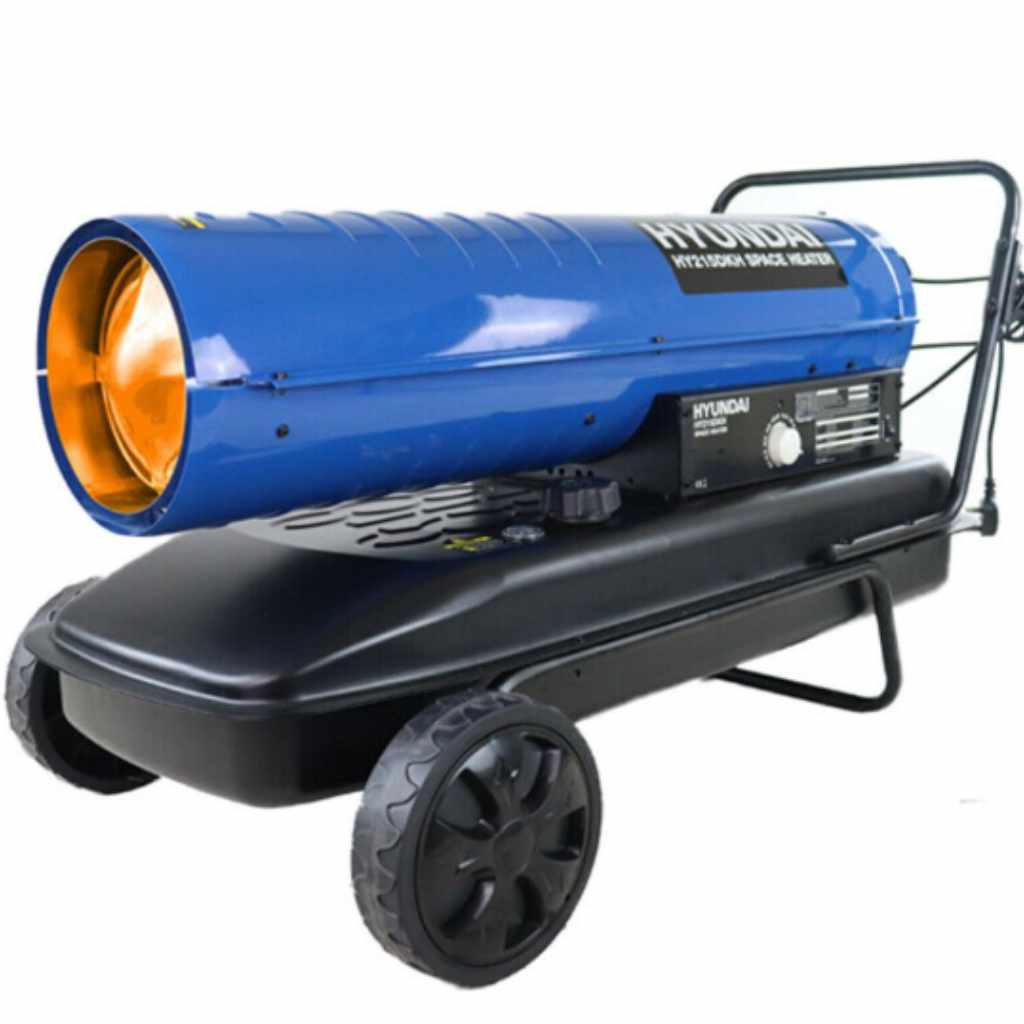
Direct Comparison Table: Propane vs. Kerosene
To help you visualize the difference quickly, here is a side-by-side comparison. Think of this as your cheat sheet when you are standing in the hardware aisle!
| Feature | Propane Torpedo Heater | Kerosene Torpedo Heater |
|---|---|---|
| Burn Cleanliness | Very Clean (Virtually Odorless) | Moderate Soot & Noticeable Odor |
| Ventilation Needs | Less Strict (Still needs airflow) | Strictly Required (High Carbon Monoxide Risk) |
| Runtime Efficiency | Faster consumption rate | Slower consumption rate (Longer runtime per gallon) |
| Startup Time | Very quick heat delivery | Slightly longer preheat time |
| Best Use Case | Indoor workshops, residential garages, concrete curing | Large construction sites, unheated barns, extremely cold conditions |
| Fuel Accessibility | Standard tanks (20lb, 100lb, etc.) | Liquid fuel (K-1 grade required) |
Making the Right Choice: Fueling Your Safety and Comfort
The “proven essential” heater isn’t one specific unit; it’s the one that matches your intended use environment safely. Here is how Tanim helps you decide based on three key factors: Where you use it, how long you need it, and the hassle factor.
1. Where Will You Be Heating? (Ventilation is Non-Negotiable)
Safety comes first, always. These are direct-fired heaters, meaning combustion byproducts enter the space. Carbon Monoxide (CO) is colorless and odorless—a major silent danger.
When Propane Shines Indoors:
If you are heating a residential attached garage, a leaky basement renovation site, or any space where you need to concentrate on detailed work, propane is usually the better fit. Its cleaner exhaust gives you peace of mind knowing you aren’t breathing heavy fumes while you work.
Why Kerosene Needs Wide Open Spaces:
You should only use kerosene torpedo heaters in areas where you have ample, verified fresh-air exchange. Think of large, open construction shells or outdoor covered areas. If you plan to run the heater for 8 hours straight while painting or doing finish carpentry indoors, stick to propane OR use an indirect-fired heater instead (which vents the exhaust outside).
2. Runtime and Cost Considerations
How long do you need the heat to last without stopping to refuel? This is where kerosene often wins.
A standard 5-gallon kerosene container will power a 100,000 BTU kerosene heater for many hours. If you need constant heat throughout the night for something like finishing concrete (which needs a steady temperature), kerosene might be more economical simply because you add fuel less often.
However, if you work in 4-hour bursts, the convenience and ease of swapping a propane cylinder might outweigh the fuel cost difference.
3. Ease of Setup and Maintenance
Have you ever tried pouring kerosene on a chilly morning? It can be messy! Propane is generally easier for the everyday user:
- Attach the regulator hose (usually included) to the propane tank.
- Turn the gas on.
- Push the igniter button. Done.
Kerosene requires you to:
- Ensure the tank is clean and the filter is clear.
- Pour the K-1 fuel slowly, being careful not to spill or leave air gaps.
- Wait through the warm-up cycle.
For the beginner or the casual user, propane offers unmatched simplicity.
The Importance of Fuel Grade and Handling Procedures
The wrong fuel grade can destroy your heater, cause dangerous soot buildup, or even lead to ignition failure. Always follow the manufacturer’s recommendation, but here are the general rules for the essential fuel types:
Propane Safety Checklist (LPG)
- Only use U.S. Department of Transportation (DOT) approved tanks.
- Keep tanks upright and secured when connected.
- Never use a propane heater in a living space without proper setup as per local codes.
Kerosene Care: K-1 is King
For almost all portable heaters in North America, you MUST use Kerosene labeled “K-1 Grade.”
What to avoid: Never, ever use gasoline, diesel, paint thinner, or furnace oil. These fuels burn far too hot or too inconsistently, leading to immediate, dangerous overheating, fire, or severe internal damage to your heater.
For best practices on safe fuel handling and storage, always refer to guidelines from organizations like the Consumer Product Safety Commission (CPSC).
Step-by-Step: Safely Operating Your Chosen Torpedo Heater
Whether you settled on propane or kerosene, the operational steps share a foundation built on common sense and safety. Follow these steps to ensure a reliable heat source every time.
Phase 1: Pre-Operation Safety Check (Do This Every Time!)
- Inspect the Area: Make sure the heater is placed on a level, non-combustible surface (like concrete). Ensure there are at least 3–5 feet of clear space around the heater intake and exhaust.
- Check Ventilation: Open at least one window or door slightly, even for propane heaters, to ensure fresh air exchange. For kerosene, increase ventilation significantly.
- Examine the Unit: Look closely at the cord for damage. Check the combustion chamber area (if visible) for excessive black soot or debris.
- Fuel Check: If kerosene, check the tank gauge level. If propane, check the tank valve position.
Phase 2: Ignition Sequence
The exact method varies (some have digital starters, others use a manual spark wheel), but the process is similar.
- Propane: Slowly open the main valve on the propane tank until fully open. Turn the heater’s control knob to “Pilot” or “Ignition.” Press and hold the igniter button until the pilot light catches. Give it about 30 seconds, then turn the knob to your desired BTU setting (Low, Med, High).
- Kerosene: Turn the thermostat dial up or set the power switch to “On.” The heater will initiate a pre-heating sequence (you might hear a soft hum or whir). Then, it will ignite. Wait a few minutes for a steady, odorless blue flame to establish before walking away.
Phase 3: Monitoring During Operation
- Listen and Watch: The flame inside should be steady and clear—mostly blue or light yellow. Loud popping or dark, billowing smoke means something is wrong (usually dirty components in a kerosene unit).
- Temperature Control: Use the thermostat setting rather than the high/low switch if available. Setting it too high can waste fuel.
- Check Fuel Levels Frequently: Don’t let any torpedo heater run completely dry, as this can sometimes cause ignition issues on restart.
Phase 4: Safe Shutdown
- Turn the heater control knob to the “Off” position.
- Allow the unit to cool completely (this can take 15–20 minutes). Do not touch the housing!
- Propane: After cooling, turn off the valve on the main propane tank.
- Kerosene: Once cool, shut the supply valve and immediately clean any residue (especially around the nozzle area) if you notice any sooting starting.
When Do You Need Indirect Heat Instead?
While propane and kerosene torpedo heaters are fantastic “spot heaters” for workshops or drying tasks, there’s a scenario where neither is the best choice: extensive, long-term, full-space heating, especially where people are present for many hours.
If you are heating an entire home under renovation, ensuring climate control for sensitive materials, or occupying a space for a daily full workday, consider an Indirect-Fired Heater.
An indirect heater keeps the combustion process completely separate. It burns the fuel (often propane, diesel, or natural gas) inside a chamber and uses powerful fans to circulate only the heated, clean air through ducts into your workspace. All the exhaust fumes, CO, and moisture go safely outside through a chimney or vent.
Key difference recap:
- Direct-Fired (What we compared): Cheapest to buy, fast heat, dirty exhaust (needs space/ventilation).
- Indirect-Fired: More expensive to buy, cleaner heat delivery, highly versatile for venting outdoors.
Maintenance Schedule for Longevity
A well-maintained heater is a safe heater. Since kerosene produces more residue, it requires more attention, but propane units benefit from periodic checks too.
| Maintenance Task | Propane Heater | Kerosene Heater |
|---|---|---|
| Filter Check (Air Intake) | Monthly or as needed | Monthly or as needed |
| Nozzle/Burner Cleaning | Annually (If showing inconsistent flame) | Every 20-50 hours of use |
| Tank/Cylinder Inspection | Before every refill/connection | Monthly visual check for leaks/rust |
| Storage Preparation | Disconnect and store tank separately | Run until fuel tank is empty OR add fuel preservative before sealing |

Frequently Asked Questions (FAQ) for Beginners
Q1: Can I safely use a propane torpedo heater in a small, non-vented garage with the door slightly cracked?
A: Yes, using a propane heater in a garage with at least one door or window cracked open is generally considered safe for short durations because propane burns much cleaner than kerosene. However, always monitor the entire space with a calibrated Carbon Monoxide detector. Never fully seal the garage while running any direct-fired heater.
Q2: What is the major risk if I run a kerosene heater indoors without enough ventilation?
A: The major risk is Carbon Monoxide (CO) poisoning. Kerosene heaters produce significant CO. This gas is deadly because you cannot smell or see it. Running one in an unventilated space can quickly lead to illness or death.
Q3: Does kerosene ever become “too old” to use in my heater?
A: Yes. Kerosene can degrade over time, especially if stored improperly or contaminated with water, which damages the burner parts. It is best practice to use fuel purchased within the last year. If you store fuel over winter, always use a fuel stabilizer or plan to run it all out before summer storage.
Q4: Which type of heater heats up faster from a cold start?
A: Propane heaters achieve their target temperature faster. The chemical reaction ignites quickly, and the fan begins circulating ready heat almost immediately. Kerosene units require a short pre-heating cycle to vaporize the fuel properly first.
Q5: If I need 150,000 BTUs, is one fuel type automatically better than the other?
A: The BTU rating refers to the heat output potential, not the fuel type. Both propane and kerosene torpedo heaters come in 100k, 150k, and even 200k BTU versions. The choice remains about fuel cleanliness and runtime, not outright heat power.
Q6: Can I convert my propane heater to run on kerosene, or vice versa?
A: Absolutely not. Converting these heaters is extremely dangerous and strictly voids all safety standards and warranties. They are built with different internal components (nozzles, regulators) designed specifically for the combustion properties of one fuel only.
Conclusion: Your Confident Heating Decision
Deciding between a propane torpedo heater vs kerosene doesn’t have to be a toss-up. You now have the clear framework to make the best technical and safest choice for your specific heating job. If your priority is a quick setup, minimal odor, and heating indoor workshops or garages (with mandatory ventilation), propane is your streamlined,