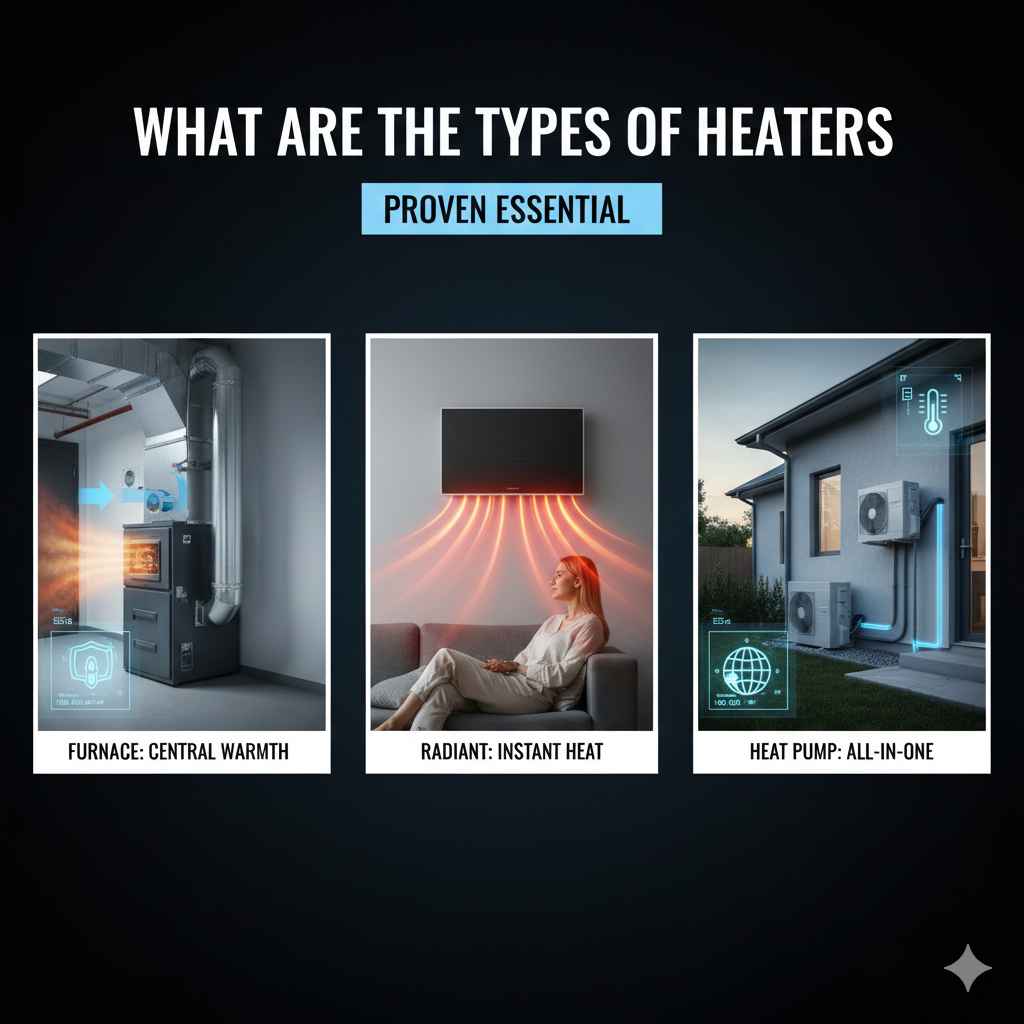
What Are the Types of Heaters for Your Home?
The essential types of heaters include portable electric units (radiant, convection, fan-forced), fixed central systems (furnaces, boilers, heat pumps), and space heaters (kerosene, propane). Choosing the right one depends on your space size, budget, and heating needs for maximum comfort and efficiency.
Feeling chilly when you only need a little warmth in one room can be frustrating. Choosing the right heater seems complicated because there are so many options out there! You worry about safety, energy bills, and whether the unit will actually keep you cozy. Don’t stress; I’m Tanim, and I’m here to make this simple. We will break down every main type of heater you might encounter. By the end of this guide, you will feel confident choosing the perfect heating solution for your home.
Why Understanding Heater Types Matters for Every Homeowner
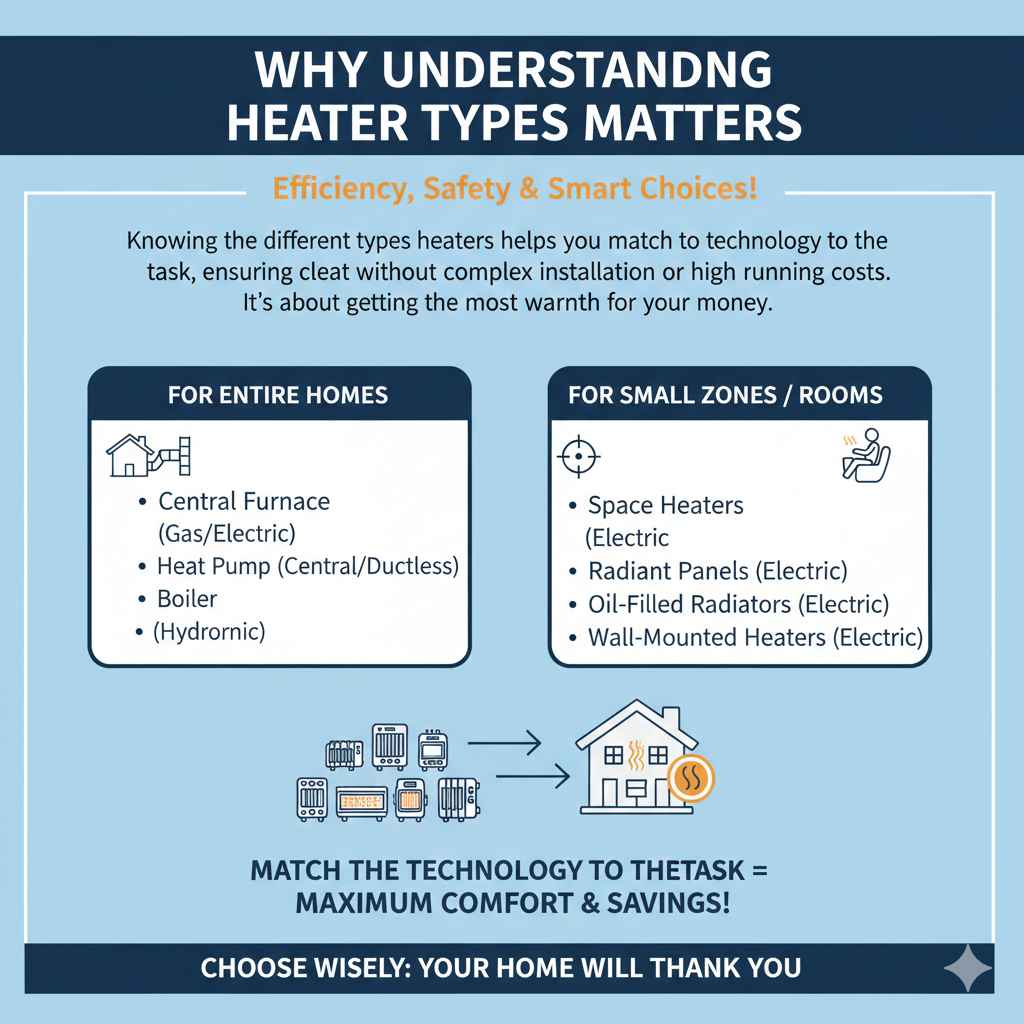
Knowing the different types of heaters isn’t just about picking the fanciest model. It’s about efficiency, safety, and getting the most warmth for your money. A small office needs a very different heater than a large living room. Using the wrong type wastes energy and might not even make the space comfortable. We need to match the technology to the task.
For beginners, the main goal is clear heat without complex installation or high running costs. We will look at heating for entire homes and small, focused heating for specific zones.
Section 1: Portable Electric Heaters – Your Go-To Spot Heaters
Portable electric heaters are the simplest way to add immediate warmth to a small area. They plug into a standard wall outlet and require no special venting or permanent setup. These are perfect for renters or supplementing your main system.
1. Radiant Heaters (Infrared Heaters)
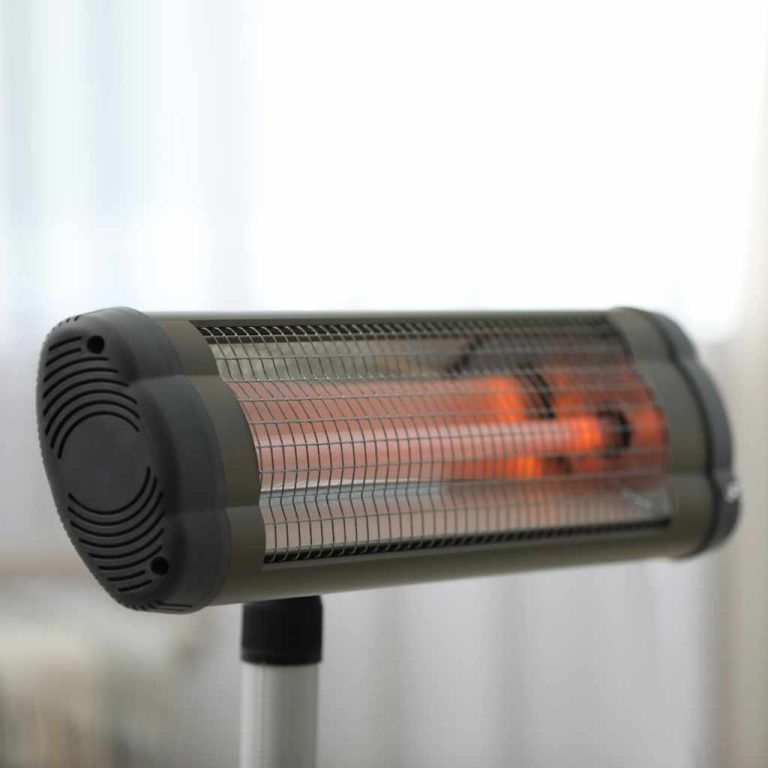
Radiant heaters work much like the sun. They don’t heat the air directly; instead, they send out infrared waves that warm up objects and people in their path. Think of them as personal spotlights of heat.
Pros and Cons of Radiant Heaters:
- Pros: Instant heat, very direct warmth, often quiet. Great for aiming heat at a person sitting down.
- Cons: Heat doesn’t travel far or warm the whole room effectively. If you move out of the beam, the warmth stops immediately.
2. Convection Heaters
Convection heaters warm up the air inside the unit, and that warm air naturally rises, creating gentle currents that slowly heat the entire room. Oil-filled radiators are a common type of convection heater that holds heat well even after being turned off.
When to Choose Convection:
If you want whole-room ambient temperature, not just focused heat, convection is a good choice. They are often quieter than fan heaters because they rely on natural air movement.
3. Fan-Forced Heaters (Ceramic Heaters)
These are the most common portable heaters you see. They contain a heating element (often ceramic for safety and efficiency) that gets hot. A built-in fan blows air across this hot element and pushes the warmed air into the room quickly.
Key Features for Safety:
- Tip-Over Protection: Most modern units automatically shut off if they are knocked over.
- Overheat Protection: They turn off if the internal temperature gets too high.
Ceramic models are very popular because they are generally safer than older coil heaters and heat up fast. Always look for the safety certifications from organizations like UL when buying any portable electric unit.
Section 2: Central Heating Systems – Warming the Whole House
When we talk about heating an entire house evenly, we move into central heating territory. These systems use ductwork or pipes to deliver warmth from one central source to all rooms.
1. Furnaces (Forced-Air Systems)
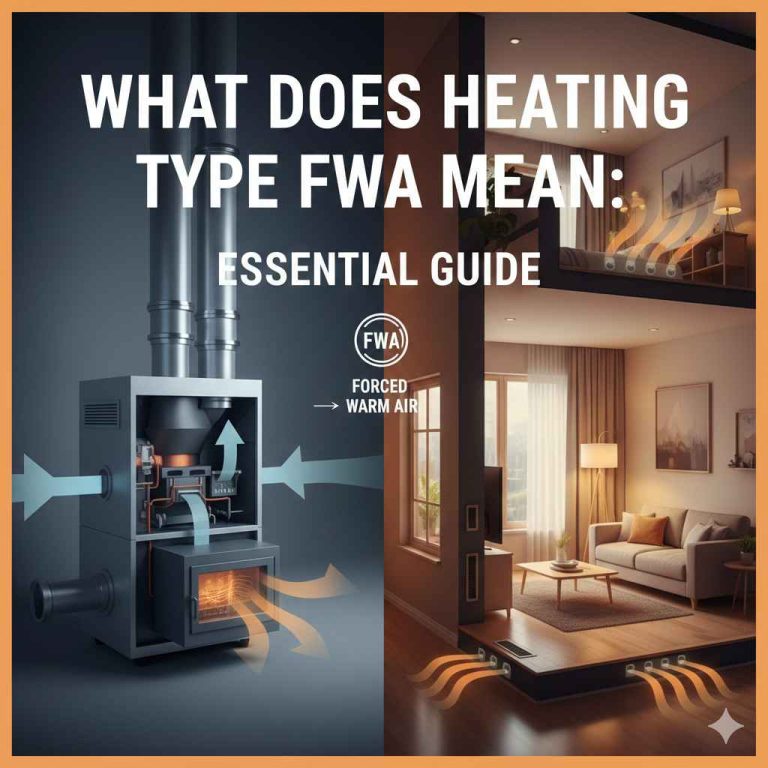
Furnaces are incredibly common, especially in colder climates. They burn fuel (natural gas, propane, or heating oil) or use electricity to heat air. A blower then pushes this hot air through ducts to vents in every room.
Fuel Sources for Furnaces:
| Fuel Type | Typical Efficiency | Initial Cost |
|---|---|---|
| Natural Gas | High (90%+ AFUE possible) | Moderate to High |
| Propane | Moderate to High | Moderate to High (Requires Tank) |
| Electricity | Lower (100% conversion, but electricity cost matters) | Moderate |
If you are looking into furnace efficiency, the U.S. Department of Energy provides great resources on AFUE ratings (Annual Fuel Utilization Efficiency). A higher AFUE means less fuel is wasted as exhaust.
2. Boilers and Hydronic (Hot Water) Systems
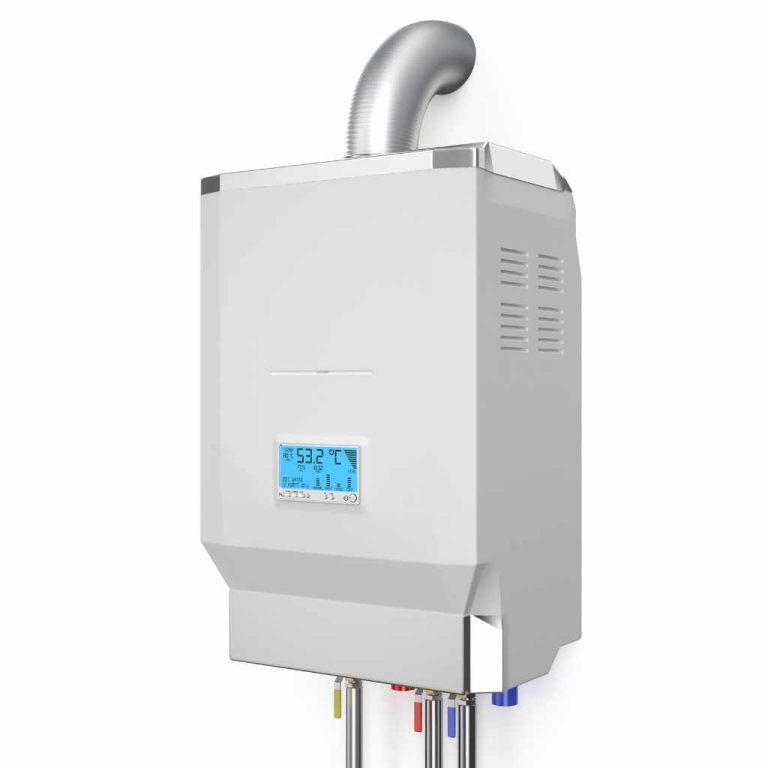
Boilers heat water (or create steam) using gas, oil, or electricity. This hot water is then pumped through pipes to radiators, baseboard heaters, or in-floor tubing (radiant floor heating). They don’t use air ducts.
Benefits of Boiler Heat:
- Comfort: Provides a very even, gentle heat that doesn’t dry out the air as much as forced air.
- Quiet Operation: Much quieter than a furnace blower cycling on and off.
- Durability: Boilers often last longer than furnaces with proper maintenance.
3. Heat Pumps (Air Source and Geothermal)
Heat pumps are modern heroes because they don’t create heat; they move existing heat. In the winter, they pull latent heat from the outside air (even when it’s cold) and move it inside. In the summer, they reverse the process to cool your home.
Air Source vs. Geothermal:
- Air Source Heat Pump (ASHP)
- The most common type. Easy to install, works like an A/C unit running in reverse.
- Geothermal Heat Pump (GHP)
- Uses the stable temperature of the earth via underground loops. Highest efficiency but highest initial installation cost.
Heat pumps are incredibly energy efficient, often moving 3 units of heat for every 1 unit of electricity used. They are an excellent choice if you are prioritizing long-term energy savings.
Section 3: Specialized and Supplemental Heaters
Sometimes, the main system can’t keep up, or you need localized heat in a garage, workshop, or during a power outage. These specialized heaters fill important niches.
1. Space Heaters (Vented Kerosene and Propane)
These powerful heaters are primarily used for garages, workshops, or in rural areas where natural gas isn’t available. They burn fuel (kerosene or propane) and produce significant heat output.
CRITICAL SAFETY NOTE:
Because these heaters burn fuel, they produce carbon monoxide (CO) and require proper ventilation. Never use a vented fuel-burning heater in an unventilated living space, even for a short time. If you use one in a garage, ensure the doors/windows are cracked open slightly for safe air exchange.
2. Ductless Mini-Split Systems
Mini-splits are similar to heat pumps but are designed to heat and cool specific zones without needing existing ductwork. They consist of an outdoor compressor unit connected to one or more indoor wall-mounted units.
Why Homeowners Love Mini-Splits:
- Excellent for additions, converted attics, or homes without central air/heat.
- Highly efficient, as you only heat or cool the rooms you are actually using.
- Provides both heating and cooling in one unit.
3. Electric Baseboard Heaters
These are long, low-profile units usually installed under windows along the wall. They use electricity to heat a coil inside the unit, which then heats the air that naturally rises from the top grill (convection). They are easy to install (often just wiring into a dedicated circuit) and great for zoning heat in individual rooms.
Section 4: Comparing Heating Methods – Which Heater is Best for You?
To help you decide, let’s compare the most common options side-by-side based on key homeowner priorities: upfront cost, running cost, and application.
Portable Heater Comparison Table
| Heater Type | Best For | Upfront Cost | Running Cost | Speed of Heat |
|---|---|---|---|---|
| Radiant (Infrared) | Targeted personal warmth (desk, chair) | Low | Medium | Instant |
| Convection (Oil-Filled) | Slow, even warming of a small room | Moderate | Low to Medium | Slow |
| Fan-Forced (Ceramic) | Quick bursts of heat in small rooms | Low | Medium | Fast |
Central System Suitability Guide
Choosing a central system impacts your home for years. Think about what your existing infrastructure supports and what your local utility prices are.
- If you have existing ductwork and cheap natural gas: A high-efficiency gas furnace is usually the most economical choice for whole-house heating.
- If you live in a moderate climate and want cooling too: A Heat Pump or Mini-Split system offers the best balance of efficiency for both seasons.
- If you want supreme comfort and don’t mind higher installation costs: A Boiler system with in-floor radiant heat provides unmatched comfort.
For more detailed information on government incentives for energy-efficient upgrades, you can always check resources provided by the U.S. Department of Energy’s Office of Energy Efficiency & Renewable Energy (EERE).
Section 5: Safety First: Essential Tips for Using Any Heater
Regardless of the type of heater you choose, safety must always be your top priority. Heaters are the leading cause of winter home fires, but these risks are easily managed with simple habits.
The “Three-Foot Rule” for Portable Heaters
This rule is non-negotiable for any space heater, especially those with exposed elements or fans. Keep everything flammable—curtains, bedding, clothing, paper, furniture—at least three feet away from the heater’s surface.
Checking Electrical Safety
Portable electric heaters draw a lot of power. Never plug them into an extension cord or a power strip. They must plug directly into a wall outlet that is grounded (three prongs).
If you notice the outlet plate or the plug getting hot to the touch while the heater is running, unplug it immediately and call an electrician. This indicates the circuit may be overloaded.
Ventilation and Carbon Monoxide (CO)
This applies mostly to fuel-burning heaters (propane, kerosene, natural gas furnaces, and boilers).
- Install working, tested Carbon Monoxide detectors on every floor of your home, especially near sleeping areas. CO is odorless and deadly.
- Have central fuel-burning appliances inspected by a professional technician annually. This ensures safe combustion and efficient operation.
Section 6: Maintenance Tips to Keep Your Heaters Running Well
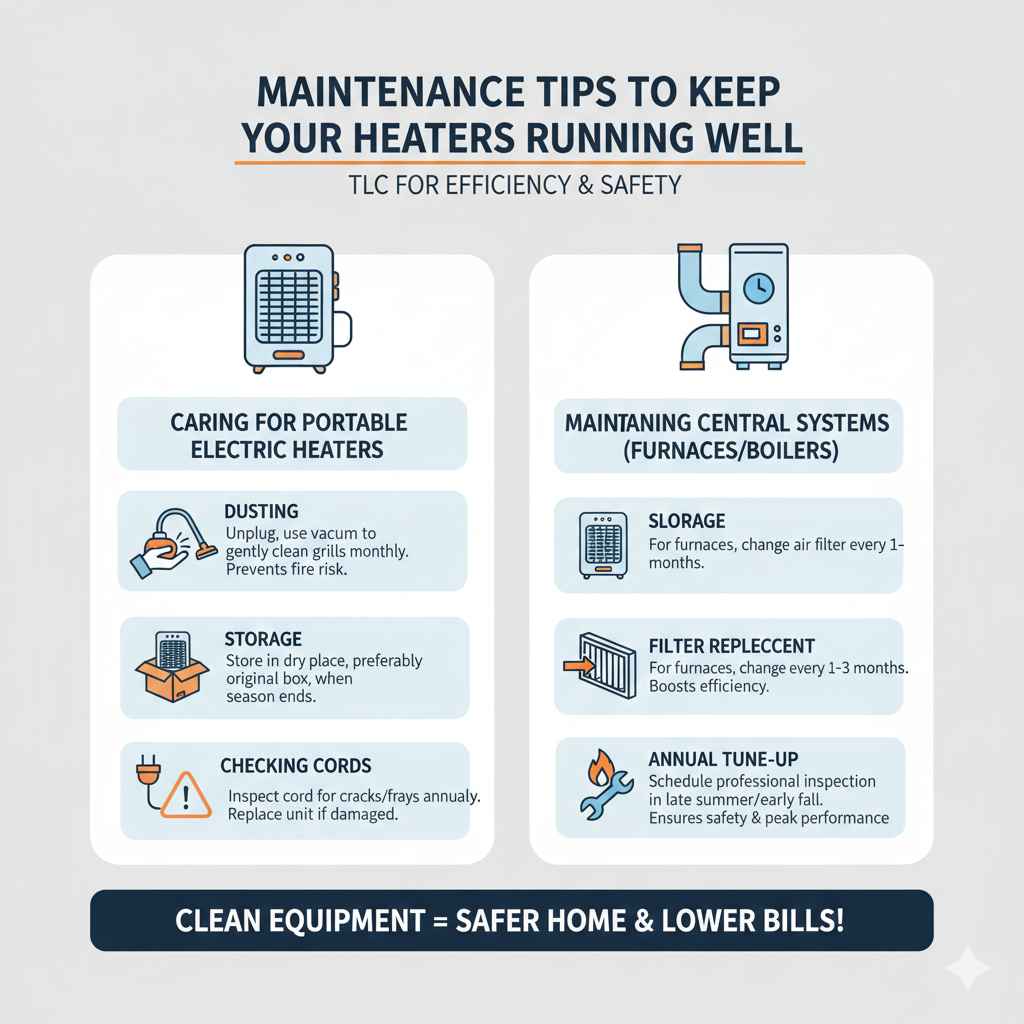
Even the simplest portable heater benefits from a little TLC. Keeping your heating equipment clean ensures it works efficiently and safely all season long.
Caring for Portable Electric Heaters
- Dusting: Unplug the unit. Use a vacuum cleaner with a hose attachment to gently suck dust and debris out of the intake and exhaust grills at least once a month during heavy use.
- Storage: When the season ends, wipe the unit down and store it in a dry place, preferably in its original box or a dust-proof container.
- Checking Cords: Before the first use each season, check the cord for any cracks, frays, or damage. If the cord is compromised, recycle the heater and buy a new, safe one.
Maintaining Central Systems (Furnaces/Boilers)
For homeowners with central systems, maintenance is key to avoiding emergency repairs in freezing weather.
- Filter Replacement: If you have a forced-air furnace, change the air filter every 1 to 3 months. A clean filter allows the blower to move air efficiently, saving you money.
- Annual Tune-Up: Schedule a professional inspection before the heating season starts (late summer or early fall). They check flames, clear pilot lights, look for cracks in heat exchangers, and ensure safety controls work.
Frequently Asked Questions (FAQ) About Heater Types
Q1: Which heater type is the cheapest to run?
A: Generally, central heating systems that use natural gas are the cheapest to run per BTU (unit of heat) where natural gas prices are low. For supplemental heat, the most efficient electric option is usually a high-efficiency heat pump or mini-split, though they have higher upfront costs than simple plug-in heaters.
Q2: Can I use a heater in a bathroom?
A: Yes, but only if the heater is specifically rated for damp or wet locations. Look for units labeled as suitable for bathrooms or use permanently installed, wired-in baseboard heaters designed for moisture. Never use a standard plug-in heater near a bathtub or shower.
Q3: What is the difference between zone heating and space heating?
A: Space heating refers to using a portable unit (like a ceramic heater) to warm a very small, localized area, often for short periods. Zone heating involves heating specific, defined areas of a home (like the main floor) using a central system component (like a ductless mini-split or a dedicated thermostat zone) rather than heating the entire house equally.
Q4: Are kerosene heaters safe to use indoors?
A: Absolutely not. Kerosene, propane, and unvented fuel-burning heaters should never be used inside a home or enclosed area due to the severe risk of carbon monoxide poisoning and fire. Only use them in well-ventilated areas like a garage with doors slightly open.
Q5: Should I choose a radiant or fan heater for my bedroom?
A: For sleeping, a quiet convection heater (like an oil-filled radiator) is usually better. It creates a consistent, gentle warmth without the noise of a fan, allowing for better sleep. Radiant heaters work best when you are sitting directly in front of them.
Q6: How do I know if my furnace needs replacing?
A: If your furnace is over 15 years old, requires frequent, expensive repairs, or has an AFUE rating below 80%, it is time to consider replacement. Modern systems are significantly safer and use far less fuel.
Conclusion: Taking Control of Your Home Comfort
As you can see, the world of heaters is wide, but you now have the core knowledge needed to navigate it successfully. Whether you need the instant spot-treatment of a fan-forced ceramic heater, the steady comfort of a central boiler, or the long-term efficiency of a heat pump, the right choice depends entirely on your living situation and budget.
Remember the basics: prioritize safety by respecting the three-foot rule and always installing CO detectors near fuel-burning appliances. Don’t let the complexity scare you away from finding the perfect level of warmth. With this guide, you are equipped to make smart, confident decisions, ensuring your home stays cozy, safe, and efficient all year long. Go ahead—find the perfect heat source and enjoy the comfort you deserve!